

How to Visit Shapotou Without the Crowds
A line of camels was picking its way across the dune crest above me, and at that exact moment a yellow rubber raft loaded with eight screaming people tipped over the lip of the Yellow River about forty metres below. The camel driver did not look up. The rafters came up sputtering and grinning. Somewhere between the sand and the water a speaker was playing pop music at a volume no natural feature required. That is Shapotou in one frame: the Tengger Desert and the Yellow River shaking hands, with a theme park built on the junction. As Wikipedia notes, Shapotou is the district in Zhongwei, Ningxia, where the desert meets the river and where sand-control work has been studied for decades (Shapotou). The scenery is real. The loudspeakers are optional, if you time it right.
Shapotou sits near Zhongwei in Ningxia Hui Autonomous Region, in the northwest of the country, where the Yellow River bends through a band of dunes. It is part desert, part river gorge, part adventure park, and the combination is stranger and more fun than any single label suggests. If your trip already covers the Badaling Great Wall for scale and the Beihai Park for calm, Shapotou is where you go to get mildly wet and sandy on purpose.
How to reach Zhongwei and the park
Zhongwei has a high-speed station on the line between Lanzhou and Xining, and a small airport with limited flights. From the station a taxi to the Shapotou scenic area takes roughly half an hour and costs little. I came by train from Lanzhou, a ride of a few hours, and treated Zhongwei as a one-night base rather than a day trip from somewhere larger. That decision alone removed most of the crowd pressure, because the day-trippers arrive on the morning trains and leave on the evening ones.
The scenic area is split by the river: a desert side on the north bank and a river-and-garden side on the south. A cable car and a bridge connect them, and your ticket covers the crossings. Get the layout clear at the gate, because the two halves feel like different parks and it is easy to spend your whole visit on the wrong one.
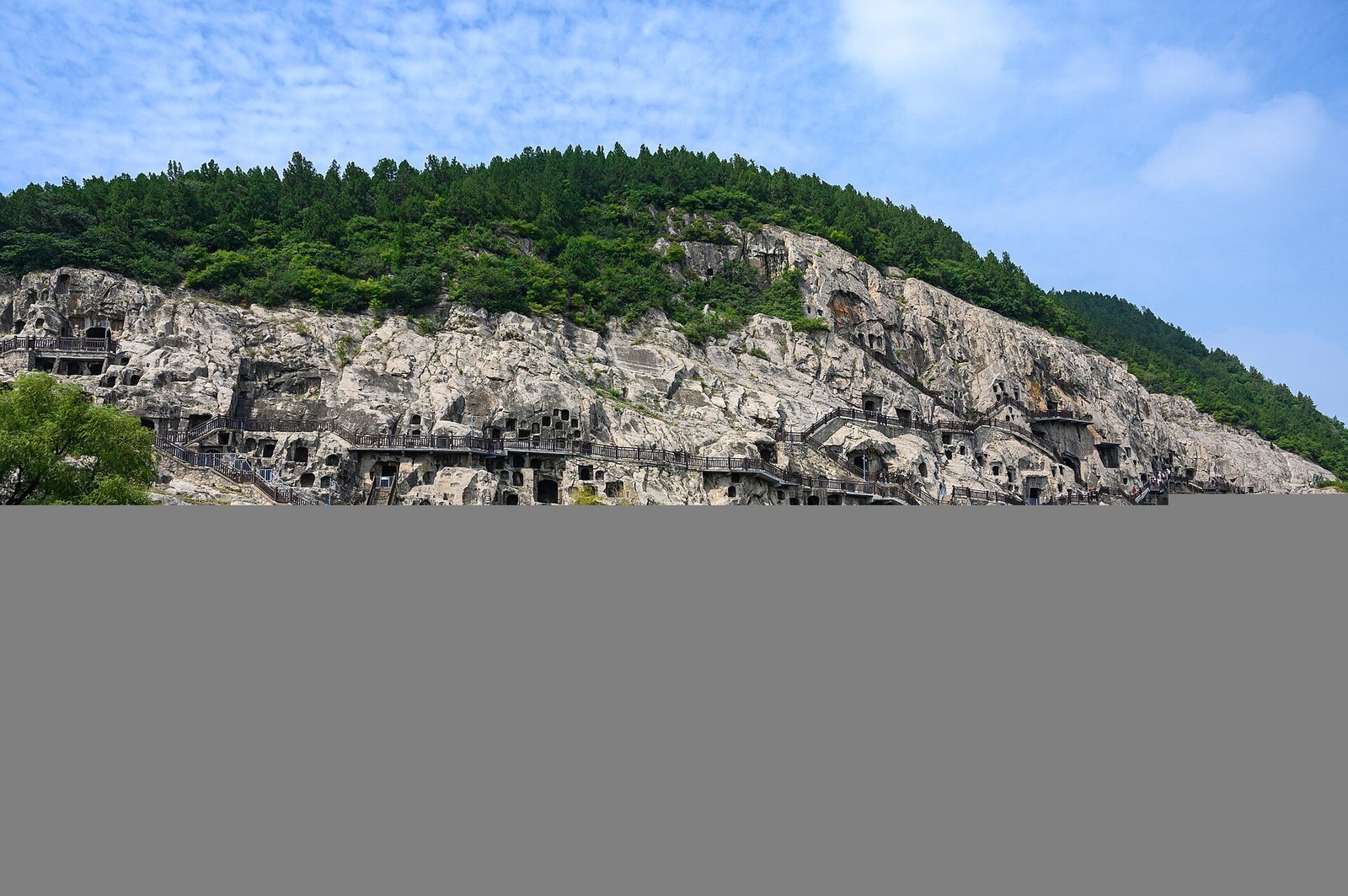
Budget tier — doing it for the minimum
This is the version for the traveller who would rather spend on the next ticket than the current one. The entry fee to the scenic area is the unavoidable cost; the individual rides — camel trek, raft, slide — are priced separately, and you can skip most of them. Walk the dune crest on foot, watch the river from the free viewing points, and take the cable car once if it is included. A packed lunch from a Zhongwei bakery costs a fraction of the park food, which is, charitably, not the reason to come.
The budget approach works best midweek and outside national holidays, when the separate-charge rides have short queues anyway. I met a backpacker who had done the whole place for the gate price plus a noodle, and he looked as satisfied as anyone on the paid raft. The view from the free crest is identical to the one the splurge crowd pays ten times for, and the river sounds the same from a free rock as from a paid raft. If you want a food contrast afterwards, the everything you need to know about ciqikou old town in Chongqing is where I go for a denser, hotter street-food scene, but Zhongwei’s mutton does the job.
Mid tier — the comfortable middle
Most visitors land here without planning to. You pay the gate, add the camel trek and the river raft, maybe the sand-slide, and call it a day. This is the sensible middle: enough activity to feel you have done the place, not so much that you queue for an hour per ride. The camel trek crosses the dune field in about twenty minutes and costs a modest separate fee; the raft is a short, loud, thoroughly wet trip down a calm stretch of the Yellow River.
The mid tier is where timing matters most. Arrive at opening and do the raft before the tour groups, then drift to the desert side as they flood the river bank. I did the camel, the raft and the slide before eleven and spent the hot middle of the day in the shaded garden side with a cold drink. That ordering is the difference between a good day and a queuing day.
Which paid ride is actually worth it
- Camel trek — yes, short and a genuine desert feel.
- River raft — yes, if you accept you will get wet.
- Sand slide — maybe, fun but quick; skip if the queue is long.
- Cable car — only if walking the crest sounds like effort.
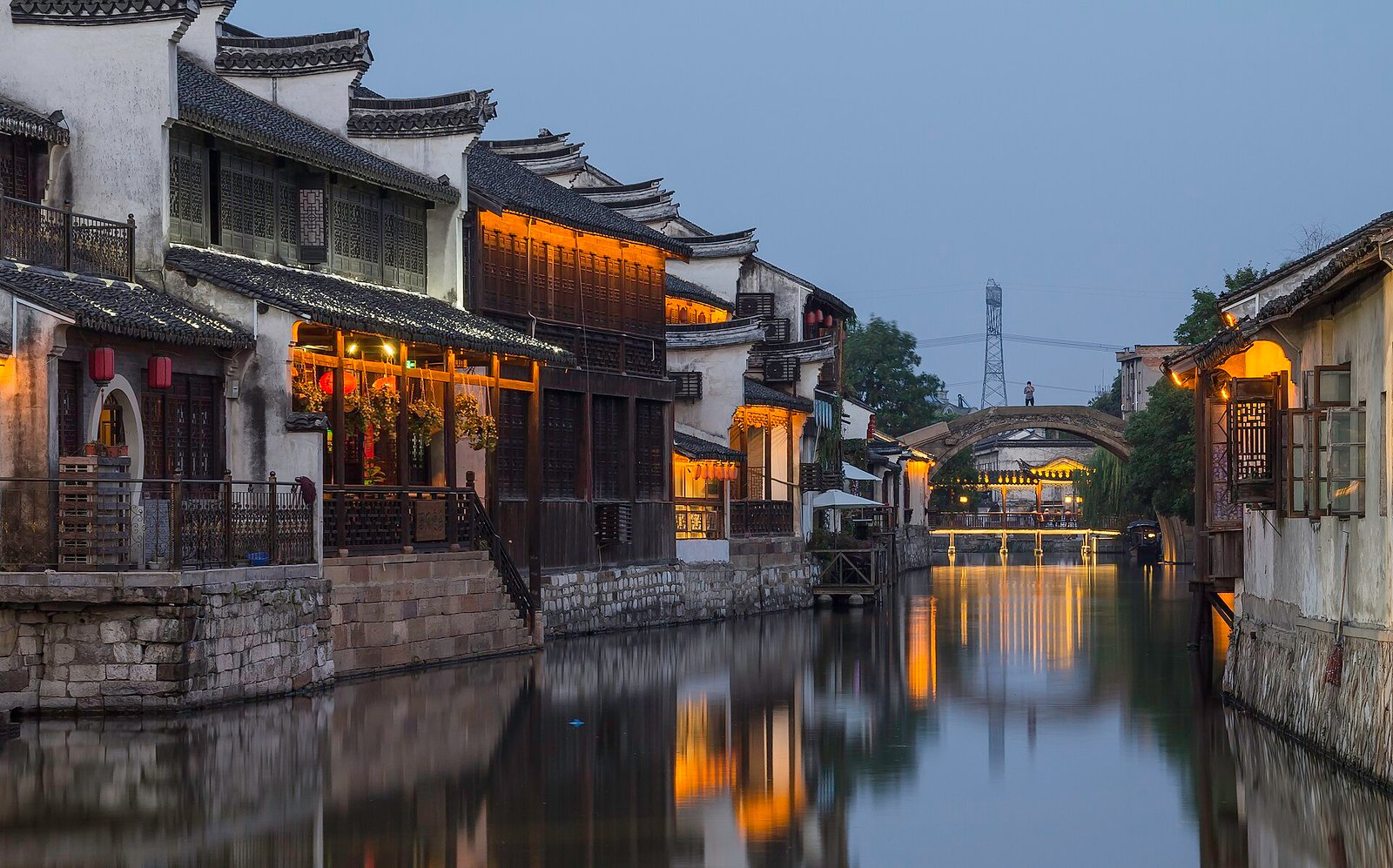
Splurge tier — money is not the constraint
At the top end you take everything, hire a private driver from Zhongwei, book the lakeside room, and add the evening show the park sometimes runs. The desert-side resorts charge a premium for a room you can see the dunes from, and the price buys quiet more than luxury. I would not call the hotels plush, but the sunrise over the sand from your window is the kind of thing that justifies the extra yuan.
The splurge also buys the right to ignore the clock. The crowds thin after the last bus leaves, and a guesthouse inside or next to the area means you can walk the dune at dusk when the loudspeakers finally fall silent. That hour, alone on the crest with the river below, is the version of Shapotou the postcards hint at and the day-trippers miss.
| Tier | Spend | What you do | Crowd level | Best for |
|---|---|---|---|---|
| Budget | Gate only | Walk, watch, photograph | Low if timed | Solo travellers, tight budgets |
| Mid | Gate + 2 rides | Camel, raft, slide | Moderate | Most visitors |
| Splurge | All rides + room | Everything, sunset alone | Low after dark | Comfort seekers |
Dodging the crowds
The single most useful habit at Shapotou is arriving at the opening bell. The tour coaches roll in around ten, and from then until mid-afternoon the river side is a scrum. The desert side stays calmer, and the higher you walk up the dune the fewer people you meet — most visitors stop at the first viewing platform and turn back.
Avoid the first week of May and the first week of October if you can; those are the national holiday windows when every domestic park swells. A Tuesday in June, by contrast, let me stand on the crest with maybe six other people. If you have read the all about big wild goose pagoda piece for Xi’an, you will recognise the same rule — go early, go midweek, and the crowd problem mostly dissolves.
Food and a Ningxia frame
Zhongwei’s food is northern and meat-forward: lamb cooked over coals, hand-pulled noodles, and the flatbreads that travel well in a desert climate. The park food is overpriced and average; eat in the city. A plate of grilled lamb and a bowl of noodles in Zhongwei cost me little and beat anything inside the gate. For a different regional lens, the a proper take on chengdu panda base area points you toward Sichuan’s softer, spicier cooking, but Ningxia’s plain grilled meat is its own reward.
Shapotou is best as a half-day inside a Zhongwei stopover. Pair it with a slower afternoon in the city, or push on to the Canton Tower Guide end of the country if your route bends south — the contrast between a dune by a brown river and a glass tower by a green delta is the whole point of travelling this far.
Frequently Asked Questions
Where is Shapotou and how do I get there? It is near Zhongwei in Ningxia, reached by high-speed train from Lanzhou or Xining. A taxi from Zhongwei station to the scenic area takes about half an hour.
What is the park actually like? A desert meeting a river, with rides built on top: camel treks on the dunes, rafts on the Yellow River, and a sand slide between them. Loud at peak times, quiet at the edges.
How much does it cost? The entry fee is the fixed cost; individual rides are charged separately. Prices shift, so check the official site before you go rather than trusting a fixed figure here.
When are the crowds worst? Late morning to mid-afternoon, and especially the first week of May and October during national holidays. Arrive at opening and you will miss most of it.
Can I see it on a budget? Yes. The gate ticket plus walking the dunes and watching the river costs far less than the full ride package, and the view is the same.
Is it worth staying overnight nearby? If you want the dune at dusk or dawn without the day-trip crowds, yes. A Zhongwei base or a room by the park lets you use the quiet hours the coaches never reach.


