Congee Recipe: Rice Porridge the Right Way
Fact-checked and reviewed 31 October 2026 · China Food Way editorial team
My first proper bowl of congee was not breakfast. It was about four in the morning at a twenty-four-hour congee shop on a corner in Guangzhou, and I had been awake for two days for reasons that no longer matter. The man behind the counter asked what I wanted, I said anything, and he made me a bowl of plain white congee with a soft egg dropped into it and told me to sit down and wait.
Nothing in it had been fried. Nothing in it had been browned. It was a bowl of rice water with an egg in it, and it was the best thing I have ever eaten at that hour.
The shop’s name hung over the street in red neon, and the window was steamed right through. By six o’clock there were six or seven people on the plastic stools, all silent, all eating the same thing out of the same blue-and-white bowls. This is what I want to say about congee before anything else: it is the most underestimated dish in the Chinese repertoire, and almost everything the West calls congee — the thick, gluey, salted-down version, the instant-powder version, the porridge that tastes of nothing — is a bad copy of it.

My attempts at home were terrible for about a year. The first problem was that I cooked it like rice, with too little water, so it came out as a thick, gluey, faintly sweet paste that was impossible to ladle. The second problem was that I added everything — the dried scallops, the ginger, the peanuts, the mushrooms — at the start, and then simmered for two hours, which is exactly the wrong way round. By the end, everything in the bowl had turned the same beige colour and the texture had gone to mush.
How long does congee actually take to cook?
Plain white congee takes roughly 45 minutes to an hour and a half on the hob, depending on how broken down you like it. Bring the rice and water up together, then hold it at a bare simmer and stir every ten to fifteen minutes once it starts to thicken, scraping the base so nothing catches. Soaking the rice in cold water for thirty minutes beforehand shaves about fifteen minutes off the time. The honest caveat is heat: too fierce a flame scorches the bottom while the top is still watery, so use a wider, heavier pot if you have one. Do this, not that: keep plain congee at a gentle bubble rather than a rolling boil — the aggressive version belongs to Cantonese ‘rolling-boiled’ style, which runs closer to two hours and is a different dish.
What Congee Is, and the Ratio That Baffles People
Congee is zhou (粥), and the single most important thing about it is that the water-to-rice ratio is roughly eight to one or even ten to one. That is the number that makes people hesitate. One hundred grams of rice to eight hundred millilitres of water looks, on paper, like a waste of a good bag of jasmine. But the rice does not disappear into that much water; it breaks down into starch, and that starch is what gives congee its body — that soft, spoon-coating, gently viscous texture. The dish is mostly liquid by volume and mostly rice by substance, and both things are true at once.
Which rice you use changes the result more than the ratio does. The southern style, which is what I cook, uses long-grain rice, and it breaks down into a smooth, almost silky porridge within an hour. Short-grain or medium-grain rice, which is what northern China grows, holds its shape longer and gives you a porridge with visible grains and a slightly thicker, more substantial body. Both are correct. If you are cooking southern-style white congee, jasmine or long-grain is the answer; if you want the grainier northern bowl, use a medium-grain rice and cook it a little longer.
The reason I mention this at all is that a bag of cheap long-grain rice is genuinely fine here. Congee is the most forgiving thing in the Chinese kitchen. It is also, importantly, the dish where the water quality shows. If your tap water tastes heavily of chlorine, use filtered water. The dish has no other strong flavour to hide behind, and chlorine in hot water smells distinctly of swimming pools.
Do I have to stir congee the whole time?
Not constantly — you only need to stir in short, deliberate bursts. Give it a good scrape in the first five minutes to stop the grains clumping at the base, then return every ten to fifteen minutes, each time dragging the spoon across the bottom so any rice that has caught loosens before it burns. Leave the lid ajar rather than sealed, which cuts evaporation without let-it-boil-over risk. The honest caveat is the opening stretch: for the first twenty minutes the pot is prone to foaming over if the heat is too high, so stay close then, and check the base more often near the end when the water is low. Do this, not that: a proper scrape every quarter of an hour beats a lazy swirl, because the catching always starts at the bottom, not the surface.
Cold Water In, Hot Water Out
Here is the method change that turned my congee from unpleasant to genuinely good, and it costs nothing: start with cold water. Put the rice in the pot, add the cold water, bring it to a boil, then drop the heat and simmer. The reason is starch. When rice hits boiling water, the outside of each grain gelatinises instantly and hardens into a shell, and the interior never cooks through.
That is why boiling rice directly gives you hard-centred grains in a thin liquid, which is exactly what I was getting. Starting in cold water heats the grain slowly and evenly, so the starch dissolves gradually into the water rather than setting on the surface of the grain.
This is the same logic that makes a risotto work, and the same reason an Italian cook would tell you never to add hot water to rice that is already cooking. Once the pot is at a bare simmer, stir every ten minutes or so, more often in the first half hour as the starch releases and the bottom tries to catch. Scrape the bottom clean each time. After about forty minutes the rice will have lost most of its individual shape and the liquid will have turned opaque and slightly thick.
Southern White Congee and Cantonese Rolling-Boiled Congee
Southern white congee, which is simply plain rice cooked in water until it collapses, is what you get in Guangzhou, in Fujian, and in most of the Chaoshan region. It is smooth, clean-tasting, and almost seasoning-free by design, because it is meant to be a vehicle for whatever you add to it. Congee restaurants in the south serve it with a whole array of side dishes, and the skill is in the pairing rather than in the bowl. Our piece on the Cantonese cuisine guide sets out why the region’s cooking treats texture this way, and it is worth reading before you decide how much garnish to put in the bowl.
Cantonese rolling-boiled congee, the version served in Hong Kong and in the Cantonese restaurants abroad, is made by a completely different technique. You start with a very thick, almost paste-like rice base — more rice, less water, cooked down to a dense sludge. Then, at service, the cook ladles boiling stock into the bowl and stirs violently, and the rice grains visibly separate and bloom in front of you. It is a performance, and the texture you end up with is nothing like the smooth southern version: you get distinct, well-separated grains in a clear, glossy broth that is far more delicate than the plain white version.
You can absolutely do the rolling-boiled method at home, and it is the better dish. Make the base the night before as a thick porridge, refrigerate it, then in the morning heat a good stock — chicken, with dried scallops and ginger, simmered for a couple of hours — to a rolling boil. Put a ladle of cold or warm base in the bowl, pour the boiling stock over it, and stir. The rice blooms open. Add sliced pork, shredded ginger, and spring onion, and the whole thing tastes dramatically more sophisticated than the plain version.
The trade-off is effort and the fact that the base has to be made ahead. If you are cooking on a weekday morning and want something in the bowl in thirty minutes, southern white congee is the honest answer.
When should I add meat or eggs so they don’t turn to rubber?
Add delicate proteins late and sturdy ones early, and the texture stays right. Thin slices of fish or chicken belong in the final five minutes, just long enough to cook through without toughening. A beaten egg should be poured in a slow circle in the last two minutes, then stirred once to form soft ribbons rather than scrambled lumps. Raw pork mince is the exception: drop it in with the cold water at the start so it blooms and flavours the whole pot as it simmers. Dried scallop or shiitake need a thirty-minute soak first, then go in early with the aromatics. The honest caveat is egg white: add it raw too early and it seizes into stringy bits, so keep it for the end. Do this, not that: temper meats in gently, never dump a cold clump onto the surface.
What to Add, and When to Add It
Seasoning the congee itself rather than the toppings is a southern habit and it is worth adopting. A teaspoon of salt in the pot during the last twenty minutes of cooking gives the bowl a backbone that no amount of topping can supply, and it does not make it taste salty so much as make it taste more like itself. Many southern cooks add a little sesame oil at the end, and a small spoonful of fish sauce in a pinch is not traditional but is very good.
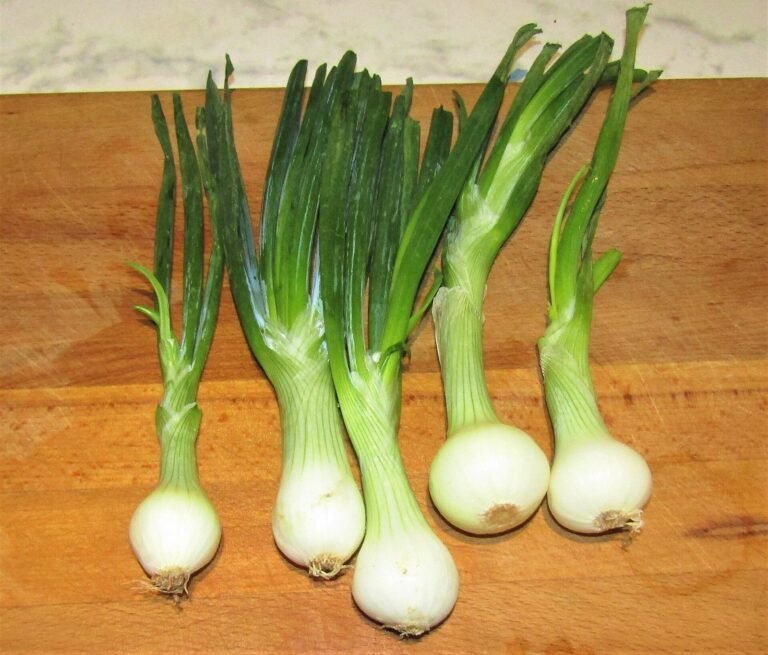
As for toppings, the rule is that anything dried goes in at the start and anything fresh goes in at the end. Dried scallops, dried shrimp, and dried shiitake can simmer for the full hour and will soften and give up their flavour into the broth. Ginger, spring onion, and fresh coriander go in off the heat, or in the last two minutes, so they stay bright. Peanuts go in early because they need the time to soften, but not so early that they turn to paste. Fresh fish or shredded pork is added in the last three minutes over a low flame.
Other classic additions: preserved egg, century egg (皮蛋), which goes in late because it only needs to warm through, and it adds a smoky, alkaline depth that changes the character of the bowl entirely. Sliced pork and liver, added at the very end. Salted duck egg. Corn kernels. And for the version that most resembles what people call congee in Hong Kong, a spoon of chilli oil on top and a scattering of fried shallots.
My own default for a weekday bowl is dried scallops and ginger in the pot from the start, a spoonful of preserved egg, spring onion, and a lot of white pepper. It takes forty minutes and it is the thing I make when nothing else appeals.

Overnight Congee and the Slow Cooker Question
There is a version of this dish that starts the night before, and it is the one I cook when I want breakfast without a decision in the morning. Put the rice and the cold water in the pot with the dried ingredients, put the pot in the fridge overnight, and bring it up the next morning. The long cold soak does what the long soak does in the rice — it starts breaking down the grain — and then you need only about an hour of simmering to finish it. You get a thicker, silkier congee than the forty-minute version, and you get breakfast for one person’s effort.
A slow cooker is the other route, and it works well. Set it on low for about eight hours and the result is a congee that is thick, smooth, and deeply savoury — better than a quick stove version and worse than a properly managed overnight pot. The reason is that a slow cooker never gets a proper boil, so the starch releases slowly and the rice never quite blooms the way it does on a stove. It is a good enough bowl, and it is the difference between a lazy breakfast and a good one.
The constant, slow-cooking-pot approach is a third option and it is what most southern households do if they have a clay pot, or what a restaurant does on a gas ring with the flame turned down to nothing. That is the traditional method: put the rice and water in at bedtime, keep it at the faintest simmer all night, and stir it occasionally when you remember. That method, more than any other, explains why southern congee tastes the way it does.
| Method | Time | Result |
|---|---|---|
| Stove, quick | 40 minutes | Smooth and clean; the everyday bowl |
| Overnight soak, then stove | Night plus 1 hour | Thicker and silkier; my weekend method |
| Slow cooker | About 8 hours on low | Convenient, slightly heavy, no bloom |
| Rolling-boiled, Cantonese style | Base made ahead | Distinct grains in clear broth; the best version |
| Constant simmer overnight | All night on low | The traditional southern method |
What do Chinese families actually eat with congee?
Congee is rarely eaten on its own — it is the plain, soothing anchor beside a spread of salty, savoury sides. The classic companions are youtiao (油条), the long fried dough sticks you dip and tear into the bowl, plus a century egg or a salted duck egg halved on the side. Crushed peanuts, picked vegetables such as zha cai, and a small dish of blanched greens or soy-braised beans fill out the table. The honest caveat is sweetness: plain congee is not a dessert, so resist stirring in sugar unless you are deliberately making a sweet version with red dates or lotus seed. Do this, not that: lay the sides out separately and let each person build their own bowl, rather than mixing everything in, which flattens the contrast that makes congee worth eating.
Serving It
Congee is served in a wide bowl, and the bowl should be nearly full. Serve it with a plate of side dishes arranged so a diner can build their own combination: fried dough sticks, salted vegetables, a soy egg, some pickled mustard greens, a few slices of pork sausage. The good congee shops in the south put out seven or eight of these and let you graze. At home, three is enough — fried dough sticks, preserved egg, and something pickled.
Fried dough sticks, youtiao (油條), are the classic pairing and I would cook them more often if the frying were less messy. Their job is to soak up the broth and give the bowl some contrast of texture. Salted egg, peanuts, and a spoonful of pork floss all work as alternatives if you want something simpler.
One last point on seasoning that surprised me: white pepper. Southern cooks use a lot of it, far more than most Western recipes suggest, and it is not a background seasoning but a real flavour in the bowl. Half a teaspoon per pot is normal. Combined with ginger and scallop it does something quite different from the sweetness people expect of congee, and it is why good congee never tastes like porridge.
Timing the rest of the meal matters as much as timing the congee. Congee is a slow, wet, gentle thing, and it does not sit well next to food that is aggressive. If you are cooking the rest of the breakfast alongside it, jianbing (煎餅), the savoury Chinese crepe, is the perfect counterweight, because it is crisp, hot, and made in a pan in five minutes while the congee does its slow work on a back ring — our jianbing breakfast pancake recipe shows how.
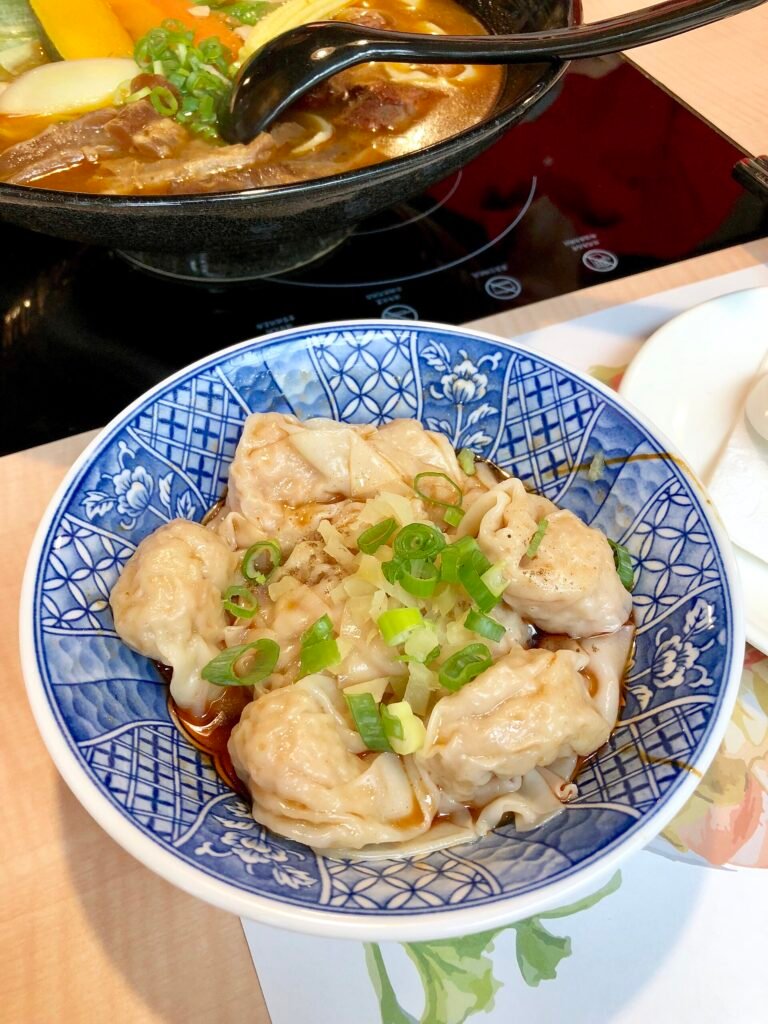
For a related bowl worth trying, our recipe for our century egg congee recipe goes deeper into the preserved egg version, and the pickled mustard greens and salted fish that go with it turn a plain bowl into something specific. If you want to build the meal out from there, a bowl of wonton (餛飩) soup makes a natural second course, since a light clear soup and a plain congee sit well together, and our wonton soup recipe covers that version. For the wider argument about how grain cookery differs across the country, our notes on northern versus southern Chinese food explain why the same dish changes so much over a few hundred kilometres.
Frequently Asked Questions
How much rice do I need per person? About 80 to 100g of dry rice per person for a normal bowl, and I would go to the lower end if you are serving a rich topping like preserved egg or pork, because the toppings add bulk. For a breakfast bowl rather than a lunch, 60g is plenty.
Can I use brown rice? You can, and it gives a darker, nuttier bowl that some people prefer, but it takes roughly twice as long to break down and the texture is never quite as silky. It also keeps more of its bran fibre, which means a thicker, slightly grainier porridge. Very good, but not what I would serve a guest who has never had it.
Why is my congee thin and watery? Either too much water for the rice you used, or not enough cooking time. If it has been simmering an hour and is still thin, the answer is time, not evaporation — put the heat back up and keep going. Note that a southern white congee should be thin enough to pour, which feels wrong but is correct. If it is the texture of thick paint, you have gone the other way and should add hot water to loosen it.
Should I cover the pot? Yes, partially. A lid left slightly ajar stops the liquid evaporating away over a long cook while still letting steam escape, which keeps the texture from turning gluey. Fully uncovered, a long-simmered congee reduces and thickens past the point you want.
Is congee good for you? It is easy to digest, which is why it is what people eat when they are unwell, and it is what I want when I want something warm at seven in the morning without committing to cooking. It is also mostly water, so on its own it is not a complete meal — the toppings and a side of something are what turn it into breakfast.
Can I make it ahead for several people? Yes, and this is the standard restaurant method. Make a large pot, refrigerate it for up to three days, and reheat individual bowls with a splash of water to loosen the texture. It reheats better in a pot than in a microwave, and the toppings always go on fresh.
The Short Version
Put 100g of long-grain rice in a pot with 800ml of cold water and a teaspoon of salt, bring to a boil, then simmer low for about forty minutes, stirring every ten minutes until the rice has broken down and the liquid turns silky. Add dried scallops, ginger, or dried shrimp from the start; add fresh things like spring onion, coriander, sliced pork, or preserved egg in the last few minutes. Season with salt during cooking, finish with white pepper and a little sesame oil. For a richer bowl, make a thick rice base ahead of time and pour boiling chicken stock over it at the table for the Cantonese rolling-boiled version.