Victoria Harbour Guide: Tickets, Routes and What to Expect
The first time I tried to see Victoria Harbour, I walked to the wrong pier and ended up staring at a cargo terminal instead of the skyline. It was a stupid, easily avoidable mistake, and I have made it so you do not have to. Hong Kong, China is a Special Administrative Region (SAR) of China, and the harbour sits right in the middle of it: a three-kilometre-wide channel that separates Hong Kong Island from the Kowloon peninsula.
Most visitors arrive expecting one single viewpoint. There isn’t one. The harbour is long, and the experience changes completely depending on which shore you stand on, what time it is, and whether you happen to be on the water or beside it. Treat it as a moving target rather than a photo stop and you will enjoy it far more than I did on that first confused evening.
How the harbour fits together
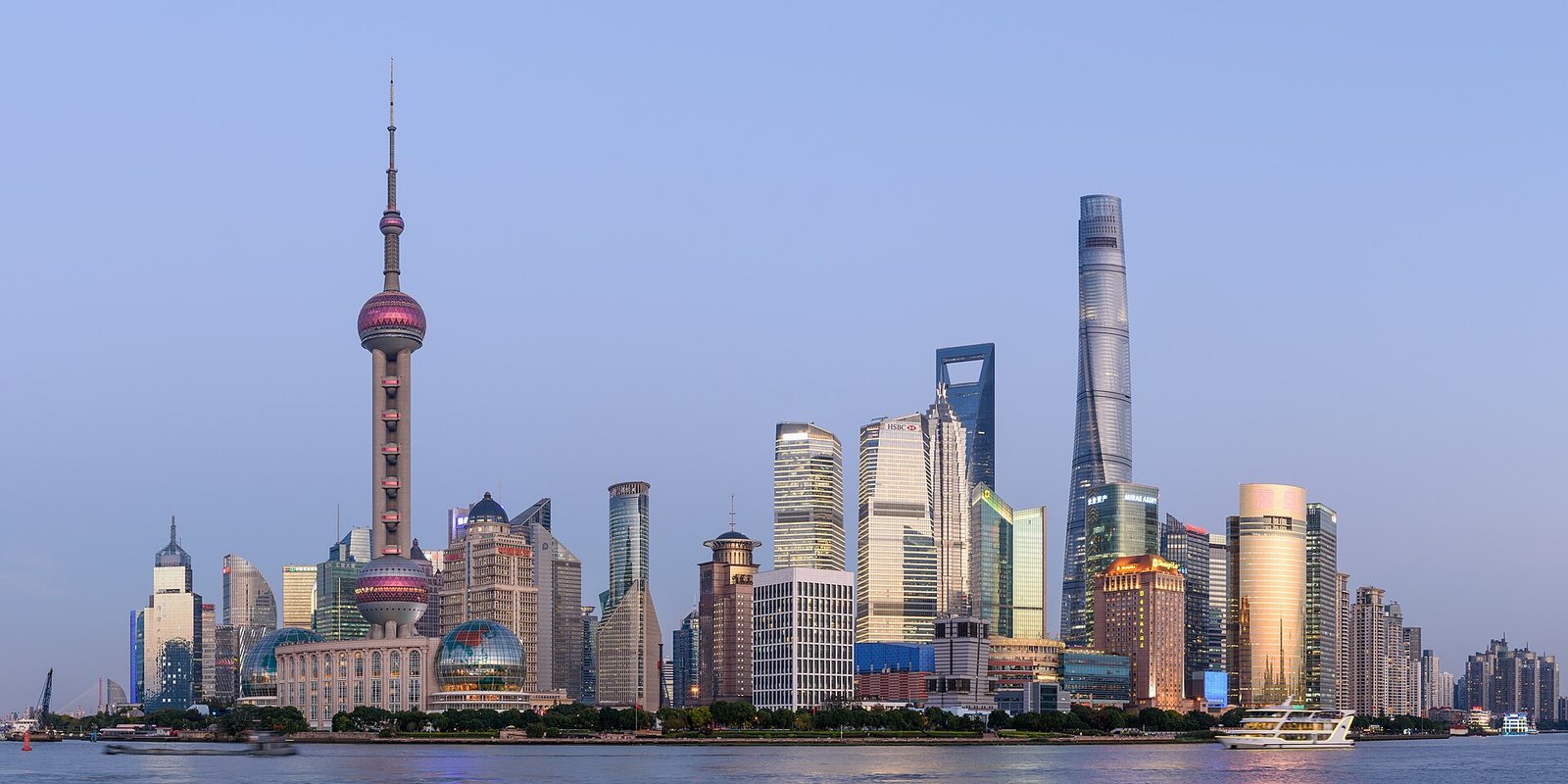
Victoria Harbour runs roughly east to west. On the south bank is Hong Kong Island, with the Central and Wan Chai districts sitting right against the water. On the north bank is Kowloon, where Tsim Sha Tsui and the newer West Kowloon Cultural District face back across the channel. The water between them stays busy with ferries, junk boats, cruise ships and the occasional ocean liner manoeuvring past the old airport approach.
If you have already climbed the Badaling Great Wall on another leg of your trip, you will recognise the same logic: the famous spot is worth seeing, but the approach and the quieter edges are where the visit actually becomes yours. The harbour rewards the same patience, and it punishes the same impatience.
The Star Ferry: still the best crossing
The Star Ferry has run since 1888 and it is, frankly, the single best value thing you can do in the city. The lower-deck fare is a handful of Hong Kong dollars; the upper deck costs a little more but gives you a seat and an open window. Check the official site before you go for current prices, because they creep up every few years. Services run from early morning until late at night, roughly every six to twelve minutes at peak and slower in the small hours.
I favour the Tsim Sha Tsui to Central route. You stand at the rail, the boat pulls away from Kowloon, and within eight minutes you are staring straight up at the Hong Kong Island towers. For the price of a street snack you get a harbour crossing that tourist boats charge ten times as much to deliver. The crossing itself is the attraction, not a means to an end.
The ferries are step-free at the main piers and there is level boarding on the newer vessels, though the older boats can get crowded at rush hour. If you want a calmer trip, ride before nine in the morning or after eight in the evening. The light is softer then as well, which helps if you are photographing the skyline.
Where to watch the Symphony of Lights
The nightly light and sound show is free and plays out along both shorelines. As Wikipedia notes, the harbour has been the backdrop for this projection-and-laser display for two decades, and it remains one of the few spectacles in the city that costs nothing. Show times shift with the seasons, so confirm the schedule on the official site before you go.
The two classic viewing decks are the Tsim Sha Tsui waterfront on the Avenue of Stars side and the Central harbourfront on the island. Both get packed on weekends and public holidays. I prefer the Kowloon side because the Hong Kong Island skyline faces you as a single lit wall, whereas from Central you are looking across at a lower, more scattered Kowloon frontage.
Land versus water: a quick comparison
People ask me whether to pay for a dinner cruise or just stand on the promenade. Here is the honest breakdown, and I have sat in both positions more than once.
| Option | Cost ballpark | Best for | Downside |
|---|---|---|---|
| Star Ferry crossing | A few HKD | The crossing itself, commuting feel | Brief, no narration |
| Harbourfront promenade | Free | Photos, people-watching | Crowded at show time |
| Avenue of Stars | Free | Classic skyline angle | Can get busy near the handprints |
| Dinner or sightseeing cruise | Several hundred HKD | Sit-down experience, drinks | Pricey, tourist-heavy |
| Peak viewpoint | Cable car fare plus entry | Skyline from above | Weather dependent, queues |
None of these is wrong. The promenade is the right call for most visitors; the cruise is a treat, not a requirement, and the Peak is best saved for a clear day.
Walking both shorelines
On the Kowloon side, the waterfront promenade runs from the Star Ferry pier through the Avenue of Stars and west towards West Kowloon. It is flat, well lit and an easy two-kilometre stroll. On the Hong Kong Island side, the Central harbourfront is shorter but links to the kind of Beihai Park planned green space you find in northern cities, only here it comes with a sea view and far more humidity.
Give yourself at least ninety minutes on the Kowloon promenade if you want photos without rushing. The Avenue of Stars gets a fresh coat of attention every few years, so some sections may be fenced off; check the official site before you go if a specific sculpture matters to you. The walk is also one of the few places where you can watch the ferries, the junk boats and the skyline all at once.
Best time of year and time of day
October through December is the most reliable window: cooler air, lower humidity and the clearest sightlines across the water. Summer is dramatic but hazy, and the typhoon season, roughly June to September, can shut the ferries for hours at a time. I once waited out a storm in a Causeway Bay cafe for most of an afternoon and missed the entire show.
For the best light, arrive about forty minutes before the evening performance. The blue hour, when the sky turns deep blue and the towers switch on, is the moment worth catching. Mornings are quiet and good for photography without crowds, though the skyline lacks its nighttime drama and the ferries feel more like transport than theatre.
How it compares to other city views
If you have stood beneath the Canton Tower Guide in Guangzhou, you will notice the difference immediately. Guangzhou gives you one dominant tower on a wide river; Hong Kong, China gives you a wall of towers crammed onto a harbour that has been dredged and reshaped for a century. Both are worth the trip, but the harbour here feels denser and more vertical, while the Pearl River feels broader and calmer.
I would not choose between them. They sit a short high-speed rail ride apart, and pairing the two shows you two very different ideas of what a southern Chinese city can look like from the water.
A half-day route that actually works
Start at the Tsim Sha Tsui Star Ferry pier around four in the afternoon. Walk the promenade west, stop for the Avenue of Stars, then cross to Central on the ferry just before the show. From Central you can wander the harbourfront or head uphill into the lanes. Readers who enjoyed all about big wild goose pagoda will find the same mix of history and cityscape here, just with more glass and fewer temples to climb.
Budget half a day if you want to include a meal on either shore. The whole loop, ferry both ways plus walking, is easily done before dark if you start mid-afternoon and keep your stops short.

What to pair it with on a longer trip
The harbour is rarely the only reason to visit Hong Kong, China, and the city pairs well with other stops. If giant pandas are your thing, read a proper take on chengdu panda base before you fly, because the contrast between a sleepy Sichuan research base and this crowded waterfront is itself worth thinking about. For a slower, older streetscape, everything you need to know about ciqikou covers a Chongqing old town that shares the harbour’s love of water without the skyscrapers.
None of these need to be booked together, but I find the mental contrast helps. A trip that moves from a quiet panda base to a glittering harbour is a trip with a sense of scale.
Frequently Asked Questions
Is the Star Ferry cash only? No. You can pay with an Octopus card, contactless bank cards and some mobile wallets at the turnstiles. Cash at the booth still works, but the card readers are faster. Check the official site before you go for the latest payment options.
How long should I spend at Victoria Harbour? A focused visit is two to three hours, enough for one crossing and a promenade walk. A relaxed half-day lets you do both shores and catch the evening show without hurrying, which is what I would recommend on a first trip.
What is the best month to visit? October to December gives the clearest air and the most comfortable temperatures. Avoid the haziest summer weeks if photography is your priority, though the city stays lively all year round and the show runs in every season.
Can I see the harbour if I only have one night in Hong Kong, China? Yes. Stand on the Tsim Sha Tsui waterfront about forty minutes before the show. You get the skyline, the light display and the ferry traffic in one spot, with no need to travel far from your hotel.
Are the promenades free? The harbourfront walks and the Avenue of Stars are free to enter. Only the cruises, the Peak viewpoint and your transport cost money, and the ferries themselves are priced for commuters rather than tourists.
Is Victoria Harbour suitable for children and older travellers? The flat promenades and frequent ferries suit most mobility levels. The crossings are short and seating is available, though piers get busy at peak times and the show crowds can be overwhelming for very small children.