Shanghai: A Route Through Its Best Streets and Sights
Updated 31 October 2026 · reviewed by the China Food Way editorial team
“The real Shanghai?” The taxi driver laughed when I gave him that line on my first night. “There is no real one. There are ten.” He was right. After two weeks in Beijing I arrived expecting more of the same imperial weight, and instead found a port city that rebuilt itself every fifty years and never apologised for it.
That taxi ride also taught me the one rule that makes Shanghai easy: think in neighbourhoods, not sights. The city is huge, but the bits worth your time sit in four or five pockets you can reach by metro in half an hour. Get those pockets in the right order and the place clicks.
How do I cross the Huangpu River without paying tourist prices?
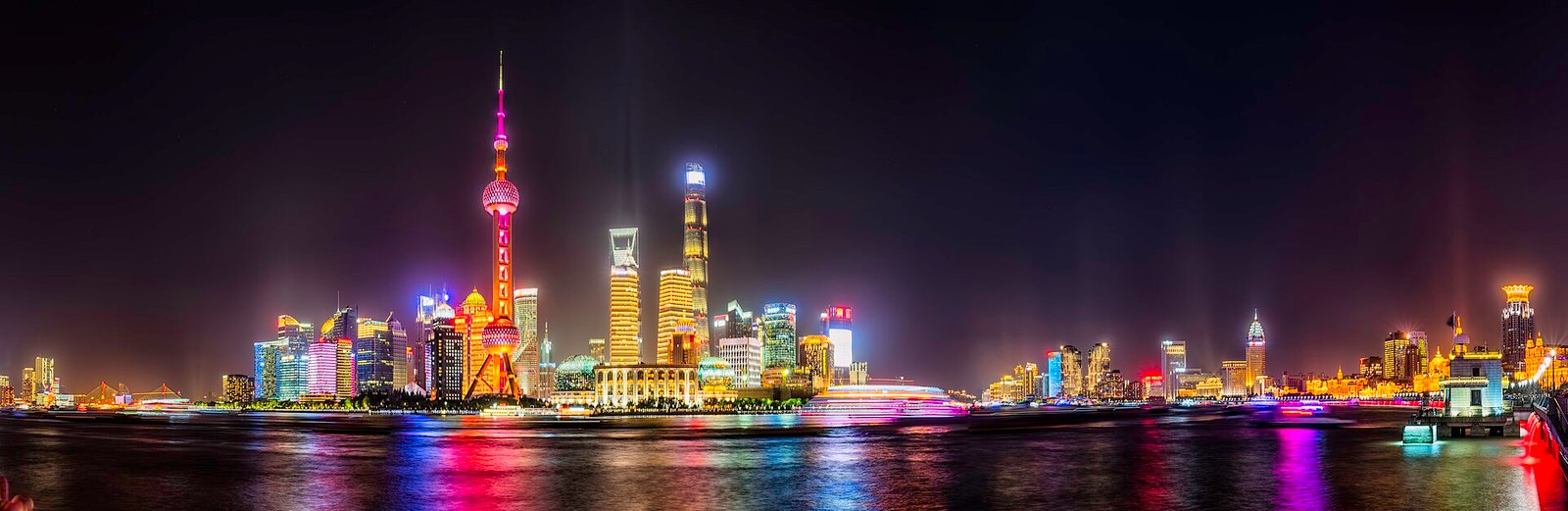
Take the ferry. The public boat from the Bund pier to Pudong runs roughly every ten minutes until around 10pm and costs about 2 yuan, which is the best value in the city and spares you the tourist ‘Amazing Tunnel’ ride that charges around 60 yuan to drive you through a neon corridor. From the Pudong side, the riverside walk gives you the same skyline for free, plus room to breathe, and the three towers sit within a five-minute walk of Lujiazui metro. If you want to go up one, book the deck ticket online, because same-day windows sell out on clear weekends and the Pearl Tower lift queues can run forty minutes. Go before 9am and the promenade is nearly empty.
Start at the water: the Bund and Lujiazui
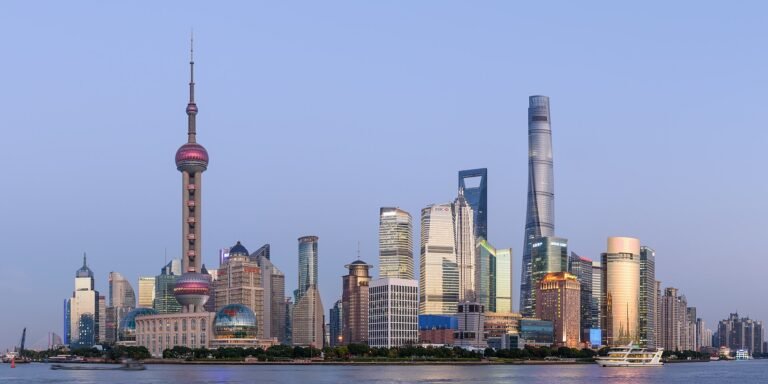
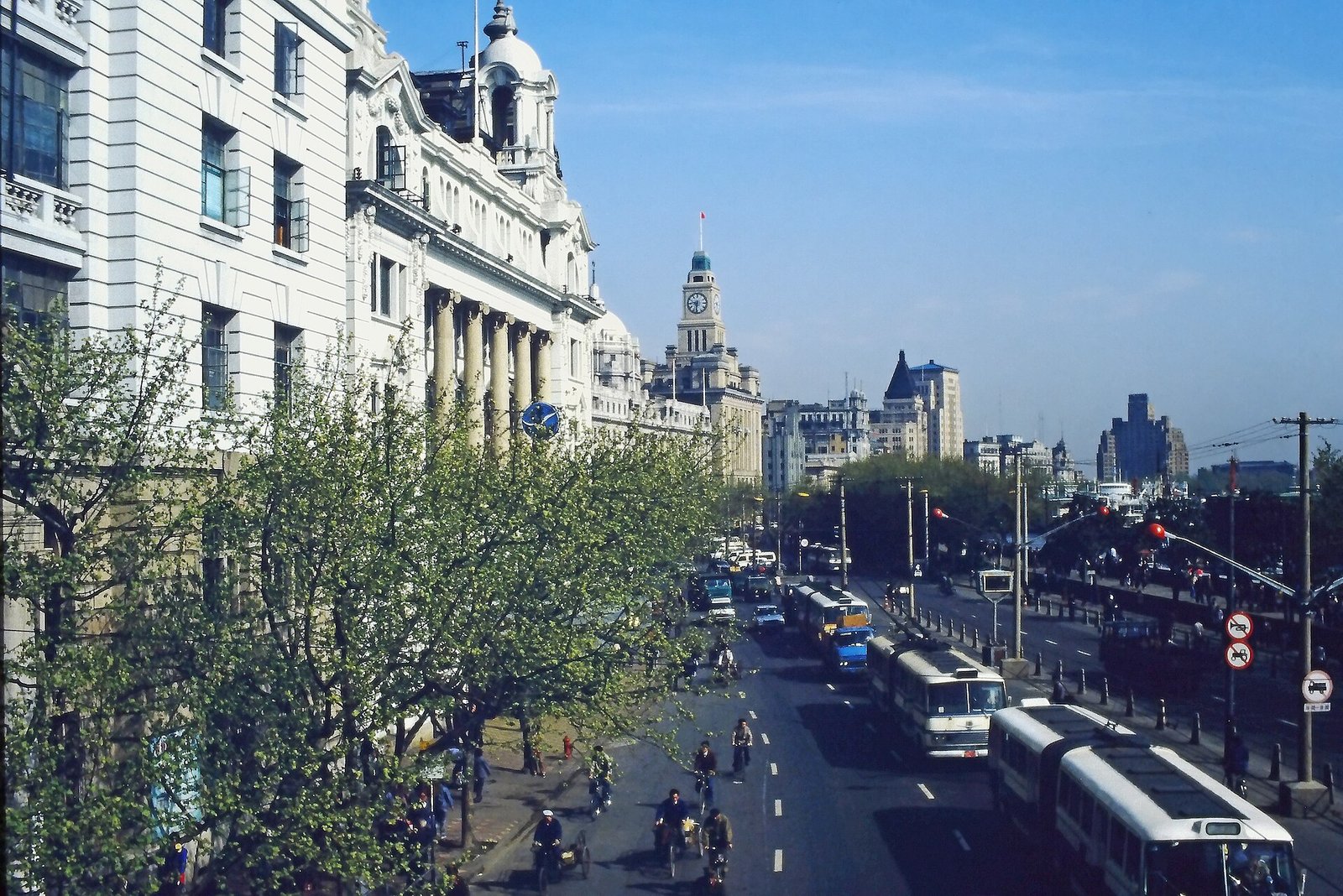
The Bund is the obvious first stop and it earns it. Stand on the west bank of the Huangpu River and you get the row of 1920s bank buildings behind you and the needle-thin towers of Lujiazui across the water. Walk east across the pedestrian underpass or take the ¥2 ferry from the Bund pier to reach the Pudong side without paying for the tourist “Amazing Tunnel” ride, which charges around ¥60 to drive you through a neon corridor.
The ferry runs roughly every ten minutes until around 10pm and is the best value in the city. From the Pudong side, the riverside walk (Binjiang Dadao) gives you the same skyline for free, plus room to breathe. If you want to go up a tower, the Shanghai Tower observation deck is the highest, but the Jin Mao or Pearl Tower queues move faster and all three sit within a five-minute walk of Lujiazui metro. Book the deck ticket online; same-day windows sell out on clear weekends, and the lift queues at the Pearl Tower can run forty minutes.
Walk the French Concession slowly
North-west of the centre, the former French Concession is where I tell people to spend a whole afternoon with no plan. The plane trees form a canopy over Wukang Road, and the low villas now hold coffee shops, tailor studios and small museums. It is the calmest part of the city and the easiest to overextend, because every lane looks like the last.
Come here on a weekday morning if you can. Saturday afternoons the main streets are shoulder-to-shoulder. The nearby Xintiandi has been polished into a shopping set-piece; pretty, but I would rather wander the unfenced lanes of Tianzifang, even with the crowds, because the old shikumen housing is still lived in. For a quieter walk, the stretch between Ferguson Lane and the former site of the Propaganda Poster Art Centre rewards patience, and the centre itself is a small, air-conditioned break from the humidity.
Where should I eat in Shanghai beyond the famous snack streets?
Away from them. The Confucius Temple snack row is fine for a stroll but the prices double for tourists and the queues move slowly in the heat, so chase the breakfast worth having, shengjianbao, from a corner shop near any residential block rather than a branded chain. For dinner, the local take on Sichuan and Hunan cooking is excellent and a useful contrast to the mild Shanghainese style, and a bowl of crab-roe noodles in autumn, roughly October to November, is the one seasonal dish worth planning a trip around. The old town around Yu Garden is where many snacks started and earns a half-day, even if the garden queue puts you off. Our Shanghai food guide maps the better counters.
Eat across the city, not in one food street
Shanghai food is sweeter and gentler than the rest of China, and the best of it is not in a single famous street. My first mistake was treating the Confucius Temple snack row as the whole story; it is fine for a stroll but the prices double for tourists, and the queues move slowly in the heat.
The breakfast worth chasing is shengjianbao — pan-fried buns with a crisp base — from a corner shop near any residential block, not a branded chain. For dinner, the local take on Sichuan and Hunan cooking is excellent and a useful contrast to the mild Shanghainese style; if you want the source of that heat, all about changsha explains where the chillies really come from. A bowl of crab-roe noodles in autumn (roughly October to November) is the one seasonal dish I plan trips around. The old town around Yu Garden is where many of these snacks started, and it is worth a half-day even if the garden queue puts you off.
Which Shanghai neighbourhood is best to stay in?
It depends on the trip, and the prices below are decent mid-range doubles in shoulder season. The Bund and Peoples Square suit first-timers who want to walk everywhere, at 700 to 1,100 yuan; Jing’an offers shopping and restaurants with fewer crowds at 550 to 900; the French Concession is for slow walks, cafés and nightlife at 600 to 1,000; and Pudong’s Lujiazui gives tower views for 800 to 1,300. For a second visit I would pick Jing’an or the Concession over the Bund and save the money, because both still reach the river in twenty minutes by metro. Book near an interchange rather than a single-line station to cut changes and the summer walking.
Where to stay: a quick comparison
I have tried three areas and they suit different trips. Prices below are for a decent mid-range double in shoulder season and move a lot during holidays, so treat them as a guide and confirm before booking.
| Area | Best for | Typical double (RMB) | Nearest metro |
|---|---|---|---|
| The Bund / Peoples Square | First-timers, walk-to-everything | 700–1,100 | Lines 1, 2, 8 |
| Jing’an | Shopping, restaurants, fewer crowds | 550–900 | Lines 2, 7, 12 |
| French Concession | Slow walks, cafés, nightlife | 600–1,000 | Lines 1, 10, 12 |
| Pudong (Lujiazui) | Tower views, business trips | 800–1,300 | Lines 2, 4, 6 |
I would pick Jing’an or the Concession over the Bund for a second visit: you save money and still reach the river in twenty minutes. If your trip already covered Beijing, the change of pace here is the point, not another checklist of monuments. Book the hotel near a metro interchange rather than a single-line station; the interchange saves you a change on most journeys and the walking in summer humidity is no joke.
Getting around without the stress
The metro is clean, cheap and signed in English. A single ride is ¥3 to ¥9 depending on distance, and you tap in and out with a one-off public transport card or any NFC phone wallet. Avoid the official taxi queue at the airport if you can; the DiDi app (China’s rideshare) is clearer on price and the driver’s location, though you will need a Chinese SIM or roaming data to use it.
The Maglev to Pudong airport is a fun ¥50 ride that hits 300 km/h, but it only saves time if your hotel is near Longyang Road. For most people the metro line 2 straight to the terminals is simpler. Buy a local SIM at the airport kiosk on arrival; the register process needs your passport, and it takes ten minutes you will be glad to spend before the queues build.
What payment apps do I need before arriving in Shanghai?
Alipay and WeChat Pay, set up on an international card before you fly, because most small shops and stalls no longer keep much cash and the awkward moment at a dumpling counter is easy to avoid. For maps, Google is unreliable on the mainland, so download Amap or Baidu Maps and pin your hotel in Chinese characters for any driver. A working VPN is worth installing at home, since many Western apps and sites are blocked once you land and the app stores themselves can be slow; test it once before departure. Finally, buy a local SIM at the airport kiosk on arrival, a ten-minute job that needs your passport and saves you from the queues building later.
Money, maps and staying connected
Two practical things trip up first-timers more than the language. The first is payment: most small shops and stalls take Alipay or WeChat Pay and many no longer keep much cash. Setting up either app with an international card before you fly avoids the awkward moment at a dumpling counter. The second is maps: Google Maps is unreliable on the mainland, so download Amap (Gaode) or Baidu Maps, both of which work, and pin your hotel in Chinese characters so a driver can read the screen.
A VPN that works in China is worth installing before departure, because many Western apps and sites are blocked once you land. Don’t rely on the hotel Wi-Fi to set one up; the app stores themselves can be slow. Sort this at home and test it once, and the rest of the trip runs on your phone without drama.
Day trips and what I’d skip
Suzhou and Hangzhou are the classic escapes and both sit under an hour by high-speed train. Hangzhou’s West Lake is lovely in the mist of early morning; Suzhou’s gardens reward a slow half-day. I would skip the packaged bus tours that leave at 7am and return at 7pm exhausted — take the train yourself and you control the clock.
If your plans run north, Chengde Travel Guide covers the easier imperial summer-palace trip out of Beijing, and makes a calm half-day when the Wall has worn you out.
For a longer China route, the lazy teahouse rhythm of a proper take on chengdu is the opposite of Shanghai’s hustle, and explains why people lose whole afternoons there.
I wouldn’t fly all the way to Changchun just for a stopover, but if your route already covers the north-east it makes a worthwhile cold-season stop, with ice festivals that the south never sees.
Down south, everything you need to know about chongqing has the transport tips for that city’s vertical streets, which are a world away from Shanghai’s flat grid and its orderly blocks.
Frequently Asked Questions
When is the best time to visit Shanghai? March to May and September to November are the comfortable windows. Summer (July–August) is hot and sticky, with temperatures around 35°C and high humidity, and winter is damp and grey rather than snowy. Avoid the first week of October (National Day) when domestic travel peaks and the Bund gets crushingly busy.
Do I need to book attractions in advance? The Bund is free and open all hours, but the Shanghai Museum, the tower decks and Yu Garden use timed or booked entry. Yu Garden is around ¥40 and sells out on weekends, so buy online before you go. The museum is free but needs a reservation through its site, and the slots open a few days ahead.
Is the metro easy for first-time visitors? Yes. Signage is bilingual, staff at the help desk usually speak some English, and fares are low. As Wikipedia notes, the city’s built-up area is one of the largest on earth, so you will only ever see a slice — and the metro is how you reach that slice without traffic.
How many days does Shanghai need? Three full days covers the Bund, the Concession, one old-town visit and a day trip. Add a fourth if you want to actually sit in cafés rather than rush between them. A fifth day lets you add Suzhou or Hangzhou without feeling rushed.
Is Shanghai expensive compared with the rest of China? More than inland cities, less than Hong Kong or Tokyo. A good meal runs ¥40–80, metro rides are under ¥10, and mid-range hotels start around ¥550. The big costs are the tower decks and any organised tour, both of which you can skip.
Can I get by with English? In hotels, major sights and the metro, yes. Small restaurants and taxi drivers off the main roads often speak none, so having your destination written in Chinese characters on your phone saves arguments, and a translation app covers the rest.