Mount Qingcheng Guide: Tickets, Routes and What to Expect
Sixty-eight kilometres from Chengdu, one cable car, two separately ticketed areas, and a summit of roughly 1,300 metres. Those are the figures I wish I had understood before my first visit, because they explain why Mount Qingcheng surprises people. The mountain is not high by Chinese standards, and it is not a single mountain at all: the front side is a compact Taoist sanctuary, the back side a long valley walk, and the two deliver quite different days under the same name.
I have walked the front side twice and the back once. What follows is the practical version of that experience — which route to choose, what the tickets cover, and where the stairs start to bite.
Front mountain or back mountain?
This is the decision that matters, and most first-timers make it by accident. The front mountain (qian shan) is the historic core: temples, a cable car, a small lake with boats, and a steady climb through trees to the upper palaces. The back mountain (hou shan) is a longer, greener walk with fewer buildings and more stream-bed scenery. You can see the attractions people photograph on the front in half a day. The back takes most of a day and a good pair of knees.
| Front mountain | Back mountain | |
|---|---|---|
| Time I allowed | 4–5 hours return | 6–7 hours |
| What you see | Taoist temples, cable car, summit pavilion | Valleys, streams, forest, small temples |
| Effort | Steady steps, optional cable car | Long climb, fewer facilities |
| Best for | First visit, limited time, temple interest | Repeat visit, hikers, quiet |
| Cost | Higher: entry plus cable car and boat | Lower entry, bring your own food |
My advice is blunt: if this is your only day, take the front mountain. You go home having seen what the place is famous for. The back mountain is a reward for a second visit, or for travellers who would rather walk for hours than look at a temple.
The route on the front mountain, step by step
Start at the foot near Jianfu Palace, where the ticket gate sits among trees. The first stretch is a gentle introduction, with a paved path and the occasional stall selling tea and peanuts. By the time you reach the cable-car station the path has tilted upward, and the decision arrives: ride or walk. I walked up on the first visit and rode up on the second. The walk takes about an hour longer but passes the smaller shrines that the cable car skips, and the noise of the road falls away quickly.
The middle section is the heart of the mountain. Tianshi Cave, named for the Taoist master Zhang Daoling, is the important temple complex, and the climb around it is where most people stop to catch their breath. As Wikipedia notes, the mountain is closely associated with Zhang Daoling, the second-century founder of the Celestial Masters tradition, and was inscribed on the UNESCO World Heritage List together with the Dujiangyan irrigation system. It is a modest place in size and a considerable one in history.
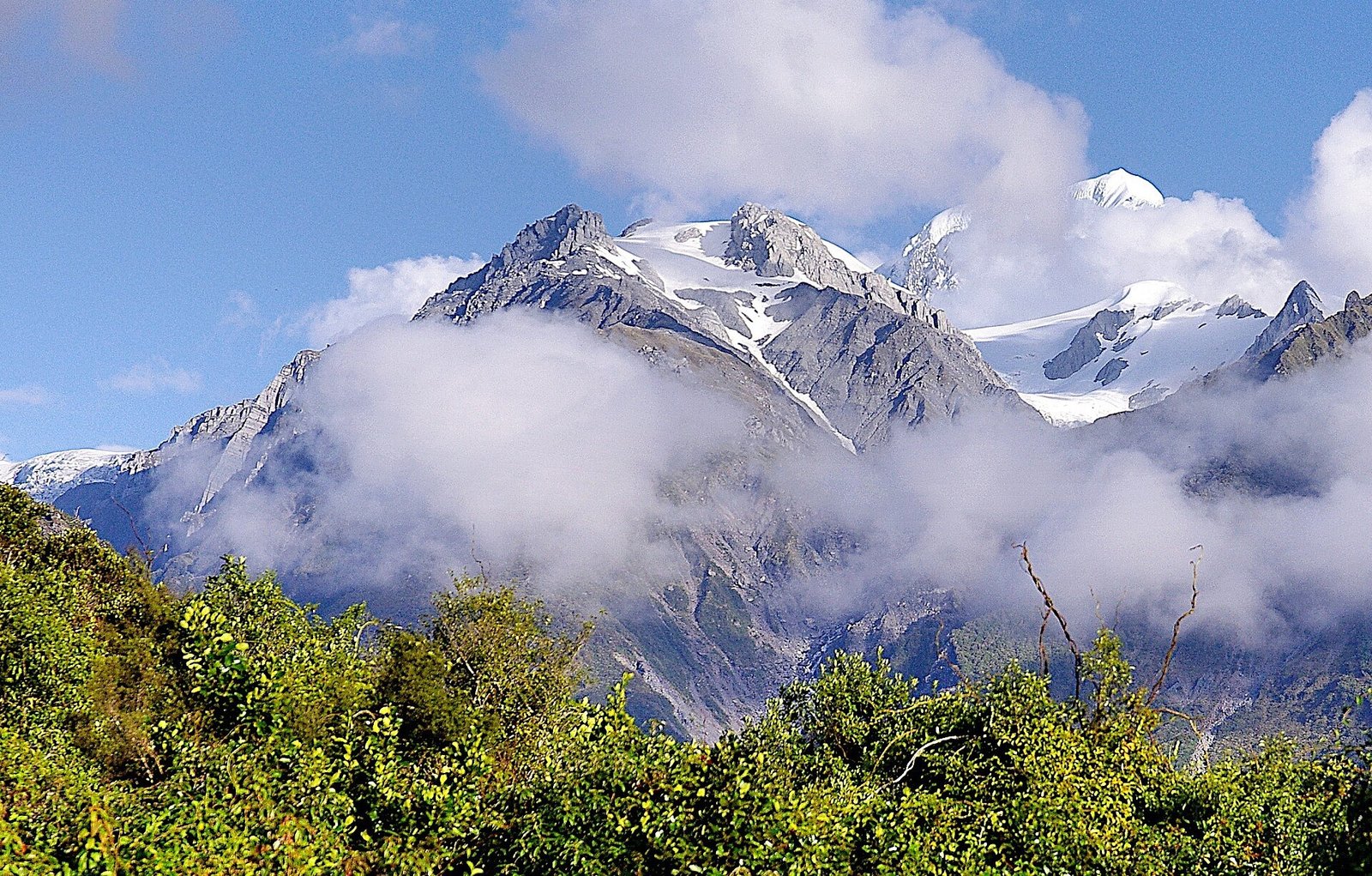
Above the cave the steps continue to Shangqing Palace and the summit pavilion. The views are wooded rather than panoramic — this mountain is about green, not exposed rock. If you have climbed Mount Hua, the staircases here will feel friendly; if you have not, they still deserve respect, especially when wet. Allow three to four hours from the gate to the top and back on foot, or two and a half using the cable car one way.
The back mountain, if you keep walking
The back mountain begins beyond the same town but feels like a different place. The path follows a valley past small waterfalls, a suspension bridge and scattered temples, with the scenery doing most of the work. It is the quieter option in every sense, including the facilities: there are fewer shops and longer stretches between rests. I carried more food than I needed and was glad of it.
For anyone who wants temples rather than trees, Mount Song Guide is a better use of a day; it is a place where the buildings and their history carry the visit. The back mountain at Qingcheng is for walkers. all about mount lu is a fair comparison: both reward the person happy to cover distance under a tree canopy, and neither is at its best in a hurry. Start early, carry water, and accept that a taxi back to your hotel may be the best money you spend.
Tickets, transport and the real cost of the day
Mount Qingcheng sits in Dujiangyan, and almost everyone comes from Chengdu. The fastest route is the intercity train to Dujiangyan, then a taxi or local bus to the mountain; allow about ninety minutes door to gate. Direct buses from Chengdu take around two hours depending on traffic. I use the train because it avoids the worst of the city congestion, but check the current timetable before setting out, since services change.
Entry to the front mountain has historically been around RMB 80, with the back mountain considerably cheaper at roughly RMB 20, and the cable car and lake boat charged separately. Concessions exist for students and older visitors. These figures move, so check the official site before you go rather than treating mine as fixed. A day with the cable car and travel each way still costs far less than a comparable day in Europe, but the small add-ups catch people out.
Food on the mountain is simple and not cheap by local standards. Carry water and a snack. A hot meal at the mid-mountain stops is fine, though I would not plan the day around it. There is no need to book a guide for the front mountain, though a local one can fill in the Taoist history that the signs only hint at.
When to go, and what to wear
March to May and September to November are the windows I would choose. Spring brings flowering trees and comfortable temperatures on the steps; autumn brings clear light and a sense that the whole valley is holding its breath. Summer is humid and rainy, and wet stone makes the staircases genuinely slippery — I watched a visitor go down hard in July. Winter is quiet and sometimes cold enough to frost the roofs, with fewer facilities open.
Unlike Mount Changbai, where the useful season is short and the cold defines the trip, Qingcheng is a year-round mountain with bad-weather days. Check the forecast the night before and, if rain is likely, either take the cable car or spend the day at Dujiangyan instead. Wear shoes with grip rather than fashion trainers, and take a light raincoat that fits in a daypack. The altitude is modest, so sickness is not a concern, but the constant up and down will make themselves felt the next morning.
How it compares with China’s other great mountains
China’s mountains are a crowded field, and Qingcheng wins on character rather than height. It is a Taoist mountain with a distinct personality: green, wooded, and tied to the irrigation system below it. Here is how it stacks up against names you may also be considering:
| Mountain | What it does better | When I would choose it |
|---|---|---|
| a proper take on mount tai | Imperial history and huge cultural weight | First-timers wanting a famous name |
| everything you need to know about mount wuyi | Tea, river gorges and gentler walks | Travellers preferring scenery to temples |
| Mount Qingcheng | Taoist temples and access from Chengdu | A day or two out of Sichuan’s capital |
The distinction matters because these are not interchangeable. Mount Tai is a pilgrimage with an imperial past; Mount Wuyi is about tea and river gorges. Qingcheng is smaller, close to a big city, and easy to fit into a week that also includes pandas and hotpot. That is its real advantage: you can be on a Taoist mountain by lunchtime after a morning in Chengdu.
I would not rank these mountains for you. I would say that if you want one mountain in Sichuan, and want it to mean something beyond a view, Qingcheng is the sensible answer, especially paired with Dujiangyan.
Frequently Asked Questions
Can I do Mount Qingcheng as a day trip from Chengdu? Yes. The intercity train plus a taxi gets you to the gate in about ninety minutes; a direct bus takes nearer two hours. Start early, because the last descent and the return transport are what catch people out.
Which is better, the front or the back mountain? The front for a first visit: it has the Taoist temples, the cable car and the summit pavilion. The back is a long valley walk with fewer facilities, better suited to hikers or a second day.
Do I need the cable car? No, but it saves an hour and a fair number of steps. In holiday periods the queue for it can undo the time saved. If the weather is dry and you have the knees, walk up and ride down.
How much should I budget? Roughly RMB 80 for front-mountain entry, RMB 20 for the back, plus separate charges for the cable car and boat. Prices and concessions change, so check the official site before you go.
Is it suitable for children or older visitors? The front mountain is manageable with the cable car, though there are still steps near the top. The back mountain is a serious walk and I would not recommend it to anyone with limited mobility.
What about earthquake damage? The 2008 quake affected buildings across the area, but the main temples and paths have been repaired and the mountain is fully open. Check the official site for any current closures before travelling.