China’s UNESCO World Heritage Sites Worth the Trip
The first time I stood inside the Forbidden City I had budgeted ninety minutes. Four hours later I was still wandering the inner courts, and the security guard was politely suggesting I leave. China now has more than fifty UNESCO World Heritage Sites, and on that first trip I tried to tick off as many as possible. I don’t recommend it. A heritage site is not a box to tick; it is a place that takes a morning, or a whole day, and sometimes a second visit. This article is the shortlist I wish someone had handed me: the sites that are actually worth reshaping a trip around, with the prices and seasons I learned the hard way.
Why I stopped chasing the full list
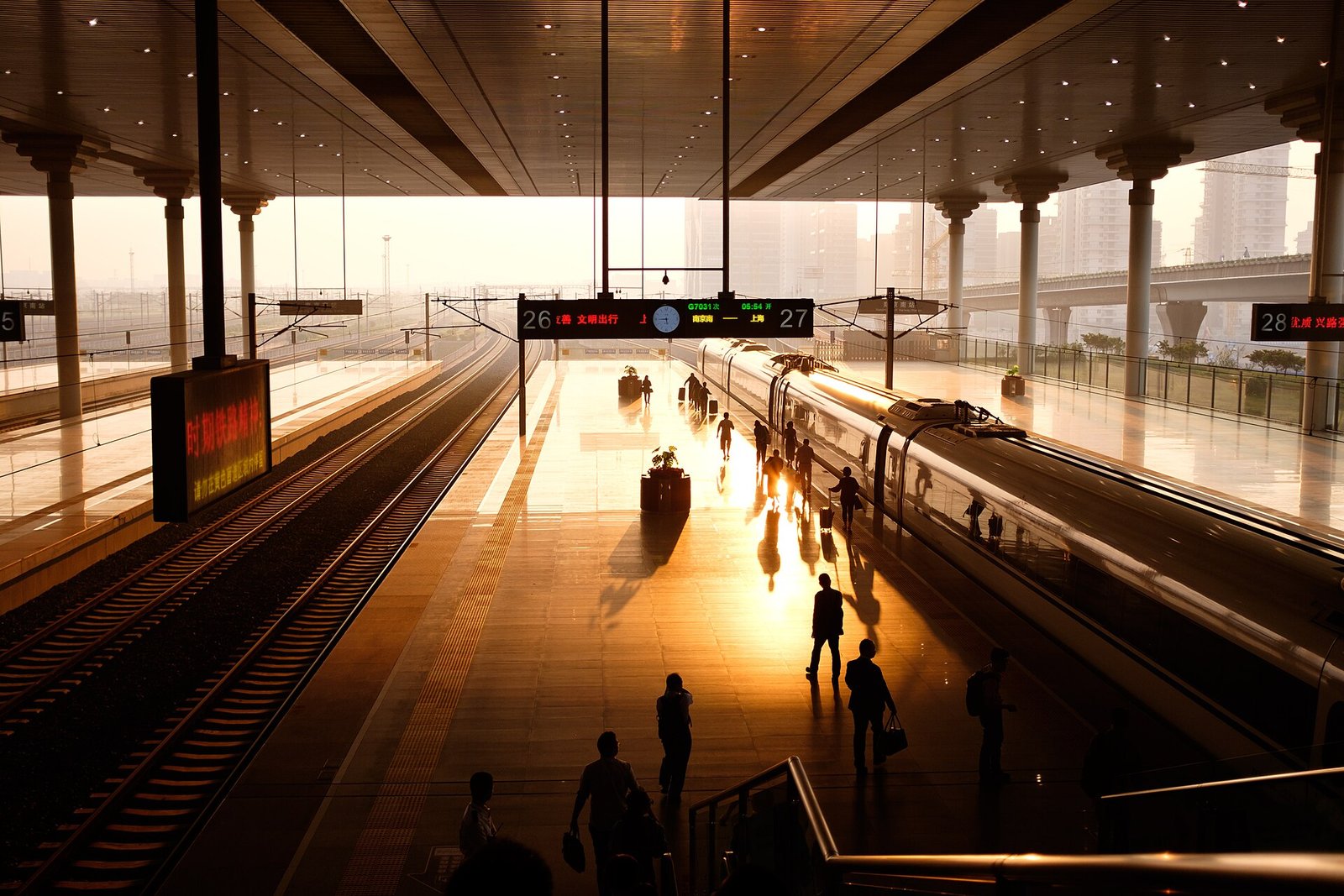
When I planned my second trip I used the Best Apps China Travel guide to map routes, and it saved me from my own worst habit. The map showed that two of the sites I’d queued were four hours apart by train, with nothing worth stopping for between them. Chasing the UNESCO logo meant spending the day on a platform instead of in a place.
The truth is that UNESCO lists sites for many reasons, and not every listing is a rewarding visitor experience. A fossil reserve is scientifically vital but dull to walk through. A section of ruined Great Wall is genuine but hard to reach. The sites below are the ones where the heritage status and the actual visit line up.
I’d rather you see six brilliant sites than sixteen faded ones. That keeps your trip light, your photos honest, and your feet intact. It also leaves room for the unplanned afternoon that turns out to be the best part of the holiday. The list is short on purpose.
The imperial capitals: Beijing and Xi’an
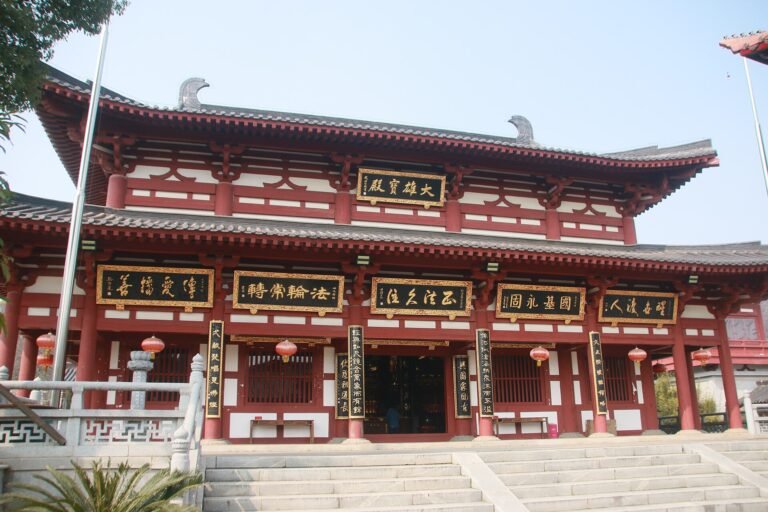
Beijing is where most travellers meet China’s heritage first. The Forbidden City charges RMB 60 in the low season and RMB 80 in peak (April to October), and it opens at 8.30. I went in February, queued at 8.00, and still shared the Meridian Gate with a few hundred people. Go in January or February if you can stand the cold; the crowds thin and the light is clean. The Temple of Heaven, a short taxi ride south, is RMB 15 to enter the park and RMB 34 for the through-ticket, and it is where I’d send anyone who found the Forbidden City overwhelming.
Xi’an is the other imperial anchor. The Terracotta Army sits about 40 kilometres east of the city, entry is RMB 120, and the pit halls are vast and echoing. I spent three hours and could have stayed longer. Pair it with the Best China Tour Companies options if you want a driver who handles the ticket queue, because the on-site line moves slower than you’d expect in high season, and the buses from the city centre take the better part of an hour each way.
Where I’d actually stay
In Beijing, the Book Hotels China guide points to the hutong guesthouses inside the second ring road. I paid around RMB 400 a night for a courtyard room within walking distance of the Lama Temple, and the morning walk past the breakfast carts was half the trip. In Xi’an, the Muslim Quarter hotels put you steps from both the city wall and the night food stalls, and the wall itself is a flat 14-kilometre cycle that costs RMB 45 to access.
Where the mountains are the monument
Some sites are not buildings at all. Huangshan, the Yellow Mountain in Anhui, is a cultural landscape where the “heritage” is the view itself: granite peaks above a sea of cloud. The cable car up costs roughly RMB 80 each way, and the summit hotels run RMB 800 to RMB 1,500 a night, which I thought was daylight robbery until I watched the sunrise from the ridge and changed my mind. The queue for the cable car at 5.00 in the morning is short; by 8.00 it snakes back down the hill.
Mount Wuyi in Fujian is the quieter choice. The nine-bend river raft (RMB 130) floats you past cliff tombs and tea terraces, and the rock tea grown on those slopes is the reason the place matters to connoisseurs. For all about best time to visit china, both mountains are best in April to May or late September to November, when the cloud sits low and the heat stays off. I climbed Huangshan once in August and once in October; the October trip was a different mountain.
The ones that surprised me
The sites that caught me off guard were the small ones. Hongcun, a Ming-era village in Anhui, is a living settlement where the water system still works exactly as it did four hundred years ago. Entry is RMB 104, and the early morning, before the tour buses arrive at 9.00, is the only time the lanes are properly yours. I arrived at 7.15, sat by the moon pond, and watched the village wake up without a single selfie stick in frame.
Hangzhou’s West Lake is free to walk and costs nothing to circle by bike, yet it carries UNESCO status as a cultural landscape. I cycled the 15-kilometre loop in an hour and a half and stopped a dozen times. The China 10 Day explained route pairs it neatly with Suzhou’s gardens, which are a different kind of heritage entirely: designed nature, not found nature, where every rock and window frame has been placed on purpose.
What surprised me about access
I travelled once with a friend who uses a wheelchair, and how china accessible travel is really done prepared me better than any official brochure. The Forbidden City has paved routes and loaner wheelchairs near the entrance; the mountain sites do not. Plan the imperial and canal stops if mobility is a concern, and treat Huangshan as a viewpoint from the cable car rather than a climb. The West Lake path is flat and smooth, which made it the easiest heritage stop of the whole trip.
Planning across a fortnight
Most visitors stitch heritage sites into a wider route. The table below is the comparison I wish I’d had before booking trains, and it is the one I now send to friends.
| Route style | Sites to prioritise | Days needed | Best season | Who it suits |
|---|---|---|---|---|
| 10-day highlights | Forbidden City, Terracotta Army, West Lake | 10 | Apr–May, Sep–Nov | First-timers |
| Two-week deep | Above + Huangshan, Hongcun, Wuyi | 14 | Apr–May, Oct | Repeat visitors |
| Low-effort week | Forbidden City, West Lake, Suzhou | 7 | Year-round | Families, seniors |
For everything you need to know about china 2 week, the deep route is the one I’d repeat. The highlights route is the one I’d give a friend on a tight schedule. Both assume you book the long train legs a week ahead, because the fast lines sell out on Friday evenings, and a missed connection can cost you a full heritage day.
As Wikipedia notes, the List of World Heritage Sites in China now runs to more than fifty entries, which is exactly why a shortlist beats a checklist when your time is finite.
Frequently Asked Questions
How many UNESCO sites can I realistically see in two weeks? Six to eight, if you cluster them by region and resist the urge to cross the whole country. Trying to add far-flung sites will cost you more train time than site time. The table above shows the cluster that worked for me without a single wasted travel day.
Do I need to book tickets in advance? For the Forbidden City, yes. Same-day tickets sell out in peak season, and online booking opens several days ahead. The Terracotta Army and the Huangshan cable car also benefit from advance purchase. Always check the official site before you go, because the booking windows shift and were different on each of my three visits.
Is the UNESCO ticket worth the price? Usually. Entry to the headline sites sits between RMB 60 and RMB 120, which is modest for a full day out. The expensive part is the summit hotels at Huangshan, not the gate fee. Budget those separately, or take the last cable car down and sleep in the town at the base for a tenth of the price.
When is the worst time to visit these sites? The first week of October, China’s National Day holiday, and the Spring Festival travel rush. Crowds at the Forbidden City can triple, and trains book out weeks ahead. Late May and early November were the calmest windows in my experience, with clear skies and short queues.
Can I combine heritage sites with food travel? Easily. Xi’an’s Muslim Quarter, Hangzhou’s lake fish, and Huizhou cuisine around Hongcun all sit beside the sites above. I ate better on the heritage route than on any other trip I’ve taken in the country, and the snacks between sites kept the walking bearable.
Are the sites signed in English? Partly. The headline sites have English panels and audio guides, but the smaller villages like Hongcun have little beyond Chinese signage. Download a decent translation app before you go, and you’ll get by without a guide for most of the route. The same tool that handled my maps also read every museum panel I pointed it at.