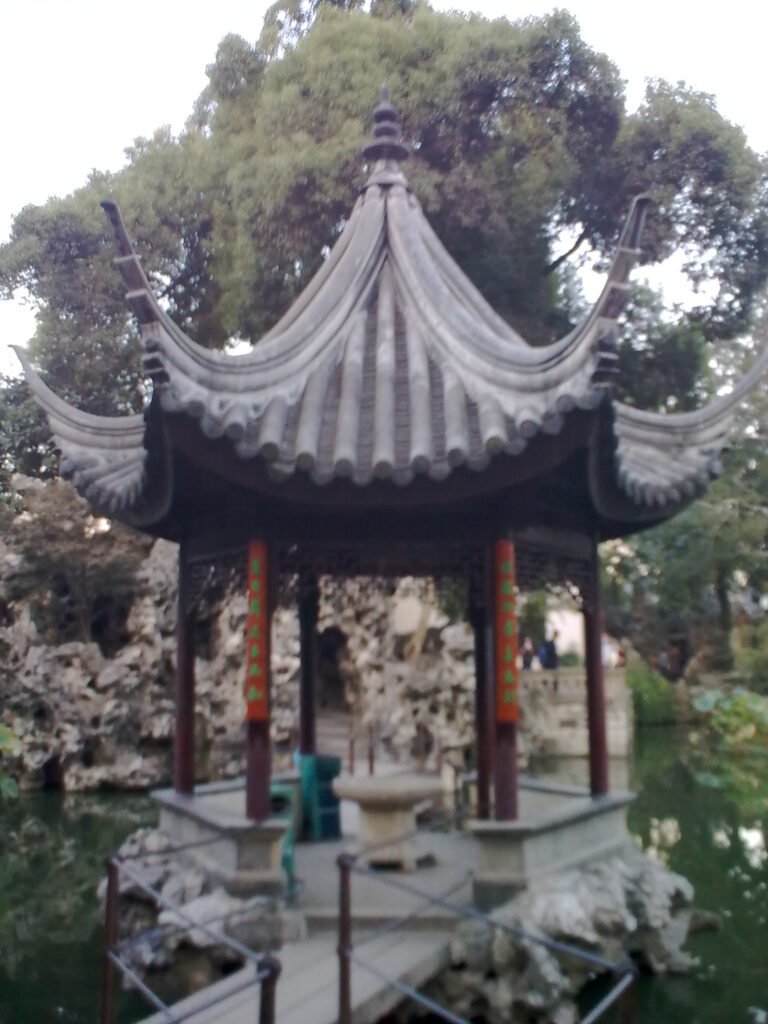
Why Macau Deserves More Than a Day Trip
The first time I went to Macau I made the classic mistake: a 09:40 ferry from Hong Kong, a whistle-stop past the Ruins of St Paul, one egg tart, and the 18:00 boat back. I ticked the box and understood almost nothing. What I had missed was the whole point of the place, which is that Macau, China rewards a slower clock than a day trip allows. The light changes, the food pace changes, and the crowds thin out once the coach tours leave.
Macau is a Special Administrative Region of China, and the legal tender you’ll actually spend is the pataca (MOP), though Hong Kong dollars are accepted almost everywhere at a slightly worse rate. The peninsula and the islands of Taipa and Coloane are linked by bridges and a clean, cheap public bus network; the Taipa line of the light rail opened in 2019 and now runs from the airport to the ferry terminal. If you are coming from the Chinese mainland, the Zhuhai border at Gongbei is walkable and the Hengqin port now handles a steady stream of visitors, but confirm current crossing rules on the official site before you travel.
Why a day trip undersells the place
The standard day-tripper route is a loop: ferry, Senado Square, Ruins of St Paul, Grand Lisboa for a photo, a Portuguese lunch, back on the boat. It is efficient and it is exhausting, and it mistakes the postcard for the city. What a day trip cannot give you is evening. After the tour buses leave around 17:00 the peninsula quiets down, the neighbourhoods around St Lazarus’ Church fill with locals walking dogs, and the taverns on Rua da Felicidade actually have room at a table.
There is also the question of accumulation. Macau’s layers — a Ming-era Chinese settlement, 400 years of Portuguese administration, and the modern casino economy — only read as a story if you let them sit together for more than eight hours. The same square that looks like a Lisbon export at noon looks like a southern Chinese market at dusk. I’d tell any friend to spend at least one night, and two if the budget stretches.
Where to base yourself
The peninsula suits first-timers who want to walk everywhere; Taipa suits people who like newer hotels and easier airport access. Coloane is the quiet end of the territory and best saved for a second visit. Prices swing hard with the weekend, so a midweek room near Senado can drop to roughly MOP 600–900, while the same bed on a Saturday climbs past MOP 1,400.
| Base | Best for | Walk to old centre | Typical midweek room |
|---|---|---|---|
| Peninsula (Sé / Senado) | First-timers, walkers | 5–15 minutes | MOP 600–1,000 |
| Taipa (near the racetrack) | Airport access, newer hotels | 20–30 minutes by bus | MOP 700–1,200 |
| Coloane | Quiet, hiking, beaches | 40 minutes by bus | MOP 800–1,300 |
If you have already worked through a Beijing itinerary and want a contrast, Macau is the antidote to monument-fatigue: here the history is sideways, in alleys and kitchens rather than gates and walls.
The food is the real attraction
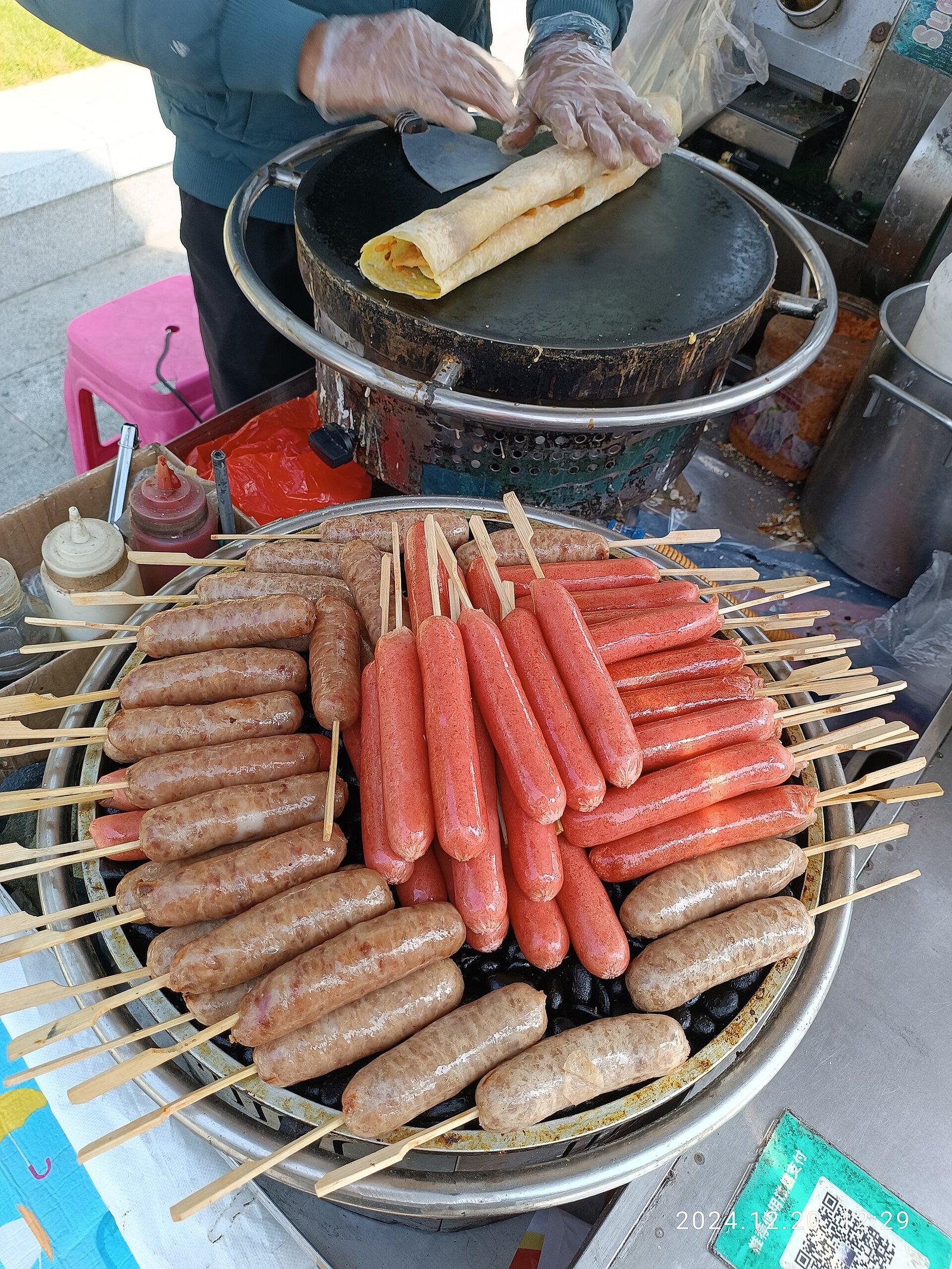
Macau’s kitchen is its own thing, not Portuguese and not Cantonese but a creole the locals call Macanese. The dish everyone names first is African chicken (galinha à Africana), a spatchcocked bird under a piri-piri-ish sauce, but the one I kept ordering was minchi: minced beef or pork with potato, soy and a fried egg on top, the sort of home dish no restaurant on the peninsula advertises loudly. A plate runs about MOP 60–90.
Egg tarts are the famous souvenir and the competition is genuine: the Lord Stow’s branch in Coloane still does a crisp, custardy version for MOP 10 each, while the Margaret’s queue on the peninsula moves slowly but sells out before 17:00 most days. For a fuller crawl, Taipa Village concentrates the good stuff — pork chop buns, almond biscuits, and the salty-serious crab congee stalls near the market. A traveller who has read Chengdu explained for its chilli logic will find Macau’s flavours gentler but no less deliberate.
Casinos: worth your time or a trap?
I’ll be honest: the casino floors are free to walk and occasionally spectacular, but they are designed to keep you inside and spending. The free shuttle buses from the ferry terminal are genuinely useful transport, not a trap, and the lobbies of the Venetian, the Parisian and the Galaxy are worth a look if you like engineered spectacle. The gaming floors themselves I’d give twenty minutes, not two hours.
What’s easy to miss is that the resorts bankroll the culture. The Macau Grand Prix Museum reopened in 2021 with a strong collection for about MOP 80, and the Morpheus hotel in Cotai is a piece of architecture worth seeing from the outside even if you never gamble a pataca. If you want a different read on Chinese cities built for spectacle, everything you need to know about chongqing covers a mainland cousin wired the same way.
Ferries, borders and the practical bits
The ferry from Hong Kong’s Sheung Wan to the Outer Harbour terminal takes about an hour and costs from HKD 170 one way; the faster TurboJET catamarans run more often and the later sailings are quieter. If you are already on the Chinese mainland, the Zhuhai side is simpler — cross at Gongbei on foot and grab a city bus (MOP 6) into the centre rather than a taxi that will start at MOP 60. The Hengqin port to the south is the newer crossing and useful if you are coming from Zhuhai’s western districts.
Money is straightforward once you accept the dual curency. Patacas for buses, small stalls and the older taverns; Hong Kong dollars nearly everywhere else at roughly 1:1 even though the real rate favours the pataca. I kept a stack of MOP 20 and MOP 50 notes and never needed an ATM mid-walk. Tipping is not expected anywhere, including the hotels and the nicer restaurants, which still surprises visitors from North America.
Free resort shuttles are the smartest transport hack in the territory. Every major Cotai property runs buses from the ferry terminal, so you can ride to the Venetian, walk through to the Parisian, and catch another shuttle back without spending a pataca on taxis. The public buses are clean and announce stops in Portuguese, Cantonese and Mandarin, which is helpful until you realise the Portuguese names mean little to most drivers.
A sensible two-day route
Day one on the peninsula: arrive late morning, lunch near Senado, climb to the Ruins of St Paul after 17:00, then dinner on Rua da Felicidade. Day two cross to Taipa: morning at the museum or the racetrack, afternoon in Taipa Village, late coffee in Coloane before the ferry. That pace leaves room for the thing day-trippers never get — sitting still.
If your wider trip includes the north, pairing Macau with Chengde Travel Guide makes an odd but rewarding contrast: one a former imperial summer retreat, the other a former trading port, both about how China absorbed outside influence. And for travellers building a longer southern swing, all about changsha sits a few hundred kilometres north by high-speed rail and shares Macau’s appetite for late-night eating.
When to go and what it costs
Autumn (October to December) is the comfortable season: humidity drops and the Macau Grand Prix fills the streets in mid-November. Spring is pleasant too, while summer is hot, wet and packed with mainland holiday crowds. Winter is mild by northern standards — a Changchun visitor would find it balmy — but it can be grey.
Daily costs for a careful traveller run roughly MOP 500–800 including a modest room, street food and buses; a resort dinner and a show push that past MOP 1,500. As Wikipedia notes, the territory has one of the highest population densities on earth, which is why the good cheap eats hide in markets rather than on the casino boulevards. Its history as a Portuguese trading post spans more than four centuries, which explains why the food and the stonework feel unlike anywhere else in the region.
Frequently Asked Questions
Do I need a visa for Macau? Most visitors get visa-free or visa-on-arrival entry for short stays, but the rules depend on your passport and they change. Check the official immigration site before you book, and remember that a mainland Chinese visa does not automatically cover Macau.
Can I use RMB or do I need patacas? Hong Kong dollars work almost everywhere and RMB is accepted in many shops at a poor rate. I’d carry some MOP for small stalls, buses and the older taverns where change matters.
Is Macau safe at night? It is one of the safer places I’ve walked after dark in Asia; the tourist core is well lit and busy until late. Standard caution about your wallet in crowds still applies.
How do I get from the Chinese mainland? The Zhuhai Gongbei border is the main land crossing and is walkable; the Hengqin port also handles crossings. Crossing formalities follow current policy, so confirm on the official channel before travel.
Is two days enough? Two full days cover the peninsula and Taipa comfortably. Three lets you add Coloane’s hiking and beaches without rushing the food.
What should I skip? Skip the package day-tour bus if you can; it locks you to the noon crowds. Skip the gaming floors if gambling isn’t your interest — the lobbies are free and the tables are not.
For a slower, greener Chinese stop after the casinos, how dali is really done and my notes on dalian both offer a very different pace, and either works as the next leg of a longer southern or coastal route.