Dali: A Route Through Its Best Streets and Sights
The ferry pushed off from the eastern shore at six, and the only other people awake were a woman laying out nets and a dog that had decided the dock was its territory. Erhai Lake was flat enough to mirror the Cangshan range, and for a moment the town behind me — the one with the tour buses and the loud speakers — simply disappeared. That’s the trick with Dali. The cliché version is real, but it sits on top of a quieter place that you reach by walking twenty minutes in the right direction. I’ve now spent the better part of two winters here, and the route below is the one I’d hand a friend.
Starting in Dali Old Town
Most people arrive at the new town station and funnel straight into the old town’s main drag, Renmin Road. It’s fine, and it’s where the hostels and the better coffee cluster, but it’s also where the Instagram version of Dali lives. I’d begin one street over, on Fuxing Road, and walk the grid slowly. The old town is a square of Ming- and Qing-era walls, largely rebuilt, but the street life inside is genuine: marble workshops, herb sellers, and grandmothers playing cards in doorways.
The foreigner street (Yangren Jie) gets a bad reputation from travellers who’ve outgrown it, but I still stop for the bakeries and the notice boards covered in ride-share and homestay notes. It’s the social spine of the backpacker scene. The slower, remote-worker vibe that defines modern Dali is strongest in the cafés just north of the centre, where people type for hours and the wifi actually works. For background on the province’s other slow-base options, the Wikipedia page on Dali is where I started before my first trip.
If you want a contrast in how Chinese towns preserve their past, my notes on datong describe a walled city approached with far more reconstruction; Dali keeps its daily life intact even as it markets itself.
Climbing Toward the Cangshan Mountains
The Cangshan range forms the western wall of the valley, nineteen peaks running north to south, each with a stream cutting down to the lake. You don’t need to be a mountaineer. A cable car runs partway up, and from there a string of formed paths follows the ridge with views back over Erhai that justify the ticket. On clear mornings the lake is a silver comma; on cloudy days the peaks simply vanish into grey, which is its own kind of drama.
I walked a section of the ridge trail and regretted not bringing a layer — the temperature drops fast above 2,500 metres even when the town is warm. Check the official site before you go for cable car hours and any trail closures after heavy rain, because landslides here are not theoretical. The monasteries tucked into the lower slopes are worth a detour if your legs allow.
The imperial logic of the north is captured in the Chengde Travel Guide, a summer retreat built for cool air; Cangshan is the local equivalent, a place the heat of the valley drives you toward rather than away from.
Cycling the Erhai Lake Shore
This is the activity I’d protect time for. The lake is about 40 kilometres top to bottom, and a paved path now runs much of the eastern shore, separate from the road. Rent an e-bike rather than a pedal bike unless you’re fit and unhurried; the wind off the water builds through the day and fights you on the return leg. I set off at seven, reached the mid-lake viewpoint by nine, and had the path almost to myself.
The eastern shore is the developed side, with new hotels and a string of photogenic piers, but the quieter stretches are between the villages. Stop at a fishing hamlet for a bowl of lake fish stew and you’ll eat more cheaply and better than anywhere in the old town. The contrast with the coastal energy of how dalian is really done is total: Dali’s lake is for slow loops and long lunches, not resorts.
Xizhou and the Bai Tie-Dye
Xizhou sits about 20 kilometres north of the old town and is my favourite half-day. It’s a preserved Bai market town with some of the finest old courtyard houses in the region, grey-tiled and white-walled, with carved stone gates you could photograph for an hour. The morning market is the draw: vegetables, cured pork, and the local rush-hour of farmers who’ve come in from the surrounding fields.
The Bai people’s tie-dye (zaran) is the craft to seek out. Small workshops still dip folded cloth in indigo vats, and a few let you try it. I bought a table runner with a pattern the woman said was hers alone, and I believe her. The Chengdu explained guide touches on Sichuan’s own textile traditions, but Bai indigo is its own lineage, softer and more geometric.
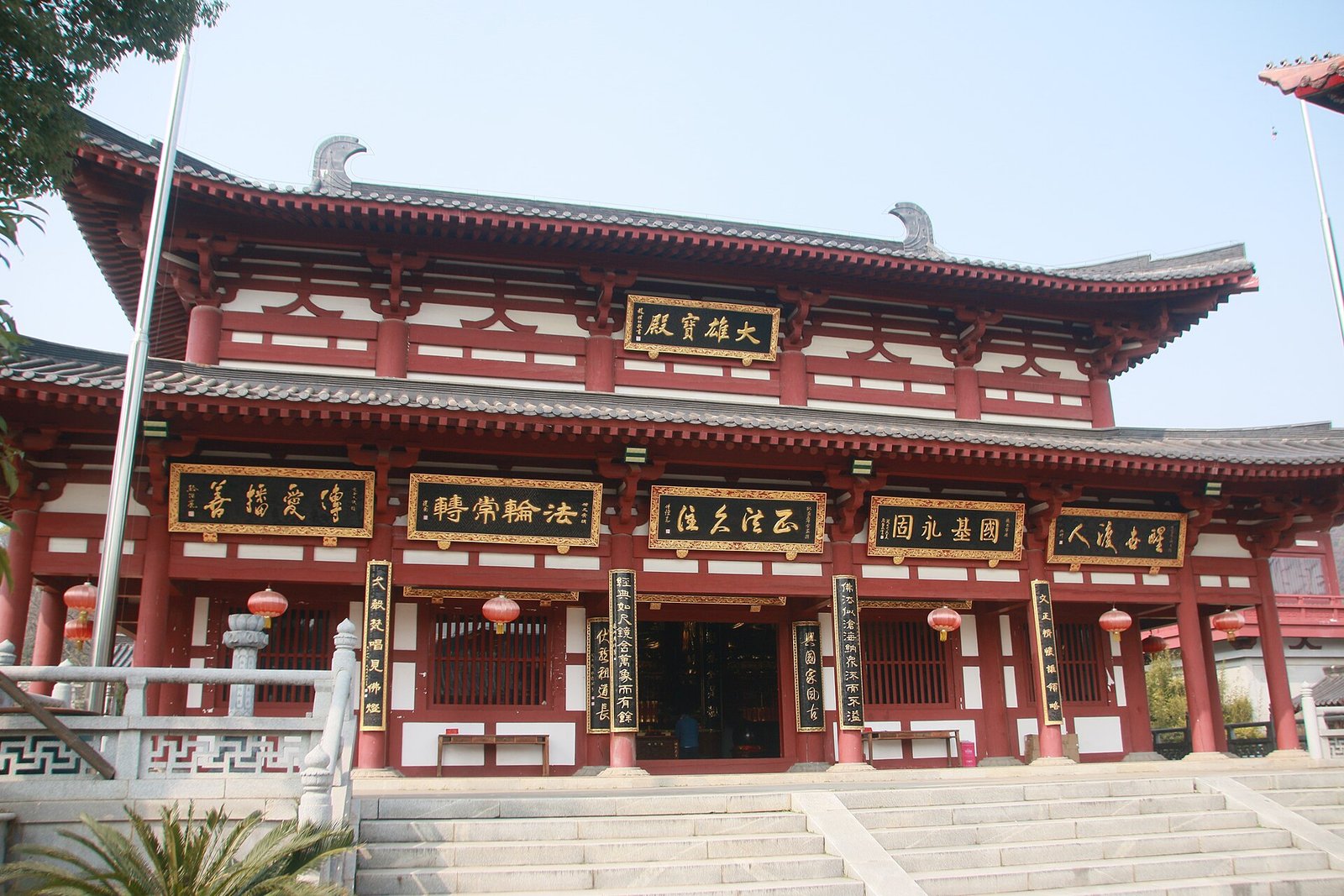
Xizhou also makes a good base if you’d rather skip the old town’s noise entirely. A handful of restored courtyards take guests, and the morning light on the empty streets is worth the early alarm. I stayed two nights and filled them without effort: a slow breakfast of rice cakes, a long walk to the lakeside fields, and an evening of listening to the wind move through the eaves. The town rewards nobody in a hurry, which is precisely the point of choosing it over the centre.
If you buy tie-dye, ask whether the cloth was vat-dyed or printed — the difference shows in how the indigo fades, and a real vat piece will soften with every wash rather than cracking. I left with a scarf I still wear, and the woman who made it remembered my name the following year, which tells you everything about the scale of the place.
The Three Pagodas and the Quieter Corners
The Three Pagodas (Chongsheng Temple) are the postcard image of Dali, and they earn it: three slender towers from the Nanzhao and Dali kingdoms, mirrored in a still pond, with the mountains behind. Go at opening time. The site is well kept and the crowd builds by mid-morning, but an hour gets you the photographs and the walk around the restored temple complex. Ticket prices vary by season, so check the official site before you go.
Past the pagodas, the western shore of Erhai is the side most day-trippers skip. It’s quieter, more village than venue, and the road winds through fields with the lake always on your left. I spent an afternoon there with no plan and no regret. The whole point of Dali, for me, is that the famous bits are good and the unfamous bits are better.
The food scene shares DNA with Kunming’s but leans local. The street-food confidence of all about changsha is louder, and everything you need to know about chongqing will tell you more about heat than Dali ever uses; here the cooking is mild, sour and built on lake fish and mountain herbs.
How to Get Around and How Long to Stay
Dali is well connected. The high-speed line from Kunming takes a few hours, and the train from Lijiang is shorter. Within the area, e-bikes and the local buses cover most needs, though the old town itself is best on foot. Plan three nights minimum: one for the town, one for the lake loop, one for Xizhou and the pagodas. A week lets the place settle.
| Transport | Best for | Rough cost | Notes |
|---|---|---|---|
| High-speed train | Arriving from Kunming or Lijiang | Moderate | Book ahead in peak season |
| E-bike rental | Lake loop and villages | Cheap per day | Charge before the wind picks up |
| Local bus | Xizhou and west shore | Very cheap | Slower, but scenic |
| Taxi / ride app | Late returns | Moderate | Scarce outside the old town at night |
The scale of Dali is gentler than the capital’s sprawl; even Beijing, for all its imperial weight, feels like a different species of city, and coming here after Changchun‘s winters is like changing planets.
Frequently Asked Questions
How many days do I need in Dali? Three nights is the floor: one for the old town, one for the Erhai loop, one for Xizhou and the Three Pagodas. A week lets the slower rhythm actually register, which is the whole point of coming.
Is cycling around Erhai Lake difficult? The eastern shore path is flat and paved, so it’s an easy ride on an e-bike. A pedal bike is fine if you’re fit, but the afternoon wind makes the return leg harder. Start early and carry water.
When is the best time to visit Dali? Spring and autumn are calmest, with clear views of Cangshan and comfortable cycling. Summer is green and wet; winter is dry and cool with very few crowds. Avoid the major holiday weeks if you can.
Is Xizhou worth the trip from the old town? Yes. It has the finest old Bai courtyard architecture in the area, a genuine morning market, and working tie-dye workshops. Give it a half-day, or stay overnight to catch the empty streets at dawn.
Can I visit the Three Pagodas without the crowds? Arrive at opening time and you’ll have the mirrored pond to yourself for the first hour. The site fills by mid-morning, so an early start is the only real strategy. Check the official site before you go for current ticket prices.
Is Dali a good base for remote work or a long stay? It has become one of Yunnan’s main slow-travel and remote-worker hubs, with reliable cafés, cheap long-stay rooms, and easy lake access. If you want a Chinese town to pause in rather than sprint through, it fits the brief.