The Datong Guide I Wish I’d Had Before I Went
Datong has 1,500-year-old caves, a temple bolted to a cliff, and a city wall rebuilt from almost nothing — and almost none of it shows up on a first-time China itinerary. I went expecting a gritty coal town and left with two of the most startling sights in northern China. The catch is that Datong is a collection of points spread across a wide map, and the mistakes I made were about distance and timing, not the sights themselves. Here is the briefing I wish I’d had.
If you’re building a northern loop, Beijing is the usual jumping-off point, and Datong sits a manageable high-speed ride to the west.
The numbers that surprised me
The Yungang Grottoes hold around 51,000 Buddhist statues carved into some 250 caves, started in the 5th century. The Hanging Temple (Xuankong Si) is roughly 1,500 years old and stands on wooden stilts driven into a cliff at Mount Heng. The city wall you’ll walk on today is mostly a reconstruction, but it follows the Ming footprint and is long enough to tire your legs. None of these three are in the same place — the grottoes are 16 kilometres west of the city, the temple is 60 kilometres south — so Datong is less a city visit than a hub for day trips.
That single fact reshaped my plan. I’d imagined strolling between sights; instead I hired a car for two days and treated the city as a base. The Changchun traveller used to long rail days will recognise the rhythm, but Datong’s distances are shorter and the rewards denser.
The reason Datong stays off the typical list is simple: it sat behind a reputation for coal and grit, and the headline sights are scattered rather than stacked like Beijing’s. That reputation is outdated — the city centre was overhauled this century — but the scattering remains, and it’s exactly why a little routing planning pays off more here than almost anywhere else in the north.

Getting to Datong (and the timing trap)
High-speed trains from Beijing to Datong South take around two hours, which makes a two-night stay very feasible. From the station, the city centre is a short ride away. The timing trap is internal: the grottoes and the Hanging Temple are in opposite directions, so trying to do both in one day by public bus is tight and stressful. I’d split them across two mornings, each starting early.
Local buses and organised shuttles exist, but a private car or Didi for the day costs little more and saves the wait. Whatever you do, confirm ticket prices and opening hours on the official site before you go — they shift, and I won’t quote a figure I can’t stand behind.
Datong South is a modern station a few kilometres south of the old town; build in twenty minutes and a Didi to reach your hotel. Most travellers approach from Beijing and treat Datong as a northern spur rather than a through-route, which is the right instinct — the sights are a cluster, not a corridor, and trying to bolt Datong onto a westbound rail plan usually costs more time than it saves.
Yungang Grottoes: go early or pay for it
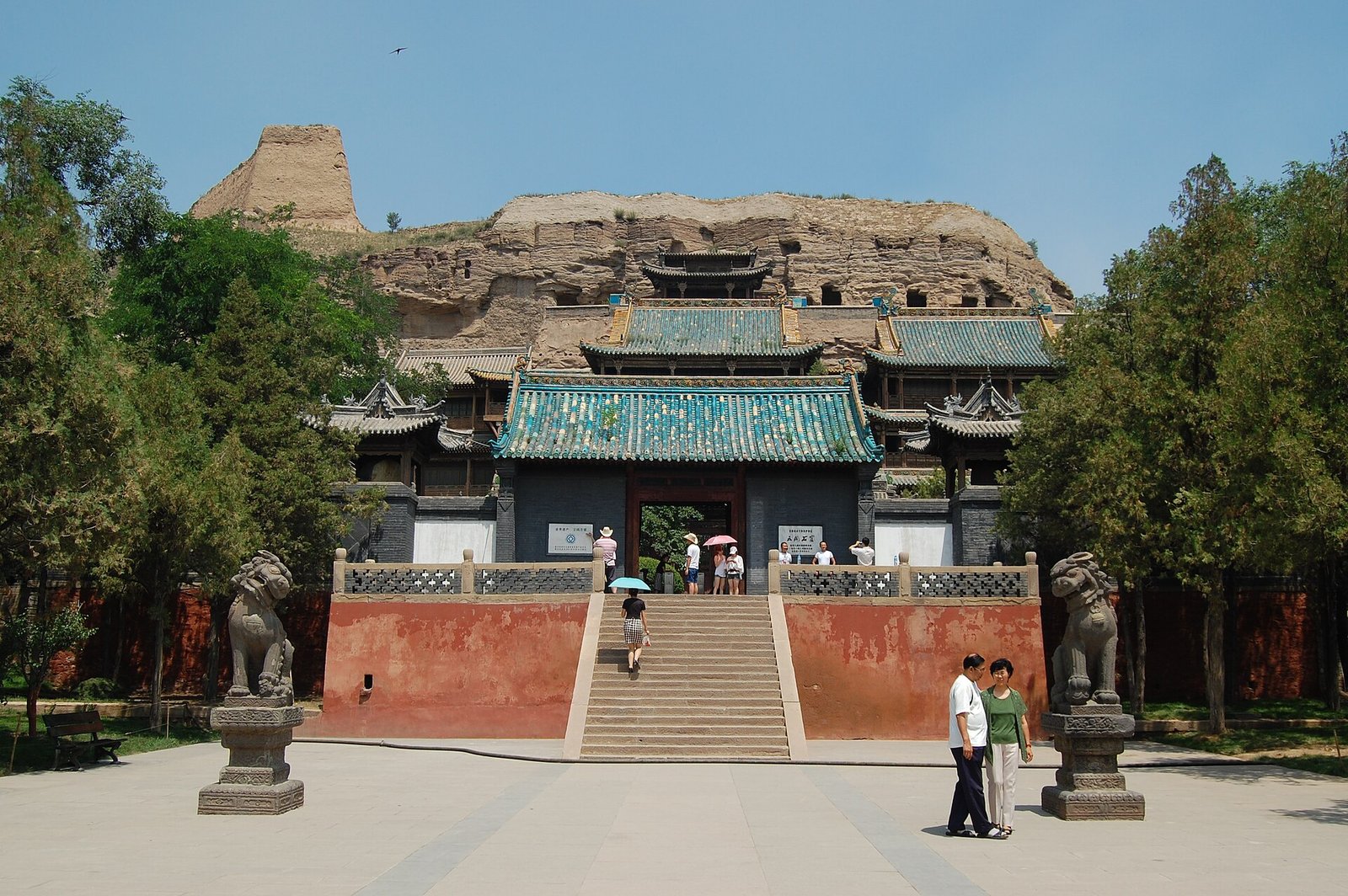
Arrive at opening, around 8am, and you’ll have the first caves nearly to yourself. The carved façades are extraordinary — full-height Buddhas with calm, almost smiling faces, backed by walls of smaller figures. Cave 20’s open-air giant is the postcard image, but the enclosed caves with painted ceilings are where I lingered. Give it three hours, not one.
By late morning the tour buses arrive and the narrow walkways clog. I made the mistake of a lazy 10am start on day one and spent more time dodging selfie sticks than looking up. The all about changsha crowd used to dense city crowds will cope, but the grottoes reward patience, not a packed schedule.
The on-site museum, just past the main cave cluster, holds smaller relocated carvings and explains the different dynastic hands at work — northern, central, and the later Tang additions — which helped me tell the periods apart. It’s air-conditioned, which in summer alone justifies the stop, and the models of how the cliff face originally looked are clearer than any panel at the caves themselves.
The Hanging Temple is further than you think
The Hanging Temple is the sight everyone names, and it earns it — a stack of crimson pavilions clinging to a vertical rock face, with a river running below. What the photos don’t show is the drive: 60 kilometres south, then a walk up to the entrance. The climb inside is narrow and one-way in places, and there’s an extra fee to actually walk the temple rather than view it from below. I paid it, and the vertiginous corridors were worth the surcharge.
Because it’s far, pair it with the nearby Hengshan mountain if you want a fuller day, or return to the city by early afternoon. The Chengde Travel Guide reader chasing imperial calm will find the Hanging Temple’s drama a useful contrast — same region, utterly different mood.
Inside the city: wall, temples, screen
Back in Datong itself, the rebuilt city wall is the easy win — walk or cycle a section at dusk when the gates are lit and the traffic hums below. Inside the wall, Huayan Monastery is a working Liao-dynasty temple complex with a towering wooden pagoda and a hall of fierce clay arhats. The Nine Dragon Screen, a 600-year-old glazed wall, is older and larger than Beijing’s better-known version, and it’s a five-minute stop that costs little.
I’d budget a relaxed half-day for the city sights, then eat early. Datong shuts down quieter than the coastal cities, and dinner at 9pm means slimmer choices.
Between the wall and Huayan, don’t miss Shanhua Temple, a quieter Liao complex with two grand halls and almost no visitors when I went. The Drum Tower at the city’s centre marks the old crossroads, and the streets radiating from it still follow the Ming grid. I rented a bike from the hotel and looped the wall’s base road — flat, traffic-light, and a good way to see how much of old Datong the reconstruction actually preserved. In the evening, walking the lit wall is the move: the gates glow and the modern city spreads behind them, a neat visual of old meeting new.
Food and the coal-town surprise
Datong’s food is northern and hearty: oat noodles (youmian kaolaolao), knife-cut noodles (dao xiao mian) with a vinegar-heavy topping, and lamb cooked plainly. The coal history hangs over the place — you’ll see the pitheads on the approach — but the centre has been cleaned up, and the air was clearer than I expected in late autumn.
My best bowl was knife-cut noodles at a counter near the wall, the cook flicking ribbons of dough straight into the broth with a curved blade — a technique worth watching. Order it with a tomato-and-egg topping if you want mild, or a chilli-oil one if you’ve changed your mind about spice. A bowl and a side of cold dressed kelp came to under ¥25, and the owner refused to let me over-order, which is rarer in China than the guidebooks admit.
The a proper take on chengdu visitor will find Datong’s food almost shy of spice; this is comfort food for cold weather, not a chilli contest. That’s the point of the north.
Datong versus the headline cities
| Factor | Datong | Beijing |
|---|---|---|
| Headline sight | Yungang Grottoes | Forbidden City |
| Best for | Cave art, cliff temples | Everything at once |
| Layout | Scattered day trips | Concentrated sights |
| Travel from Beijing | ~2 hrs high-speed | — |
| Crowds | Moderate, time-dependent | Heavy |
| Food | Oat noodles, lamb | Nationwide range |
As Wikipedia notes, Datong was a capital of the Northern Wei dynasty, which is why the grottoes exist at all — the rulers who commissioned them were based here before moving south. The everything you need to know about chongqing traveller used to river-city scale will find Datong intimate by comparison, and that intimacy is the charm.
Frequently Asked Questions
How many days do I need in Datong? Two nights lets you do the grottoes one morning and the Hanging Temple the next, with a half-day for the city wall and temples. One day is possible but rushed.
Can I do the grottoes and Hanging Temple on the same day? Yes, but only with a car and an early start, and you’ll sacrifice time at each. I’d split them. The distances are larger than they look on a map.
Is the Hanging Temple climb safe? It’s well maintained and one-way managed, but the walkways are narrow and high. If you dislike heights, view it from below — the extra climb fee may not be worth it for you.
When is the best time to visit? Late spring and autumn are ideal — cool and clear. Summer is mild but busier; winter is very cold, though the grottoes are dramatic in snow.
Do I need a guide at Yungang? Not strictly; signs explain the main caves. A guide adds depth on the carving dynasties, but the visuals carry themselves.
Is Datong worth it if I’m short on time? If your trip is Beijing-plus-one, Datong beats many closer options for sheer “I can’t believe this exists” value. It won’t replace the capital, but it complements a Beijing trip sharply.