How to Visit Yangtze River Cruise Without the Crowds
The second time I sailed the Yangtze I finally understood why my first trip had felt like a coach tour on water. I had booked the cheapest berth on the largest ship in the fleet, boarding in Chongqing with four hundred other passengers, and by the time we reached the first gorge the top deck was a scrum for the rail. On the return journey two years later I chose a vessel carrying fewer than two hundred, left a week after the school holidays ended, and spent a morning alone at the bow watching the cliffs fold past. The river was the same; the experience was not.
The Yangtze is the longest river in Asia, and the Yangtze entry on Wikipedia maps its course from the Tibetan plateau to the sea. What that map cannot show is how much the crowd around you changes the trip, and that is the variable worth controlling. This guide is built from the mistakes I made first and the choices that fixed them.
Choose a Smaller Ship
Size is the single biggest lever. The large international-style cruise ships on the Chongqing–Yichang route carry 300 to 600 passengers; the smaller domestic vessels carry 100 to 200. The difference is not just the number of bodies on the deck — it is the number of stops you can make. Big ships cannot fit into the narrower tributaries, so they sail past the small gorges and the quieter shore villages that I remember most clearly. When you read a brochure, look for the passenger count before the cabin photo; I now treat anything over 250 as a floating hotel rather than a river trip.
Do not be fooled by the word “luxury” either. A large ship with a swimming pool and a theatre still dumps three hundred people onto the same viewing point at the same hour, and the gorges do not get quieter because the carpet is thicker. The smaller vessels trade the entertainment for access: they berth at the little towns, they wait for the light, and the guide actually knows the name of the peak you are pointing at. On my smaller sailing the captain slowed for a heron rookery the big boats thunder past, and nobody minded the delay. That is the trip I would pay for again.
Upstream or Downstream
Most people sail downstream from Chongqing to Yichang, because it is the classic route and the dam is at the end. I have done both, and upstream — Yichang to Chongqing — was the calmer of the two. You climb the locks rather than descend them, the days are marginally cooler in summer, and the passenger mix tends to be more domestic and more relaxed. Downstream wins if you want to end in Chongqing’s food scene, but it is the busier direction and the one the big groups favour.
The sailing itself runs three nights and four days on most vessels, or four nights and five days on the slower ones. I would take the slower option every time; the extra day is spent in the gorges rather than in port, and that is the point of being there.
Cabins and Decks
You do not need a suite, but you do need a balcony. An inside cabin on a crowded ship means you only see the river through a window in the corridor, and the best light — the early mist over the water — happens before the lounges open. A balcony cabin on a smaller ship let me sit out at six in the morning with a thermos of tea while the larger boats were still docking. Mid-ship is steadier than fore or aft if you are prone to motion, though the Yangtze is a calm river and I never felt ill on either trip.
The Quiet-Season Trick
Timing matters more than ship size. The Yangtze peak runs from May to October, with the National Day week in early October the worst of all. I travelled in late March on one trip and late November on another, and both were thin on passengers and rich on atmosphere. Winter is cold on the open deck but the cabins are heated, the fares drop, and the gorges in low mist are the image most people actually have in their heads. Check the official site before you go for the current sailing schedule, because some smaller operators stop running in deep winter.
What You Actually See
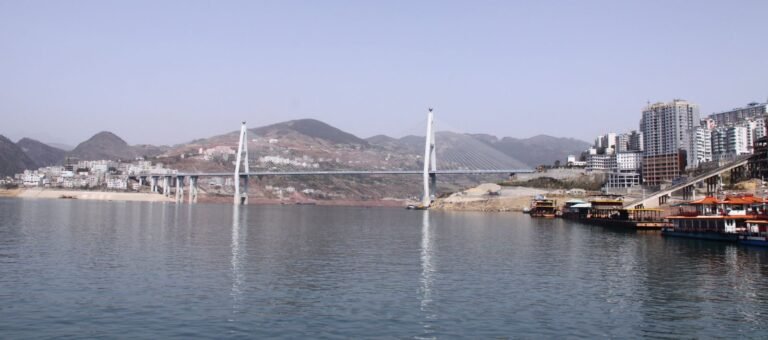
The headline sights are the three gorges — Qutang, Wu, and Xiling — and each has a different character. Qutang is the dramatic short one, walls rising almost vertically from the water; Wu is the long, misty stretch the poets wrote about; Xiling is the busy approach to the dam, where the ship locks and the lift do their work. Between them the small ships peel off into the Shennong Stream or the Goddess Stream, where you change to a hand-rowed boat and the only noise is the oars.
The side-stream excursions were the surprise highlight of my quieter trip. At Shennong the boatmen pole you up a green canyon barely wider than the skiff, past cliff tombs cut into the rock a thousand years ago, and the only sound is water against timber. The big ships cannot enter at all, so the crowd that was with you at breakfast simply is not there. I would plan the whole sailing around which tributaries a vessel visits, because that is where the “without the crowds” promise is actually kept. If a brochure lists only the three main gorges, you are on the busy route whether the cabin is plush or not.
If you have sailed the south instead, the Li River Cruise from Guilin gives you the same karma of limestone peaks on water, just on a tributary scale rather than a main artery.

Food, Money and Practicalities
Meals are included on the proper cruise vessels and are buffet-style with a spread of Sichuan and Huizhou dishes; the a la carte top-deck barbecue some ships offer is worth the small supplement. Bring a card or payment app for drinks and tips, and keep a little cash for the shore stops where the small stalls do not always take cards. Wi-Fi is weak once you are in the gorges, so download anything you want before you board — I finished a book I had meant to read for a year simply because the signal gave out.
Pack layers even in summer: the deck is warm at noon and cold at the seven-am sailing past the cliffs. Comfortable shoes matter for the shore excursions, which involve more stepping on and off small boats than the smooth boarding photos suggest. I also carried a small daypack for the side-stream rides, because you leave the ship and return to it wetter than you left, and a dry change of socks was the single most useful thing in my bag.
One more practical note: the deck chairs go early. On the smaller vessel I simply left a book on one at six-thirty and it was respected all morning; on the large ship the same trick failed within minutes. The culture of crowding is real, and a smaller passenger list is what lets courtesy survive. If you care about a quiet sunrise with a cup of tea and no elbows, the ship size decides that before you ever step aboard.
Combining With Other Stops
A Yangtze sailing almost always sits inside a bigger trip, and the surrounding landmarks make useful bookends.
Before or after the river, the Badaling Great Wall is the obvious northern counterweight — wall against water, defence against transport.
If your route bends through Beijing, all about beihai park is a calm half-day that balances the big sights.
In Xi’an, the Big Wild Goose Pagoda Guide sits a short ride from the city wall and pairs well with a river-free day.
For a modern skyline contrast, Canton Tower explained covers the Guangzhou viewpoint that shows China’s other relationship with water and height.
Families on the same circuit can read everything you need to know about chengdu panda base before detouring west.
And if Chongqing is your start or finish, how ciqikou is really done is the old riverside quarter to wander before you board.
Frequently Asked Questions
What is the best month for a quiet Yangtze cruise? Late March to April and November are my picks — mild weather, thin crowds, and good light. Avoid early October if you can.
Is upstream or downstream better? Upstream (Yichang to Chongqing) was calmer and less crowded on my trips, though downstream ends in better food. Both cover the same gorges.
How many nights should I book? Three nights and four days is the standard; four nights and five days gives you an extra day in the gorges, which I would choose.
Do I need a balcony cabin to avoid crowds? Not strictly, but it changes the trip. A balcony on a smaller ship lets you watch the river in private when the decks are busy.
Are shore excursions included? The main stops usually are; some smaller side-stream boat rides and the top-deck barbecue cost extra. Check the official site before you go for what your fare covers.
Will I get seasick? The Yangtze is calm and the ships are stable. I never felt ill, but mid-ship cabins are steadiest if you are unsure.