Erhai Lake: A Visitor’s Guide to Planning Your Trip
The mistake I made at Erhai was renting a bicycle at four in the afternoon. The lake is about 40 kilometres long, and I had pictured a gentle loop. What I got was a red-faced sprint back to Dali before the last bus, having seen maybe two kilometres of shoreline. If you remember nothing else, rent the bike before ten and pick one shore, not the whole ring.
Erhai is the large highland lake east of Dali Old Town, separated from it by a strip of farmland and a new road. As Wikipedia’s Erhai entry notes, it covers roughly 250 square kilometres and sits at about 1,972 metres, which makes the air thin enough that a long bike ride feels harder than the distance suggests. The Cangshan ridge throws its reflection across the water on still mornings, and that mirror is the postcard everyone comes for.
How the ring actually works
A paved road runs the full loop, but cars and coaches use it, so the better plan is the dedicated cycle path on the east side. That path runs from near Dali town north to Shuanglang and beyond, roughly 30 kilometres of flat, separated track. I rode the southern half in three hours with photo stops; the full northern run to the butterfly spring area is a solid day for a fit rider.
The eco-bus is the lazy option and a good one. It circles the lake with fixed stops at the villages, and a day pass costs far less than a taxi for the same route. Buses fill by mid-morning in peak season, so buy the pass the evening before or queue early. I took the bus north and biked back south, which split the effort and let me photograph both shores.
The villages, in order from the south
Start at Caicun, the closest landing to Dali town, where the fishing boats still go out before dawn. A short cruise from here runs 50 to 80 RMB and lasts under an hour; bargain at the jetty rather than through a hotel desk. The water near Caicun is shallow and weedy, good for birds, less good for swimming, which nobody does anyway.
Move north to Xizhou, a Bai market town with the best-preserved courtyard houses on the lake. The morning market peaks around eight and sells cheese, cured pork, and the pink xizhou ba ba pancake for a few RMB. I ate two and walked it off along the dike, which has a clear view back to the old town wall you cannot see from the water.
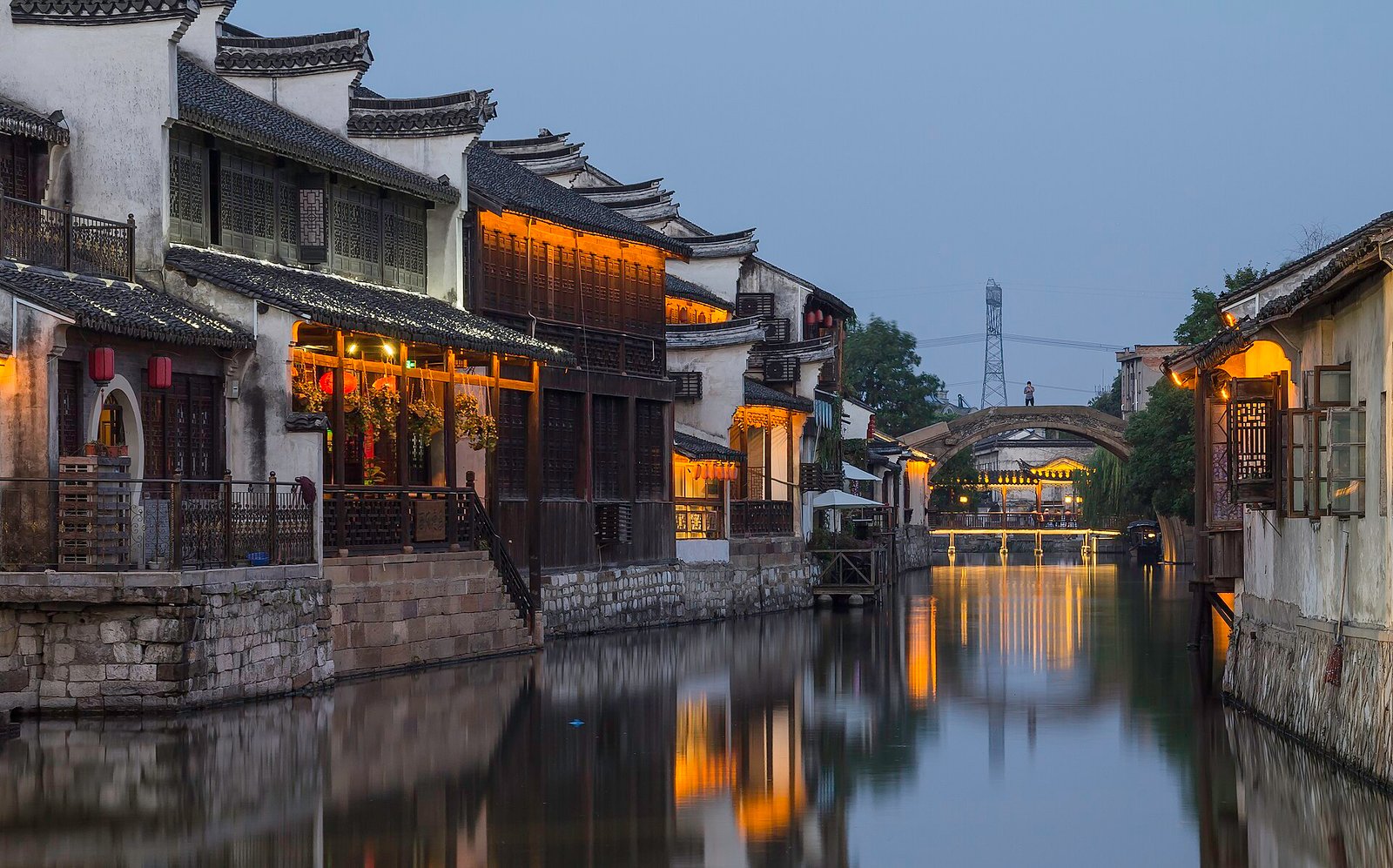
Shuanglang is the famous one, built right at the waterline with guesthouses perched on reclaimed land. It is pretty and busy and pricey; a lakefront coffee runs 40 RMB and the photo piers charge a small fee. I preferred it at seven in the morning, before the day-trippers, when the only sound was the rope slapping the masts.
Boats, fish, and the water itself
Erhai was heavily polluted a decade ago, and the clean-up has changed how you visit. Nets and floating pens were pulled from the open water, and several shoreline businesses were removed under protection rules. The result is clearer now, but the fishing villages that once relied on the catch have shifted to guesthouses and cafés instead.
The local fish, er hai yu, is still on menus but pricier and often farmed. A plate of the small fried variety runs 60 to 90 RMB in a lakeside spot, and the taste is mild, closer to perch than trout. For a very different Chinese lake town built around water, West Lake Guide covers Hangzhou’s famous boom-and-bank scene a flight to the east.
If your trip runs far west instead, a proper take on yamdrok lake describes a Tibetan highland lake at more than four times Erhai’s altitude, where the shore is rock and prayer flags rather than cafés.
Choosing your season
The table below is the part I wish I had read before booking in July, when the afternoon storms cut two of my three days short.
| Month range | Sky | Water clarity | Note |
|---|---|---|---|
| March – May | Clear | Good | Best light, blossom behind |
| June – August | Stormy | Fair | Lush but wet afternoons |
| September – November | Clear | Best | My pick for still mornings |
| December – February | Hazy | Lower | Cold, few crowds |
Mornings beat evenings for the reflection, because the wind usually picks up after lunch and chips the surface. I learned that the hard way, waiting at Shuanglang pier for a mirror that the two o’clock breeze had already broken.
How Erhai compares with other lakes
If you are stringing together Chinese lakes, the differences matter more than the postcards suggest.
| Lake | Region | Altitude | Signature |
|---|---|---|---|
| Erhai | Yunnan | ~1,972m | Bai villages, bike loop |
| Qinghai Lake | Qinghai | ~3,200m | Vast, cold, cycling circuit |
| Namtso Lake | Tibet | ~4,700m | Sacred, remote, snow rim |
| Crescent Lake | Gansu | ~1,140m | Desert spring, oasis |
For the far west, all about qinghai lake explains a much bigger, colder loop that needs a warmer month and a tougher bike. Up in Tibet, Namtso Lake is the high, sacred counterpart you reach only in summer. And if a desert oasis is more your line, Crescent Lake Dunhuang sits in sand rather than mountains, a striking opposite to Erhai’s green shore.

Staying on the shore versus day-tripping
I started with a day trip and wished I had not. The lake changes character after the coaches leave, and the best light at Shuanglang is the hour before most visitors’ buses roll back south. If your budget allows, take one night in a lakeside guesthouse rather than racing the eco-bus home.
What a shore night actually costs
A basic lake-view room in the villages runs 200 to 400 RMB in the quiet months and climbs past 800 RMB in October, when the clear skies draw domestic travellers. Book directly with the house by phone rather than through a platform if you can, because the mark-up on the big sites is real. The trade is simple: you lose a little cash and gain a sunrise you would otherwise sleep through in Dali town.
The catch is dinner. Village restaurants slim their menus in low season and close by nine, so eat early or buy snacks in Xizhou market on the way in. I packed xizhou ba ba and fruit and ate on the dike at dusk, which cost under 20 RMB and beat any café view for the price.
A note on getting around
Most visitors base in Dali Old Town and make Erhai a day or two, which is sound. Taxis to Caicun or Shuanglang run 30 to 60 RMB depending on distance and traffic; the eco-bus is cheaper but slower. If you rent a bike, check the brakes and take a helmet — the path is safe but the hire shops are casual about both.
One fiddly detail worth knowing: the cycle path and the eco-bus do not share every stop, so plan your return before you set off. I once assumed I could flag a bus at a midpoint along the path and walked twenty minutes back to the nearest road stop to catch it. Check the posted route board at the pier before you leave Dali, because the last buses roll south well before dark and the path goes quiet after that.
For a completely different kind of day trip on the same Yunnan ticket, the everything you need to know about badaling great wall sits far north in Beijing, useful if your route ends in the capital after the lakes.
Frequently Asked Questions
How long does a bike loop of Erhai take? The full ring is about 40 kilometres of road plus the separated east path, a full day for a fit rider. Most visitors ride one shore — say 15 to 30 kilometres — in three to five hours with stops, which is the plan I’d recommend.
Is there a bus around the lake? Yes, an eco-bus circles Erhai with set stops at the villages and a day pass that costs far less than taxis. Buy it early in peak season, as buses fill by mid-morning and the last loops run before dark.
What is the best month for clear water and reflections? September to November gives the stillest mornings and the best chance of a mirror reflection before the lunchtime wind. March to May is the other strong window, with clearer skies than the rainy summer.
Can I swim in Erhai Lake? Not really. The shallows near the villages are weedy and the open water is now protected, so swimming is discouraged and rarely offered. Boats and the shore path are the way to enjoy it instead.
How much does a boat trip cost? A short cruise from Caicun or Shuanglang runs roughly 50 to 80 RMB if you bargain at the jetty rather than through a hotel. Longer private charters cost more and should be agreed in writing on price before you step aboard.
Is Erhai worth more than one day? Yes if you like slow travel. One day covers a shore and a village or two; two lets you bike the east path and take the bus north, with a calm morning at Shuanglang. Base in Dali Old Town and treat the lake as a pair of half-days.