Namtso Lake: Everything You Need Before You Go
The first time I tried to visit Namtso Lake, I made a mistake that cost me two days and a fair bit of altitude headache. I flew into Lhasa at 3,650 metres, rented a car the next morning, and drove straight for the lake at 4,718 metres. My body had not read the memo about acclimatising, and it made its opinion known around the Lakenla Pass. For the basic geography and geology, Namtso on Wikipedia is a useful reference before you read the practical notes below.
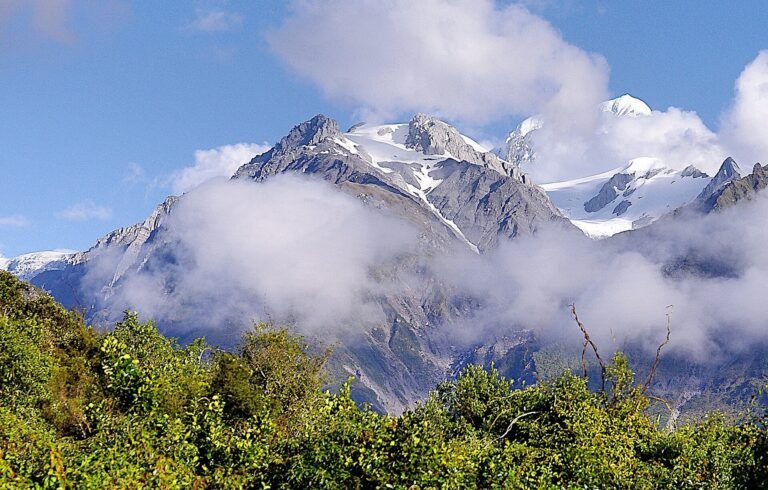
Namtso sits in the Tibet Autonomous Region of China, roughly 240 kilometres north of Lhasa. It is one of the highest saltwater lakes on the planet, and the first view of that turquoise water against the snow line is the sort of thing you remember for years. This guide covers what I wish I had known: the route from Lhasa, the permit situation, altitude planning, the best window to travel, and the small practical details that separate a good trip from a miserable one.
Getting there from Lhasa
Most foreign visitors start in Lhasa, the natural gateway to central Tibet, China. The drive to the lakeside at Tashi Dor takes about four to five hours in a private vehicle, including a stop at the 5,190-metre Lakenla Pass. The road is paved and reasonable for most of the way, but the final stretch near the shore is rough gravel, so a high-clearance car helps.
You cannot simply point a rental at the highway and go. Foreign visitors need a Tibet Travel Permit, which you must arrange through a registered tour operator and check current requirements before you go. Most travellers do the lake as part of a two-day loop that also stops at the Damxung hot springs, a useful warm-up before the cold night ahead. That second night at altitude is precisely what my younger self skipped, and I paid for it with a sleepless, pounding night.
The alternative is a organised small-group tour from Lhasa that handles the driver, permit, and entry in one booking. I now prefer this for first-timers because the guide paces the altitude stops and carries oxygen canisters. Prices vary by season, so compare two or three operators rather than taking the first quote at the hostel desk.

Altitude and acclimatisation
Namtso’s shore sits near 4,700 metres, and the pass tops 5,190. Spend at least two full days in Lhasa before driving up, drink more water than feels reasonable, and skip the alcohol for the first 48 hours. I now treat the first afternoon in Lhasa as a write-off: no sightseeing, just walking slowly and sleeping early.
Symptoms worth respecting include a pounding headache that ibuprofen does not touch, breathlessness at rest, and trouble sleeping. Descend if they worsen, because pushing on rarely ends well at this height. The good news is that a night at the lake is optional; many drivers turn back to Lhasa the same day, which keeps total time at altitude shorter. If you camp at Tashi Dor, bring a sleeping bag rated to minus ten and expect frozen water bottles by morning in spring.
A handheld pulse oximeter costs little and tells you your blood-oxygen saturation, which is more honest than how you feel. Mine read 78% at the pass, which explained the light-headed giggling. Knowing the number let me slow down instead of pretending I was fine.
When to go
The lake freezes solid from late November to early April, and the road over Lakenla can close under snow. May through October is the open season, with July and August being warmest but also busiest, drawing the largest coach crowds. I favour late May or September: clear skies, fewer coaches, and nights that are cold but survivable in decent kit.
Weather turns fast up there. I have watched blue sky become a sleet storm in twenty minutes, so pack a windproof shell even in summer. The best light for photography is the two hours after sunrise, when the water shifts from steel grey to electric blue. Sunset is strong too, but you will be driving the pass in darkness if you linger, and I do not recommend that.
Costs and what to expect
Entry to the Namtso scenic area is charged per person, and prices change, so check the official site before you go; budget roughly RMB 120 to 200 for the ticket plus transport costs split between your group. A private car for the round trip from Lhasa typically runs into the low thousands of RMB for the day, depending on season and vehicle size. Food at the lakeside is limited and priced for a captive market, so I carry snacks and a thermos of hot tea.
The site is not a groomed attraction. The famous meditation caves at Tashi Dor are a short, steep walk from the car park, and the peninsula gives you the classic postcard view back across the water. Yak rides are offered on the beach, but I found the animals poorly treated and gave them a miss; the walk is the better experience anyway. Toilets are basic squat types, and there is no running water at the shore, so bring your own.
How Namtso compares with other Chinese lakes
Travellers often ask how Namtso stacks up against the other famous lakes covered on this site. The table below is my honest take after visiting several, ranked by the kind of trip each one delivers.
| Lake | Altitude (m) | Best season | Crowd level | Gateway city |
|---|---|---|---|---|
| Namtso (Tibet) | 4,718 | May–Oct | Low–moderate | Lhasa |
| Qinghai Lake | 3,200 | Jul–Aug | High | Xining |
| Yamdrok Lake | 4,441 | Apr–Oct | Moderate | Lhasa |
| Erhai Lake | 1,972 | All year | High | Dali |
| West Lake | ~10 | All year | Very high | Hangzhou |
If you want altitude drama, Namtso wins. If you prefer easy access and teahouses, the Erhai Lake or the West Lake Guide might suit better, and for a desert lake experience the Crescent Lake Dunhuang is worth a look.
For another high Tibetan lake, read my Yamdrok Lake explained notes. Those after a calm city water escape can see all about qinghai lake and, back in Beijing, how beihai park is really done.

Photography and packing
A polarising filter is the single most useful accessory at Namtso; it cuts the glare off the water and deepens the sky to a colour your phone cannot fake. Bring spare batteries because cold drains them quickly, and keep the camera inside your coat between shots. The peninsula at Tashi Dor frames the lake with a ridge of prayer flags that makes a strong foreground for wide shots.
What goes in the bag: a windproof jacket, gloves, a sun hat, high-SPF sunscreen, lip balm, and a refillable bottle. The UV at this altitude is ferocious; my lips cracked on day one despite the cold air. Sturdy shoes matter more than fashion because the shoreline is uneven rock, and the meditation-cave climb is loose underfoot.
I also pack a small foldable stool, which sounds silly until you sit at the water’s edge for an hour waiting for the light. The quiet there, with only wind and the occasional prayer-flag snap, is the part of Namtso no photograph conveys. Give yourself that slow hour and the trip pays for itself.
A note on pairing the trip
Some itineraries pair Tibet with a stop in Beijing, and if yours does, the everything you need to know about badaling great wall covers the most accessible section. It is a wholly different kind of trip from the silent lakeshore, but both reward travellers who plan the altitude and the timing in advance. I would not try to do both in one breathless week; give each its own clear-headed day.
Frequently Asked Questions
Do I need a permit to visit Namtso Lake? Foreign visitors need a Tibet Travel Permit, arranged through a registered tour operator; check current requirements before you go, as the rules and the areas open to foreigners can change.
How many days should I plan for Namtso? Plan a minimum of two buffer days in Lhasa for acclimatisation, then one to two days for the lake itself. A standard trip is a two-day loop with an overnight at or near the shore.
Can I visit Namtso in winter? The lake freezes and the Lakenla Pass road often closes from late November to early April. Travel then is risky and not advised unless you are with an experienced operator who knows the conditions.
What altitude is Namtso, and is it dangerous? The shore is around 4,700 metres and the pass reaches 5,190 metres. Altitude sickness is a real risk; acclimatise in Lhasa first and descend if symptoms worsen.
Is it worth camping at the lake? If you are well acclimatised and have proper cold-weather kit, camping at Tashi Dor gives you sunrise over the water. Otherwise, a same-day return to Lhasa is safer and still rewarding.
How much does a trip cost? Ticket prices change, so check the official site before you go; budget RMB 120 to 200 for entry and a few thousand RMB for a private car from Lhasa, shared across your group.