Things to Do in Yangzhou, and the Ones Locals Actually Recommend
The taxi driver who took me from the station squinted at my phone. “Slender West Lake? Fine. But the locals, we go to the canal in the morning and eat at the garden stalls. The lake is for the cameras.” He wasn’t wrong. Yangzhou rewards the traveller who listens to that kind of advice, and most guidebooks don’t print it.
Yangzhou is a prefecture-level city in central Jiangsu, on the northern bank of the Yangtze, about 30km north of Zhenjiang and an easy train hop from Shanghai, Nanjing, or Suzhou. As Wikipedia notes, it was a wealthy salt-merchant city during the Qing dynasty and a stop on the Grand Canal, which explains both its gardens and its food culture. Most overseas visitors fly into Shanghai or Beijing and train in; if you’re doing a northern imperial loop first, the Chengde Travel Guide covers the Qing summer retreat as a logical prelude before you drift south. Spring is the season the city is built around — the peonies and the willow-green lake — so if your dates are flexible, aim for April.
Slender West Lake — worth it, but go early
I’ll say it plainly: Slender West Lake (Shouxi Hu) is lovely, and it is also the most crowded thing in town by 10am. The narrow, willow-lined water with its white pagoda and the famous Twenty-four Bridge is genuinely pretty, and the spring blossom period is the reason Yangzhou sits on so many itineraries. Arrive at the 7:30 opening, walk the full causeway before the coaches land, and you’ll have the place mostly to yourself. The ticket is cheap by Chinese scenic standards and the gate sells a combined pass that also covers the minor pavilions; I’d skip the pavilions and spend the saving on the morning tea instead. The Twenty-four Bridge is the photo everyone wants, but the quiet stretch by the white pagoda is the better memory.
The boat rides are pleasant but not essential; I’d spend the money on the early walk instead. Unlike the long frozen winters of Changchun in the northeast, Yangzhou’s lake is a spring and autumn affair, so time your visit to the mild months and you’ll see it at its best.
The gardens: Geyuan and Heyuan
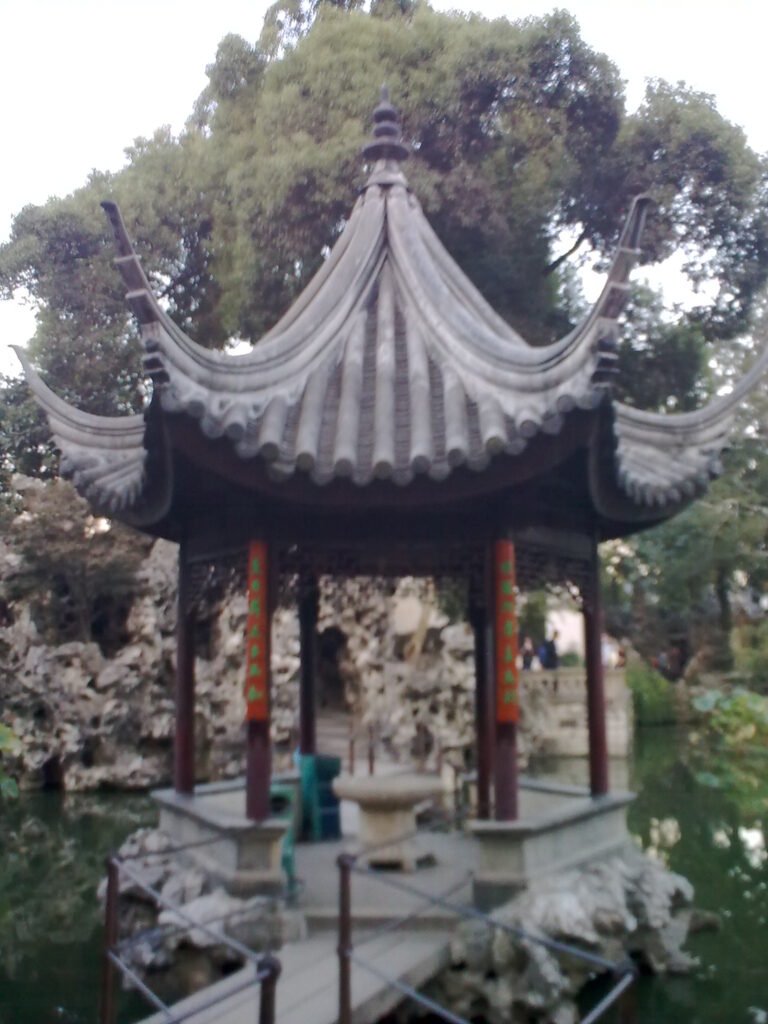
If the lake is the postcard, the gardens are the soul. Geyuan, just east of the old city, is the one I’d prioritise — a scholar’s garden built around four rockeries representing the seasons, each made from a different stone. The winter rockery uses volcanic rock that catches the light strangely when wet, which is the kind of detail you miss if you rush. Walk the garden in the order the owner intended — spring, then summer, autumn, winter — and the small space reads like a year compressed into five minutes. Ten minutes is enough if you’re rushing; forty is better, and there’s a teahouse in the corner for exactly that.
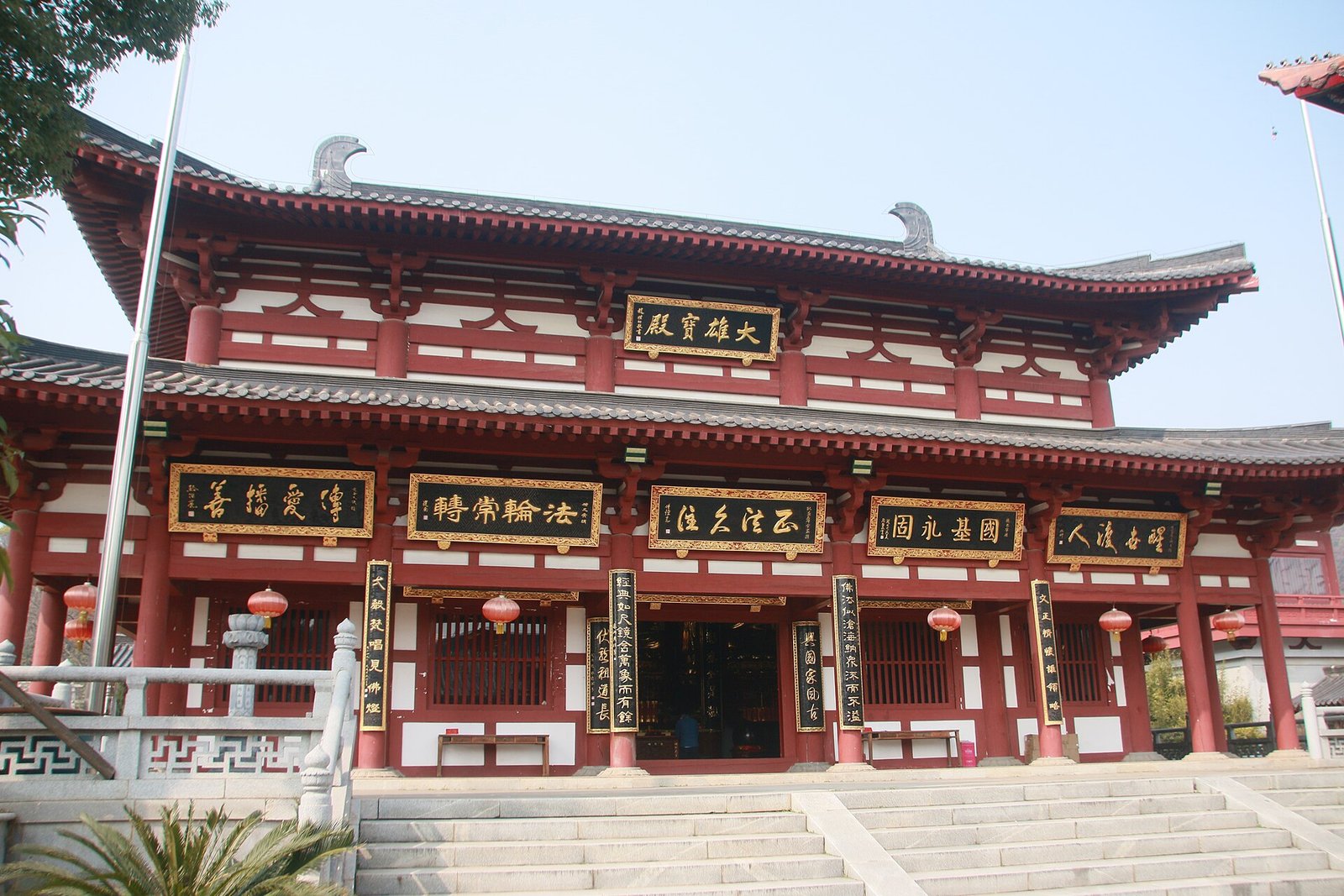
Heyuan (also called Jixiao Shan Zhuang) is smaller and quieter, with a corridor that folds back on itself in a clever bit of garden design. Geyuan’s rockery craft echoes the garden tradition around Chengdu explained, though on a tighter, more intimate scale — Yangzhou gardens are about restraint, not scale. Both are walkable from the city centre in 15–20 minutes.
The morning market and the canal
This is the part the driver meant. Yangzhou’s morning-tea culture (zaocha) is a slow, social meal of steamed buns, dried tofu, and green tea, and the Fuchun and Yechun teahouses are the famous names — but the back-street versions near the canal are where regulars go. Get there before 8:30 or the queues build. Order the standard set — a pot of green tea, a steamed bun, a sweet cake, and a dish of dried tofu — and let it run long; the meal is meant to fill a morning, not ten minutes. The breakfast stalls beat the tourist breakfast in all about changsha for variety, if not for sheer chilli heat.
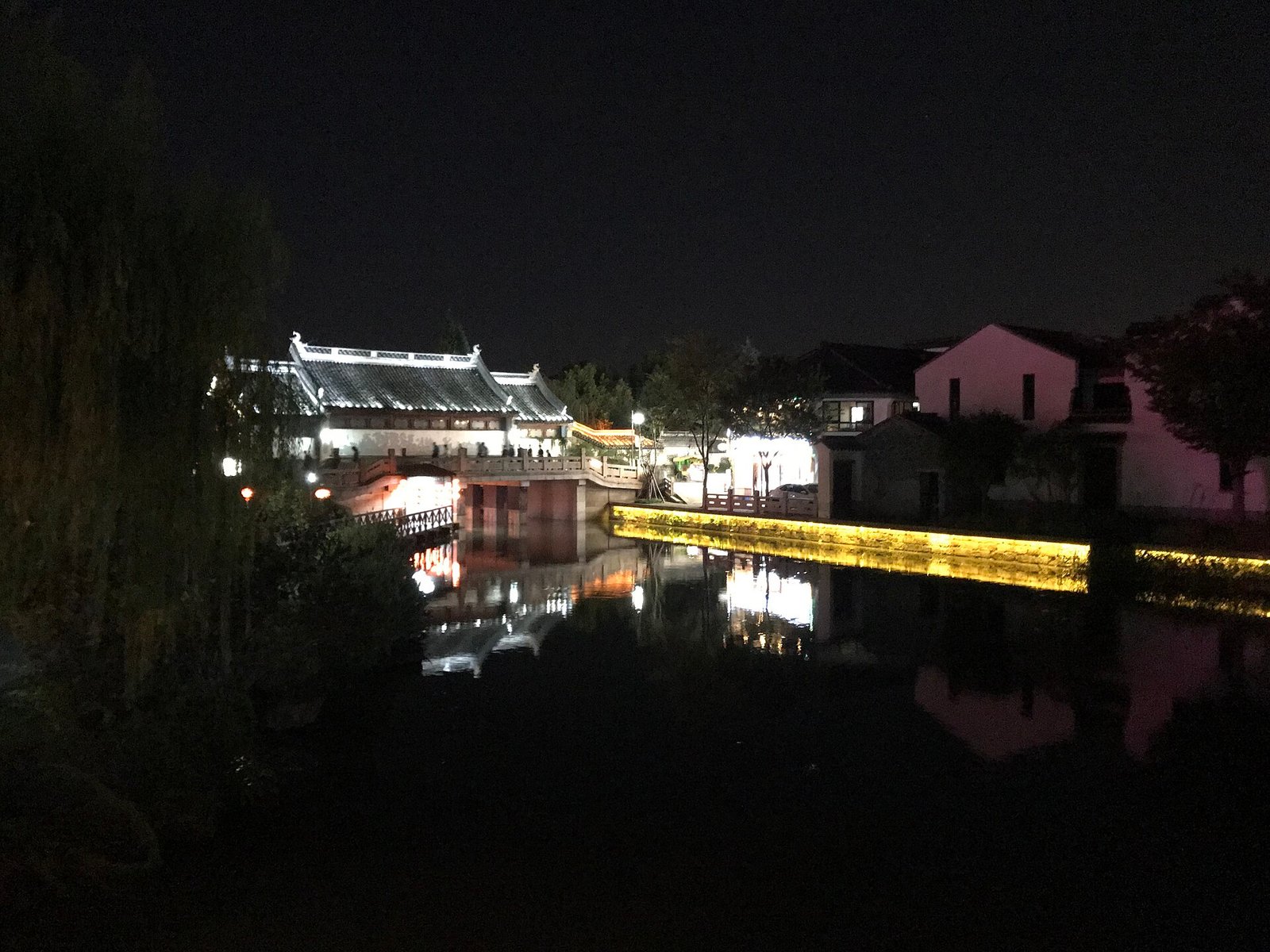
After tea, walk the Grand Canal stretch near the Dongguan Street area. It’s flat, free, and far calmer than the lake. The water here is the reason the city grew rich, and a short boat segment is available if you want the canal from the water without the lake’s crowds. Dongguan Street itself is the polished version of all this — restored, lit, and busy — and worth a stroll after dark when the lanterns are on and the day-trippers have gone back to Zhenjiang.
What the guidebooks oversell
Yangzhou is small enough that you can see the highlights in a day and a half, which means some “must-dos” are padding. I over-planned my first visit with a colour-coded spreadsheet and saw less than the friend who simply wandered. My honest split:
| Worth your time | Easy to skip |
|---|---|
| Slender West Lake at opening | The over-priced lake dinner boats |
| Geyuan Garden, slowly | The long canal cruise if pressed for time |
| Morning tea at a local house | The generic shopping street souvenirs |
| Dongguan Street for atmosphere | Any “ancient town” replica on the city edge |
Yangzhou is the calm counterpoint to everything you need to know about chongqing‘s vertical chaos — if you’ve just come from a big river city, let the pace drop here on purpose.
Getting to Yangzhou and getting around
The city has no major international airport of its own; most people arrive via Yangzhou Taizhou Airport (with limited flights) or, more sensibly, by high-speed train from Zhenjiang, Nanjing, or Shanghai. From Shanghai, budget around 2 to 2.5 hours with a change. Within the city, buses and cheap taxis cover everything — it’s compact enough that you rarely need the metro, and walking the old core is the best way to use it. The Alipay transport code works on the buses too, so you can leave the cash for the tea houses; the shared bikes are handy for the flat run between the gardens and the lake.
Buy your train tickets on 12306 or through a hotel concierge, and carry your passport, as the gates read the document number. Timings and platform details shift, so check the official schedule before you travel.
Where to eat
Yangzhou claims to be the birthplace of fried rice (Yangzhou chaofan), and while every overseas takeaway board mis-spells it, the real dish is delicate — egg, small shrimp, ham, and spring onion, never drowned in soy. Eat it at a proper restaurant, not a street counter, to taste the difference. Also try:
- Steamed buns (蟹黄汤包) with crab roe in autumn — RMB 15–30 each.
- Lion’s head meatballs (狮子头), braised not fried.
- Dried tofu slivers in a light broth.
- Local green tea served at the morning houses.
The fried rice is best ordered in a mid-range restaurant rather than a hotel buffet; expect to pay RMB 30–50 for a proper plate with real shrimp and ham, and watch the kitchen — the good ones fry it quickly over high heat so the grains stay separate. Street counters drown it in oil and call it the same name.
For a lake town done at a slower tempo afterwards, how dali is really done covers Yunnan’s Erhai, a useful comparison if Wuxi and Yangzhou have left you wanting more water. And for coastal seafood after the river-town cooking, my notes on dalian walk through Liaoning’s port city and its colder-water catch.
Frequently Asked Questions
How many days do I need in Yangzhou? One full day covers the lake, one garden, and morning tea. Two days lets you add Heyuan, the canal walk, and a relaxed second breakfast. Don’t try to bolt on a third garden — Yangzhou rewards slow more than it rewards complete. It pairs naturally with Zhenjiang or Nanjing.
Is Slender West Lake worth the entry fee? Yes, if you arrive early. The ticket is modest by Chinese scenic standards and the walk is pretty, but the experience drops sharply once the tour buses arrive around 10am, so timing matters more than the price.
What is Yangzhou famous for besides the lake? Morning tea, classical gardens, and its claim to the original Yangzhou fried rice. The Grand Canal heritage and the city’s Qing-dynasty salt-merchant wealth explain most of what you’ll see.
When is the best time to visit? March to May for blossom and mild weather, and September to early November for clear autumn days. Summers are hot and humid; winters are cold but quiet. I went once in July and the heat kept me to short morning walks and long tea stops, which was its own kind of trip.
Can I visit Yangzhou as a day trip from Shanghai? Yes, though it’s a long day with the train change. If you’re already in Nanjing or Zhenjiang, it’s an easy half-day excursion. Stay one night if you want the morning-tea experience properly.
Is Yangzhou good for first-time China travellers? It’s gentle and compact, with good signage and a calm pace, which makes it a friendly step beyond the megacities. English is limited outside the top sights, so a translation app helps, but the city is safe and easy to navigate on foot.