Ningbo Travel Guide: Beyond the Postcard Stops
The first time I visited Ningbo I got the timing wrong. I arrived on a Tuesday expecting a sleepy port town and found half the riverside closed for a regatta, then spent the evening walking empty streets wondering where everyone had gone. The lesson stuck: this is a working city first and a tourist stop second, and its rhythm matters more than its checklist of sights. Come expecting a place that commutes, ships cargo and eats dinner at six, and you will enjoy it far more than if you come hunting postcards.
Getting to Ningbo and finding your feet
Ningbo sits on the coast of Zhejiang, roughly an hour by high-speed train from Hangzhou and just over two hours from Shanghai. Trains from Beijing run several times a day and take around six hours, which makes the city an easy add-on to a longer eastern-China route. The station is signed in English and the metro line into the centre is straightforward to follow even with luggage. If your trip leans towards imperial history, the mountain retreat described in Chengde Travel Guide makes an interesting contrast to Ningbo’s merchant past — both were built around power, but one by emperors and one by traders who answered to no court.
Within the city, the metro covers the main districts, but the gaps between the Old Bund, Tianyi Ge and Dongqian Lake are best covered by taxi or ride-hailing. Didi works reliably here and costs very little for short hops. Walkable pockets certainly exist, but Ningbo is not a city you can reasonably see on foot alone, and pretending otherwise will cost you time you could spend sitting by the water.
The Old Bund after dark
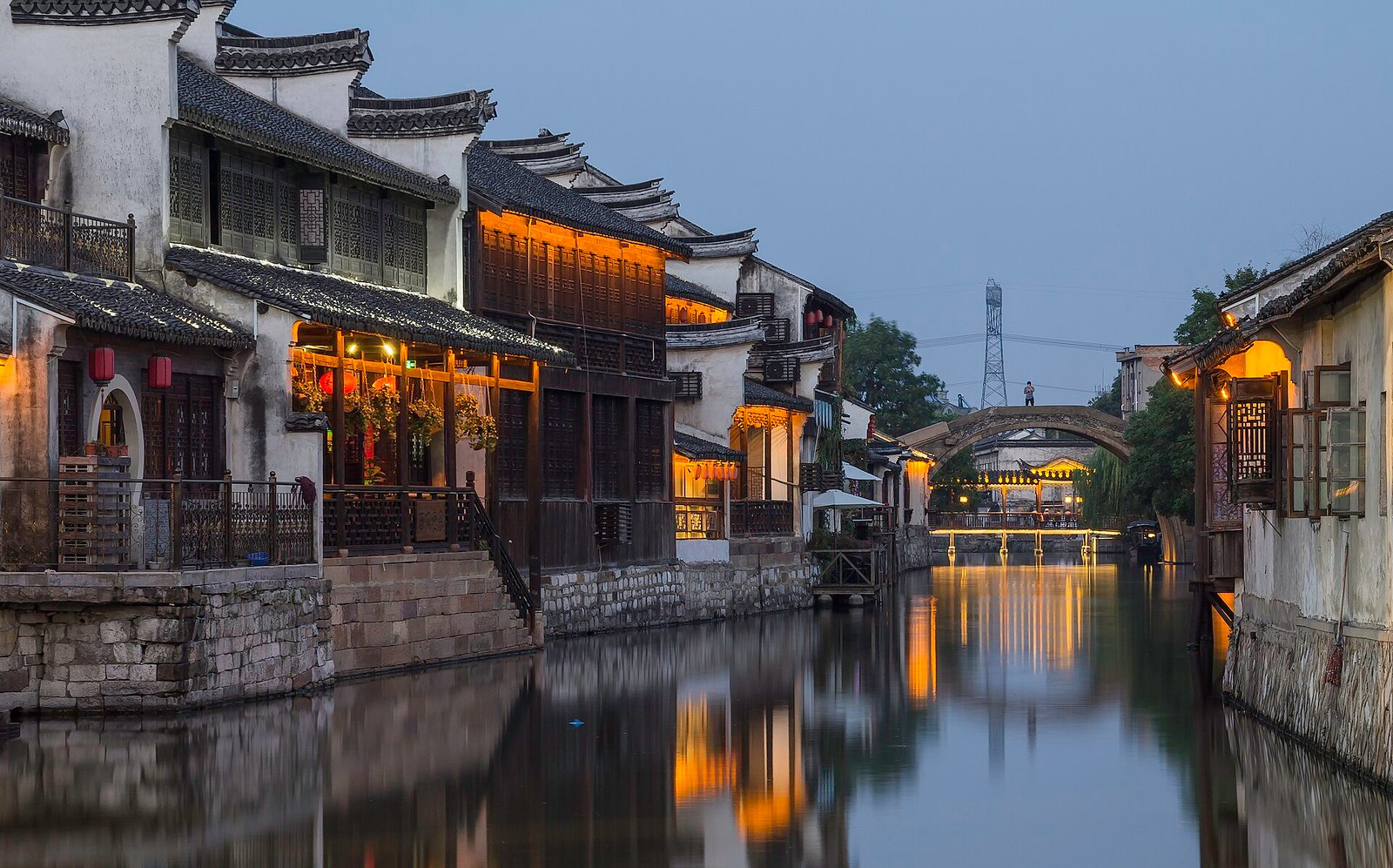
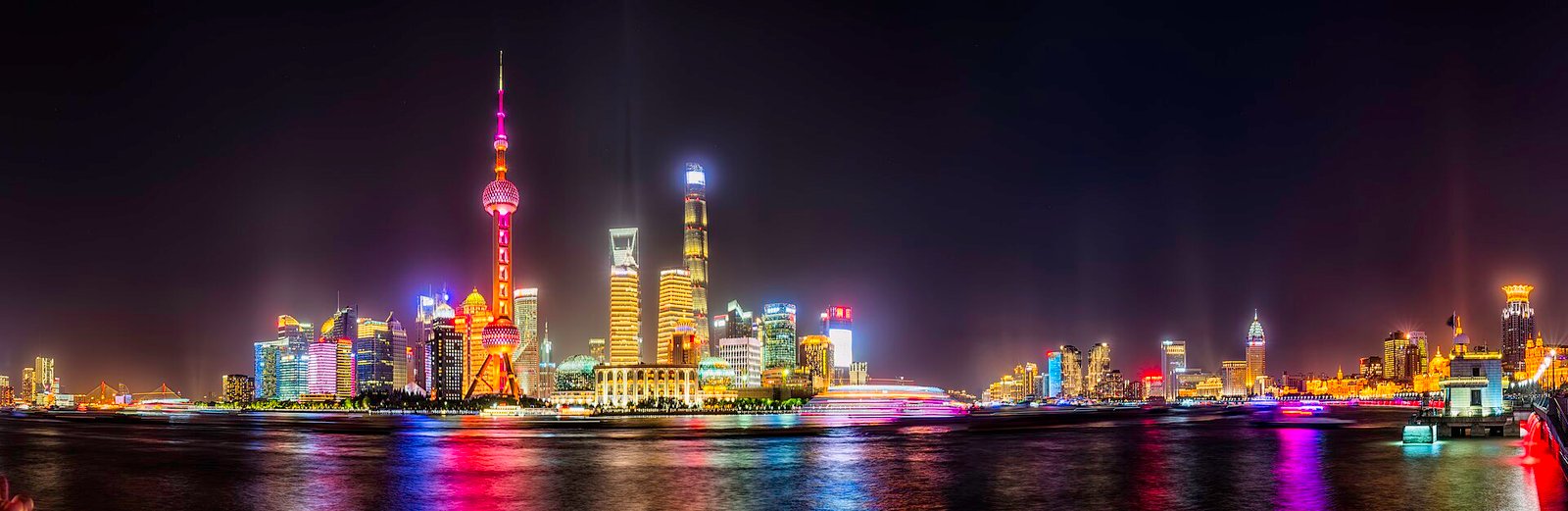
The 老外滩, or Old Bund, is Ningbo’s most obvious evening draw, and on this occasion the obvious choice is the right one. It is older than Shanghai’s bund by a few decades and far quieter, a strip of restored brick warehouses along the Yong river with bars, small galleries and a lit-up bridge that throws long reflections across the water. I went on a weeknight and had the riverside almost to myself apart from a few locals walking dogs and a guitarist packing up near the steps.
Go after sunset rather than before. The buildings are plain by daylight and the area only finds its character when the lamps come on and the river turns to black glass. A short walk south brings you to the modern shopping spine if you want it, but the Bund itself is best taken slowly with a drink in hand and no plan beyond the next bench.
Tianyi Ge: the library that started it all
Tianyi Ge is the reason Ningbo earns a place on any serious China itinerary. Built in the 1560s during the Ming dynasty, it is the oldest surviving private library in China, and the gardens around it are a calm, shaded counterpoint to the river’s bustle. The collection itself is largely archived and not on open display, so don’t come expecting shelves you can browse — come for the courtyards, the scholar’s rock gardens and the distinct sense of one family protecting books through four centuries of war, flood and revolution.
The ticket price sits in the region of RMB 30, though you should check the official figure before you travel because it shifts. Give yourself ninety minutes. The adjacent Moon Lake park is free and makes a natural continuation if the weather holds, with willow paths that locals use for their evening stroll.
Dongqian Lake: a half-day escape
If the city starts to feel dense, Dongqian Lake is the release valve, about forty minutes south by bus or taxi. It is the largest freshwater lake in Zhejiang and rings with low hills, temples and a lakeside path that local people use for morning exercise. I rented a bicycle from a stall near the east gate and looped a flat stretch in under two hours, stopping at a small temple where an old monk poured me a cup of bitter tea and waved away my offer of payment.
There is no single ticket; the lake is free to walk, and individual attractions along the shore charge separately and can be skipped without regret. Pack water, because the shade is patchy and the summer heat is real enough to flatten an afternoon.
Xikou and the Chiang family story
Roughly an hour west of the centre, Xikou is where Chiang Kai-shek grew up, and the town wears its Republican-era history openly. The former family residence, the narrow street of preserved shops, and the nearby Xuedou Mountain temple complex make a full day if you take the cable car up to the higher shrines. The propaganda on both sides of that history is thick, so read the plaques with a pinch of salt and enjoy the mountain air, which is genuinely cleaner than the city’s.
Buses leave from Ningbo’s south bus station throughout the day; the journey is cheap and scenic, winding through terraced hills. A guided tour saves the faff of connections but locks you to a schedule I found rushed, with too little time at the mountain and too much at the souvenir stalls.
Where to base yourself
Ningbo’s centre is spread out, so where you sleep changes how the trip feels. I have stayed in all three of the areas below and would pick differently depending on the traveller.
| Area | Best for | Walkability | Nightlife | Typical price |
|---|---|---|---|---|
| Old Bund (老外滩) | Riverside bars, first-timers | Good | Lively | Mid |
| Gulou (鼓楼) | Street food, old city | Excellent | Quiet | Low–mid |
| Yinzhou / south | Shopping, business | Poor on foot | Chain bars | Mid–high |
The Old Bund wins for a first visit because dinner and a walk are both on the doorstep. Gulou is cheaper and more local, with night markets that start late, but the rooms can be noisier. The southern business district is comfortable and modern and soulless in equal measure.
Eating in Ningbo: seafood and a surprising sweet tooth
Ningbo cooking is built on the sea. Yellow croaker, hairy crab in season, and salted shellfish turn up everywhere, often steamed simply so the flavour carries rather than hides. What surprised me was the sweetness — Ningbo is famous for 汤圆, glutinous rice balls filled with black sesame, and the local 缸鸭狗 brand has been making them since the 1920s. Try one bowl before you judge the rest of the cuisine by its salt.
If you want a regional comparison, the street food culture in all about changsha is louder and spicier, while a proper take on chengdu will tell you more about slow, numbing flavours built on peppercorn. Ningbo sits at the milder end, closer to the Shanghai table than the Sichuan one, and proud of its restraint.
Day trips and how long to stay
Two nights is the sweet spot: one for the city, one for Xikou or the lake. If you have a third day, the Hemudu Neolithic site south of the city shows rice cultivation going back seven thousand years, and the Xiangshan coastline to the east has fishing villages and clean beaches that barely register on the foreign tourist map. Neither is a headline sight, but both are the kind of place you remember because no one else was there.
Travellers building a longer rail journey sometimes come from the northeast after reading up on Changchun, which is a fair swing but doable on the network if you have the weeks. And if you are curious how a mega-city handles the same river-and-food brief at a different scale, everything you need to know about chongqing covers a very different version of the same idea, built on spice and vertical streets rather than quiet courtyards.
As Wikipedia notes, the city has been a trading port for over a thousand years and was one of the five Chinese ports opened to foreign trade under the 1842 Treaty of Nanking, which explains why the Bund feels older than it looks and why the foreign warehouses sit where they do.
Frequently Asked Questions
Is Ningbo worth visiting on its own, or only as a stopover? On its own, if you like cities with a working rhythm rather than a theme-park centre. Two nights lets you see the library, the Bund and a day trip without rushing, and the seafood alone justifies the detour for many travellers.
How do I get from Shanghai to Ningbo? High-speed train is the easy answer: under two hours, frequent departures, and both stations are central. Book on the day or the day before in quiet season; reserve earlier around national holidays when the carriages fill.
What is the best time of year to visit? Spring (April to May) and autumn (September to November) are the comfortable windows, with mild days and clear skies. Summer is hot and humid, and winter is grey but quiet and cheap if you don’t mind the damp.
Do I need to speak Chinese to get around? Not really. Metro signs and the major attractions carry English, and ride-hailing apps handle the language for you by default. In smaller lake and village spots, a translation app covers the gaps without much trouble.
Is Tianyi Ge worth the entry fee? Yes, for the gardens and the history, even if you never see a single book. Ninety minutes is enough to walk the courtyards and the adjoining Moon Lake path at a relaxed pace.
Can I visit Xikou without a tour? Easily. Buses run from the south station and the town is walkable once you arrive, with the mountain temple a short taxi or shuttle from the old street. A tour only helps if you want the connections handled for you and don’t mind a fixed clock.