Luxury Travel in China: Hotels, Trains and Experiences
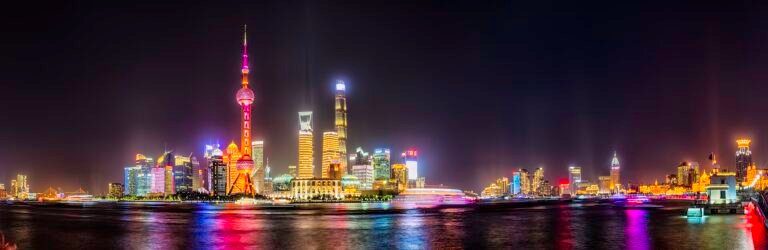
When the concierge at the Peninsula Beijing asked, “Madam, would you like the Rolls or the Mercedes to the airport?”, I realised luxury travel in China is not the awkward, servile version the 2010 guidebooks warned about. It is now quiet, competent, and priced in a way that makes a traveller from London or New York feel slightly ashamed of their own hotel bills. Over two weeks I paid for comfort on purpose for the first time in my China travels, and the value was better than I expected.
The conversation that reframed the trip
The Rolls turned out to be complimentary with my suite, so I took it, and the twenty-minute run to the airport cost nothing extra. That moment taught me the Chinese luxury model: the headline rate looks steep, but it bundles things — airport transfers, afternoon tea, evening happy hour, sometimes a spa credit — that you would pay for separately elsewhere. My Peninsula suite was RMB 3,200 a night in early October, against the RMB 1,900 a comparable London suite would have cost me that week, and it included breakfast for two, a club lounge with free drinks, and a car.
I had come expecting to be overcharged at every turn. Instead the front desk volunteered a cheaper rate for a longer stay, waived a RMB 180 internet fee without my asking, and remembered my name by day two. The service culture in the top Chinese hotels has caught up with the hardware, and the hardware was already world class.
Where the luxury hotels actually deliver
Not every five-star property is equal, and the gap shows in the details. The best stays I had shared three traits: a genuinely helpful concierge who could secure restaurant tables, blackout curtains and a quiet floor away from the lift, and a bathroom with both a deep tub and a separate shower. In Hangzhou I paid RMB 2,600 a night at a lakefront property where the view alone was worth half the rate; the West Lake at dawn, seen from a private balcony, needed no activity booked.

For booking these at the right rate, the mechanics in Book Hotels China saved me real money, because the same suite quoted at RMB 3,200 on one platform was RMB 2,750 on another once I understood which sites honour member rates. I now check at least two before confirming, and I call the hotel directly to ask for a longer-stay discount, which worked in three of four tries.
Trains: the business-class secret
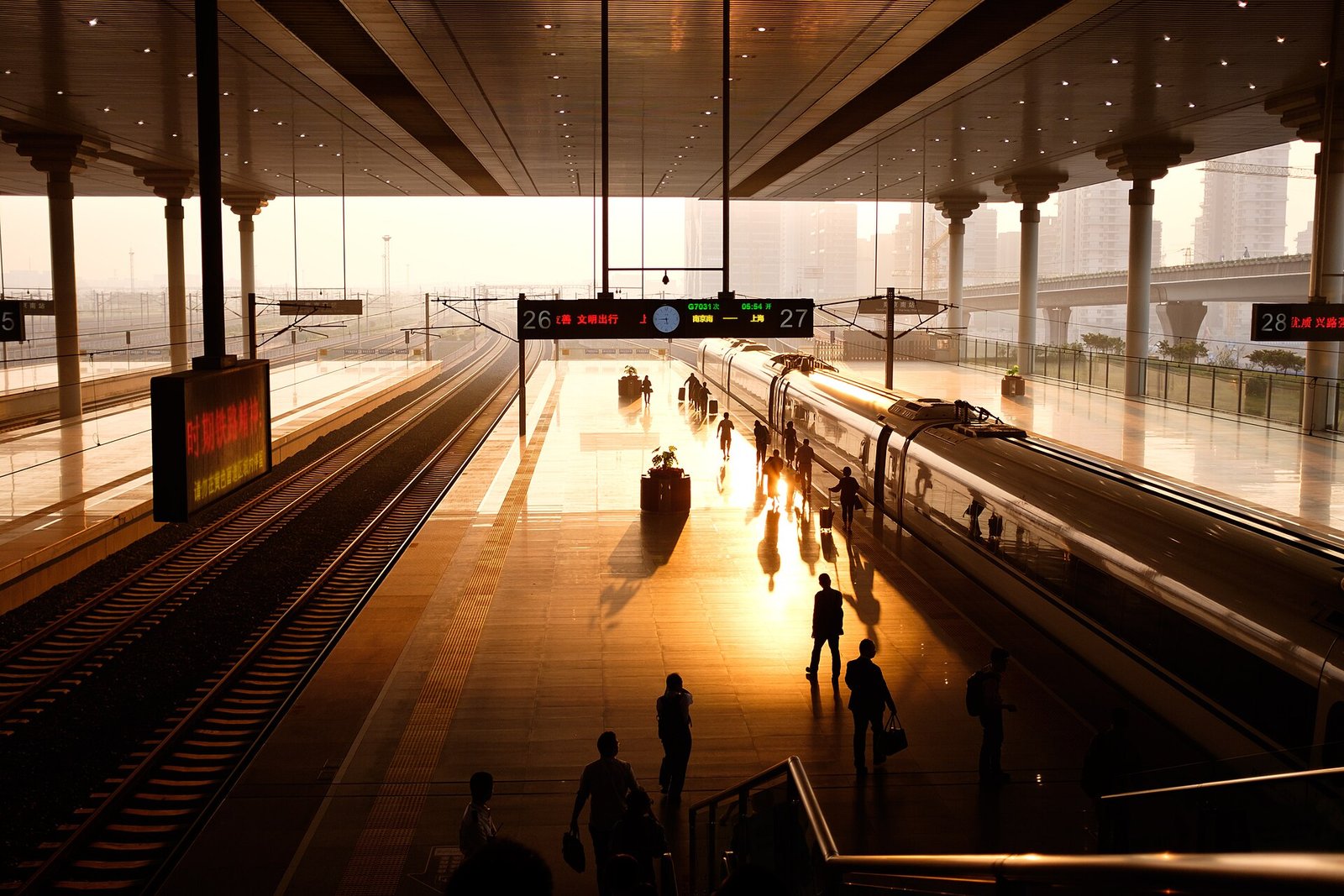
The best-kept comfort secret in China is business class on the high-speed network. A business seat from Beijing to Shanghai, 1,318 km in four hours twenty-eight minutes, cost me RMB 1,748 — roughly the price of a standard European first-class ticket for a shorter hop — and it came with a lie-flat seat, a hot meal served at my seat, and a lounge at both ends with free snacks and showers. Compared with a domestic flight, where I would have paid RMB 1,200 and lost two hours to airport security, the train was both faster door-to-door and more relaxing.
First class, one step down, was RMB 933 and still gave me a wide reclining seat and a quiet carriage. I used business for the two longest legs and first for the shorter ones, which kept the rail portion of the trip at about RMB 2,700 total across four cities. The apps that show real-time seat maps and let me pick a forward-facing window seat are covered in Best Apps China Travel, and they removed the guesswork.
Private guides and the companies worth the money
Hiring a private guide turned a crowded site into a personal one. In Xi’an, a licensed guide for half a day at the Terracotta Army cost RMB 400 and gave me the back stories the audio tour skipped, plus entry to the less-visited Pit 3 without the tour-bus crowd. The operator I used came from the shortlist in all about best china tour companies, which I trust because it separates the genuine boutique firms from the bus-tour resellers wearing a luxury label.
A good private guide also handles the friction: skipping the ticket queue, finding the lift, translating the menu. For travellers who need step-free access or a slower pace, the practical guidance in how china accessible travel is really done pairs naturally with a private car, because the right company builds the day around your mobility rather than the standard circuit.
Food, tea houses and the tasting menus
The surprise of the trip was dinner. At a starred restaurant in Shanghai, an eight-course tasting menu with tea pairing was RMB 880, and it stood up to meals I had paid twice as much for in Paris. The tea ceremony afterwards, in a restored courtyard house, was RMB 220 and lasted ninety minutes — a calm close to a busy day. I booked both through the concierge, who held tables I could not have secured online as a foreign cardholder.
Street food still had its place even on a luxury budget; a RMB 15 bun eaten standing up at 07:00 is its own kind of luxury when you have a silk robe and a spa booked for 10:00. The mix is the point: I spent RMB 2,000 on one dinner and RMB 15 on the next breakfast, and both felt right.
Water towns and slow days
The single most memorable luxury was doing less. A private driver took me from Shanghai to the ancient water town of Wuzhen, about ninety minutes west, where I stayed inside the preserved old town after day-trippers left at 17:00. The quiet of the canals at dusk, with no crowds and a guesthouse suite overlooking the water for RMB 1,100 a night, beat any city hotel. The fuller case for building these into a trip is in my notes on china ancient water towns, which explains which towns charge entry and which let you wander free after hours.
I treated that day as the hinge of the trip: no meetings, no lists, just a boat and a long lunch. It reset me for the cities that followed, and it cost less than a single night at the Peninsula.
Timing, apps and a ten-day shape
Luxury in China is cheapest and calmest in the shoulder months. I travelled in early October, catching the clear autumn light, but I would repeat it in April or late September to dodge the National Day crowds that pushed Beijing’s suite rates up by RMB 600 a night. The seasonal detail is laid out in Best Time To Visit China, and it directly affects both price and the ease of getting a good table or a quiet pool.
A concierge can only help if you are reachable, so I kept a China Mobile eSIM topped up and used a translation app that worked offline for menus. The visitor economy here is enormous and polished; the size of China’s tourism sector is why the top-end service has matured so fast, with standards set by competition across hundreds of millions of domestic trips a year.
A ten-day luxury shape
For a comfort-first run, I would compress to ten days and go deep rather than wide. Beijing three nights (Peninsula or similar, RMB 3,200), Xi’an two nights with a private guide (RMB 1,400 suite), Hangzhou two nights lakefront (RMB 2,600), Shanghai three nights (RMB 2,800). Rail between them in business or first class, one water-town overnighter from Shanghai. The exact routing and night counts are in China 10 Day explained, and if the budget allows, stretching to everything you need to know about china 2 week lets you add Guilin or Chengdu without rushing the cities you came for.
Frequently Asked Questions
Is luxury travel in China good value compared with Europe? On a like-for-like basis, yes. A lakefront suite in Hangzhou or a business-class rail seat cost me roughly half what the equivalent would in London or Paris, once you account for the bundled transfers, breakfast, and lounge access that top Chinese hotels include as standard.
Do I need a tour company for a luxury trip? Not strictly, but a good private guide and driver remove the friction that otherwise eats a premium day. I booked one for key sites and used the concierge for the rest. The right operator matters more than the label, so I vetted mine carefully.
What is the best train class for comfort? Business class on the high-speed network, which gives a lie-flat seat, a hot meal, and lounges at both ends. It cost me RMB 1,748 from Beijing to Shanghai and was the most relaxing four hours of the trip. First class at RMB 933 is a fair step down in space but still calm.
When should I go for the best mix of weather and quiet? April and late September to early October. I travelled in early October and the light was glorious, but the National Day week pushed prices up. April avoids that entirely and the cities are green and mild.
Are the ancient water towns worth a night, not just a day trip? Wuzhen justified an overnight because the old town empties after 17:00 and you get the canals to yourself. A day trip sees only the crowds. I would build in at least one water-town night on any comfort-first route.
How much should I budget per day for this style? Excluding international flights, roughly RMB 3,500 to RMB 5,000 a day: RMB 2,000–3,200 for the room, RMB 400–900 for food and drink, RMB 300–700 for rail and private transport, and RMB 200–400 for entries and guides. The splurge dinners are optional and the memories are not.