China in 10 Days: A Realistic Route
The mistake I made on my first China trip was treating ten days like a blank cheque. I tried to bolt Guilin onto the back of a Chengdu stop, watched a full day evaporate in airports, and arrived in Shanghai too tired to enjoy it. Ten days is not a cheaper version of two weeks. It is a different trip, and the win is saying no early and meaning it. Here is the realistic version I wish someone had slid across the table, and China 2 Week is the longer loop if your dates ever open up.
The honest maths of ten days
You lose roughly half a day at each end to flights and immigration, and a high-speed rail leg eats three to six hours door to door once you count the metro and the security queue. That leaves you about eight real days. Pick four cities, not six. The route below is Beijing, Xi’an, Chengdu and Shanghai, in that order, because they line up west to east and the trains run cleanly between them without a backtrack.
| Stop | Days | Why it stays | What you skip |
|---|---|---|---|
| Beijing | 3 | The Wall and the Forbidden City | Summer Palace if pressed |
| Xi’an | 2 | Terracotta Army, city wall | Mount Hua day hike |
| Chengdu | 2 | Pandas, Sichuan food | Leshan giant Buddha |
| Shanghai | 3 | The Bund, one water town | Zhujiajiao or Suzhou, not both |
For the ticketing side of this, all about best apps china travel walks through the 12306 app and the maps you will actually use, because the desktop train site fights foreign cards and the English version hides half the departures.
Beijing: Days 1 to 3
Arrive, sleep, then hit the Forbidden City on day 2 with a ticket booked three days ahead, since the 80,000-daily cap sells out in peak season and there is no walk-up window for foreign passports. Day 3 is the Great Wall at Mutianyu, reached by the public bus 916 from Dongzhimen plus a short shuttle, or a Best China Tour Companies coach if you would rather not change buses at the foot of the hill. Leave Beijing on the evening G-train to Xi’an and you bank a free morning.
Spend your first evening in the hutongs around Gulou, where the alleyways still house families rather than only cafes, and a bowl of zhajiangmian noodles costs under 30 RMB. The Forbidden City itself is a half-day at minimum: enter through the Meridian Gate, walk the central axis to the Imperial Garden, and exit the rear gate into Jingshan Park for the classic rooftop photo looking back across the palace roofs.
Xi’an: Days 4 to 5
One full day for the Terracotta Army at the 08:30 opening, and a second morning on the city wall before the 13:00 train to Chengdu. Skip the evening music-fountain show; the wall at dusk is the better use of an hour, and the bike loop is a flat 14 km you can stretch to two hours. The train to Chengdu is short enough that you can work or nap, and the Chengdu metro from the station is signed in English.

Use the Xi’an evening for the Muslim Quarter, where the lamb skewers and the persimmon cakes are grilled and fried in front of you for a few RMB each, and the pace is the opposite of the Army in the morning: slow, loud, and full of locals who are not there for the history. If you have the energy, the Big Wild Goose Pagoda fountains run a music-and-light show after dark that is free to watch from the surrounding square.
Chengdu: Days 6 to 7
Panda base at 07:30, then the Wide and Narrow Alleys and a hotpot dinner where the broth is split, so you can keep one side mild. If the weather is clear, the a proper take on best time to visit china advice matters here most: spring and autumn keep the pandas outdoors and the queues short, while July and August push you into the indoor enclosures with everyone else and the air turns sticky.
In the afternoon, walk Jinli Street beside the Wuhou Temple for the tea houses and the sugar-pulling performers, or take the metro to the Dujiangyan irrigation system on the edge of the city if you want one more historical site without an overnight. Chengdu rewards slow evenings more than packed days, so keep one night free for a neighbourhood hotpot where the locals outnumber the tourists.
Shanghai: Days 8 to 10
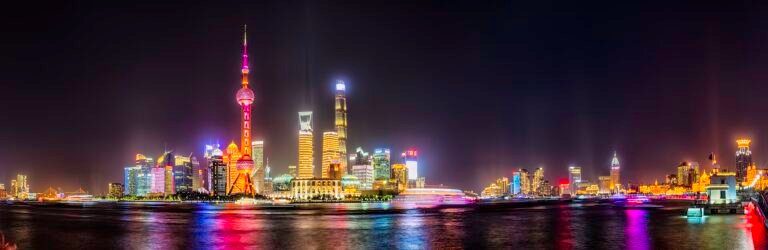
Fly Chengdu to Shanghai, about 2.5 hours, and keep days 9 and 10 for the city. The Bund at night, the former French Concession on foot, and one water town. Pick Zhujiajiao for the metro link or Suzhou for the prettier gardens, but not both. On the hotel front, everything you need to know about book hotels china explains the passport scan at check-in and which platforms show real availability for foreign cards, which saves a frosty argument at the front desk.
Spend day 9 walking the French Concession from Xintiandi to Fuxing Park, then the Bund for the lit skyline after dark, and finish with soup dumplings in Jing’an. Day 10 is the water town and a last wander through the old lanes near Yu Garden, where the streets are crowded but the side alleys open onto quiet courtyards if you step off the main drag.
What I would drop first
If a delay forces a cut, drop Chengdu last and treat Shanghai’s second day as the first to go. The honest order of dispensability is a second Shanghai afternoon, then Chengdu’s panda morning, then Xi’an. Most travellers regret skipping the pandas more than they regret missing a third night in a skyscraper, and the Wall is the one image people actually expect you to bring home.
I learned this the hard way in Xi’an, when a snow delay ate my Chengdu morning and I arrived at the panda base at 10:30 to find them asleep. The lesson is dull but true: protect the 07:30 openings before you protect anything else, because the animals and the light will not wait for your train. Build the trip around those two windows and the rest of the days can flex.
Keeping it realistic, plan 600 to 1,000 RMB a day outside the intercity flights and the Beijing to Xi’an train. The pandas and the Wall are the two fixed costs you should not trim, and the food is where you can save without feeling poor. A ten-day trip of this shape, with one domestic flight and four mid-range hotels, lands most travellers somewhere between 7,000 and 11,000 RMB all-in before the international airfare, and that range is wide because the hotels swing it more than anything else. Book the trains and the Forbidden City early and the rest of the budget takes care of itself.
Stretching it later
Ten days teaches you what you want more of, and that is the point. When you come back, China Itinerary 1 Month adds the southwest and the coast without the rush, and the two-week version sits neatly between the two.
The calendar matters more than the map. Tourism in China, as Wikipedia’s overview notes, runs on domestic holiday peaks, so the single biggest lever on your trip is the dates you choose, not the cities you pick. Check the official holiday list before you lock anything.

Frequently Asked Questions
Is ten days enough for a first China trip? Yes, if you treat it as four cities and not a survey. The route above gives you the Wall, the Terracotta Army, the pandas and Shanghai, which is the highest-impact short list available to a first-timer.
Can I add Guilin in ten days? Only by dropping Chengdu or Shanghai, and I would not. The Li River is stunning, but the flight plus transfers cost a full day you do not have on this timeline, and you would arrive tired either way.
Should I fly or take the train between stops? Train for Beijing to Xi’an and Xi’an to Chengdu; fly Chengdu to Shanghai. The eastern flight saves a day you can spend in the city rather than on a rail seat.
What is the one booking to make first? The Forbidden City ticket, three days ahead, because the cap sells out. After that, book the Beijing to Xi’an train about a week out in peak season, since the popular departures clear within hours.
Do I need a tour company for this route? Not for the cities. A guided day trip helps at the Wall if the public buses worry you, but Beijing, Xi’an, Chengdu and Shanghai are all manageable solo once the right apps are installed.
What should I pack that I might forget? A power-bank for the long rail legs, a physical card from your bank as backup to Alipay, and a photo of your passport on your phone for the hotel scans. The karst valleys and the Wall sections have patchy signal, so download maps and train tickets offline before you leave each city.