China’s National Parks: The Ones Worth Planning Around
I woke at 5.40 to a knock on the hostel door and a guide whispering that the fog had lifted at Zhangjiajie. We were on the first cable car up by 6.15, and for forty minutes the sandstone pillars belonged to about thirty of us. By 9.00 the same viewing platform held several hundred. China’s national park system was only formalised in 2021, but the landscapes it protects had been drawing travellers for decades, and the timing of your arrival matters more than any guidebook admits. This is the parks shortlist I’d actually build a route around.
Getting between these parks is the part nobody warns you about. They sit in four different provinces, and the high-speed network, brilliant as it is, still leaves you a bus or a private car from the station to the park gate. I learned to book the long rail legs a week out, treat the parks as fixed points on the map, and let the cities in between become the rest days. The alternative, a loop that hops parks every other morning, left me more tired than the trails did. Build the route around the trains, not the other way round.
Why the new park system matters to visitors
The national parks are not the same as the older scenic areas, and the difference shows in the queues. The formal parks cap visitor numbers on busy days, which means a calmer experience if you arrive early. I used the Best Apps China Travel guide to check the real-time crowd numbers at two parks, and it steered me away from one that was already at capacity by mid-morning.
What surprised me was how spread out the parks are. They are not a circuit you can drive in a week. Each one sits in a different province, often a full day of trains from the next. The list below is the handful where the journey itself is worth the effort.
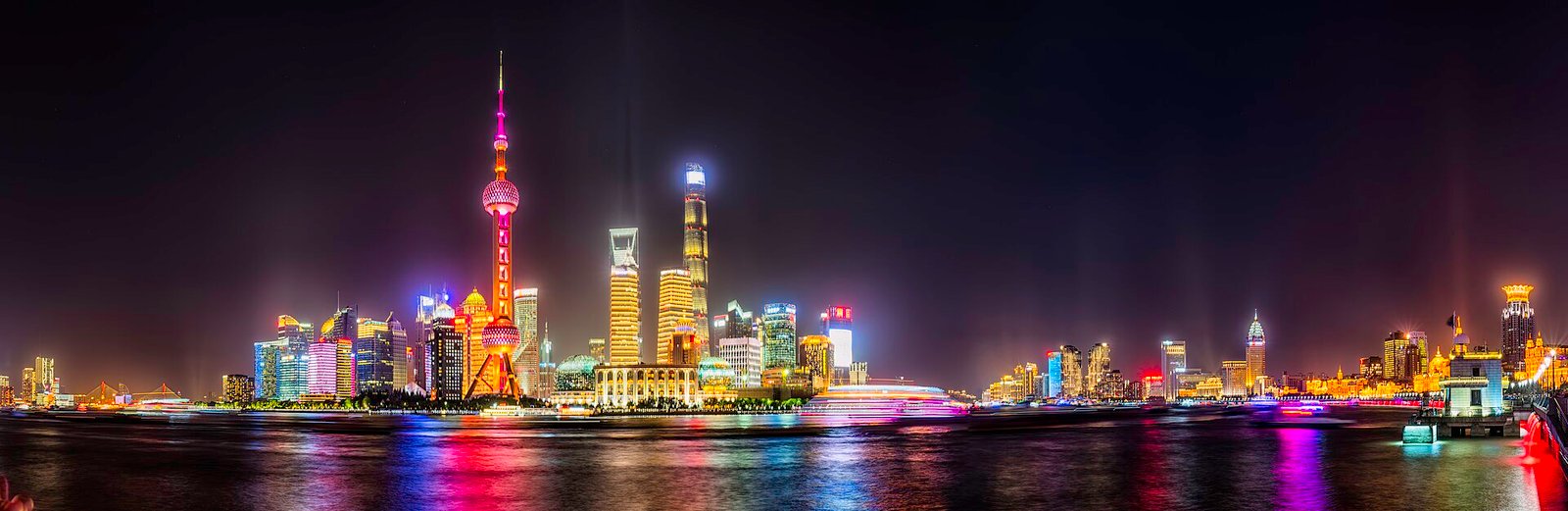
I’d treat the parks as the spine of a trip, not a box-ticking add-on. Pick one or two, give them real time, and let the cities in between be the rest days. That rhythm suited me far better than racing between peaks.
Zhangjiajie: the pillars that inspired the films
Zhangjiajie National Forest Park in Hunan charges RMB 225 for a four-day pass, which sounds steep until you realise it covers the shuttle buses inside the park. The Bailong elevator, a glass lift bolted to a cliff face, costs RMB 65 each way, and the Tianmen cable car is RMB 72 one way. I rode both once and walked down once; the walk down the Tianmen steps, all 999 of them, was the more memorable of the two.
The park is best in April to May and September to October. I went in July and the humidity was brutal, with afternoon storms that closed the cable cars for an hour at a time. The Best China Tour Companies day trips handle the shuttle timing if you’d rather not read a bus timetable at 6.00 in the morning.
Where to sleep
The Book Hotels China options inside the park gates let you wake up already inside, which is the single best trick for beating the crowds. I paid RMB 600 a night for a basic room a ten-minute walk from the east gate, and it saved me the 7.00 scramble that the outside hotels forced on everyone else.
Guilin and the Li River: karst without the hike
Guilin is the most relaxed park on this list. You don’t climb anything; you float. The Li River cruise from Guilin to Yangshuo runs RMB 210 to RMB 360 depending on the boat, and takes about four hours. I took the slower lower-deck boat, and the karst peaks sliding past the window were worth every yuan. The China 10 Day explained route uses Guilin as a soft landing between Beijing and the south, and I’d do the same.
Yangshuo, where the boat lands, is its own kind of stop. The karst here is for biking and rock climbing, not for tickets. I rented a bike for RMB 20 a day and rode past rice fields to a cafe that nobody on the cruise ever sees.
The food in Yangshuo caught me off guard in the best way. The river fish, cooked whole with ginger and pickled chillies, cost me RMB 68 at a riverside table, and the beer fish dish the town is known for turned out to be more than a tourist slogan. West Street, the main drag, is loud and lit at night, but a five-minute walk off it brings you back to quiet lanes where the only sound is the water. I treated Yangshuo as two halves: the daytime karst, and the evening street, and never let one spoil the other.
Jiuzhaigou: the colour that doesn’t look real
Jiuzhaigou in Sichuan is the park that broke my camera battery. The travertine lakes shift from turquoise to jade to a deep cobalt depending on the light, and the wooden boardwalks keep you off the fragile shoreline. Entry is RMB 169 in peak season plus RMB 90 for the sightseeing bus, and the park is huge, so the bus is not optional.
I visited in late October, and the autumn colour against the blue water was the most photographed scene of my entire China year. For all about best time to visit china, late October is the clear winner here, with November a close second before the cold closes sections. An earthquake closed parts of the park for years; check the official site before you go, because the open sections still rotate.
The boardwalk system is the clever part. The lakes are linked by wooden walkways that keep you off the fragile shoreline, and the bus drops you at the top of the valley so you walk downhill, not up. I took the full loop in about four hours at a slow pace, stopping at every viewpoint, and the light changed colour between each lake. Bring a spare battery and a real camera if you have one; my phone died at the third lake and I spent the rest regretting it. The crowds thin after 3.00 in the afternoon, which is the window I’d now aim for on a second visit.
Huanglong and the high-altitude pools
Huanglong sits near Jiuzhaigou, and the two are often paired, though I’d only do both if you’re already in Sichuan. The travertine terraces sit at over 3,500 metres, and the cable car up is RMB 80. The altitude is the real story: I was breathless at the top, and a friend felt worse. Take the cable car both ways if you’re not acclimatised, and don’t plan a hard hike the same day.
A direct comparison
| Park | Gate fee (RMB) | Best months | Effort level | Fits a 10-day trip? |
|---|---|---|---|---|
| Zhangjiajie | 225 (4-day pass) | Apr–May, Sep–Oct | High | Yes, as the anchor |
| Guilin / Li River | 210–360 (cruise) | Year-round | Low | Yes, as a rest day |
| Jiuzhaigou | 169 + 90 bus | Oct–Nov | Medium | Yes, with Sichuan time |
| Huanglong | 170 + 80 cable car | Oct | High (altitude) | Only if near Jiuzhaigou |
For everything you need to know about china 2 week, I’d add a second Sichuan park and a slow Yunnan leg, because the two-week route is where the parks really shine. How china accessible travel is really done is worth reading before Jiuzhaigou and Huanglong specifically, since the boardwalks are long and the altitude is unforgiving.
As Wikipedia notes, the National parks of China system is still expanding, so the list of formal parks will grow beyond the ones I’ve covered here.
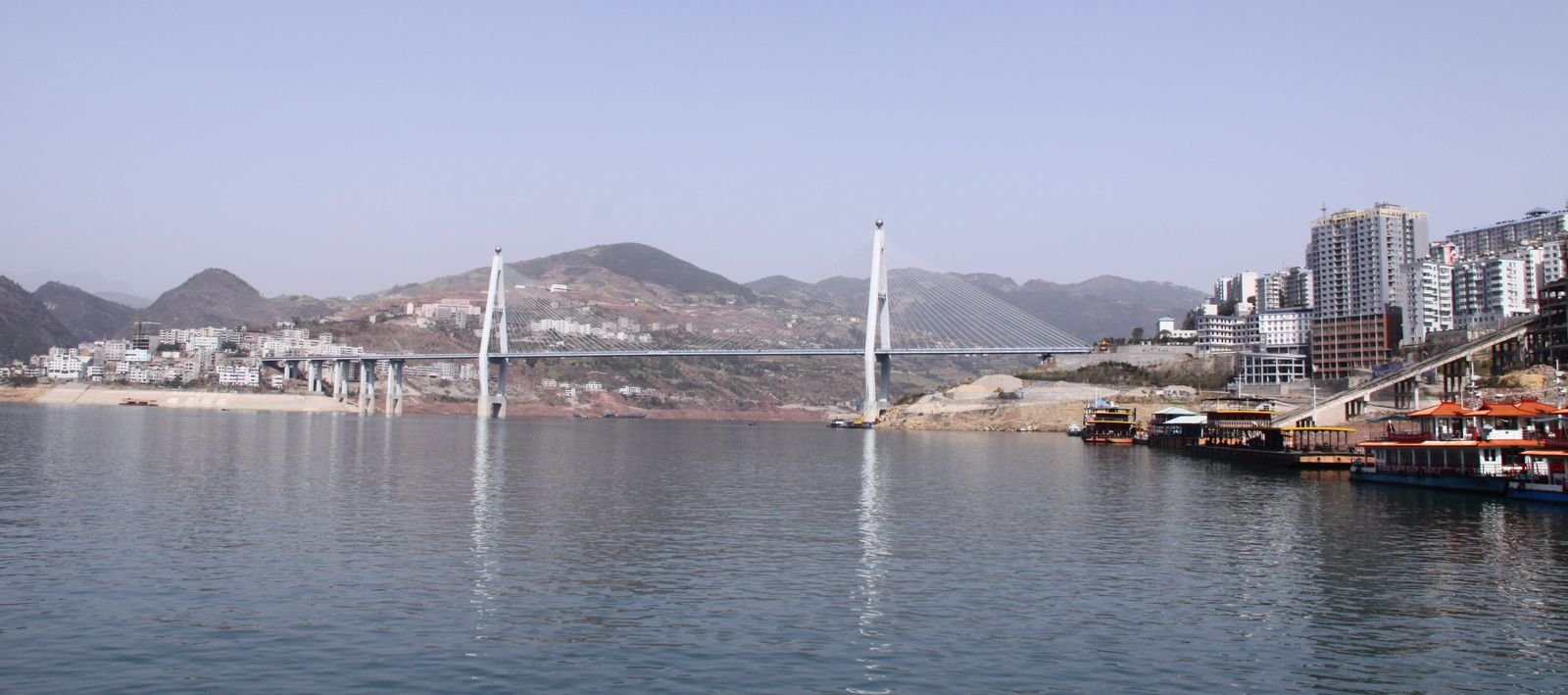
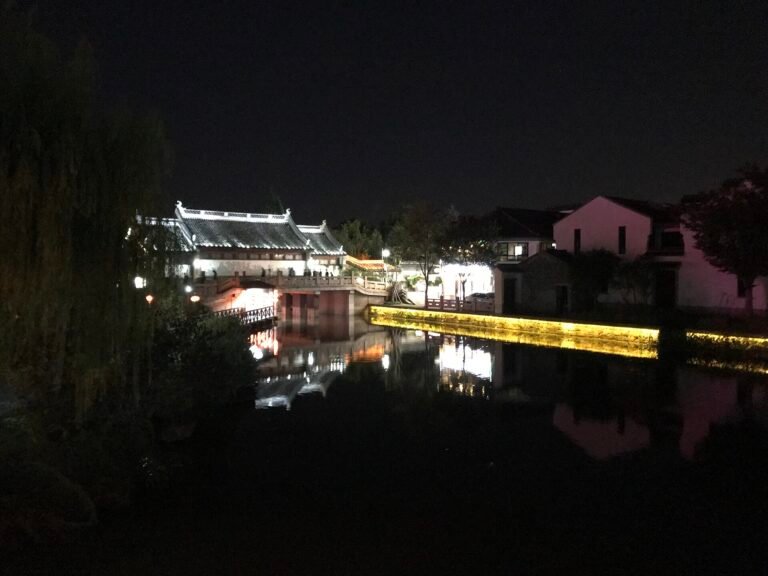
If you want a gentler, flatter kind of stop between the parks, my notes on china ancient water towns cover the canal villages that make an easy counterpoint to a week of climbing.
Frequently Asked Questions
How many national parks can I fit into ten days? Two, maybe three if one is Guilin, which needs no hiking. Zhangjiajie alone eats three full days once you count travel, and Jiuzhaigou wants two. Trying to add a fourth will leave you on trains more than on trails, which defeats the point.
Do I need a guide inside the parks? Not usually. The signage and shuttle systems are built for independent visitors, and the apps I mentioned handle maps. A guide earns their fee at Zhangjiajie, where the shuttle timing is confusing, but elsewhere you’ll do fine alone and save the RMB 300 to RMB 500 a day.
Are the parks expensive? The gate fees look high next to a city temple, but they cover transport inside parks that span tens of square kilometres. Budget RMB 400 to RMB 600 per park per person once you add cable cars and buses. The hotels inside the gates cost more, but the crowd advantage is real.
When should I avoid the parks? The July–August summer holidays bring domestic crowds and heat, and the first week of October is the worst of all. I’d target April–May or September–November, when the schools are in and the weather behaves.
Is altitude a problem at these parks? Only at Huanglong, and to a lesser degree Jiuzhaigou. Both sit well above 2,000 metres. If you’re coming from sea level, spend a night in Chengdu first, and don’t plan a summit hike the same day you arrive. The cable car at Huanglong spares most of the climb.
Can I visit the parks in winter? Some sections close after the first snow, especially Huanglong, but Zhangjiajie in winter is spectacular and empty, with rime ice on the pillars. Just check the official site before you book trains, because closures are posted late and vary year to year.