Haikou in Three Days: Where to Stay and Wander
The first time I flew into Haikou I expected another southern Chinese megacity, all glass towers and traffic. What I got instead was a town that moves at the speed of its own weather — slow, humid, and quietly pleased with itself. Hainan’s capital sits at the northern tip of the island, a short hop across the Qiongzhou Strait from the mainland, and it behaves nothing like the resort strip of Sanya two hours south. If you give it three days you’ll see a coastal city that still keeps its old arcade streets, its volcano fields, and a coffee habit that most visitors never hear about.
I stayed near the centre, walked most places, and took the occasional bus when the afternoon heat flattened me. This is not a place that rewards a packed itinerary. It rewards wandering, then sitting down. Below is how I’d spend three days, where I’d sleep, and the mistakes I’d avoid.
Where to stay: picking the right side of town
Haikou is not huge, but where you base yourself changes your trip. The two obvious choices are the historic core around Qilou Old Street (the Datong and Binhai area) and the newer stretch out by Holiday Beach in the west. I started in the centre and moved out, which is the order I’d recommend.
| Area | Best for | Walkable? | My take |
|---|---|---|---|
| Qilou Old Street / Datong | Food, history, evening walks | Yes | Stay here first |
| Guomao / CBD | Malls, business hotels | Partly | Fine, but a bit bland |
| Holiday Beach (west) | Sea view, resorts | No | Move out on day two |
| Meilan (near airport) | Early flights | No | Only if leaving at dawn |
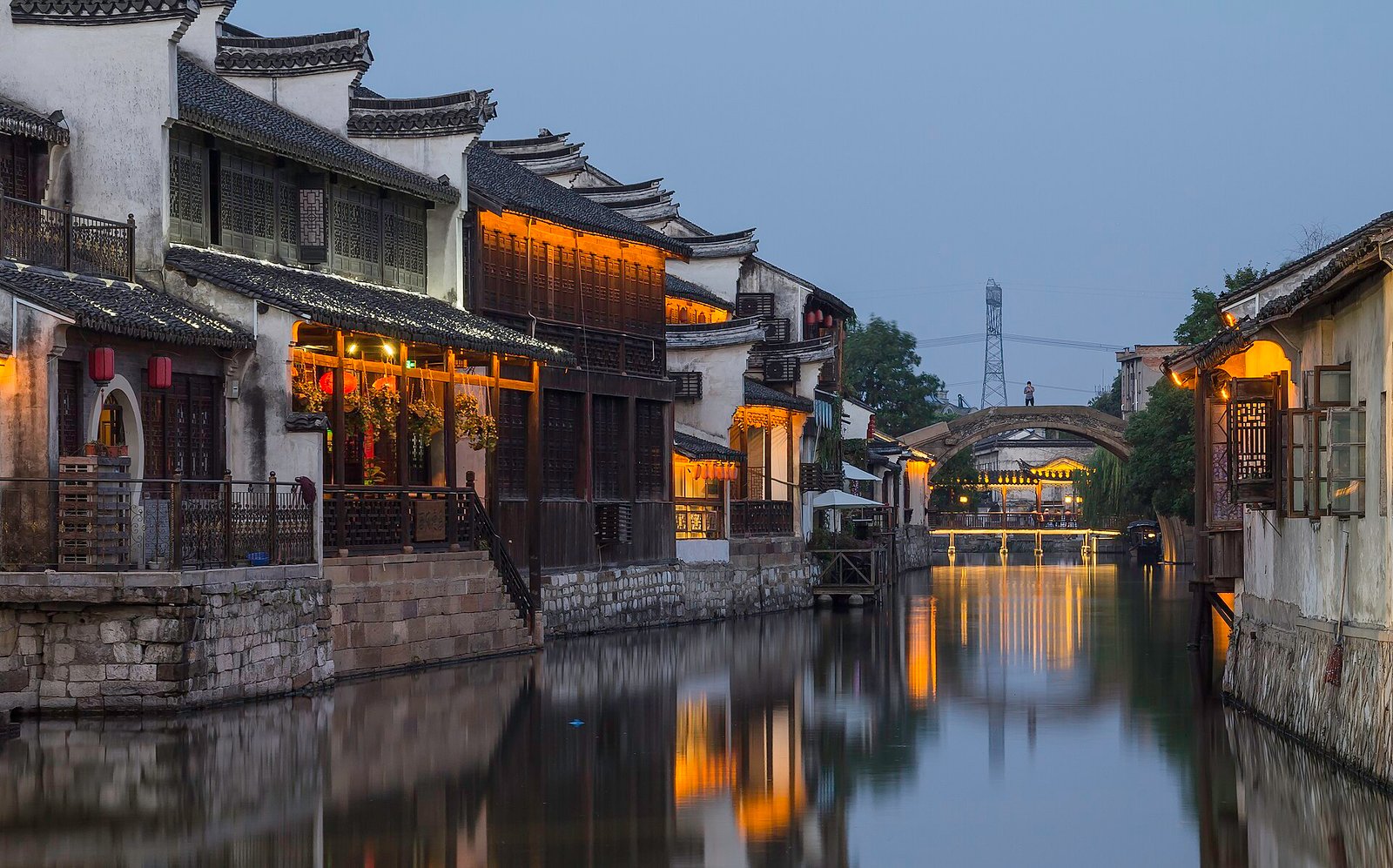
The old town is where Haikou actually feels like somewhere. The arcade buildings — qilou — run for several blocks, shaded colonnades where scooters drift past and old men play cards on stools. Hotels here are smaller and cheaper than the beach resorts, and you can step out at 7am for a soybean-milk breakfast before the heat builds.
If you’ve spent time in Beijing, the contrast is the point: there’s no Forbidden City gravity here, just a port town that grew up traded between sea and mainland. And after the long winters up in Changchun, Haikou’s soft air feels like a different country entirely — which, climatically, it rather is.
Day one: Qilou Old Street and the waterfront
Start at the arcade street. Go early. The light comes sideways through the colonnades and the place is yours before the tour buses arrive around ten. I spent a useless hour hunting a specific coffee shop a blogger mentioned; it had closed. Lesson one: in Haikou, ask at the corner stall rather than trust last year’s post, and check the official site before you go for the opening times of the smaller museums.
From the old street, walk down to the Haikou Clock Tower and the reclaimed waterfront promenade. It’s a flat, easy stroll, maybe twenty minutes, and the bay opens out with fishing boats and the occasional ferry. This is a good first-day evening: breeze, street snacks, and no plan.
The arcade street is also where the city’s trading past is most visible. The buildings were put up by returning overseas Chinese in the early twentieth century, a mix of French, Portuguese, and southern Chinese detail, and the whole district has been tidied without being gutted. You can still buy repair-glue and flip-flops next to a café selling single-origin pour-overs. That awkward, honest mix is the real Haikou.
Beyond the arcades, the evening food scene is the other reason to base yourself in the old town. As the light goes, the side streets fill with small grills and fruit stands, and the price of a plate of grilled squid or a bag of longan drops the further you walk from the main drag. I made a habit of buying dinner from whichever stall had the longest queue of locals — it failed me exactly once, and that was a stomach I’d earned by ignoring the rule.
Day two: Volcano Park and Holiday Beach
Haikou’s surprise is that it sits on volcanic ground. The Haikou Volcano Cluster National Geopark, about forty minutes west of the centre by bus or taxi, is a real walk through cooled lava fields and a low crater you can climb. I went expecting a gimmick and left impressed — the path is shaded, the air is cooler up the rim, and the views back to the city are genuinely odd for a provincial capital.
In the afternoon, drop down to Holiday Beach. It’s a long, wide stretch of sand with a promenade and not much else, which is exactly its charm after two days of streets. The water is warm most of the year. Bring your own water and shade; the facilities are thinner than the resorts suggest, and the nearest proper food is a short ride back inland.
People often pair Hainan with a Sichuan-style food trip, and if you want all about changsha or a proper take on chengdu, the chilli levels down here will feel gentle by comparison. Haikou eats are closer to Cantonese — light, sour, seafood-forward — with a Hainanese twist of coconut and fermented dips.
Getting there and getting around
Haikou has a proper international airport (Meilan) on the east side, linked to the city by a fast metro line, and a high-speed rail connection that runs straight down the east coast to Sanya. Mainland trains arrive via the cross-strait rail ferry, which is one of those facts that sounds like a travel myth until you watch a carriage get loaded onto a boat.
| Option | From | Time | Notes |
|---|---|---|---|
| Flight to Meilan | Major cities | 1–4 hrs | Metro line 1 runs to the centre |
| High-speed rail | Sanya / east coast | 1.5–2 hrs | Scenic; book ahead in holidays |
| Rail ferry | Guangzhou / mainland | Overnight | Check the official site before you go |
| Local bus | City centre | Cheap | Air-con varies; ride apps are easier |
Inside the city, DiDi (the local ride app) is reliable and cheap, and the metro covers the airport and a couple of central stops. For the geopark and the beach, ride-hailing beats the bus unless you enjoy uncertainty. Scooters rule the old town, so cross streets with your ears as much as your eyes.
Coffee, bananas and what to eat
Hainan grows a lot of the country’s coffee — the volcanic soil around the island suits it — and Haikou has a small but serious café scene that barely registers in guidebooks. I found the best cup in a back-street roaster near the old town, not in any mall. The local style is often a robusta blend, hotter and earthier than what you’d get up in Chengde Travel Guide territory, where the draw is summer palaces rather than caffeine.
Food highlights: Hainan chicken rice (the island’s signature, gentler than the Singaporean version), Qingbu Liang (a cold sweet soup with beans and coconut milk, perfect against the heat), and the breakfast soybean milk with fried dough sticks from any street corner. For something with a kick, the hotpot here uses sour bamboo and fermented chillies rather than the numbing oil you’d meet in everything you need to know about chongqing.
The banana situation deserves a word. Roadside stalls sell small, intensely sweet local bananas that taste nothing like the supermarket fruit up north, and they cost almost nothing in season. Buy them from the woman with the cleverest pile, not the nearest cart to the taxi rank.
The ferry and a note on the mainland
If you’re continuing on, the ferry to the mainland is the old romantic option, but it’s slow and weather-dependent. Most travellers now take the flight or the rail link south. Either way, Haikou works best as a soft landing — a place to reset your clock before the louder cities.
As Wikipedia notes on Haikou, the city has been a trading port for centuries and became the provincial capital in the twentieth century; that layered history is why the old street and the modern waterfront sit so close together. I’d treat three days as the floor, not the ceiling.
Frequently Asked Questions
Is Haikou worth visiting if I’m already going to Sanya? Yes, for a different reason. Sanya is beaches and resorts; Haikou is the working port city with history, food, and a slower pulse. Two nights here balances a Hainan trip well.
When is the best time to visit Haikou? November to March is the comfortable window — warm but not punishing. Summer is hot and prone to typhoons, so check the official site before you go for weather and transport updates.
How many days do I really need? Three full days covers the old town, the geopark, and a beach afternoon without rushing. Add a fourth if you want to day-trip or simply linger over coffee.
Can I get around without speaking Chinese? Largely yes, with a translation app and DiDi. Menus are often picture-based in casual spots, and the metro has English signage at major stops.
Is the Volcano Park suitable for children or older travellers? The main crater path is manageable but has steps and uneven ground. Take water and go early. Check the official site before you go for current accessibility details.
Do I need a visa for Hainan? Hainan has offered visa-free entry for certain passport holders under rotating policies; the current list changes, so check the official site before you go and confirm with your embassy.