Hangzhou Travel Guide: What to See, Eat and How to Get Around
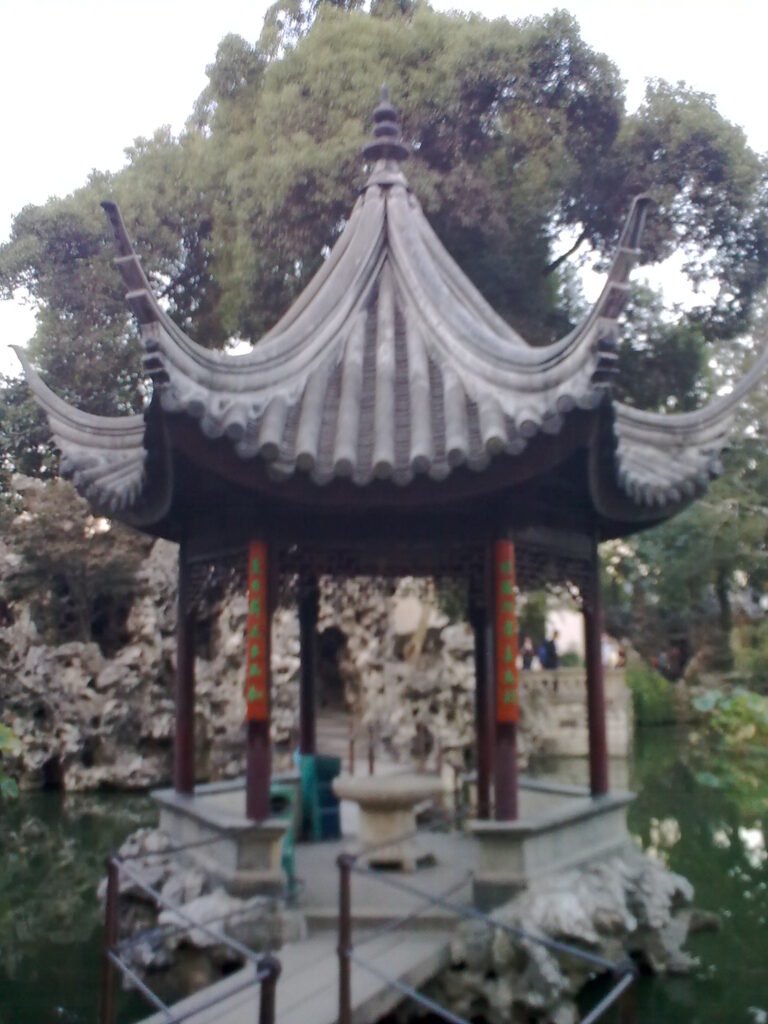
Here’s the number that caught me out: Hangzhou’s West Lake is only about 6.5 kilometres around its shore, a walk most people could manage before breakfast. That small body of water draws more than twenty million visits a year, which sounds like a queue nightmare until you arrive and realise the shore is long, the paths are many, and the crowds thin out within five minutes of leaving the main causeway. Hangzhou has been a centre of trade and silk for over a thousand years (Wikipedia), and the lake sits at the heart of all of it.
Arriving and finding your footing
Most visitors reach Hangzhou by high-speed train from Beijing, a ride of around four and a half to six hours depending on the service. The east railway station connects straight to the metro, and the airport has a bus and a metro link if you’re flying in. I stayed near the lake’s eastern shore and never once needed a taxi for sightseeing, which tells you how compact the interesting parts are. A central room runs 350 to 600 RMB a night depending on season, and the lake-front premium is real, so I’d rather save that money for food and walk ten minutes extra.
Settle in, then do nothing ambitious on day one. The single best thing I did was walk the lake at dusk with no plan, letting the light do the work. Everything else in this guide slots around that habit. The weather matters more here than in most cities I’ve visited: a grey drizzle turns the lake into a scroll painting, while a harsh midday sun flattens it, so check the forecast and save your walking for the soft hours.
Day one: the lake, walked slowly
Start at the Broken Bridge on the north shore and walk the eastern and southern edges rather than the busy Bai Causeway. The eastern path stays leafy and quiet, and you’ll pass the lotus ponds that seed half the postcards. Rent nothing, hire no boat at first — just walk until you reach Leifeng Pagoda on the south, which you can climb for the standard panorama.
By midday the tour groups concentrate on the causeways, so slip off to a side street for lunch and return to the water in the late afternoon when the light flattens and the photographers thin out. If the water tempts you, the short boat hops to the lake’s two small islands are worth one ride; I took the ferry to Lesser Yingzhou and walked the ring path in twenty minutes, which was enough novelty without the cost of a private cruise. If you’ve come up from the wide boulevards of Changchun, the scale here will feel like a different country, and that contrast is part of the pleasure.
Day two: temples, tea, and the canal
West of the lake, the hills hold Lingyin Temple, one of the most active monastic sites in the region, followed by the climbing walk to Bei Peak for a cable-car view back over the water. Get there early; the incense crowds build by mid-morning. From there, head to the Longjing tea villages, where you can watch spring picking and taste green tea that rarely leaves China. The best tastings are in family houses up the small roads rather than the souvenir shops on the main drag, and a pot of the good stuff costs roughly what a coffee does back home.
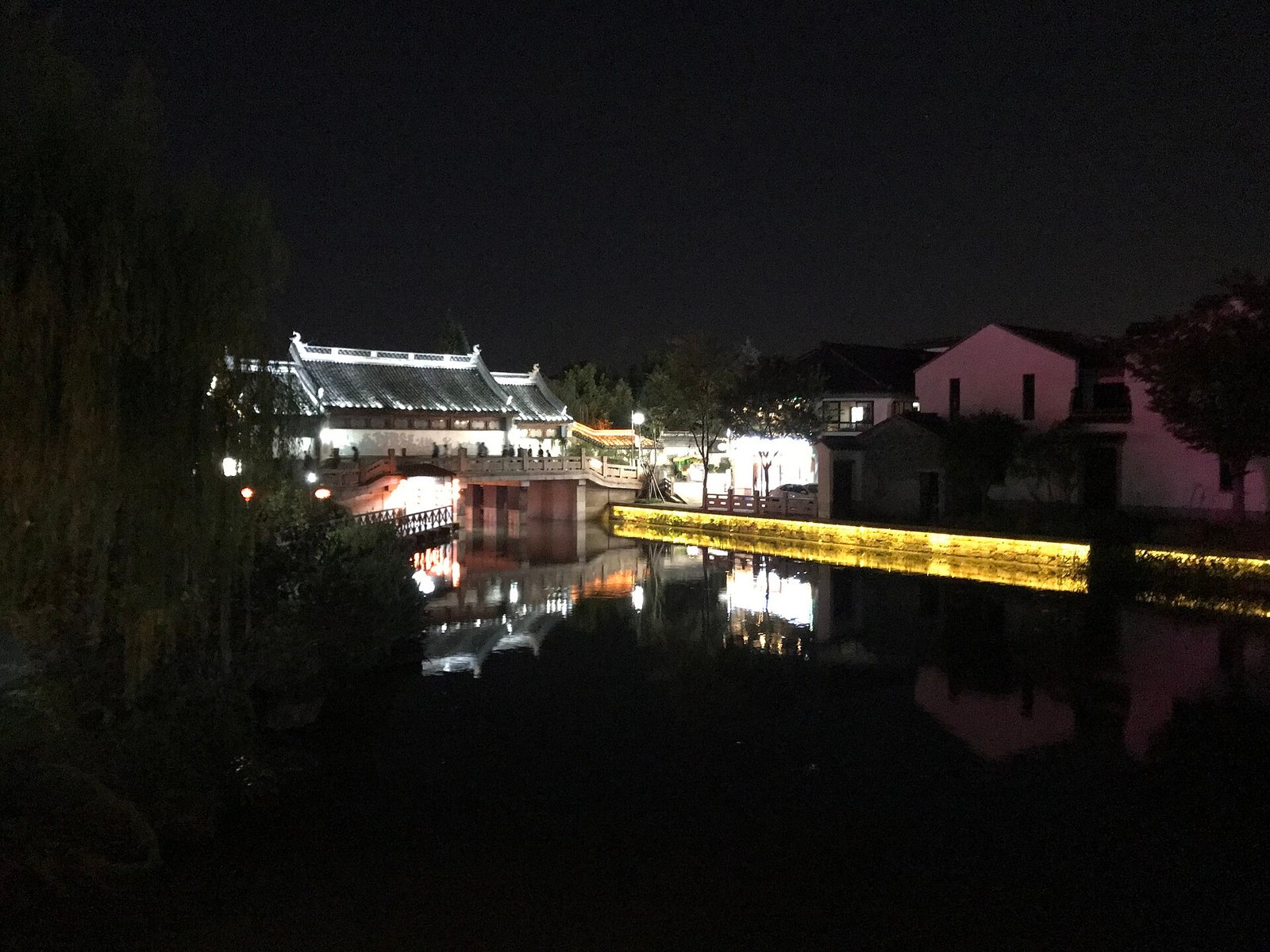
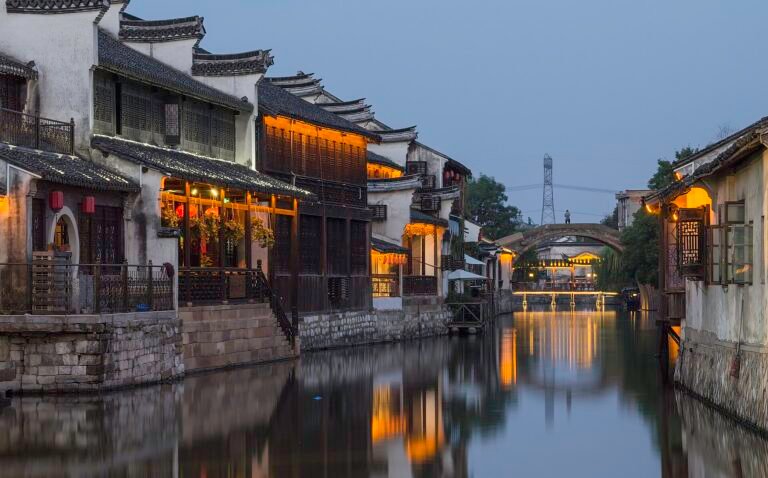
The Grand Canal waterfront, north of the centre, is the sleeper hit. The southern stretch near Gongchen Bridge has been restored into a walkable strip of warehouses, small museums, and noodle shops that locals actually use. It’s a calmer evening than the lake and a useful reminder that Chengde Travel Guide isn’t the only place where imperial landscaping met ordinary life. I spent a warm evening there with no plan beyond a bowl of won ton and a slow walk back along the lit water, and it was the most relaxed hour of the trip.
What to eat and where the locals queue
Hangzhou cooking is subtle, slightly sweet, and built around river fish, bamboo shoots, and tea. The signature dishes — West Lake vinegar fish, Longjing shrimp, and beggar’s chicken — are easy to find but vary wildly in quality, so follow the queue rather than the menu photos. I had my best meal at a bare room where the only English was the word “rice,” and my worst at a lakefront spot charging for the view.
For a regional comparison, Chengdu explained will tell you what chilli does to a cuisine; Hangzhou is the restraint test on the same exam. Both are worth your time, but come here expecting flavour you have to lean in to notice rather than flavour that announces itself. A few dishes to actually seek out: Dongpo pork, braised slowly in wine until it collapses on the chopstick; steamed river fish with a whisper of ginger; and the sweet-sour lotus root that turns up as a cold starter in better rooms. None of them shout, and that’s the point.
One practical note: the tourist restaurants clustered at the lake’s south end charge for the view and deliver for the camera. Walk three blocks inland and the same dish drops by a third and improves. My favourite dinner was a tiny room on a side street where the owner brought four cold plates first and told me, through a translation app, to eat slowly — advice the city itself seems to hand every visitor. Budget around 80 to 120 RMB a head for a proper spread, and twice that if you sit where you can see the water.
Getting around: metro, bike, or boat?
The choice changes how the city feels.
| Option | Best for | Cost | Downside |
|---|---|---|---|
| Metro | Airport, station, long hops | ~2–8 RMB | Doesn’t reach the lake shore |
| Shared bike | Lake loop, canal, short trips | ~1–3 RMB/ride | Hills west of lake are steep |
| Tour boat | Lake views, photos | ~70 RMB+ | Crowded at peak times |
| Taxi/Didi | Late nights, luggage | Metered | Useless in lake-front jams |
I used the bike for nearly everything and the metro only for arrivals. The shared bikes are everywhere, the lake loop is flat, and pedalling between tea hills and the canal gave me more than any organised tour. Unlock with one of the local apps and park in the marked bays, or you’ll get a small fine pushed to your phone later — a lesson I learned the cheap way on day two. If you prefer hills to flats, note that everything you need to know about chongqing describes a city where the gradient is the whole personality — Hangzhou is the gentle version, and the only real climb is the one up Bei Peak.
Side trips from Hangzhou
The water towns of Wuzhen and Xitang sit within two hours by bus and make an easy overnight, though they’re more staged than the canal itself. Go on a weekday if you can; the weekend coach tours turn the main lanes into a slow shuffle, and the evening light show that everyone photographs is the same one everyone photographs. Closer, and better, is the hike at Nine Creeks (Jiuxi) where a stream threads through a forest between the tea hills and the lake — bring water and proper shoes, because the path is longer and shadier than it looks on the maps.
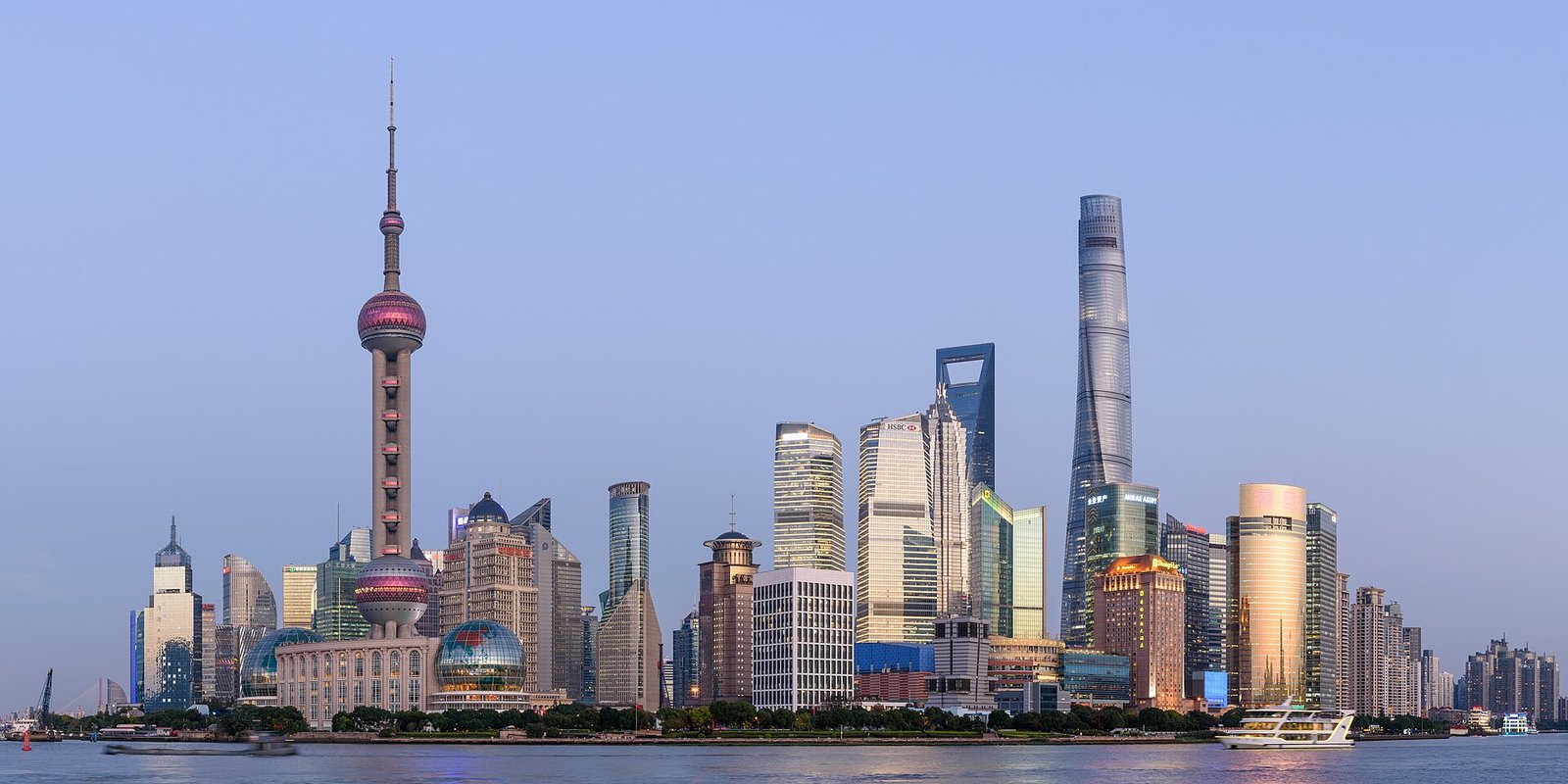
For a longer loop, how dali is really done and all about changsha both sit comfortably on a southern China route, but Hangzhou pairs most naturally with nearby Suzhou and Shanghai by high-speed rail, letting you trade lake for garden for skyline in a single week. I’d resist cramming all three into four days; Hangzhou rewards a slower hand than the bullet trains suggest.
Frequently Asked Questions
How many days does Hangzhou need? Two full days covers the lake, one temple, the tea hills, and the canal without rushing. Add a third for a water town or a slower pace, which is the whole point here.
Is West Lake free? The lake itself and the paths around it are free to walk. Individual sites — pagodas, islands, temples — charge separately, usually in the 30 to 70 RMB range, so budget a little per stop rather than one big ticket.
When is the best time to visit? March to May for the tea harvest and green hills, and September to November for clear autumn light. Summer is hot and crowded; winter is cold but empty and quietly lovely.
Can I drink the local tea without a tour? Yes. The Longjing villages welcome walk-in tastings, and you can buy leaves directly from growers. Learn the approximate market price first so you can tell a fair deal from a tourist one.
Do I need to book the high-speed train? In holiday periods, absolutely. At quiet times you can often buy a same-day ticket, but booking ahead through the official channel removes the stress of a sold-out departure.
Is Hangzhou English-friendly? More so than smaller cities, especially at the station and major hotels, but menus and signage are mostly Chinese. A translation app and your hotel’s address in characters covered every gap I hit.