China Honeymoon Ideas Beyond the Obvious
I first saw them on the platform at Yangshuo at six in the morning, two rain jackets thrown over pyjamas, arguing gently about which of them had the camera. They had flown in three days earlier for what they called “the obvious week”: Beijing, the Great Wall, a glitzy night in Shanghai, and they were visibly running on fumes. What saved their trip was a decision to scrap the second half and take a slow boat south instead. I think of that morning often, because it is the clearest illustration I have of what makes a China honeymoon work. The couples who enjoy it are the ones who stop trying to see everything.
That matters more here than in most countries. As Wikipedia notes in its overview of tourism in China, the rail and air networks now move enormous numbers of domestic travellers each year, and the classic route is built for people with a checklist rather than a slow breakfast. Two people travelling on their own timetable need a different plan. The good news is that the alternatives are easier to arrange now than they were even five years ago.
Why I would skip the greatest-hits circuit
The standard first-timer loop of Beijing, Xi’an and Shanghai is popular for good reason, but it is a poor fit for a trip whose whole point is being together. You spend a large share of each day in queues, in transit, or standing in a crowd of three hundred people all photographing the same hall. I have done it and enjoyed it, but I would not choose it for a honeymoon.
What I would choose instead is a route with two or three bases, each held for three or four nights, joined by a single train or a short flight. That gives you mornings that belong to you, time to find a favourite tea shop, and the freedom to change a day’s plan when the weather turns or one of you simply wants a lie-in. On our second trip we spent four nights in one town and only two in the next, and the difference in how rested we felt was obvious by the third day.
The other reason to slow down is simple geography. Distances that look small on a map take half a day once you include getting to the station, the security queue, and the walk to your next hotel. A high-speed train between two southern cities might be three hours on the timetable, but it consumes the better part of a day door to door. Fewer moves mean more of your fortnight is actually holiday.
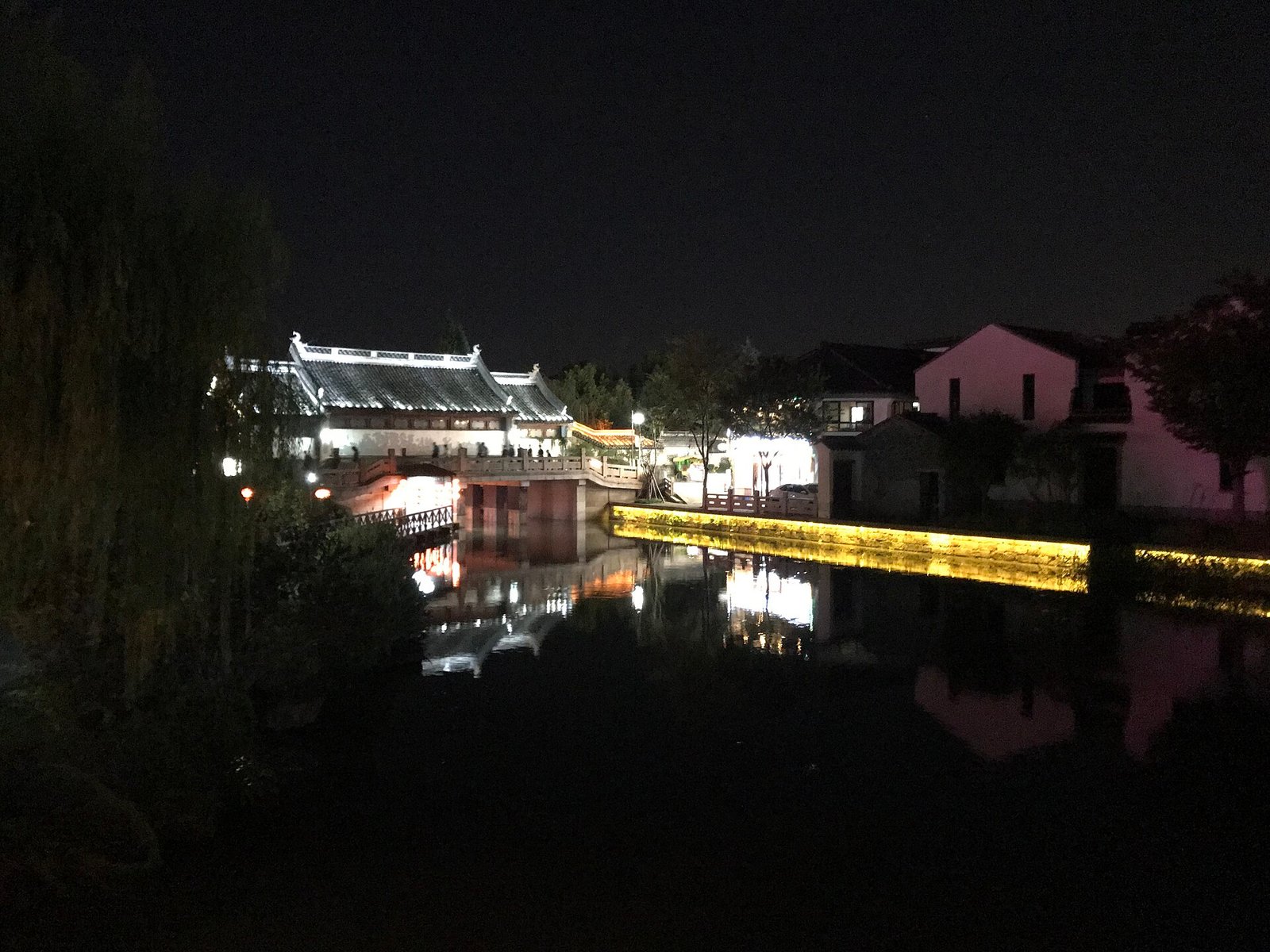
The couples who do this well plan around a rhythm rather than a list: one substantial sight in the morning, a long lunch, and an afternoon with no agenda beyond a riverbank or a courtyard.
Slow days in the south
My favourite base for a first trip like this is Yangshuo, in Guangxi. The town itself is small enough to cross on foot in twenty minutes, which means you can slip out before the tour groups arrive and be back for a mid-morning coffee. The karst hills rise straight out of the rice fields, and a bamboo raft on the Li River at dawn costs roughly RMB 200 to 300 depending on the route; check the official site before you go, as river levels change the running of some sections. We did one raft morning and one cycling morning and would happily have swapped a whole city for a third.
A word on the cycling: the villages west of town are connected by flat paved lanes, and you can rent a bicycle for around RMB 40 a day. Aim for the stretch towards Yulong River, where the path runs beside water and old stone bridges. I recommend starting before eight, because by ten the road fills with vans and the charm thins noticeably. Pack a hat and a bottle of water; there is little shade along some of those lanes, and the afternoon sun is stronger than it looks.
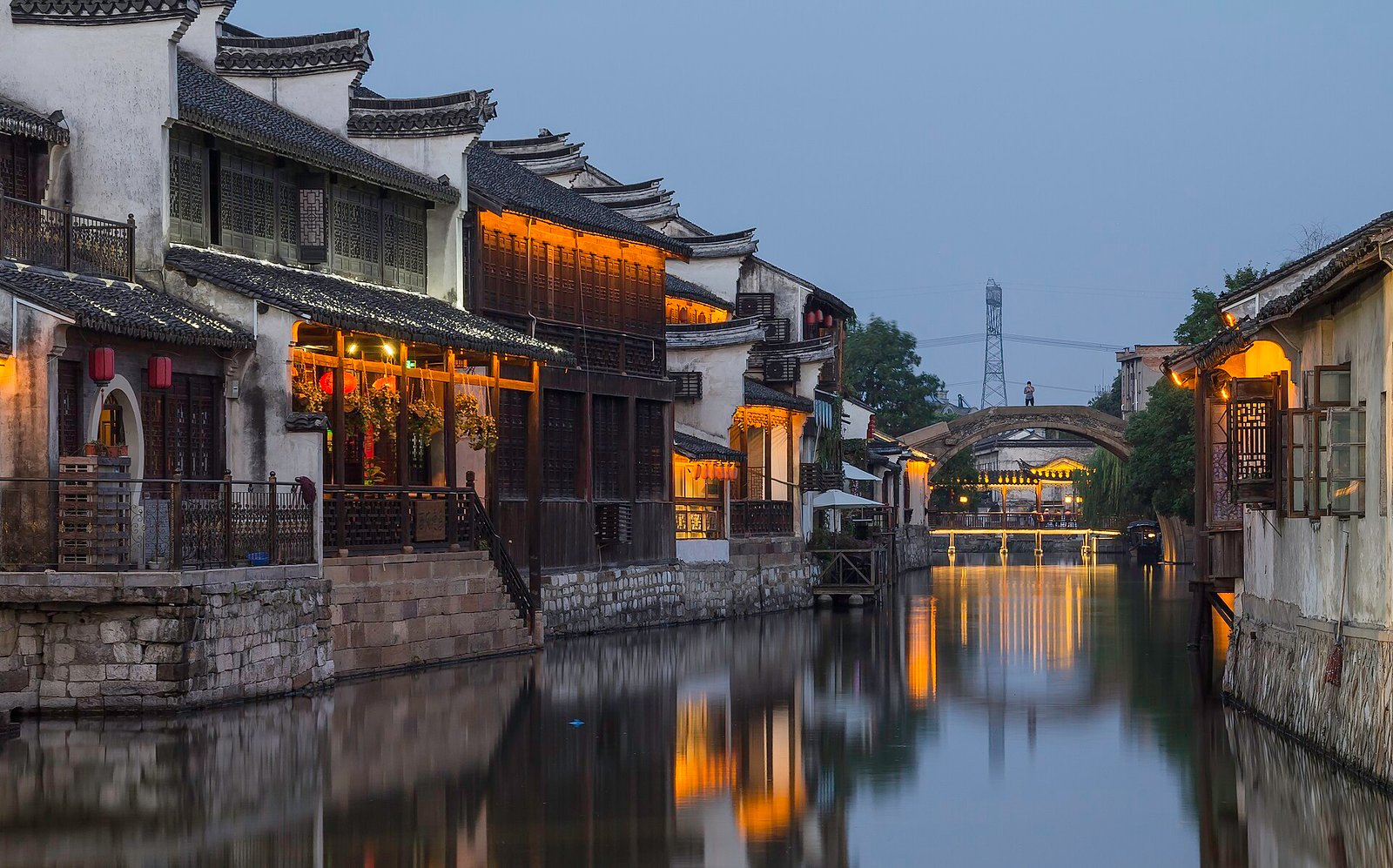
Further west, Dali in Yunnan suits a couple who want a base rather than a day trip. The old town has a grid of cobbled lanes, a lake edge within cycling distance, and enough cafés to occupy a rainy afternoon. We stayed four nights and still left with a list of places we had not tried. If canal-side lanes and stone bridges are your thing, the slow pace comes naturally here in a way it does not in the big cities. The walk from the old town to the lake takes about twenty-five minutes at an amble, which is long enough to feel like an outing but short enough to do on a whim after dinner.
Choosing a room you will want to return to
On a honeymoon the room is not a place to sleep; it is part of the trip. I have learned to pay for location and quiet rather than square metres, and to read the recent reviews rather than the glossy description. A courtyard guesthouse in Yangshuo with a balcony over the fields beat a larger hotel on the main road for us by a distance.
I also check three things before booking anything: whether the property can arrange an airport or station pick-up, whether there is a lift (many old buildings have four floors and no lift), and how close the nearest construction site is. For comparing neighbourhoods and reading between the lines of reviews, Book Hotels China is where I start now instead of scrolling listings at random. It is the boring hour of research that pays off on the second morning, when you are not hauling a suitcase up five flights of stairs.
The practical layer, sorted before you fly
Three things make a real difference and none of them are exciting. First, payment: set up the two main apps at home, link a card, and pass the identity checks on your own Wi-Fi. Nowhere else in the world have I gone a whole fortnight without touching a note, but the setup is fiddly and best done before you land. Best Apps China Travel is the shortlist I now send to friends, including the apps I tried and deleted.
Second, timing. Shoulder seasons suit a slow trip far better than the peak weeks. Late September to early November gives clear air and manageable crowds in the south; March and April bring rain but also the greenest fields. For the finer detail on weather by region and the weeks to avoid, all about best time to visit china is more useful than a single national answer, because the country is too big for one.
Third, the days you would rather hand over. A private driver for a single long transfer or a two-day excursion costs more than doing it yourself but saves a great deal of negotiation at stations. Best China Tour Companies covers the operators I would trust with the awkward logistical days while keeping the quiet mornings for ourselves.
Ten days or two weeks?
This is the question I get asked most, and my answer depends on how many bases you want. With ten days you can comfortably manage two: fly into one city, train to a second, fly home. With two weeks you can add a third, and the trip stops feeling like a sprint. Here is how I break it down.
| Ten days | Two weeks | |
|---|---|---|
| Comfortable bases | Two | Three |
| Best pairing | Yangshuo plus Shanghai | Yangshuo, Dali plus Hangzhou |
| Pace | One big sight a day, most mornings free | Several free days; room to change plans |
| Long transfers | One flight, one train | Two flights, two short trains |
| What you give up | A third region entirely | Some work days and a larger budget |
If you are leaning towards the shorter version, everything you need to know about china 10 day lays out a route that does not depend on overnight trains. When you can spare the extra days, everything you need to know about china 2 week shows how to add a third base without spending your whole holiday on platforms.
The small things that change a day
Carry a power bank, because navigation and payment on the same phone will flatten a battery by mid-afternoon. Keep your hotel’s name saved in Chinese characters and take a screenshot of each day’s address; showing a clear screen to a driver has never once failed me. Learn four words — hello, thank you, how much, no thanks — and use them every time.
Book the raft and any popular meal a day ahead rather than hoping on the morning, and keep one afternoon completely empty. The couples I met who were still smiling on day twelve were not the ones who had seen the most; they were the ones who had left space for an unexpected invitation, a rainstorm, or a second coffee.

Frequently Asked Questions
Is a China honeymoon safe for two people travelling independently? Yes, in the cities and regions described here I have felt comfortable travelling as a couple throughout. Standard precautions apply: keep valuables close in crowds and agree a meeting point in case you get separated in a busy station.
How much should we budget for a two-week trip? It varies widely with your choice of hotels and flights, but a mid-range trip with two or three private transfers typically costs more than a similar fortnight in Southeast Asia and less than one in Japan. Prices for entry tickets and raft trips change, so check the official site before you go rather than trusting a figure in an article.
Do we need to speak Chinese? No. Translation apps handle menus and simple conversations, and a screenshot of an address covers most taxis. The four words above will smooth a great many interactions.
Which region is best for a quiet, romantic first trip? Guangxi and Yunnan are my picks for, respectively, river scenery and old-town calm. Both reward slow travel and both are easy to reach by high-speed rail.
Should we use a tour company for the whole trip? I would not. Hand over the awkward transfer days by all means, but keep your mornings and your evenings to yourselves; that is the part you will remember.