Things to Do in Jiufen, China, and the Ones Locals Actually Recommend
The first time I went to Jiufen, China, I made the tourist’s classic error. I arrived at three in the afternoon on a Saturday and spent the better part of forty minutes simply trying to squeeze into the main lane. The red lanterns were there, exactly as the photos promised, but I couldn’t enjoy them through the backs of a hundred strangers’ heads. If you take one thing from this piece, let it be the timing: Jiufen rewards the visitor who shows up early and leaves before the coach tours settle in for the afternoon.
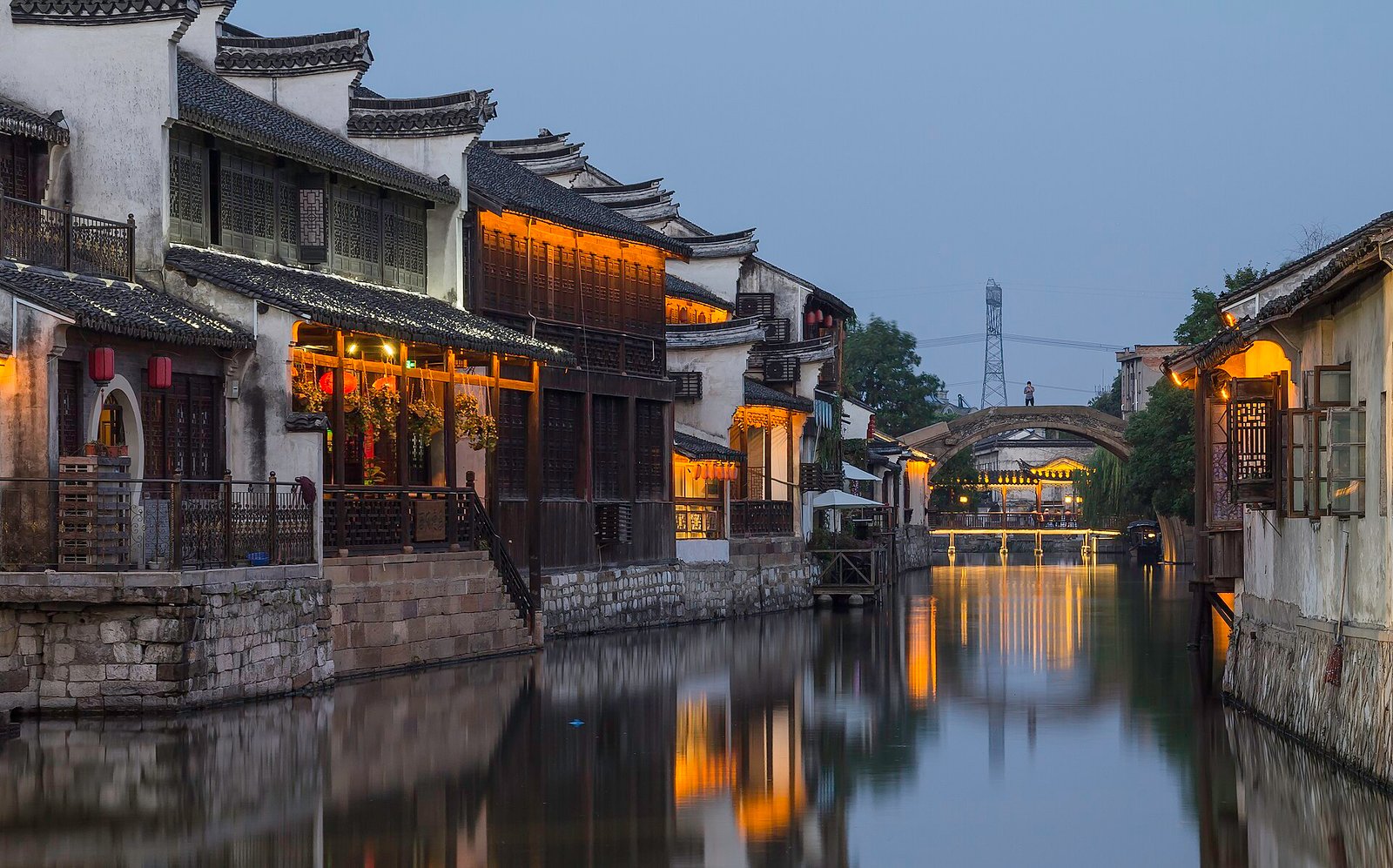
Getting to Jiufen, China from Taipei
The simplest route starts at Taipei Main Station and runs in two legs. I took the Taiwan Railways (TRA) local train to Ruifang — the ride runs about 35 to 50 minutes depending on whether you catch an express — and then changed to a Keelung bus (numbers 788 or 825) or the Ruifang shuttle that climbs the final winding road to Jiufen’s old street. The bus drops you near the top of the lane, which is the sensible way round: you walk downhill through the town and let gravity do the work on the way back. If your route later runs up the east coast, my notes on Dalian describe a very different shore and a very different kind of wind.
Budget roughly 60 to 100 RMB equivalent in local currency for the train and bus each way, though fares shift, so check the official site before you go. A taxi or ride-hail from Ruifang station is the lazy option and costs more, but it spares your legs for the actual climbing ahead. Either way, the journey from central Taipei takes around 90 minutes door to door, and I’d build in buffer time because the mountain weather makes the bus ride slow and queasy when it rains. The last bus down fills quickly in the evening, so note the return times at the stop when you arrive rather than trusting your memory later.
What the guidebooks push — and what I’d skip
Most itineraries dump you straight onto Jishan Street and call it a day. It’s the photogenic spine of Jiufen, China, with lanterns overhead and food stalls shoulder to shoulder, and I won’t pretend it’s without charm. But the same five shops get recycled in every blog, and the taro balls at the famous branch taste much like the taro balls one stall over. Spend twenty minutes there for the atmosphere, then step into the side lanes where the town actually breathes and the photography stops being a contact sport.
The mountain-town energy here put me in mind of the slower pace I found when I worked through how Dali is really done. If you’re assembling a wider China route afterward, our Beijing piece covers the capital you’ll probably fly through first, and it pairs well with a few days on this coast before you head inland.
Where the locals actually eat
Skip the queue at the flagship taro-ball shop and look for the smaller places on Shuqi Road, where residents buy their afternoon sweet. The peanut ice cream roll is the one street snack I’d genuinely travel for: a warm peanut brittle pressed around a cold scoop with coriander and malt syrup, sold from a cart that’s been on the same corner for years. Locals order it without fuss and eat it leaning against the railing, watching the coastline go grey below the cliffs. It costs less than a coffee and tastes like nowhere else I’ve stood.
For a proper sit-down, the fish-ball soup shops just below the old theatre do a steady trade with people who live here, not with the day-trippers. The broth is clear and salty in the way only a fishing coast produces, and the handmade balls have a spring you won’t find in a packet. If your travels take you north into the northeast, the street-food habits I noted in Changchun make an interesting contrast to this southern snack culture, heavier and louder in every good way.
Round out the snacks with the sweet-potato balls and the grass jelly if you’ve room, both sold from family stalls that don’t bother with signs. The portions are small on purpose, so you can graze your way down the lane without a proper meal until dinner. I treated the whole descent as a rolling tasting menu and spent less than a single meal would cost in central Taipei, which is rare for a place this photographed.
Teahouses with a view worth the climb
Jiufen, China made its name on tea, and the cliffside teahouses are the reason to slow down. Amei Teahouse gets the photos, but I preferred the smaller houses further along the ridge where you can actually hear the sea below the music. Order an oolong, take the terrace seat, and watch the fog come in off the water — it’s the single cheapest view in town and nobody rushes you out. The waiter leaves you to it, which is the whole point of the place after a busy morning on the stairs.
The ritual matters more than the celebrity on the postcard. A pot of local tea runs a few hundred local dollars and buys you an hour of coast that costs nothing else. The inland tea culture I described in Chengdu explained is a different ceremony entirely, but the hospitality instinct is the same — as is the heat you’ll meet in everything you need to know about chongqing, where the food bites back and the tea is there to cool you down.
When to go, and how to dodge the coach tours
Weekday mornings are the secret most visitors miss. I arrived at nine on a Tuesday once and had Jishan Street nearly to myself, lanterns swinging in a light wind with no crowd to buffer them. The tour buses roll in from late morning onward, and by noon the lanes are a slow-moving queue where you shuffle rather than walk. If you can only come at the weekend, arrive before ten and be off the mountain by one, and you’ll still catch the place before it turns into a corridor.
The comparison below shows how different the same lane feels across a single day, and it’s the schedule I now plan around whenever I bring friends.
| Time of day | Crowd level | What I’d do |
|---|---|---|
| 08:00–10:00 | Quiet, mostly locals | Walk the full ridge, take photos freely |
| 10:00–12:00 | Building, tour buses arrive | Eat, sit in a teahouse, avoid the main drag |
| 12:00–16:00 | Packed | Leave Jiufen, explore the coast road instead |
| 16:00–18:00 | Easing, golden light | Return for sunset if you stayed nearby |
Rain changes the maths too. A wet morning keeps the coaches away but makes the stone stairs slick, so I’d only attempt it with decent shoes and a clear path in mind. Clear days right after rain are the sweet spot: clean air, long views, and a town that finally smells of tea instead of exhaust.
Jiufen, China after dark
The town changes character once the day-trippers leave on the last bus. I stayed nearby one night and walked the ridge at eight, when the lanterns switch on and the stone is still warm underfoot from the day’s sun. The teahouses fill with locals playing cards, and the sea goes black with a single line of distant lights. It’s the version of Jiufen, China that the postcards can’t quite capture because it asks you to slow down rather than snap and run.
If you do stay, book the room in advance because the mountain has limited beds and they sell out on holidays. The walk back to your guesthouse is uphill and unlit in places, so bring a phone light and wear the shoes I keep mentioning. A quiet night on the ridge is the best argument for not treating Jiufen as a two-hour photo stop on the way somewhere else, and it costs little more than the will to linger.
A half-day route I’d actually follow
Start at the Ruifang bus drop and walk straight down Shuqi Road while it’s empty. Cut across to Jishan Street for the famous lantern photo, then peel off into the upper lanes toward the teahouse terraces where the crowd thins out. I finished at the old theatre and the small gold-mining museum, which is genuinely interesting and almost always empty. As Wikipedia notes, Jiufen, China first grew around those mines in the early twentieth century before tourism took over the town, and the museum explains the boom better than any blog post. The whole loop is about two kilometres of stairs, so wear proper shoes rather than the sandals I wore the first time and regretted by noon.
If you want a city counterpoint after the mountains, Chengde Travel Guide covers the former imperial summer retreat, and all about Changsha is a good read for the food-focused traveller. The spicy street food there makes Jiufen’s sweets look gentle by comparison, and the two towns make an easy contrast to fold into one longer trip.
Frequently Asked Questions
Is Jiufen, China worth visiting if I only have one day in Taipei? Yes, easily. The round trip from Taipei is under three hours of travel, which leaves a comfortable half-day on the mountain. Go midweek and early, and you’ll see the place properly rather than just the crowded main lane everyone photographs.
What’s the best food to try in Jiufen, China? The peanut ice cream roll and the taro balls are the two I’d prioritise, but the fish-ball soup near the old theatre is the local favourite for a reason. Skip the flagship taro-ball queue and find a smaller stall on Shuqi Road where residents actually buy theirs.
How do I avoid the worst crowds? Arrive before ten in the morning and aim to leave by one in the afternoon, when the tour buses peak and the lanes jam. A Tuesday or Wednesday visit is noticeably calmer than any weekend, and a light-rain day keeps the coaches away entirely.
Can I visit Jiufen, China as a day trip without a tour? Absolutely. The train-plus-bus route from Taipei is straightforward and signed in English, and you won’t need a guide to enjoy the lanes or find the food. A tour only makes sense if you want the transport handled for you and don’t mind the fixed schedule.
What should I wear for Jiufen, China? Proper walking shoes, first and last, because the town is stairs and the surfaces get slick when wet. Bring a light rain layer too, since the mountain weather turns quickly and the lanes offer little shelter once you’re up on the ridge.
Is it worth staying overnight in Jiufen, China? If you can, yes. The lanterns after dark and the empty morning lanes are the two best versions of the town, and both are invisible to the day-tripper. Book early, wear good shoes for the unlit walk back, and treat it as a slow stop rather than a photo run.