Traveling China with Kids: What Actually Works
Halfway across the marble forecourt of the Forbidden City, my six-year-old nephew stopped, looked up at the red walls and said, “This is bigger than my whole school,” and then sat down and refused to walk another step. That single moment taught me more about travelling China with children than any guidebook: the country is enormous, exhausting and utterly absorbing to a child, but it will collapse into tears if you treat a family day like a checklist. The families I have helped since all succeeded by cutting their daily plans in half and letting the kid set the pace. Tourism in China is built for big groups and long days, which is exactly the rhythm you must resist with small travellers in tow.

Spring: the gentle start most families miss
March to May is my first choice for a first family trip, because the temperatures sit in the mid-teens to low twenties and the worst of the summer crowds have not yet arrived. Beijing’s parks turn green, the smell of street snacks is bearable in the heat, and a six-year-old can walk the hutong lanes without melting. I took the nephew to the Summer Palace in April and we rented a paddle boat for RMB 60 an hour, which bought forty minutes of pure joy and a sit-down for the adults.
Spring also lines up well with a short route, and a China 10 Day explained plan works beautifully here if you keep it to two cities rather than three. The risk in spring is the occasional sandstorm drifting from the north in March, so pack child-sized masks and a back-up indoor day at a science museum. Reading an all about best time to visit china overview before booking lets you dodge the wettest weeks in the south and the chill that lingers in the north.
Summer: crowds, heat and the water fix
June through August is when Chinese schools break and every site fills, but it is also when the country runs at full tilt with festivals, late light and open-air shows. The heat in Wuhan, Nanjing and Chongqing regularly passes 35°C, which is brutal for a toddler in a pushchair, so I steer families toward the cooler north or the mountains. We spent a July week around Guilin and the karst hills, where morning boat rides and afternoon hotel pools kept a four-year-old content.
The trick in summer is to book timed tickets online and arrive at opening, because by 10am the Forbidden City queue can mean an hour in the sun. Water, a small fan and a plan to retreat to air-conditioned malls by noon turned a potentially miserable week into the kids’ favourite. If you can only travel in summer, a Best China Tour Companies operator that holds skip-the-line passes is worth the premium, because the guide handles the queue while you manage the meltdown.
Autumn: the sweet spot for every age
September and October are the answer I give most parents who ask when to come, with dry air, comfortable heat in the low twenties and the clearest mountain views of the year. The one caveat is the National Day holiday in early October, when the whole country travels and sites like the Great Wall become shoulder-to-shoulder; I avoid the first week of October entirely and aim for mid-to-late month instead. Outside that window, autumn gave me the calmest, most enjoyable family days of any season.
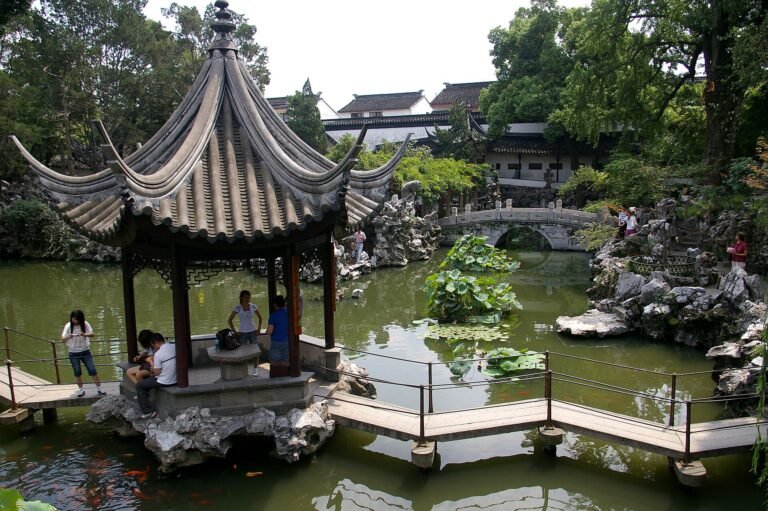
This is also the season where a longer route pays off, and a everything you need to know about china 2 week loop of Beijing, Xi’an and a water town works without exhausting anyone, because the weather lets you walk more and drive less. We did a slow two-week run with a nine-year-old and the highlight was not a famous wall but the my notes on china ancient water towns afternoon in Zhujiajiao, where she fed koi from a bridge and rode a wooden boat for RMB 80.
Winter: cheap, quiet and indoor-ready
November to February is cold in the north, sometimes -10°C in Beijing, but it brings the smallest crowds and the lowest hotel prices of the year, which families on a budget should weigh seriously. The north’s museums, aquariums and the indoor sections of the palaces become havens, and a proper how china accessible travel is really done note matters more in winter, because strollers on icy steps need a careful hand and many older sites lack ramps. Southern cities like Kunming and Xiamen stay mild and are kinder to small children who hate the cold.
If you do winter in the north, dress the child in layers and keep a thermos of hot water, a habit every local parent follows. We spent a January day at the Harbin ice festival with a five-year-old and the rule was twenty minutes outside, ten inside the heated tent, repeated all afternoon; he still talks about the giant light sculptures. The shorter daylight means you plan one big outing and one cosy indoor activity, which suits young attention spans better than a packed summer schedule.
Logistics that make or break the trip
The practical spine of any family trip is the hotel, and I now Book Hotels China with three non-negotiables: a pool or play area, breakfast included, and a location next to a metro stop so naps happen at the hotel, not on a bench. Family rooms exist but are smaller than European ones, so I often book two adjoining rooms instead of one, which costs little more off-peak and gives everyone space.
Apps do the heavy lifting once you land, and I make sure every adult travelling has a translation and map tool ready before the flight, because pointing at a phone settles most child-related needs from “where is the toilet” to “do you have a child’s portion”. A short Best Apps China Travel checklist covers the ones that actually work with a foreign phone, and I add a kids’ entertainment download for the long train rides. On the trains themselves, the high-speed lines have space for a pushchair folded in the vestibule and a dining car with familiar noodles, so a four-hour hop passes with fewer complaints than a car journey half the length.
What works by age and season
| Factor | Toddlers (1-3) | Primary (4-8) | Pre-teens (9-12) |
|---|---|---|---|
| Best season | Autumn, mild south | Spring or autumn | Any, with pace control |
| Daily limit | 3 hours out | 5 hours out | 7 hours out |
| Top activity | Boats, zoos, pools | Wall climbs, pandas | Cycling, cooking classes |
| Avoid | Long queues, heat | National Day crowds | Over-structured days |
The table is a starting point, not a rulebook, because every child differs, but the pattern holds: younger kids need shorter, slower days and more water; older kids reward a bit of independence like choosing the next snack or reading the map. The families that struggled ignored the age row and tried to do what they would have done childless, and the families that laughed their way through built the day around the smallest person.
Frequently Asked Questions
What age is best for a first China trip with children? Around five to eight works best in my experience, because the child remembers it and can walk reasonable distances. Toddlers are fine with a pushchair and a slow plan, but they will not recall much, and teens need more say in the itinerary to stay engaged.
Is the food manageable for fussy eaters? Largely yes. Plain rice, steamed buns, noodles and congee are on every menu and safe for sensitive stomachs, and most cities have Western options near tourist hubs. I carried a small supply of familiar snacks for the in-between hours and let the child pick one new dish a day.
Are high-speed trains child-friendly? Very. They are smooth, on time and have space for folded buggies, and the dining car sells familiar noodles and hot water for bottles. Book the family together in one row and the four-hour Beijing to Qufu ride passes easier than a car journey half as long.
How do I handle naps and bedtime on the move? Book a hotel near a metro stop and return midday for a nap on any day with a big morning outing. In cities where that is not practical, a long lunch inside a mall with a play area does the same job, and pushchairs double as beds on quiet train legs.
Is China safe enough to relax with kids? Yes, more so than most places I have travelled. Crowds at major sites need a wrist link or a held hand, but the streets, transport and attractions felt secure, and strangers were more likely to fuss over the child than pose any risk.
Do water towns suit children, or are they just for adults? Children love them. The boats, bridges, koi ponds and snack stalls are exactly the scale a young kid enjoys, and an afternoon in a place like Zhujiajiao or Tongli cost less than a theme park while wearing everyone out happily. Just keep a hand free on the canal edges.