Is China Safe to Travel? An Honest Look
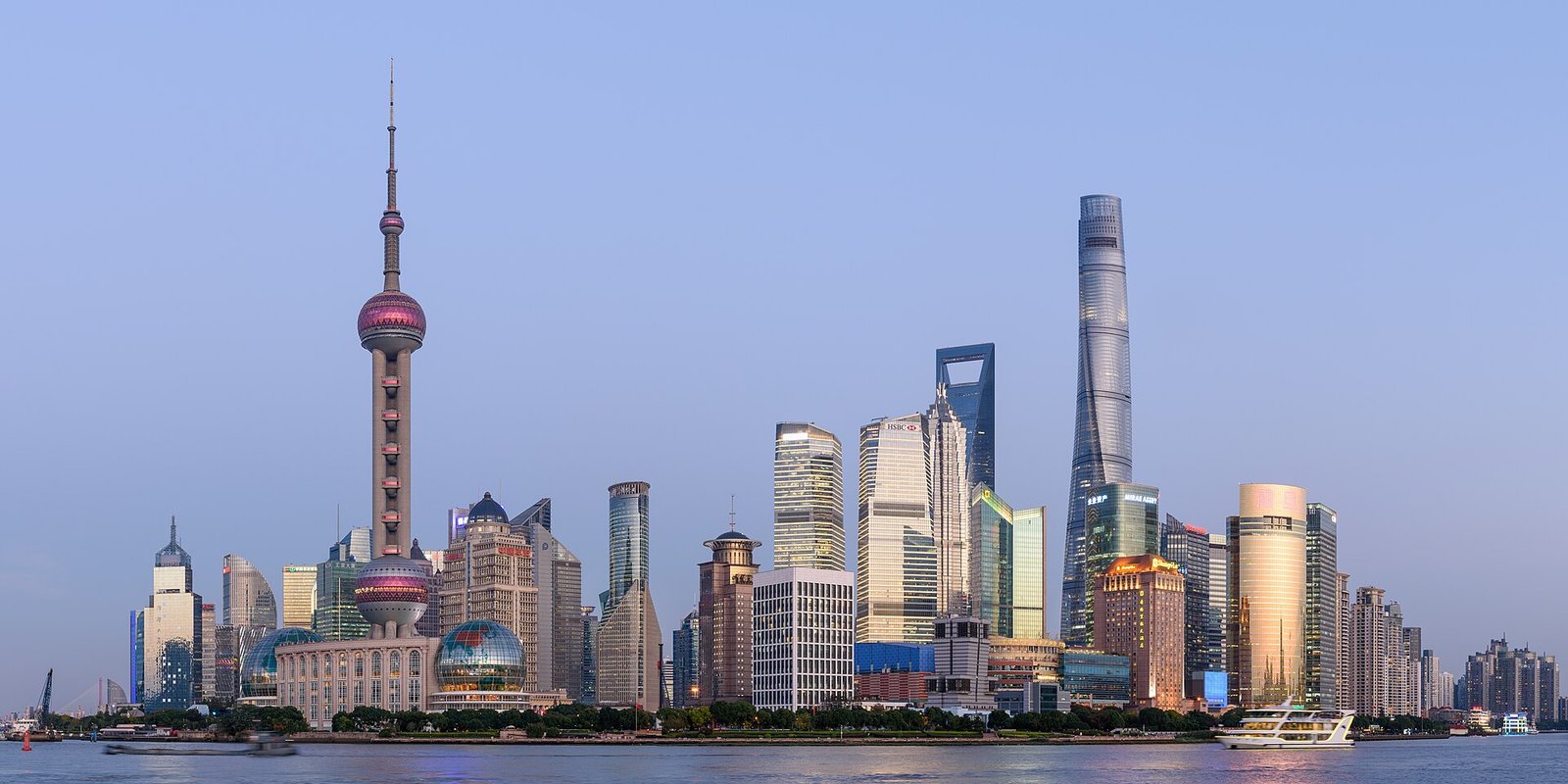
The number that surprised me most on my first night in China was not a crime figure at all. I landed in Chongqing, dumped my bag at a hostel, and at 1:40 in the morning walked twenty minutes through neon-lit streets to find a late noodle shop still open. The pavements were full of people my own age eating, laughing and cycling home; not one of them gave me a second look, and I never felt the tightened-stomach wariness I have felt walking alone in parts of London or New York at the same hour. Tourism in China has grown into one of the world’s largest flows of visitors precisely because this everyday calm is the norm, not the exception.
The number that surprised me on night one
Violent crime against strangers is rare in China, and the gap with what many visitors expect is wide. Official figures put the homicide rate at well under one per 100,000 people, a fraction of rates in the United States, and the incidents that do occur almost never involve random foreigners. What I noticed instead was the noise of ordinary life at night: street food smoke, karaoke from a basement, the clatter of mahjong. None of it was threatening, and the constant presence of people, CCTV and uniformed staff at metro stations made me relax faster than I expected.
That is not the same as saying nothing bad happens. The risk that actually touched me and everyone I travelled with was mundane: a phone snatch outside a Guangzhou market, a fake “student” tea invitation in Shanghai, a taxi whose metre seemed to run hot. These are irritants, not dangers, and almost all of them are avoidable once you know the shape they take. The honest answer to “is China safe” is that your body is far safer than your wallet, and your wallet is safer than your patience at a crowded station.
Petty crime: less than you fear, different from home
Pickpocketing exists but it clusters in specific places: tourist-heavy metro cars, the Forbidden City on a holiday weekend, and the scarf-and-selfie scrum at the Terracotta Army. I lost nothing in three weeks, and the friends who did lost things because they wore a backpack unzipped on a packed train. The fix is boring and works everywhere: front pocket for your phone, a zippered bag worn to the front, and no counting of cash on a busy pavement.
The scams that do target foreigners are predictable enough to memorise. The “art student” who befriends you and steers you to a tea house with a RMB 800 bill is common in Beijing and Shanghai; the “copy” massage or the fake ticket tout outside a stadium is rarer but real. None of these are violent, and all of them end the moment you say no and walk away. I found that keeping a translation app ready and a few Best Apps China Travel tools installed meant I could show a suspected tout a firm “no thanks” in Chinese characters and move on.
Transport safety and the roads that worry visitors
China’s high-speed rail is the safest and most relaxing way to cover long distances I have used anywhere, with spotless stations, bag scanners and trains that arrive within a minute of schedule. The domestic flights are ordinary and well run. The part that genuinely deserves respect is the road: Chinese cities have a particular logic at crossings where scooters, cars and pedestrians share space without the rigid lane discipline Western visitors assume. I learned to cross as part of a local crowd rather than stepping out alone, because drivers read the group, not the painted lines.
For travellers with limited mobility the picture is improving but uneven, and planning matters more than caution. Step-free routes exist on most new metro lines, yet older stations and many rural attractions still mean stairs. Reading a proper China Accessible Travel plan before you book saves more grief than any amount of care on the day, because the constraint is infrastructure, not danger. Taxis and ride-hailing through the DiDi app are safe and metered; I never felt unsafe in one, even on two-hour airport runs at midnight.
Scams worth knowing before you go
Beyond the tea-house trick, the patterns repeat. A person near a tourist site offers to “practice English” then leads you to a bar with inflated prices; a “police officer” in plain clothes asks to see your passport and wallet, which real officers almost never do on the street; a helpful stranger “helps” you buy tickets at a station and pockets the change. The common thread is isolation and a request for your money or cards, and the response is constant: keep walking, show your passport photo on your phone rather than the document, and use official ticket machines or counters.
Good China Travel Etiquette knowledge also keeps you out of trouble that is not a scam at all. Chinese strangers may ask personal questions about your salary or marriage that feel rude to British ears but are meant warmly, and a loud argument in a shop is usually a negotiation, not a threat. I once panicked when a shopkeeper grabbed my sleeve, only to realise he was stopping me from walking into a mopped floor. Reading the intent behind the volume took me a week and removed most of my remaining anxiety.
Women travelling alone: what the data and my friends say
Female friends who have travelled China solo describe a level of physical safety that surprised them, particularly the freedom to walk home at night in cities that stay busy and lit. The harassment they reported was lower than in many European capitals, and the main nuisance was the occasional pointed stare or a stranger’s phone photo taken without asking. None described a situation that escalated toward physical threat, and several said they felt more relaxed than on solo trips through parts of Southern Europe or the Middle East.
For a fuller picture I would point anyone uneasy to a detailed all about china solo female travel account, because the practical tips there, like booking hotels that accept foreign passports and avoiding the “helpful” stranger at the station, match what kept my friends comfortable. The one caveat worth stating plainly is that conservative dress draws less attention in smaller towns and rural areas, not because of danger but because it reduces the curious looks that wear you down over a long trip.
A straight comparison of the real risks
| Risk | How often it touches visitors | Seriousness | Easy avoidance |
|---|---|---|---|
| Pickpocketing in crowds | Occasionally | Low | Zip bags, front pockets |
| Tea-house or bar scam | Sometimes in big cities | Low, but costly | Decline friendly “invitations” |
| Road crossing confusion | Daily in cities | Medium | Cross with the local crowd |
| Late-night street danger | Rarely | Very low | Walk lit, busy streets |
| Food or water illness | Occasionally | Low | Eat busy stalls, bottle water |
Reading the table, the pattern is clear: the dangers visitors imagine, mugging, assault, getting lost in a dangerous district, are the ones least likely to happen, while the annoyances, scams and traffic, are the ones to actually prepare for. The single best China Travel Tips First Timers explained move is to lower your guard about violence and raise it about small, predictable tricks.
How safe stacks up by travel style
Your experience shifts with how you travel. A packaged how luxury travel china is really done trip removes almost every friction point: private drivers, vetted restaurants and guides who handle the scams before you meet them, so safety becomes a non-issue. Independent backpacking is where the small risks concentrate, because you make every decision alone and the tea-house touts hunt exactly your profile, but it is still far safer than independent travel through most of the world.
Season changes the picture too. Summer brings crowds and heat but also more people around at all hours, which raises the safety feel; winter empties the sites and can bring ice on northern pavements and the occasional transport delay. A everything you need to know about china winter travel briefing is worth a read if you go cold, because the only real hazard I met in January was a slippery step outside the Xi’an city wall, not any person.
Frequently Asked Questions
Is it safe to walk around Chinese cities at night? In my experience, yes, more so than in most Western cities. Stick to lit, busy streets and you will see families and students out as late as you are. The empty, unlit back lanes are the only places I would avoid, and even there the risk is low.
Do I need to worry about political trouble as a visitor? Ordinary tourists are not targeted, and daily life is apolitical for visitors. Keep your phone use modest at sensitive sites, follow local rules about photography at stations and military areas, and you will have no issue.
Are taxis and ride-hailing safe? Yes. DiDi and metered taxis are regulated and tracked, and I used both late at night without concern. Insist the metre runs or book through the app so the fare is recorded, which also protects you from the rare hot metre.
What should I do if a scammer pressures me? Leave. Scams in China rely on your staying and being polite; the moment you walk away the interaction ends. If someone claims to be police and asks for your cards, show a passport photo on your phone and suggest the nearest station instead.
Is the food safe for a sensitive stomach? Mostly yes, especially at busy stalls where high turnover means fresh stock. I had one bad night from unwashed fruit and learned to peel or rinse with bottled water. Street food cooked in front of you is safer than a lukewarm buffet.
Should women avoid travelling alone in China? No. The female travellers I know rate China among the safer solo destinations, with the main bother being curious stares rather than threats. Standard precautions, like sharing your route and booking passport-friendly hotels, cover the rest.