
China Travel Scams (and How to Dodge Them)
The most I ever paid for a taxi ride in China was 200 yuan for a twelve-minute journey, and the driver had not technically cheated me. I had waved down a car outside a railway station, agreed a price with a flurry of fingers, and only later discovered that the same trip on a ride-hailing app would have cost about 34 yuan. That gap — close to six times the fare — taught me more about how visitors get caught out than any list of warnings ever did. Almost nothing that happened to me was clever criminal work. It was a handful of small, repeated misunderstandings that somebody was happy to profit from, and once you can name them they become surprisingly easy to dodge. This is the guide I now send to friends before they fly.
The meter that suddenly “doesn’t work”
The classic version is simple. You get into a car at a station or on a tourist street, the driver smiles, taps the meter and says it is broken, then offers a “special price” for foreigners. The number is never outrageous enough to make you argue, which is precisely why it works. I once paid 120 yuan for a journey I later timed at nine minutes. As the overview of Tourism in China makes clear, inbound tourism here is a huge industry, and that scale is exactly why a handful of small scams can feel so common to a short-stay visitor.
My fix is boring but effective. I use one of the ride-hailing tools from Best Apps China Travel wherever a signal is available, because the price is fixed before the car arrives and the route is recorded. Where an app is not practical, I walk to the marked taxi rank and take the car at the front of the queue. I also hold my phone maps open so I can see the route developing, and I say the destination clearly rather than handing over a written address and hoping for the best.
Airport cars and the “special price” at the kerb
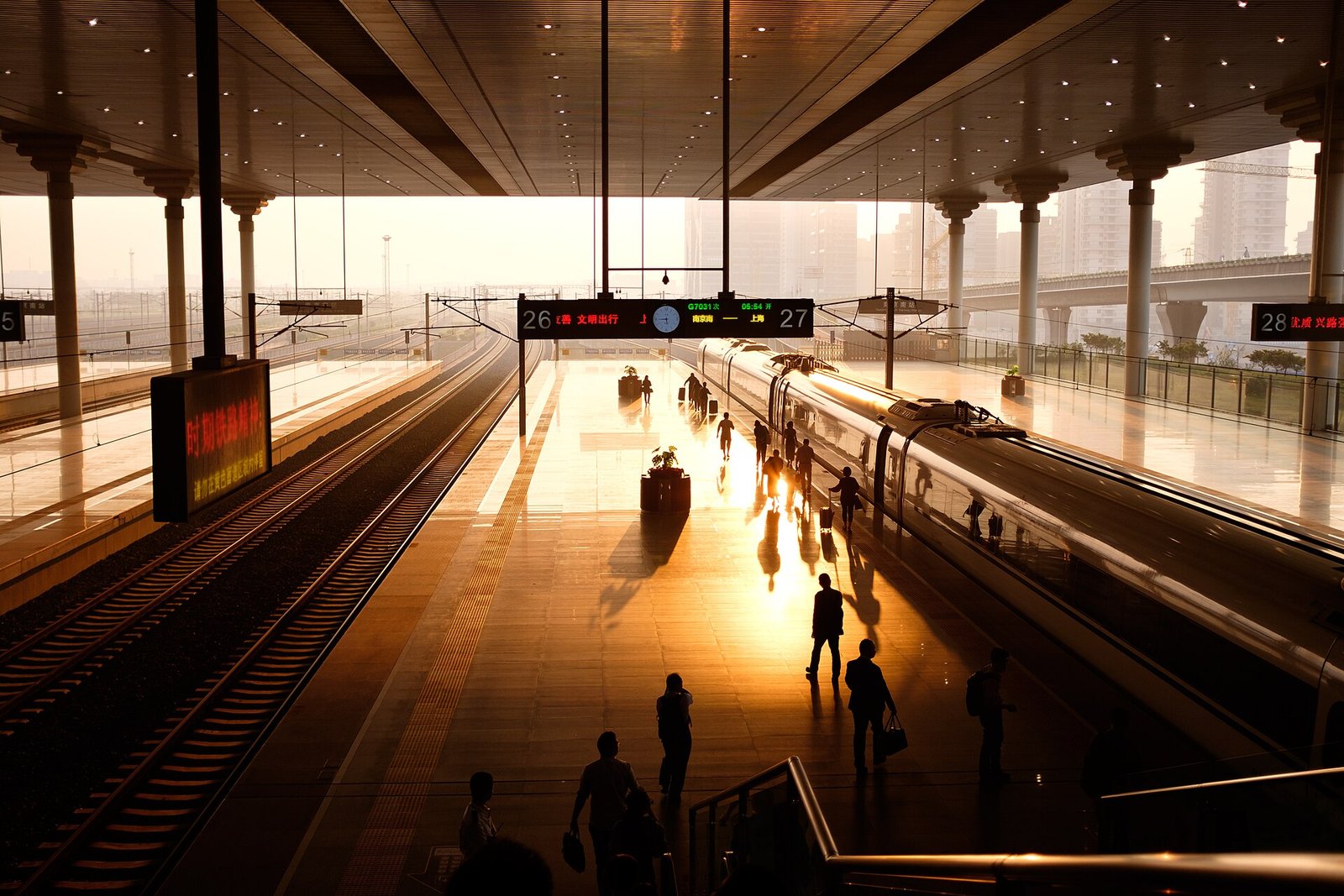
Airports and station exits are where the worst offers cluster. The approach is friendly and oddly specific: a man in a jacket asks where you are going, quotes a number that sounds reasonable, and steers you towards a car that is not in the official rank. What you have actually bought is an unregulated journey with no meter, no receipt and no recourse if you are dropped at the wrong hotel. On my second trip I was quoted 400 yuan for a drive that a metered taxi completed for 110.
If you have heavy luggage, mobility needs or a late arrival, arranging the transfer in advance removes most of the problem. I have described how how china accessible travel is really done works in practice, including pre-booked cars and the small amount of planning that makes a difference when you are tired. For everyone else, the rule is the same: ignore anyone who approaches you first, and queue where the official cars wait. The walk to the rank is rarely more than five minutes.
The friendly invitation to a tea house
This one is almost theatrical. A well-dressed stranger, often a young woman or a pair of “students practising their English”, stops you near a famous sight, suggests a cup of tea, and leads you to a quiet upstairs room. There is no menu. The bill arrives later, sometimes several hundred yuan, sometimes over a thousand, and suddenly the conversation about language exchange becomes very short. I have seen two travellers pay rather than make a scene, which is exactly what the trick relies on.
What I do now is straightforward. I decline politely and keep walking, and I never follow anyone to a venue they choose in the first ten minutes of a conversation. A cup of tea in a normal café costs around 15 to 40 yuan in most cities, so a surprise bill of 800 is not an accident. If a place has no prices on display, I leave. Genuine hospitality does not depend on getting you upstairs before you see the menu.
“Closed today” and the commission detour
Near many popular sights, someone will tell you the site is shut for the day, or that the entrance you want has moved. They then offer to guide you somewhere “better” — usually a shop, a tea ceremony or a workshop where they earn a commission. The detour wastes an hour and often ends with a hard sell. In Xi’an I was told a museum was closed; it was not, and the ticket desk was open when I walked past ten minutes later.
The season you travel changes how often this happens. My notes on all about best time to visit china explain why the shoulder months are calmer, but whatever the date I check opening hours myself and ignore advice from people selling something nearby. A quick look at the official site before you go is worth more than any street-side assurance. If a sight really is closed, I would rather wander a neighbouring street than be guided into a shop.
QR codes, fake change and the payment switch
Cash is far less common than it was, and that has created a new set of small traps. A shopkeeper may point at the wrong QR code, or claim a payment did not arrive after you have already sent it. The safest habit is to read the amount on your own screen and wait for the confirmation before you put the phone away. Modern phone cameras handle most of the QR codes you will meet, so there is no need to scan anything a stranger brings close to your face.
The same care applies where you sleep. When you Book Hotels China, check whether the rate includes a deposit and which payment methods the front desk actually accepts, because a late-night arrival is a bad moment to discover a mismatch. I keep a small amount of cash — a few hundred yuan — for tips, market stalls and the rare place where a card or phone payment fails. I also photograph the meter and the receipt on any longer taxi journey.
Booking traps I keep seeing
The most expensive mistakes happen before the trip, in the calm of your own front room. A “five-star” hotel turns out to be a guest house, a tour includes none of the entrance fees it implied, or a transfer is listed as shared when you expected private. Reading the small print is tedious, but it beats arguing at a reception desk. I compare the Best China Tour Companies carefully, looking specifically at what is included and what is left for you to pay on the day.
Length of stay changes the risks. With China 10 Day explained I learned to keep the route simple, because too many cities in too few days creates the rushed decisions that scammers like. For a longer trip, everything you need to know about china 2 week sets out a slower pace that gives you time to check a price before you agree to it. In both cases I book the first night’s accommodation in advance and confirm it by message a day before arrival.
Scam or just different? A quick comparison
Not every awkward moment is dishonesty. Some are simply habits that visitors misread. This table is the shortcut I use when deciding whether to get firm or let something go.
| Situation | Usually a scam | Usually normal | What I do |
|---|---|---|---|
| Taxi driver refuses the meter | Yes, at a station or tourist site | Rare on an official rank | Use an app or the marked queue |
| Someone says a sight is closed | Often a shop detour | Possible on maintenance days | Check the official site myself |
| Bill arrives with no menu | Yes, especially in tea houses | No | Leave before ordering |
| Shopkeeper scans a code | Wrong code or wrong amount | Ordinary payment | Read my own screen first |
| A price seems high to me | Sometimes just a local rate | Very often | Ask, compare, then decide |
The last row matters most. A 30 yuan charge that feels steep by local standards is not the same as a 300 yuan surprise, and getting angry over a small misunderstanding helps nobody. I stay calm, check the facts and only make a fuss when the gap is genuinely large.
Frequently Asked Questions
Is China safe for tourists on the whole? In my experience, yes, and the greatest risk is usually minor financial nuisance rather than personal danger. Violent crime against visitors is uncommon. The practical precautions are the ordinary ones: watch your bag in crowds, keep copies of your documents, and avoid confrontations that escalate over a small amount of money.
What should I do if I realise I have been overcharged? Stay polite and factual. Show the fare on your app or the price you were quoted, and ask for the official receipt, which most taxi drivers can produce. If the dispute will not resolve, note the time, vehicle number and location, and report it to the local tourism hotline or your hotel reception. Keeping a photograph of the meter helps enormously.
Are fake notes still a problem? Much less than they were, because phone payment dominates daily life. I still avoid accepting large notes as change in busy markets, and I do not let a note leave my sight during a transaction. If you must take cash from a street exchange, use a bank counter instead; the rates are competitive and the notes are genuine.
Do I need to tip in China? Generally no, and tipping is not expected in restaurants, taxis or hotels. A few tour guides and drivers appreciate a small gratuity at the end of a multi-day trip, but it should be a reward for good service rather than a compulsory extra. If a bill already includes a service charge, there is nothing further to add.
How can I avoid looking like an easy target? Move with a little purpose, keep your phone away from your face on busy streets, and do the two or three boring checks — official queue, visible menu, confirmed price — every time. Confidence and preparation count for far more than looking local. The first time I followed these habits, the “offers” stopped almost completely.