Chinese Cassia (Rou Gui): The Bark That Is Not Cinnamon
Last reviewed 31 October 2026 · China Food Way editorial team
The first time I made red-braised pork, I used the cinnamon that was already in my cupboard: pale, papery quills from a supermarket jar, six or seven thin layers rolled into something the thickness of a pencil. I put two in the pot. After ninety minutes the broth smelled faintly of cake. It was pleasant, and it was completely wrong — no backbone, no warmth at the back of the throat, none of the sweet-woodsy depth that makes a bowl of 红烧肉 taste like it came from somewhere else.
A week later I asked for 桂皮 at a Chinese grocer and was handed a bag of knuckled chunks: thick, uneven bark the colour of a conker, curled into a single heavy scroll, hard enough that I had to break it against the edge of the counter. One 4cm piece did in that braise what two supermarket sticks could not. That was the day I stopped treating cassia and cinnamon as the same thing.
What should I look for when buying cassia bark?
Look for thick, single-curl chunks the colour of a conker, not thin papery quills, because that curl is the first giveaway of real cassia. I buy by the bag in a Chinese grocer and check the piece breaks hard against the counter rather than crumbling — soft bark is old or wrongly labelled. The grade worth paying for is the oil-rich bark with the strongest scent, though ordinary guipi (桂皮) does fine for a daily braise. Avoid paler, multi-layer ‘cinnamon’ from a supermarket, which is Ceylon and too mild for Chinese cooking. A good piece smells of warm wood and resin from a foot away; if it smells only faintly, it has lost its oil.
What You Are Actually Buying
Chinese cassia is the dried bark of Cinnamomum cassia (also sold as Cinnamomum aromaticum), a tree grown commercially across Guangxi and Guangdong and, in related species, across Vietnam and Indonesia. The Vietnamese variety is what Western spice merchants call Saigon cinnamon; it is the same family idea taken further — hotter, oilier, more expensive.
The bark is stripped from branches, left to dry, and as it dries it curls inward into those thick single quills. That curl is the first giveaway. Because cassia bark is harvested thick and curls as one layer, a piece of it looks like a scroll. Ceylon cinnamon, the quill most Western cooks know, is the inner bark of a different tree and is rolled from many paper-thin layers, more like a cigar.
In a Chinese shop the naming is worth learning, because the labels are not interchangeable:
- 桂皮 (guì pí) — cassia bark, the everyday braising bark. Chunky, cheap, sold by the bag.
- 肉桂 (ròu guì) — often a thinner, more aromatic grade, the one you want if the bark itself is meant to be noticed (five-spice, spiced sugar, mulled drinks).
- 油桂 (yóu guì) — “oil cassia”, the premium grade, dense with resin; break it and your fingers smell for an hour.
- 桂枝 (guì zhī) — cassia twigs, a medicinal item rather than a culinary one, which is why you will not want them in a stew.
The flavour compound in both cassia and cinnamon is cinnamaldehyde, and cassia carries a great deal more of it. Wikipedia’s overview of cinnamon also notes the other difference that matters: cassia contains appreciable coumarin, while true Ceylon cinnamon contains only traces. If you are cooking Chinese food once a week, that is not a reason to panic. If you are eating cassia by the spoonful every day, it is a reason to buy Ceylon.
Why does cassia taste stronger than the cinnamon in my cupboard?
Cassia tastes stronger because it carries two to three times the concentration of cinnamaldehyde and a heavier dose of resinous oils than the delicate Ceylon bark most Western kitchens keep. I swapped my supermarket stick for a 4cm chunk of cassia in a red-braise and the whole pot gained a warm backbone the pale quill never gave. The second reason is structure: cassia is harvested thick and curls as one hard layer, so its flavour releases slowly into a long cook, while papery cinnamon dissolves and fades. The honest caveat is coumarin — cassia is high in it, so daily heavy use is unwise; rotate with other spices and don’t grind it into a daily teaspoon.
Cassia vs Ceylon Cinnamon
| Chinese cassia (桂皮) | Ceylon cinnamon | |
|---|---|---|
| Species | Cinnamomum cassia | Cinnamomum verum |
| Thickness | 2–10mm, one thick curl | Paper-thin, many layers |
| Colour | Dark red-brown to grey-brown | Light tan, even |
| Texture | Woody, hard, snaps unevenly | Brittle, crumbles between fingers |
| Flavour | Sweet-hot, resinous, slightly bitter finish | Delicate, floral, citrus notes |
| Strength | High — one piece seasons a whole pot | Low — needs several sticks |
| Best for | Braises, master stock, five-spice | Baking, desserts, tea |
That table is the whole argument. Cassia is not a superior cinnamon; it is a different instrument. In a dish that simmers for two hours with soy sauce and sugar, a delicate bark simply disappears.
What flavour does cassia actually give a braise?
Cassia gives a braise a warm, woody sweetness with a slight bite at the back of the throat that no other spice replicates. I add one 4cm piece to red-braised pork and the broth turns deep and rounded, the way a good hong shao rou should taste rather than merely salty. It is a background architect, not a star — it supports star anise and ginger without announcing itself, and it survives the long simmer that would flatten a delicate cinnamon. The mistake is to overdo it: two pieces in a small pot reads as medicinal and dulls everything else. One piece per litre of braising liquid is my standard, pulled out before serving so no one bites the bark.
What Cassia Does in a Chinese Pot
Cassia almost never appears alone. It is one of the aromatics that go in at the start of a braise, along with ginger, scallion and — in the north especially — the eight points of star anise. Together they form the base layer of flavour that long cooking pulls out slowly.
Three places you will meet it constantly:
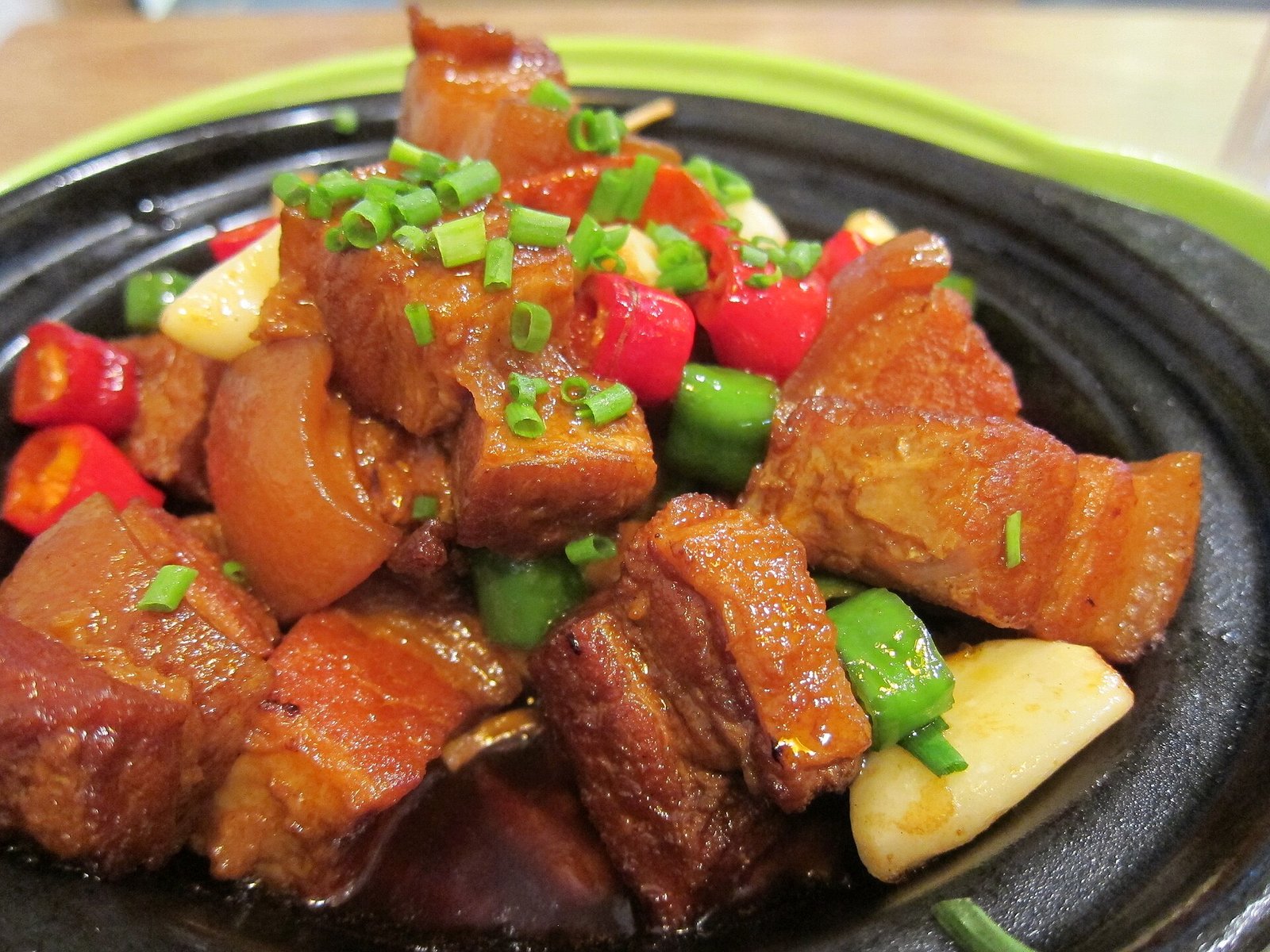
Red braising (红烧). Pork belly browned, then simmered with the two soy sauces, sugar and a piece of cassia until the sauce is a lacquer. In a proper hong shao rou, the bark is doing quiet work against the sugar — without it the dish reads as sweet, and with it the sweetness has something to lean on.
Master stock (卤水). The continually topped-up pot that restaurants keep for years. Cassia is a fixed member of the spice bundle, precisely because it survives: a chunk will give up flavour through two or three sessions before it is spent.
Five-spice powder. Cassia is one of the five, and the Chinese condiments shelf is much easier to understand once you know that its warm background note is bark, not a mystery blend. It also sits neatly beside cloves in Chinese braises, the two spices that most often share a pot — and the two most easily overdone.
How to Buy It
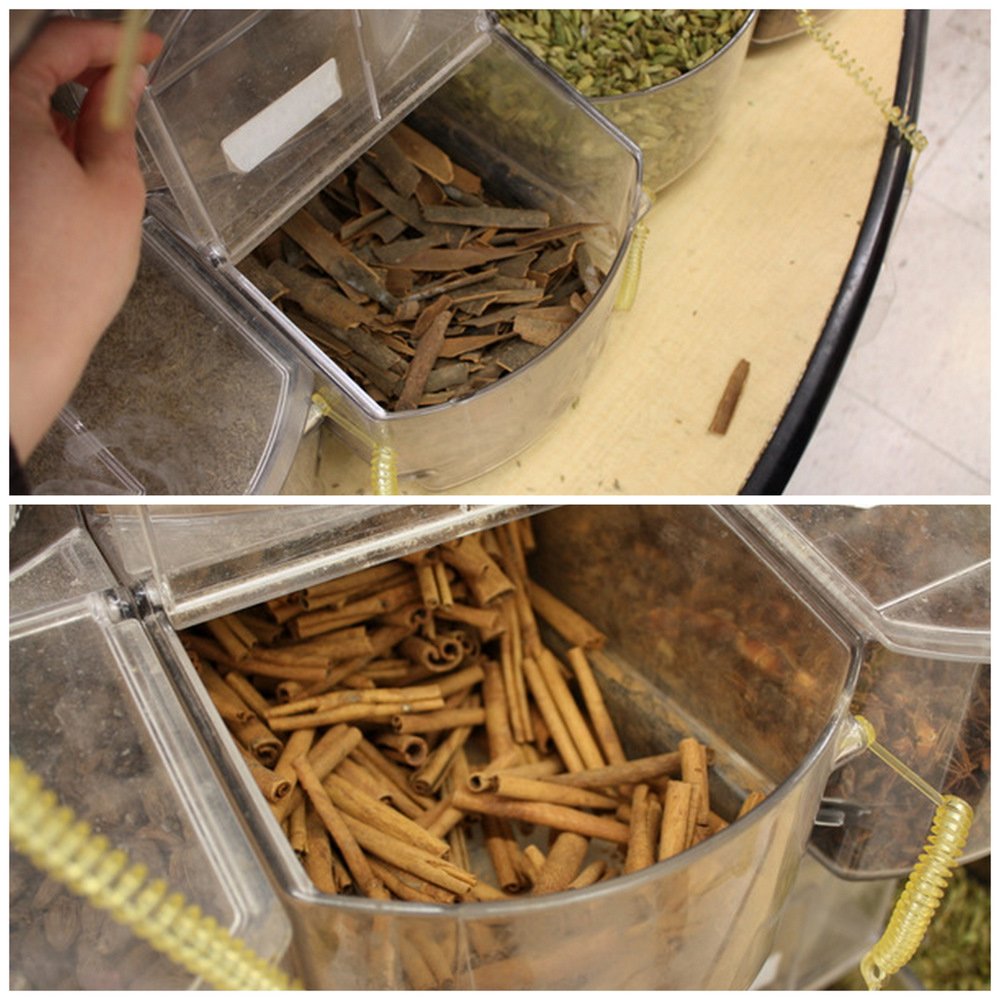
Buy it whole, and buy it from a Chinese grocer rather than a supermarket spice rack. What you are looking for:
- Thickness. A chunk between 3mm and 8mm. Anything thinner is probably Ceylon or a low-grade cassia; anything thicker and woody is old trunk bark with the flavour gone.
- Colour. Deep, slightly oily red-brown. Grey, dusty bark has been sitting in a warehouse.
- The fingernail test. Scratch the cut edge. If the smell arrives within a second, sweet and hot, it is fresh. If you have to wait, put it back.
- Oil content. Look for a slightly resinous, darker streak running through the break. That is the oil, and it is what you are paying for.
- Whole, not shattered. Bags of broken chips are fine for master stock but go stale quickly, since every broken surface is a surface losing aroma.
A 100g bag costs very little and lasts a home cook a year or more.
How long does cassia bark stay flavourful in the cupboard?
Whole cassia bark stays flavourful for two to three years if kept whole and sealed away from light and air, far longer than ground powder. I keep mine in a glass jar in a dark cupboard and it still smells resinous after two winters; once I ground a batch and it went flat within four months. The enemy is air and heat, so don’t store it above the stove or in a clear jar on the shelf. A simple test: snap a piece — if it breaks clean and smells strong, it is good; if it bends or smells of dust, replace it. Buy whole chunks and grate only what a recipe needs.
How to Store It
Whole cassia keeps remarkably well: in a sealed jar, out of the light, it holds most of its punch for about two years. I keep mine in a small Kilner jar in a dark cupboard, and I date the bag when I buy it, because the decline is slow enough that you will not notice it happening otherwise.
Ground cassia is a different matter — six months at most, and honestly closer to three before it turns dusty. Grind it yourself. A cheap electric coffee grinder reserved for spices will pulverise a broken chunk in ten seconds; a mortar and pestle works too if you break the bark up first and accept a coarser result.
One habit worth adopting: toast the whole chunk in a dry pan over medium heat for thirty to forty seconds before it goes into the pot. It smells like the difference between a spice cupboard and a kitchen, and it wakes up bark that has been in the jar since last winter.
Substitutions and Ratios
| You need | Use instead | Ratio |
|---|---|---|
| One 4–5cm cassia chunk | Ceylon cinnamon sticks | 2 sticks, plus a pinch more if the dish is large |
| One 4–5cm cassia chunk | Ground cinnamon (any type) | ½ teaspoon, added late |
| One 4–5cm cassia chunk | Five-spice powder | ¼ teaspoon, and skip any extra clove |
| Cassia in a long braise | Cassia in a spice bag | Same amount, easier to fish out |
| Nothing at all | A strip of orange peel | 1 strip — different, but it fills the gap |
The substitution I have actually tested is the first one, and it works with a caveat: Ceylon is milder, so you need more of it, but no amount of Ceylon gives you the slightly bitter, resinous edge that makes a red braise taste like a restaurant’s. For anything served with rice and soy, accept the approximation. For a master stock you intend to keep, go and buy cassia.
Going the other way — cassia in place of cinnamon in a Western cake — means using about two-thirds of what the recipe asks for, and expecting a spicier result. Cassia in an apple pie is not a mistake. Cassia in a custard is.
Frequently Asked Questions
Is cassia the same as cinnamon?
Botanically, no: cassia is Cinnamomum cassia, true cinnamon is Cinnamomum verum. In shops, “cinnamon” is used loosely for both, which is why the stick in your cupboard may or may not be the thing a Chinese recipe means by 桂皮.
How much cassia do I use in a braise?
One piece of 4–5cm per kilo of meat is my rule, sometimes two for a strongly flavoured cut like beef shin. Much more than that and the bitterness in the bark starts to show through the sauce.
Do I eat the piece of bark?
No. It goes in whole, gives up its flavour over an hour or two, and gets fished out before serving — the same fate as the star anise and the ginger slices. A small spice bag makes retrieval painless.
Can I grind my own cassia powder?
Yes, and you should. Break the chunk with the back of a knife, toast it briefly, then blitz it in a spice grinder. Home-ground cassia is stronger than anything in a jar, so start with half of what a recipe suggests.
Why does my cassia taste of nothing?
Usually age. Bark that has been open in a warm kitchen for two years has lost its volatile oils and kept only its wood. Do the fingernail test at the shop, and store it sealed and dark.
Is there a difference between 桂皮 and 肉桂 for cooking?
Practically, it is a grade difference: 桂皮 is the chunky everyday braising bark, 肉桂 is thinner and more fragrant and better for five-spice or anything where the spice is the point. Either will work in a stew.
The One-Spice Habit
If you cook Chinese food at home, cassia is the cheapest upgrade available to you. One bag, one jar, one dark cupboard, and a braise that stops tasting like a compromise. The rest of the spice shelf makes more sense once it is there, because cassia is the note that ties the sweet, the salty and the aniseed together — and it is the note that Western cinnamon, for all its delicacy, cannot reach.