Huangshan (Yellow Mountain) Guide: Tickets, Routes and What to Expect
When I first stood at the foot of Huangshan, the so-called Yellow Mountain in Anhui, I made the classic error: I booked the cable car on the western side and my hotel on the eastern. That half-hour mistake cost me two hours of shuttle bus and a sore temper before I had climbed a single step. The mountain is not one tidy summit you tick off. It is a granite spine of seventy-odd peaks linked by a remarkable network of stone paths, and the difference between a good trip and a grim one is almost entirely in the planning you do before you leave the train.
Getting to Huangshan from the rest of China
Most visitors arrive through Huangshan City, still often called Tunxi, which has its own airport and a high-speed rail station, Huangshan North, on the line running from Hangzhou, Shanghai and Nanjing. The rail ride from Hangzhou is around two and a half hours; from Shanghai it is closer to four, depending on the service. From Huangshan North you then face a transfer to the mountain itself, and this is where the queues build. A public tourist bus or a private shuttle runs the roughly one-hour trip to the Tangkou transfer centre, the gateway town at the southern foot, and from there you must take the dedicated park shuttle up to one of the two base stations.
If your itinerary already includes Sichuan, our guide to Emei Mountain covers a very different sort of sacred peak, where the monkeys rather than the gradient are the main hazard on the climb.
Tickets, opening hours and what it costs
The park entry is priced in tiers across the year. In the quieter months the standard ticket has sat around RMB 150, rising to roughly RMB 190 in the spring-to-autumn peak season, though these figures move and public holidays add surcharges, so check the official site before you go. The cable cars are a separate charge on top, typically RMB 80 to 90 each way depending on the line and the season. A round trip on both the ascent and descent for a two-day visit adds up quickly, and if you want the famous sunrise from up high you will almost certainly ride at least one cable car in the dark.
The gates open early, often before 6am in summer, and the first shuttles from Tangkou leave not long after. Arriving the evening before and sleeping in Tangkou is the calmest way to catch that first departure. If you are coming from the far west of the country, our Jade Dragon Snow Mountain piece explains a high-altitude climb where the cable car is less optional and the altitude sickness more real.
Eastern Steps or Western Steps?
This is the first real decision, and the two approaches suit different legs and different moods. The eastern route from Ciguangge is the older, steeper walk-up, all stone steps and no shortcut, favoured by purists and by anyone who wants the sense of having earned the top. The western route via Yungu is the cable-car-favoured line, gentler on the knees and faster to the high ridge around White Goose Peak.
| Factor | Eastern Steps (Ciguangge) | Western Steps (Yungu) |
|---|---|---|
| Effort to the summit | Hard, 3+ hours on foot | Easy, cable car ~10 minutes |
| Best for | Walkers, dawn photographers | Families, short-stay visitors |
| Crowd at the start | Lower | Busier, tour-group heavy |
| Scenery on the way | Forest, old pavilions | Open ridges, quicker views |
Neither is wrong. I took the western cable car up and walked the eastern steps down, which splits the difference and keeps the hard climb for when my legs were freshest. For a different kind of vertical drama, our Badaling Great Wall Guide covers a man-made climb near Beijing that rewards the same early start.
The sights worth the climb
The postcard images come from a short list of named spots, and you can reach most of them on the high ridge without serious detours. The Welcome Pine, a lone tree bent towards the cliff edge, is the most photographed and the most crowded; go early or accept the queue. Flying-over Rock is a boulder balanced with improbable poise above the path, and Refreshing Terrace gives the cleanest open view across the eastern valleys. The Lotus Peak and the Celestial Capital Peak are the two highest points, and only one tends to be open in a given year on a rotation, so confirm which before you set your heart on it.
Bright Summit, near the West Sea hotels, is the easiest high viewpoint for sunrise and the one most tour groups choose. If you want the same light with a fraction of the bodies, walk ten minutes farther to a lesser terrace and you will often have the railing to yourself for a few minutes.
If you like your mountains with a side of engineered spectacle, all about Tianmen Mountain covers the cable car and glass walkway above Zhangjiajie, a very different sort of thrill from Huangshan’s quiet granite.
A two-day route that actually works
Day one: up, and straight to the sunset
Ride the western cable car to White Goose Peak, drop your bag at a summit hotel near Beihai or the West Sea, then walk the short loop to Refreshing Terrace for the late-afternoon light. Dinner on the mountain is expensive and plain, so treat it as fuel rather than a meal to remember, and be in bed early. The sunrise crowd starts gathering before 4am in peak season, and the best rail spots go first.
Day two: the big loop and the descent
Walk the ridge west to Flying-over Rock, then south along the main crest past the open viewpoints if your fitness allows. Descend the eastern steps to Ciguangge, or ride the cable car back down if your knees have had enough. This loop covers the twisted pines, the sea of clouds and the bare granite without forcing a third day, and it leaves Tangkou by mid-afternoon for the train back.
If you want a gentler day out near a capital city afterwards, a proper take on Beihai Park is a calm imperial garden in Beijing that asks far less of your thighs.
Where to sleep and how to beat the crowds
Summit hotels are basic, overpriced, and worth every penny if you want the sunrise without a pre-dawn sprint. Book months ahead for holiday periods; rooms near Beihai and the West Sea camps fill first. Expect RMB 600 to well over RMB 1,500 a night for a modest twin, with shared bathrooms at the lower end. Bring layers: the temperature at the top drops sharply after dark even in summer, and the wind along the exposed ridges is no joke. If the summit price shocks you, sleep in Tangkou and take the first shuttle, but know you will be racing the light rather than savouring it.
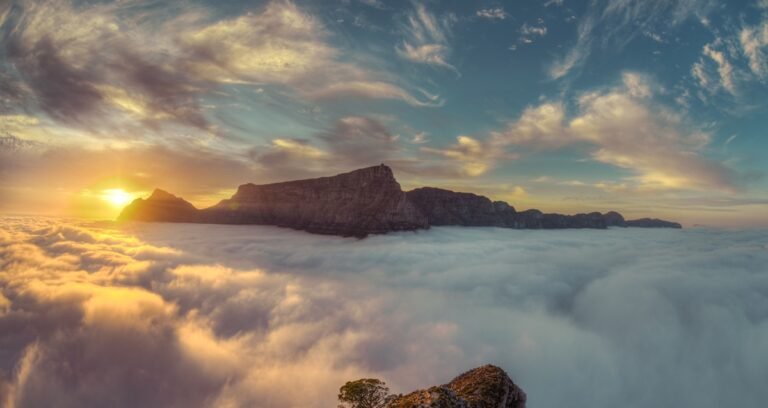
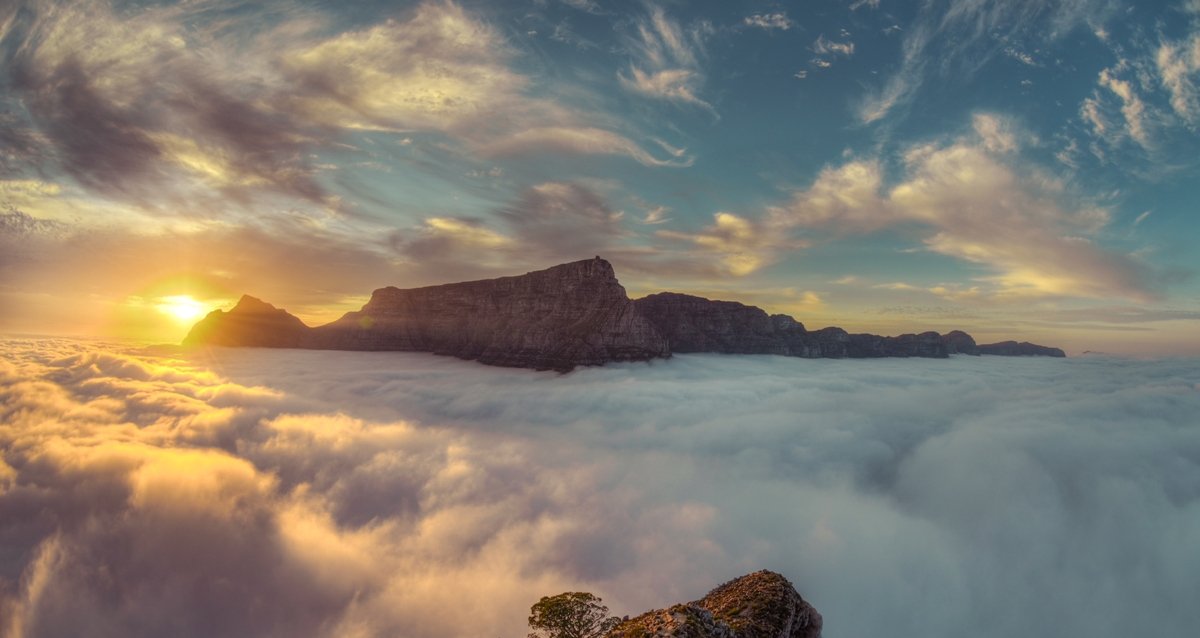
Huangshan is busy, and the narrow stone ledges between popular viewpoints get congested. The trick is to walk against the tide: most groups move clockwise, so heading the other way buys you empty paths for an hour. Weather is the other variable. The sea of clouds that makes the photos appears after rain clears, not in steady sunshine, so a grey arrival day is often the prelude to a brilliant morning. As Wikipedia notes in its overview of Huangshan, the mountain has inspired Chinese landscape painting for centuries, which is why the shapes feel familiar before you arrive.
What I’d tell a friend before they go
Pack walking poles, real rain gear, and more water than feels reasonable. Wear the grippiest shoes you own; the steps are polished smooth by millions of soles. And give the mountain two days, not one: a single day turns it into a rushed photo hunt, while two lets the place actually land. If ancient towers are more your pace than granite, everything you need to know about Big Wild Goose Pagoda walks through Xi’an’s most famous Buddhist monument and how to time your visit around the evening fountain show.
Frequently Asked Questions
Do I need a guide to climb Huangshan? No. The paths are well signed in both Chinese and English, and the ridge routes are hard to lose. A guide earns their fee only if you want the geology and the legends explained as you walk, or if you are travelling in a language where the signage leaves you stuck.
When is the best month to visit? April to May and September to early November give the clearest air and the most comfortable temperatures. July and August are hot, humid and packed with domestic tourists, while winter brings ice on the steps and occasional closures, though the snow scenery is spectacular for those prepared.
Can I do Huangshan as a day trip from Shanghai? Technically yes via the high-speed train, but it is a long day that leaves you an hour or two on the mountain at best. Stay at least one night in Tangkou or on the summit and you will see the mountain properly rather than racing it.
How fit do I need to be? Moderately. If you take the cable cars both ways, a reasonably healthy person can manage the level ridge walks. If you walk the eastern steps up, you should be comfortable with several hours of steep stair climbing.
Is the summit hotel food any good? Honestly, no. It is canteen fare at canteen prices multiplied several times. Eat a proper meal in Tangkou before you ascend and treat the mountain food as emergency rations.
Are there toilets on the mountain? Yes, at the main rest points and hotels, though the standard drops the farther you get from the cable car stations. Carry your own tissues, as the high ones often run out by midday.