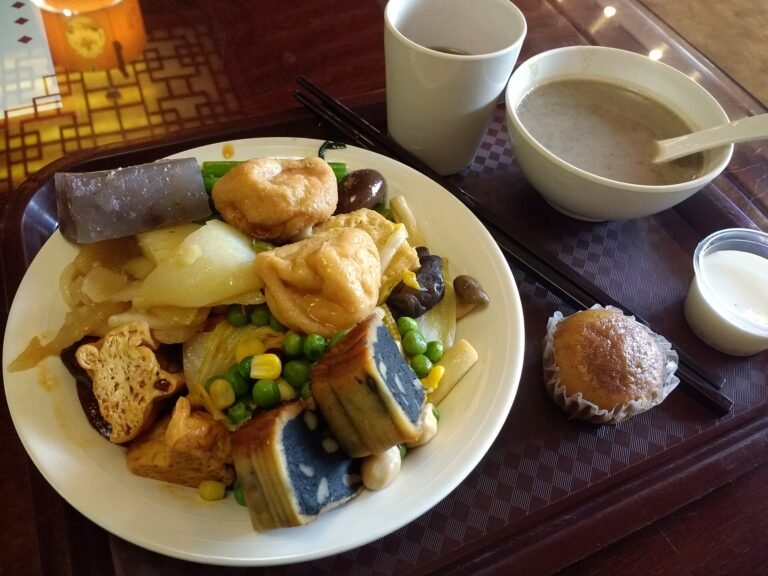
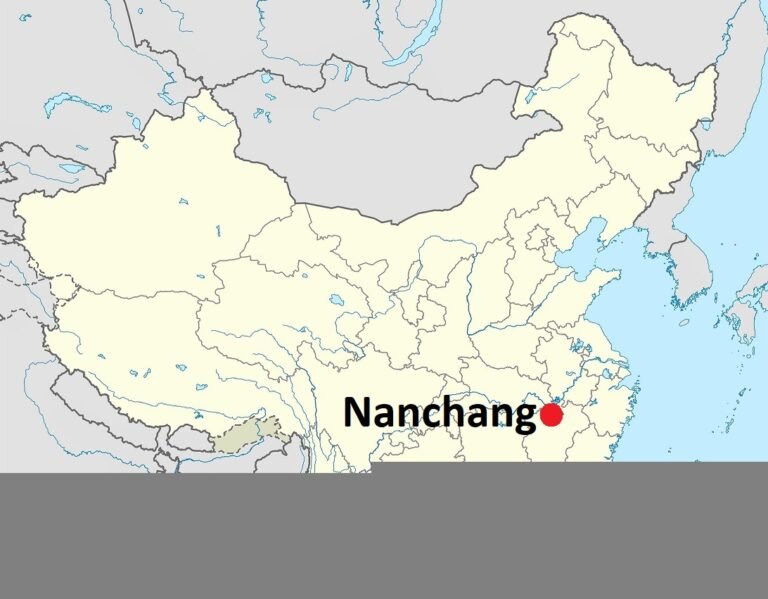
Hubei Cuisine Guide: The Land of a Thousand Lakes
Reviewed 31 October 2026 by the China Food Way editorial team
I arrived in Wuhan in late June, the kind of morning where the air already feels pressed against your skin before eight o’clock, and joined the queue outside a noodle stall on Hubu Lane that had no name on its shutter but a line of perhaps forty people waiting patiently in the heat. The thing being sold was reganmian (热干面), the hot-dry noodles that the city eats for breakfast more often than any other single dish, and I watched the cook work a rhythm I would see repeated across the city for the next week: boiled noodles plunged into a wire basket, rinsed in cold water, dressed while still warm with sesame paste, a little soy, chopped preserved vegetable, and a scatter of spring onion. My bowl cost about four yuan, eaten standing up with the spoon and the chopsticks working together, and it set the terms for everything I would eat in Hubei — cheap, fast, built around the grain and the water, and entirely unconcerned with the chilli theatrics of the provinces to its west.
Hubei sits squarely in the middle of the country, a province defined less by a border than by a body of water. The Yangtze runs straight through it and the Han river joins the Yangtze at Wuhan, and between the two rivers lies a plain that floods, silts, and refills so reliably that the province has earned the name “the land of a thousand lakes.” That geography is not scenery. It is the reason the table looks the way it does: freshwater fish where the coast would have shellfish, water vegetables where the north would have cabbages, and a cooking logic that treats the river as both larder and road.
What follows is a practical account of eating in Hubei drawn from three trips, two of them in winter and one in the wet heat of summer, with notes on where to sit, what to order, and what the prices looked like when I paid them. I have tried to keep the numbers honest rather than precise, because the same bowl costs a different sum two streets apart and a different sum again a year later, and a traveller who quotes a single fixed figure has not been paying attention.
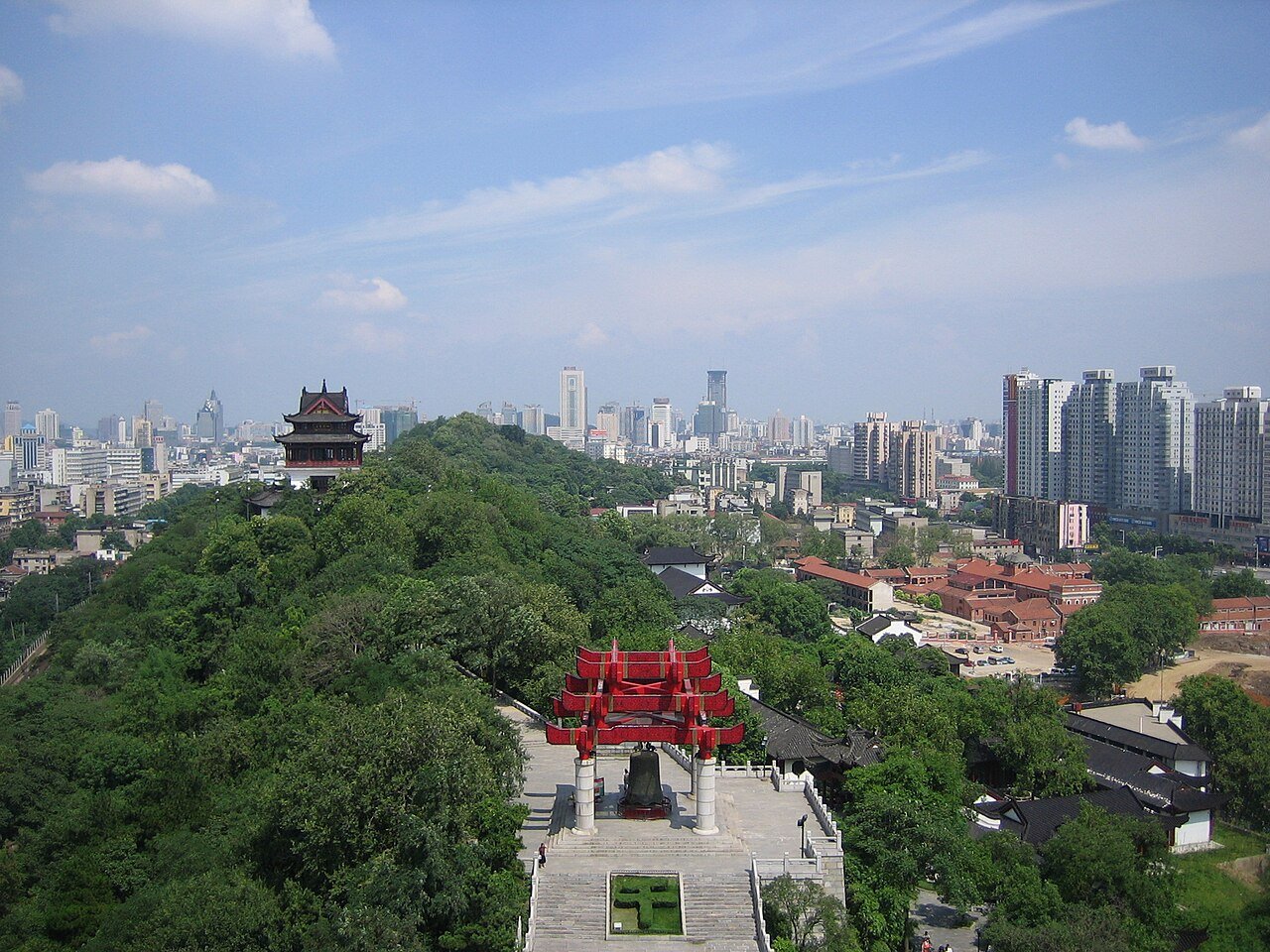
Why does Hubei eat so much freshwater fish?
Because the province is laced with rivers and lakes — the Yangtze, the Han, and a thousand smaller floods — so freshwater fish has always been cheaper and fresher than meat or coastal shellfish. The geography made the river the larder: a carp or a wuchang fish pulled from the Yangtze that morning costs a fraction of pork and needs little more than steaming with pickled chilli to taste of where it lived. The signature fish is wuchangyu, a blunt-nosed bream farmed in the Liangzi Lake system, steamed whole and prized for fine, sweet flesh. The honest catch is season: wild stocks thin in winter and prices rise, so the best value is spring and autumn when ponds are full. Order a whole fish rather than fillets — the cheek and collar are the parts locals fight over, and a restaurant that fillets by default is cooking for tourists.
The Thousand Lakes and the Fish on the Table
Freshwater fish is the centre of Hubei cooking in a way that surprises first-time visitors from the coast. There is no sea within several hundred kilometres, so the old protein economy ran on what the rivers and lakes gave: carp, crucian carp, black carp, and above all the big-head carp whose head is prized for its gelatinous flesh and its cheek meat. In Wuhan’s Caidian district and along the banks of the Liangzi lake, you will find restaurants that do nothing but fish, served steamed, braised in a brown sauce, or cooked in a broth with the pickled vegetables that are the province’s other signature.
The cooking is gentle by Chinese standards. Where Sichuan would bury the fish in chilli and broad bean paste, Hubei more often steams it whole with a little ginger, scallion, and soy, then pours hot oil over the top at the table. The dish you should know by name is qingzheng yu (清蒸鱼), steamed fish, though the version most associated with the province is the one dressed with pickled peppers rather than plain — a brighter, sourer preparation that I will come back to. A whole fish for two at a mid-range lakeside restaurant ran me roughly 68 yuan, and it fed three of us with rice to spare.
Breakfast Before the Heat: Reganmian and the Morning Crowd
Wuhan’s breakfast culture is the most distinctive thing the province has given the wider Chinese food conversation, and it is built around speed. The city wakes early and eats on its feet: reganmian, the hot-dry noodles, but also mianwo (面窝), a deep-fried rice-and-flour ring, and various braised goods sold from trolleys. The reganmian routine is the one to commit to memory. The noodles are cooked, rinsed, mixed with sesame paste and oil so they do not stick, then reheated by a quick dunk before serving, which is why they are “hot” and “dry” at once — never soupy, never cold.
I ate my best bowl on a side street near the Wuchang railway station at about half past six, when the commuters were already moving, and paid around five yuan for a portion that needed no topping beyond the standard one. The flavour is nutty and savoury with a faint bitterness from the preserved vegetable, and it is filling in the way a northern wheat breakfast is filling rather than the light rice congee of the south. The city’s nickname for this meal is “guo zao,” passing the morning, and it is taken seriously enough that travellers compare stalls the way others compare wine vintages or regional barbecue.
Why is there no Sichuan peppercorn in Hubei steamed fish?
Because Hubei’s heat comes from pickled chilli and salt, not the numbing tingle of mala cooking, and adding Sichuan peppercorn would bury the flavour of the fish. The province sits east of the peppercorn belt, so its steamed dishes lean on douban-style ferments, pickled long chilli and a little ginger to lift a whole bream without masking it. The result is brighter and cleaner than the oil-heavy Sichuan version, and the fish tastes of river rather than spice. The honest trade-off is that Hubei heat is sharp rather than complex — if you expect the buzzing lips of Chengdu you will be disappointed, and that is the point. Ask for ‘wei la (微辣)’ only if you truly cannot handle chilli, because the default is built for locals. A splash of the table vinegar cuts the salt if the pickle runs strong.
Steaming the Catch: Pickled Chilli and the Absence of Sichuan Pepper
The single most important thing to understand about Hubei flavour is what it is not. It is not numbing. The mala combination of chilli and Sichuan peppercorn that defines the provinces to the west barely registers here, and you will look a long time for the tingle of huajiao in a Wuhan kitchen. Instead the heat comes from pickled chilli — duojiao (剁椒), the chopped, salted, fermented red pepper — used as a topping and a braising medium rather than a dry powder.
The signature plate is fish head steamed with pickled chilli, the head dressed with duojiao and steamed until the flesh slides from the bone, then finished with a splash of hot oil that wakes the ferment into something sharp and bright. I had it at a restaurant on Snowflake Lane in the Hankou old quarter for roughly 48 yuan, eaten with the flat rice noodles that the region also favours. The comparison with Hunan’s version of the same dish is instructive: Hunan pushes the chilli harder and drier, while Hubei keeps the moisture and the sourness, letting the fermentation do the work that fire does elsewhere in the country.
What is water bamboo and how do you cook it?
Water bamboo is the swollen stem of a wetland grass, a crunchy, mildly sweet vegetable that grows in the same flooded fields as lotus root and turns up across Hubei’s summer tables. You will see it labelled jiaobai (茭白) at markets; the fresh stem is pale, firm and straight, never brown or slimy, and it should be eaten within a day of buying. The simplest preparation is a quick stir-fry with slivers of pork and a little Shaoxing wine, keeping the heat high so the pieces stay snappy rather than stewing soft. It also braises well with lotus root in pork rib soup, where the two together give the broth a clean, mineral sweetness. The honest caveat: water bamboo is seasonal and largely disappears in deep winter, when the markets swap it for dried versions that need long soaking. Don’t expect it year-round the way you might with cabbage.
The Water Vegetable Economy: Lotus Root and Water Bamboo
Because so much of Hubei is shallow water, the vegetable garden grows downwards as often as upwards. Lotus root, ou (藕), is the province’s quiet staple: crunchy when fresh, starchy when old, and used in soups, stir-fries, and stuffed preparations where the holes are filled with glutinous rice. The classic Hubei soup is pork rib with lotus root, a pale, sweet broth that simmers for hours and is sold in every neighbourhood by the bowl for about ten yuan. Water bamboo, jue sun (茭笋) — the swollen stem of a wetland grass — is the other, softer and more delicately flavoured, usually stir-fried with a little meat.
These are not restaurant showpieces. They are the ordinary greens of a watery province, and their presence on a menu tells you more about a kitchen’s roots than any decorated dish. In the winter I found lotus root soup everywhere from Hubei’s prefecture towns to the small eateries near the university campuses, always cheap, always restorative, and always better in the place where the root was pulled that week rather than shipped in cold storage.
| Dish | What it is | Typical price | Where to find it |
|---|---|---|---|
| Reganmian (hot-dry noodles) | Sesame-dressed wheat noodles eaten at breakfast | Around 4-6 yuan | Street stalls across Wuhan |
| Steamed fish with pickled chilli | Whole fish, duojiao topping, hot oil finish | Roughly 48-70 yuan | Hankou old quarter, lakeside spots |
| Pork rib and lotus root soup | Long-simmered pale broth with rice-filled root | About 10-18 yuan a bowl | Neighbourhood soup shops |
| Water bamboo stir-fry | Tender stem with pork or alone | Some 22-30 yuan | Home-style restaurants |
| Mianwo (fried rice ring) | Deep-fried breakfast snack | 2-3 yuan each | Morning trolleys |
Wuhan, the Dividing Line
Wuhan is worth a section of its own because it sits on the country’s grain fault line. North of the Yangtze the diet leans wheat — the noodles, the buns, the fried rings — while south of it rice takes over, and the city itself eats both without choosing. This is the same divide my guide to northern and southern Chinese cooking describes in national terms, but in Wuhan you can cross it on a single morning walk, eating noodles at a northern-style stall and congee at a southern one within a few hundred metres. The province as a whole is rice country, but its biggest city refuses the rule, and that refusal is part of its character as a crossroads.
The practical consequence for a visitor is freedom. You are never far from either a noodle or a rice dish, and the breakfast streets in particular reward a person willing to graze rather than sit. My own route was to start at Hubu Lane, move to the area around the food stalls near Yellow Crane Tower for a more tourist-paced version of the same food, and finish at a lakeside fish house when the day cooled. The three together tell you most of what Hubei cooking wants to say about its geography.
Seasonal Fish and Where to Eat Them
The fish economy turns with the calendar. Winter is the season for the fatty head and the rich broth, when the cold makes a heavy lunch sensible; summer pushes toward the lighter steamed preparations and the cold noodles of breakfast. I ate the best crucian carp of my life in January near the Liangzi lake, braised slowly with pickled vegetable until the small bones softened, for about 45 yuan, and I would go back for that alone. The lakeside towns — something like a forty-minute drive from central Wuhan — run simple operations: a few tanks, a few burners, and a menu written on a board that changes with the morning’s catch rather than the season’s fashion.
For the traveller with less time, the city’s own fish restaurants are perfectly adequate. The areas around the Han river docks have long done a trade in river fish for workers and travellers, and although the water is cleaner now and the catch smaller, the cooking has not changed much across the decades. Order the head if you are with people, the steamed whole fish if you are two, and ask for the pickled chilli version unless you specifically want the plain steamed one. The kitchen will know what you mean, and will not be offended by the question.
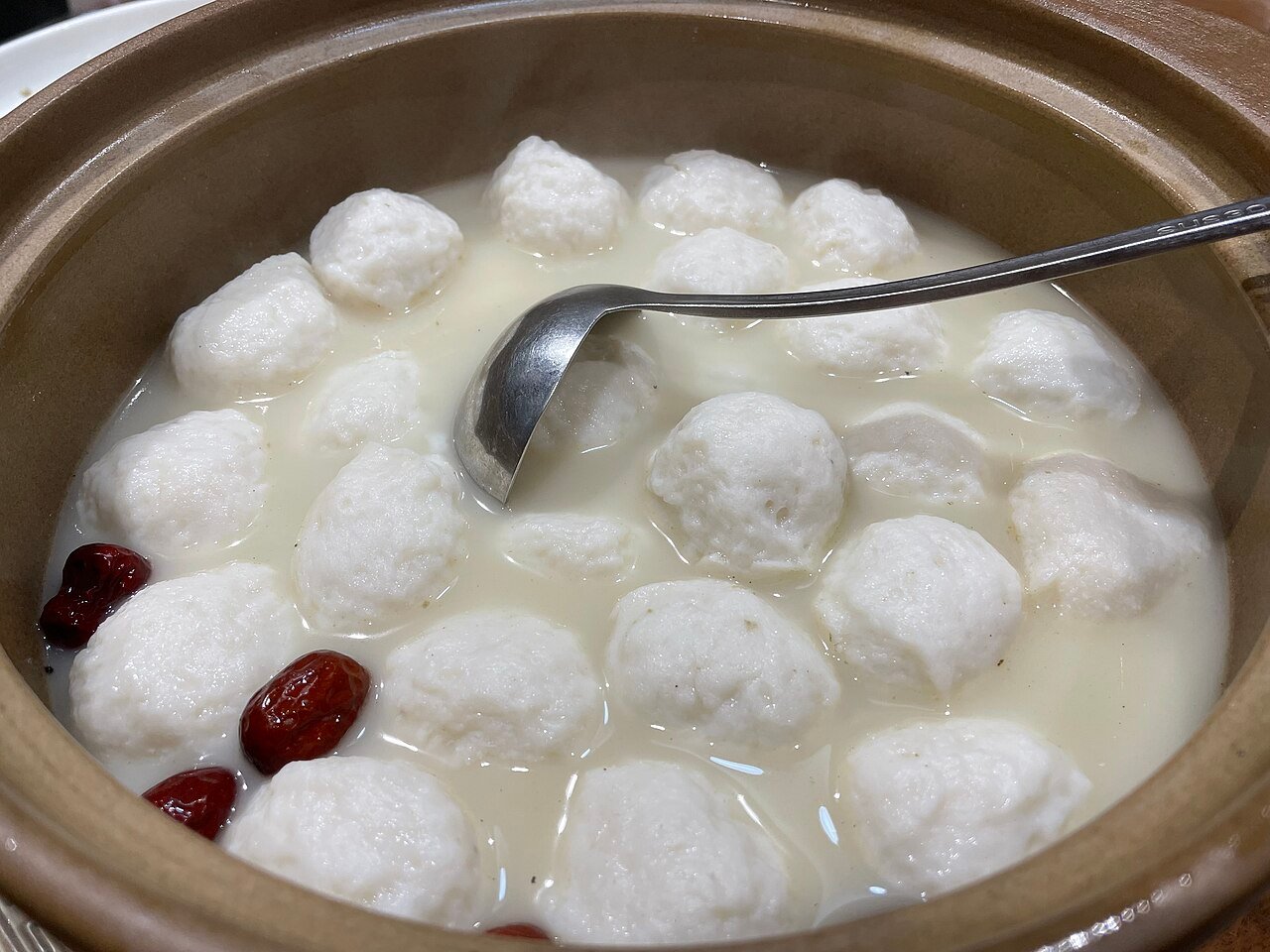
How hot is Hubei food compared with Sichuan?
Hubei is moderately hot, not numbingly so: its chilli arrives as pickled or fresh pepper with salt, so the burn sits on the tongue rather than buzzing the lips the way Sichuan’s peppercorn does. The province sits between the dry fire of Hunan to the south and the mala construction of Sichuan to the west, and it borrowed the commitment to chilli from both without copying either’s technique. Expect a clean, saline heat in steamed fish and noodle dressings, and a brighter, less oily mouthfeel than the western provinces. The honest scale is that a Hubei ‘la’ is roughly a six out of ten for most Western palates, and you can usually ask for ‘wei la (微辣)’ to bring it down without losing the dish. Hunan will still out-burn it; Sichuan will out-complicate it. Order reganmian with less chilli and you have a breakfast almost anyone can finish.
A Note on the Spice Profile
If you come to Hubei expecting the mouth-numbing heat of Chengdu or the dry fire of Changsha, you will be puzzled by how mild most of it tastes. The province uses chilli, sometimes generously, but it reaches for the pickle jar before the pepper mill, and the result is a savoury-sour heat that sits closer to the fermented traditions described in my guide to the eight great cuisines than to the mala belt. This is cooking shaped by water and preservation, not by altitude and trade routes, and it is all the more interesting for the restraint. The steamed fish technique in particular is worth learning at home; my whole steamed fish method follows the same logic Hubei cooks use, even if the pickle is gentler and the oil lighter than a banquet kitchen would pour.
I would also steer you toward the city’s own street food scene in Wuhan before you read another word about the province, because the breakfast streets are where Hubei cooking is most itself — fast, cheap, communal, and entirely without pretension. The banquet dishes exist, and some of them are good, but they are not the point of the place, and a visitor who only sees them has missed the daily argument the city has with its own appetite.
Frequently Asked Questions
Is Hubei food spicy? It uses chilli, mostly as pickled pepper, but it is far milder than Sichuan or Hunan. The signature heat is sour and fermented rather than numbing or dry, and a great deal of the everyday cooking carries no chilli at all.
What is reganmian made from? Wheat noodles dressed warm with sesame paste, soy, preserved vegetable and scallion. It is eaten dry, never in broth, which is what the name “hot-dry” refers to, and it is a breakfast dish first rather than a lunch or dinner one.
What fish should I order in Hubei? Big-head carp for the head, crucian carp for braising, and any whole river fish for steaming with pickled chilli. Ask for the day’s catch rather than a fixed menu item, because the tank is the real menu in a proper fish house.
Is Wuhan a good place to eat Hubei food? Yes, and not only because it is the capital. The city’s breakfast culture is the most distinctive expression of the province’s cooking, and the lakeside fish restaurants are an easy trip out by bus or taxi for anyone based in the centre.
How does Hubei differ from Hunan cooking? Both use chilli, but Hubei ferments it into pickled pepper and keeps dishes moist and sour, while Hunan uses more fresh and dried chilli with less fermentation. The two provinces share a border and a temper, but they do not share a pantry, and the difference shows in the first mouthful.
Can I cook Hubei food at home? The steamed fish and the lotus root soup are both achievable with supermarket ingredients and a patient afternoon. The reganmian needs sesame paste and a willingness to rinse the noodles properly, but it is not difficult once you have watched the technique done in front of you.
The Short Version
Hubei is the watery heart of China, and its cooking follows the water: freshwater fish steamed with pickled chilli rather than buried in spice, a breakfast culture built on hot-dry noodles eaten standing up, and a vegetable garden that grows lotus root and water bamboo in the shallows. Wuhan sits on the rice-wheat line and refuses to choose, which makes it the best single place to eat the province’s range. Come for the fish head, stay for the four-yuan breakfast, and leave with a clearer sense of how much Chinese cooking the mountains and the coast tend to drown out in the national conversation.
Frequently Asked Questions
What is Hubei cuisine?
Our guide to Hubei Cuisine Guide: The Land of a Thousand Lakes covers this directly: Reviewed 31 October 2026 by the China Food Way editorial team The sections above walk through the practical details.
Related reading
Zigong Food Guide: The Salt City That Invented a Cuisine · Zhejiang Cuisine: Tea, Wine and the Lake