Jiangxi Cuisine Guide: The Undiscovered Spicy Province
Last updated 31 October 2026 · checked by the China Food Way editorial team
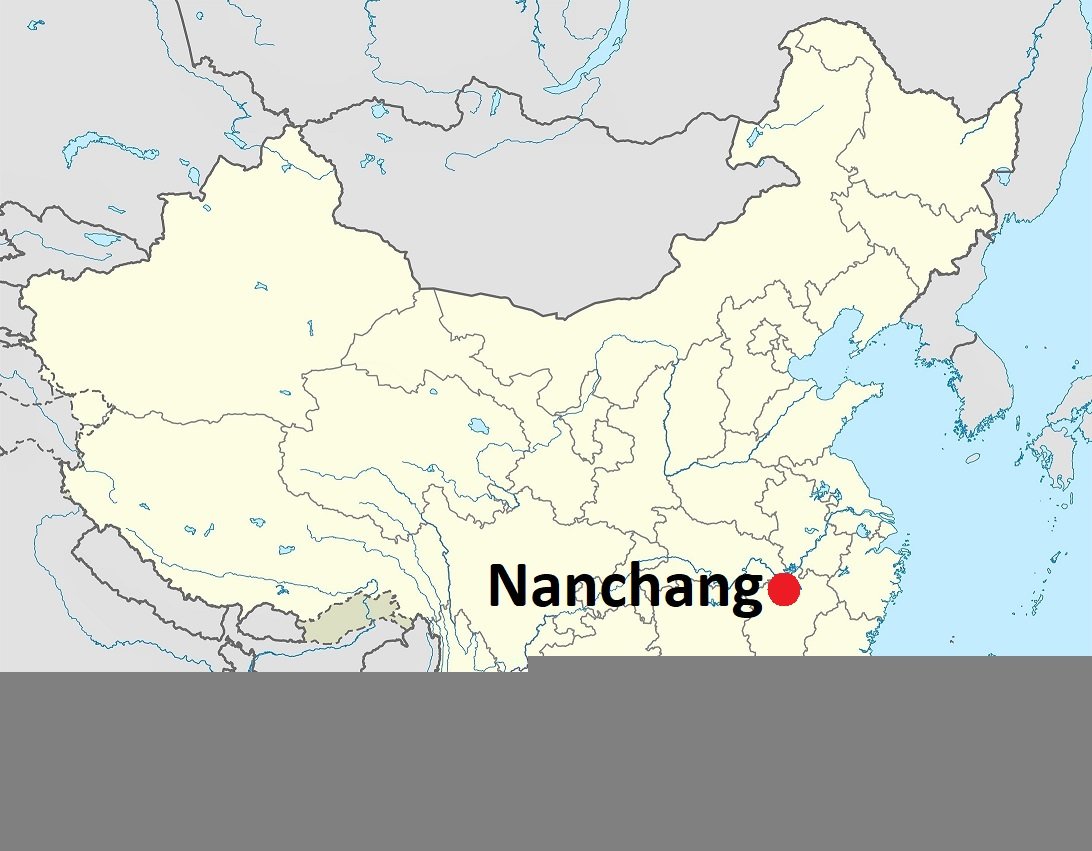
I went to Jiangxi expecting the cooking to feel like a quieter version of Hunan, because that is what the guidebooks imply when they mention the province at all, and I was wrong in a way that cost me the first two meals. The chilli was there, certainly, but it arrived fresh and green more often than dried and red, and it came bound up with pickled vegetables in a sourness that Hunan’s drier heat does not really possess. My first proper bowl was a late lunch in Nanchang at a small place off Zhongshan Road, a poached chicken dressed with crushed fresh chilli and a sour pickle brine, and it tasted like nothing I had been told to expect — bright, saline, and hot in the throat rather than the tongue.
Jiangxi is the spicy province nobody talks about, and the silence is partly a matter of geography. It is walled on three sides by mountains and hemmed on the fourth by the Yangtze, a province that the great rail and river routes skirt rather than cross, so its food has travelled less than almost any other regional kitchen of comparable age. What has stayed home is a cooking that is genuinely hot, genuinely sour, and genuinely its own, sitting between the wet ferment of Fujian to the east and the dry fire of Hunan to the west without copying either.
This is the account of what I ate across two trips, one in early autumn and one in the damp cold of a Jiangxi February, with the prices I actually paid and the streets where I paid them. The numbers are approximate by intention; the dishes are not.

Why is Jiangxi food both sour and spicy at once?
Because its heat is bound to pickled vegetables, so the chilli arrives with a sour brine rather than as dry oil heat. Jiangxi cooks ferment mustard greens, string beans and radish into sour pickles, then crush fresh green chilli into the same brine to dress chicken, noodles and tofu — the result is bright and hot in the throat rather than merely burning on the tongue. That sour-spicy pairing sits between the wet ferment of Fujian to the east and the dry fire of Hunan to the west, borrowing from both and obeying neither. The honest distinction from Sichuan is the absence of peppercorn: nothing numbs, everything tingles with acidity. Try a poached chicken dressed with crushed fresh chilli and pickle brine to taste the logic at once. The sourness also keeps dishes alive the next day, which is why Jiangxi breakfasts often reuse last night’s pickle.
The Province Between Two Fires
To understand Jiangxi you have to place it correctly. It borders Hubei to the north, Anhui to the northeast, Fujian to the east, Hunan to the west, and Guangdong to the south, which means it sits in the afternoon shadow of four louder culinary neighbours. The cooking borrowed from all of them and obeyed none. From Hunan it took the commitment to chilli; from Fujian the habit of fermenting vegetables into sour seasonings; from the south the occasional sweet note; and it kept a preference for fresh, quick-cooked heat that is distinct from the slow braises of the wheat north.
The result is a cuisine that rewards the person who asks for the local menu rather than the one translated for visitors. In Nanchang and Ganzhou both, I found the best food in restaurants with no English sign and a board written in chalk, where the waitress recited three or four dishes that were not printed anywhere. That is the Jiangxi experience: you eat what the kitchen decided this morning, and it is usually better than what you planned to order.
Can I cook Jiangxi flavours with shop-bought pickles?
Yes, with a jar of suancai (酸菜) and fresh green chilli, which between them carry most of the province’s flavour. Drain the pickle, chop it fine, and crush a few fresh chillies with salt in a mortar — that paste, loosened with a spoonful of the pickle brine, is the dressing for cold chicken, blanched greens or smashed cucumber. The honest shortcut is to skip dried red chilli entirely; Jiangxi’s signature is the green, not the red, and dried pepper tastes like the wrong province. Use the brine generously, because the sour salt is doing as much work as the heat. A tablespoon of furu mashed in adds the funky depth the home jar usually lacks. Cook the chicken through, dress it warm, and rest five minutes so the brine soaks in. The dish will taste closer to Nanchang than most restaurant approximations.
Fresh Chilli and the Pickle Logic
The defining ingredient is the fresh red and green chilli, used whole, crushed, or sliced, and the defining technique is the pairing of that chilli with a pickled vegetable — suan cai (酸菜) in its many local forms, or the salted mustard green known as xue cai (雪菜). The sourness is not a garnish. It is the structural bass note under the heat, the thing that keeps a very spicy dish from becoming merely hot, and it is what separates Jiangxi from the rest of the chilli belt once you learn to taste for it.
I watched a cook in Ganzhou prepare what looked like a simple stir-fry of green beans and minced pork, and the difference was the handful of pickled chilli added at the end with the raw crushed fresh one on top, so that the dish carried three layers of heat: cooked, sharp, and raw. It cost about 28 yuan and was the best thing I ate that day, which is the usual Jiangxi story — the unremarkable-looking plate that turns out to be the one you remember on the train home.
Three-Cup Chicken and the Fermented Tofu
The dish Jiangxi is most proud to claim is san bei ji (三杯鸡), three-cup chicken, named for the equal cups of sesame oil, rice wine, and soy sauce in which the bird is braised until the liquid reduces to a glossy lacquer. Outside the province it is usually filed under Taiwanese cooking, but the preparation is Jiangxi through and through, and the proper version leaves the basil out or uses a local herb, then lets the three cups do the seasoning without sugar. A restaurant near the Pavilion of Prince Teng in Nanchang served it for roughly 58 yuan, sticky and faintly bitter from the wine, and it explained the whole regional logic in one plate.
The other fermented staple is furu (腐乳), the fermented rice tofu, a soft curd inoculated and salted until it turns to a spreadable savoury paste, pink or white depending on the culture. Jiangxi makes a particularly strong version, eaten as a condiment with plain congee at breakfast or stirred into vegetables to give them a backbone they would otherwise lack. It is the kind of ingredient that divides tables — loved by locals, eyed with suspicion by newcomers — and it belongs firmly to the pickle-and-ferment logic that runs through the whole province.
Which Jiangxi city has the better street food?
Nanchang for noodles and late-night snacks, Ganzhou for a deeper, sourer heat, and the two make a good pair rather than a contest. The capital eats fast and cheap: rice-noodle stalls open before seven, the breakfast queues are long, and the evening streets fill with grilled skewers and cold dressed dishes priced for students. Ganzhou, down near the Guangdong border, cooks with more pickle and less oil, and its signature sour fish and cured vegetable braises taste older and sharper than the capital’s. The honest move is to spend a day in each: breakfast in Nanchang on the street, then an evening train south to Ganzhou for the sourer cooking. Prices stay low either way — a bowl rarely tops fifteen yuan. Avoid the bright food-court clones in the malls; the real stuff is at the plastic-stool stalls where the locals are already queuing.
The Streets of Nanchang and Ganzhou
Nanchang, the capital, is where you go to eat the canon. The area around Bayi Square and the old streets behind it has clusters of restaurants that do the standard repertoire competently, and the night market along the river serves the snack versions — grilled things, soups, and the small plates that travel well on a paper tray. I spent one evening there spending perhaps 60 yuan for a table of six dishes shared with strangers, which is the correct way to eat a Jiangxi night market: order broadly, trade bites, and ignore the menu’s English.
Ganzhou, in the south near the Guangdong border, is where the food turns a little sweeter and a little closer to the Hakka cooking of the borderlands, because the Hakka migration passed through here and left its mark on the preserved vegetable and the steamed pork. The food streets there are smaller and more local, and the best meal I had in the south of the province was in a converted warehouse canteen where the only tourist was me and the only menu was the cook’s memory.
| Dish | What it is | Typical price | Where to find it |
|---|---|---|---|
| Three-cup chicken (san bei ji) | Chicken braised in equal oil, wine, soy | Roughly 48-60 yuan | Nanchang, Ganzhou |
| Poached chicken with chilli | Plain-poached bird, fresh chilli dressing | About 45-55 yuan | Street restaurants |
| Pickled chilli with green beans | Stir-fry with crushed fresh and pickled chilli | Some 22-30 yuan | Everywhere |
| Fermented tofu (furu) | Soft salted curd, eaten as condiment | 6-12 yuan a jar | Breakfast shops |
| Rice noodle soup | Thin rice noodles in a pickle-brined broth | Around 10-15 yuan | Morning stalls |
Why Nobody Talks About It
There is a reason Jiangxi cooking has no diaspora restaurant on every high street the way Sichuan or Cantonese food does. The cuisine is intensely local in its seasonings — the pickles are made per household, the chillies are the ones that grew on the nearby hill — and it does not travel because the things that make it good are the things that spoil on the journey. A bowl of pickled-chilli noodle soup in Nanchang is a different bowl three valleys over, and neither survives the freezer.
This is also why it sits so interestingly between its neighbours. The Hunan kitchen will give you more heat and less sour; the Fujian kitchen will give you more sea and more sugar and none of the fresh-chilli bite. Jiangxi keeps the chilli of one and the ferment of the other and refuses to become either, which is exactly the kind of stubborn regional identity my guide to the eight great cuisines is written to honour rather than smooth over.

When is the best time of year to eat in Jiangxi?
Autumn for the chilli, winter for the cured and fermented, and either beats the damp cold of a February visit when little is in season. Fresh green chilli peaks from August to October, so the salads and dressings taste brightest then, and the markets fill with the new pickle harvest. Winter is when the cured meats and fermented tofu come into their own, giving the hotpot-style dishes their depth. The honest low point is late winter, when the chill sets in, the chillies are tired, and restaurants lean on frozen stock — still edible, just less alive. Spring brings tender bamboo shoots and fresh greens that lighten the sour-heavy table. If you want one window, come in October: the heat is at its freshest, the weather is dry, and a bowl of chilli-dressed noodles costs the same as it did a decade ago. Pack for spice either way.
Seasonal Eating and a Note on Heat
The chillies come in with the summer and the cooking gets hotter as the weather does, in the ordinary Chinese logic that spicy food is cooling because it makes you sweat. I ate the fiercest versions in August, when the green chilli was at its most aggressive, and the gentlest in February, when the preserved vegetables carried more of the load than the fresh pepper. Either way the heat is a clean heat — it builds, it sits in the throat, and it fades, rather than the numbing buzz of the western provinces. For the traveller who finds Sichuan too much, Jiangxi is often the answer, because the sourness moderates the fire and the freshness keeps it from feeling heavy.
If you want a single reference point for how this province’s chilli logic differs from its famous neighbour, the Hunan versus Sichuan comparison is useful background, but Jiangxi deserves to be read on its own terms. And the city that eats it best, Changsha’s neighbour in spirit if not in fame, is worth a detour if you are already in the region — the Changsha food scene will point you toward the border where the two styles meet, and from there Jiangxi is a short and rewarding step.
Frequently Asked Questions
Is Jiangxi food hotter than Sichuan? Usually not, and the heat is different in kind. Jiangxi uses fresh and pickled chilli for a clean, sour-edged spice, while Sichuan uses dried chilli and numbing peppercorn for the mala combination, so the two provinces are hot in ways that do not really compete.
What is three-cup chicken? It is chicken braised in equal parts sesame oil, rice wine, and soy sauce until the liquid reduces to a glaze, a Jiangxi dish often misattributed to Taiwan. The proper version is savoury and faintly bitter rather than sweet.
What does furu taste like? Fermented tofu is salty, savoury, and faintly alcoholic, closer to a strong soft cheese than to anything made from beans in the ordinary sense. A little goes a long way, and it is best eaten with plain congee.
Where should I eat Jiangxi food? Nanchang for the canonical restaurant versions and the river night market, Ganzhou for the southern, Hakka-leaning cooking nearer the Guangdong border. Both reward walking away from the obvious places.
Is Jiangxi cooking sweet? Not by southern standards. It is mostly savoury and sour with heat; any sweetness tends to come from the rice wine in braises rather than added sugar, and the south of the province is a touch sweeter than the north.
Can I make Jiangxi food at home? The three-cup chicken is straightforward and needs only the three liquids named; the pickled-chilli dishes need a jar of preserved vegetable, which is sold in Chinese supermarkets and keeps for months. Start with those two and you will sound like you have been.
The Short Version
Jiangxi is the spicy province the rest of the world forgot, a cooking built on fresh and pickled chilli moderated by sour fermented vegetables, proud of its three-cup chicken and its furious fermented tofu, and content to sit between Hunan’s fire and Fujian’s sea without becoming either. Eat it in Nanchang and Ganzhou, ask for the chalkboard dishes, and prepare for a heat that is clean rather than numbing. It is the best argument I know for leaving the famous regions to the tourists and following the chilli up a side valley instead.