MSG Guide: The Myth, the Science and the Pan – Msg asian food
Last updated 31 October 2026 · checked by the China Food Way editorial team
I grew up in the generation that was told MSG would give you a headache and a racing heart, and for years I avoided the little white packet out of reflex rather than evidence. Then I started cooking Chinese food seriously and noticed that the dishes I loved from restaurants had a rounded, mouth-filling savour that my home versions lacked no matter how much soy I added. The missing piece was monosodium glutamate, or wei jing (味精), and once I understood what it actually is and is not, it became a normal part of my seasoning, used like salt and with the same restraint. This is the ingredient I most wish had not been saddled with a bad reputation, because the science is settled and the fear is not.
A 250-gram tub of MSG from an Asian grocer costs roughly two pounds and lasts the better part of a year for a home cook, because you use it by the pinch, not the spoonful. It is flavourless except for savour, it dissolves cleanly, and it makes tomatoes taste more like tomatoes and stock taste more like stock. The story of how it got its reputation is more interesting than the rumours, and worth knowing if you are going to decide for yourself whether to keep it in the cupboard.
Why was MSG first isolated from seaweed rather than meat?
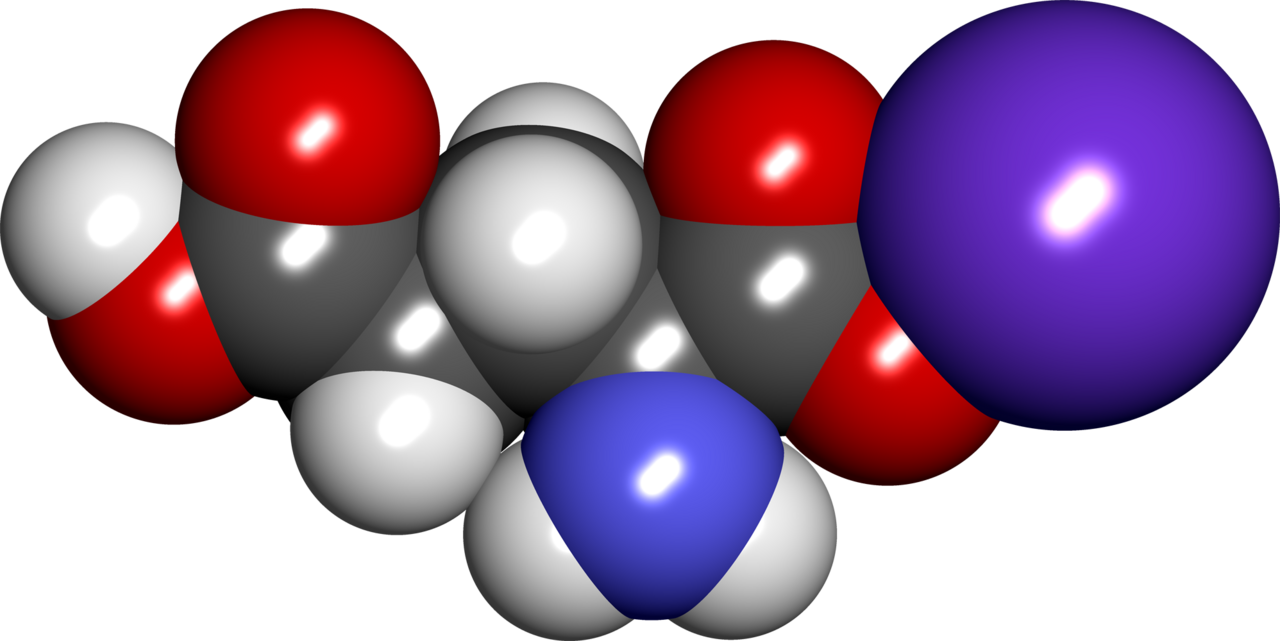
MSG was first isolated from seaweed because a Japanese chemist, Kikunae Ikeda, was chasing the savoury taste of a kombu broth, not the flavour of meat. In 1908 he noticed that the broth’s depth came from something beyond salt and sweetness, extracted glutamate from the kombu, named the taste umami, and then found a cheap way to make the compound from wheat and sugar-beet molasses. The honest detail is that glutamate is already in meat, cheese and tomatoes — Ikeda simply pulled it out of the easiest, most concentrated plant source. A practical note for cooks: the molecule in your tub is the same amino acid your body makes and eats every day, just isolated. That origin is why MSG sits squarely inside normal food chemistry rather than outside it.
The 1908 Isolation Story
Msg asian food
Msg asian food deserves a closer look. Last updated 31 October 2026 · checked by the China Food Way editorial team In the sections below we cover what travelers and home cooks actually need to know.
Msg chinese food
Msg chinese food deserves a closer look. Last updated 31 October 2026 · checked by the China Food Way editorial team In the sections below we cover what travelers and home cooks actually need to know.
MSG was first isolated in 1908 by a Japanese chemist named Kikunae Ikeda, who was trying to work out why a simple broth of kombu seaweed tasted so deeply savoury. He extracted glutamate from the kombu, identified it as the source of that particular taste, which he named umami, and shortly after found a cheap way to produce it from wheat or sugar-beet molasses. The substance is simply the sodium salt of glutamic acid, an amino acid present in every protein-rich food you eat, from cheese to mushrooms to your own body. There is nothing exotic about the molecule; we have been eating it forever, just not in isolated form.
This origin matters because it places MSG squarely inside the normal chemistry of food. The glutamate in a ripe tomato, a Parmesan rind or a spoonful of soy sauce is the same molecule, and your tongue treats it the same way. What Ikeda did was separate that taste from the rest of the food so a cook could add it directly. The light and dark soy guide I wrote explains how soy already delivers glutamate in liquid form; MSG is the concentrated, dry version of the same idea.
The 1968 Letter and the Evidence Since
The fear began in 1968 with a letter to a medical journal in which a reader, a Chinese-American doctor, described a collection of symptoms he experienced after eating in Chinese restaurants and speculated, without evidence, that MSG might be the cause. The label “Chinese restaurant syndrome” stuck, and it was both scientifically thin and culturally loaded, tying a racist suspicion of “foreign” food to a single ingredient. What followed was decades of research, and the consistent finding across controlled studies is that the vast majority of people experience no adverse effects from normal dietary amounts of MSG, and that the few who report sensitivity show it only at very high doses taken on an empty stomach.
Bodies that have reviewed the evidence, including mainstream food and health authorities, classify MSG as safe and comparable to other common seasonings. The symptoms described in that original letter were never reproduced reliably in blinded trials, which is the standard a scientific claim has to meet. I am not a scientist and I do not dismiss the people who say they react to it, but the burden of evidence simply does not support the blanket warning most of us grew up hearing, and cooking with it at home lets you control the amount precisely.
How do you stack umami without making a dish taste salty?
You stack umami by combining glutamate sources — MSG, tomatoes, soy, aged cheese, mushrooms — so each adds savour without adding more salt than the dish needs. The trick is that umami and salt are separate tastes: a pinch of MSG lifts a tomato sauce or a bowl of stock the way a squeeze of lemon lifts a fish, and you can often cut the soy slightly because the MSG is doing some of the savoury work. The honest failure mode is doubling up blindly — MSG plus a heavy hand of bouillon powder just tastes aggressively salty and flat. A practical rule: add MSG at the end, taste, then adjust salt, because the two compound differently as they sit. Tomatoes are the easy start: a ripe tin and a small pinch beats a long simmer for roundness.
Umami Stacking With Tomatoes and Soy
The real pleasure of MSG is in stacking. Umami is not a flavour that stands alone; it amplifies and lengthens other savoury tastes, so when you add a little MSG to a tomato sauce, the tomatoes taste more tomatoey, and when you add it to a soy-based braise, the meat tastes meatier. A bowl of hot and sour soup already contains glutamate from the soy and the vinegar-laced stock, and a pinch of MSG at the end rounds the whole thing without making it taste of anything new. This is why Chinese home cooks use it alongside, not instead of, other seasonings.
I think of it as turning up the contrast on a photograph. The ingredients are already there; the MSG makes them read more clearly. In my mapo tofu recipe the combination of fermented bean paste, soy and a small amount of MSG produces a depth that the paste alone cannot reach, because the glutamate from each source reinforces the others. Once you taste the difference side by side, the logic is obvious and the fear looks like the historical accident it was.
How much MSG should a home cook actually use?
A home cook should start with about half a teaspoon of MSG per litre of broth or per four servings of a stir-fry, then taste and nudge from there. That sounds tiny, but the compound is roughly five times stronger than the natural glutamate in food, so a little rounds a dish without announcing itself. The honest measure is your own tongue: if the food tastes balanced and you cannot name the additive, the dose is right; if it tastes metallic or flat, you have overshot. A practical tip — keep a small spoon by the tub and season with it the way you would with salt, building up across a recipe rather than dumping it in at once. A 250-gram tub costs about two pounds and outlasts the average spice jar.
Dosing at the Teaspoon Level
MSG is potent, and the right amount is small. For a family dish serving four, I use roughly a quarter to half a teaspoon, stirred in near the end of cooking so it distributes without over-concentrating in one spot. A full teaspoon is already a lot for most home portions, and more than that tips the dish into a metallic, mouth-coating savouriness that is its own kind of unpleasant. The powder is easy to over-scoop because it looks like salt, so I keep it in a small shaker with a restrained hole rather than a spoon, which prevents the accidental heavy hand.
Because it is sodium, you should account for it the way you would a salty seasoning, though it is roughly two thirds sodium to one third glutamate by weight, so a given amount contributes less salt than the same volume of table salt. When I add MSG I often ease back on the soy or salt slightly, not because the MSG replaces them but because the combined sodium creeps up. The Cantonese kitchen is careful about this balance, since its clear soups rely on a clean savoury note rather than a heavy one.
Why does MSG only dissolve properly in hot liquid?
MSG dissolves far better in hot liquid because monosodium glutamate is far more soluble as the temperature rises — roughly ten times more at boiling point than at fridge temperature. That is why a cold dressed dish can show a gritty white residue: the crystals simply will not go into solution in the chill. The honest fix is to dissolve the MSG in a spoonful of warm water or mix it into the hot component of the dish first, then combine. A practical note — if you are making a cold noodle sauce or a salad dressing, bloom the MSG in a little warm stock or vinegar before tossing, or you will be chewing the grains. It is the same chemistry as salt, only more temperature-sensitive, so heat is your friend when seasoning.
Why It Dissolves Hot, Not Cold
A practical point that trips up beginners: MSG dissolves readily in hot liquid but sits stubbornly at the bottom of a cold one. If you stir it into a cold dressing or a chilled broth it forms gritty undissolved grains that crunch, which is unpleasant and also means the seasoning is uneven. I always add it to something warm, or dissolve it first in a spoonful of hot water before stirring it into a cold component. In a stir-fry it goes in during the last moments when the pan is hottest, so it melts into the sauce rather than landing on the plate as white specks.
This is also why it works so well as a finishing seasoning for soups and braises: the heat guarantees it disappears completely, leaving only the savour. The fried rice guide benefits from exactly this, a sprinkle while the rice is hot so it seasons the eggs and the grains evenly rather than clumping.

How Chinese Kitchens Actually Use It
The myth is that Chinese restaurants drown food in MSG to fake flavour. The reality in the kitchens I have cooked in is more mundane: a small pinch goes into the seasoning bowl for soups, marinades and stir-fries, used with salt and soy as part of a normal savoury base, not as a substitute for cooking. Cooks who build proper stocks and braises use less, because the food already carries umami; cooks working fast with fewer ingredients use a touch more to compensate. Either way it is a seasoning measured in pinches, the same way a Western cook reaches for a stock cube or a sprinkle of Parmesan.
What you will not find is a Chinese kitchen that uses MSG instead of salt. The two do different jobs, and the glutamate amplifies where the sodium seasons. Dropping the salt because you added MSG would leave the food tasting flat in a different way. The honest use is additive and moderate, and that is the habit I have brought into my own cooking.
| Seasoning | What it adds | Typical amount per dish | Use with |
|---|---|---|---|
| MSG | Pure savoury lift | Quarter to half teaspoon | Salt, soy, tomato |
| Soy sauce | Savoury plus salt plus colour | One to two tablespoons | MSG, wine, sugar |
| Salt | Straight seasoning | To taste | Everything |
| Tomato | Natural glutamate, acidity | Variable | MSG amplifies it |
Frequently Asked Questions
Is MSG the same as salt? No. It is the sodium salt of glutamic acid, so it contains some sodium, but its main effect is savoury enhancement rather than saltiness. Use it with salt, not as a replacement.
Will it give me a headache? Controlled studies have not reproduced the symptoms of “Chinese restaurant syndrome” at normal dietary levels. A small number of people may be sensitive at high doses on an empty stomach, but the general warning is not supported by evidence.
How much should I use? Roughly a quarter to half teaspoon for a family dish, added to something hot so it dissolves. More than a teaspoon for a normal portion is too much.
Can I use it if I am cutting salt? It contains some sodium but less per spoonful than table salt, and it lets you reduce salty seasonings while keeping savour. It is not salt-free, so account for the sodium.
Why are there white grains in my cold dish? MSG does not dissolve in cold liquid. Add it to warm food or pre-dissolve it in hot water before using it in a cold component.
Is it safe for children? In normal culinary amounts it is considered safe like any seasoning. As with salt, use it in moderation as part of a varied diet.
The Short Version
MSG, or wei jing, is the sodium salt of glutamic acid, the same savoury molecule found in tomatoes, cheese and soy, first isolated in 1908 and unfairly maligned since a 1968 letter with no evidence behind it, and the honest way to use it is as a small, hot-dissolved pinch that stacks umami with tomatoes and soy and sits alongside salt rather than replacing it, at roughly a quarter to half teaspoon per dish, which lets you deepen the savour of soups, stir-fries and braises without adding a flavour of its own or, despite the folklore, any reliable harm.
Frequently Asked Questions
What is Msg chinese food?
Our guide to MSG Guide: The Myth, the Science and the Pan covers this directly: Last updated 31 October 2026 · checked by the China Food Way editorial team The sections above walk through the practical details.