Chinese Cinnamon (Cassia) Guide
Last reviewed 31 October 2026 · China Food Way editorial team
There is a cinnamon tin in my spice cupboard that I keep meaning to throw out, because every time I open it and use it I remember that it is not cinnamon. It smells right. It looks right. It browns the rice the same way. And it is not the same spice, and the difference matters more than the price suggests, because the one in the tin is the one Chinese cooking actually wants and the one on the supermarket shelf is the one most people reach for by mistake.
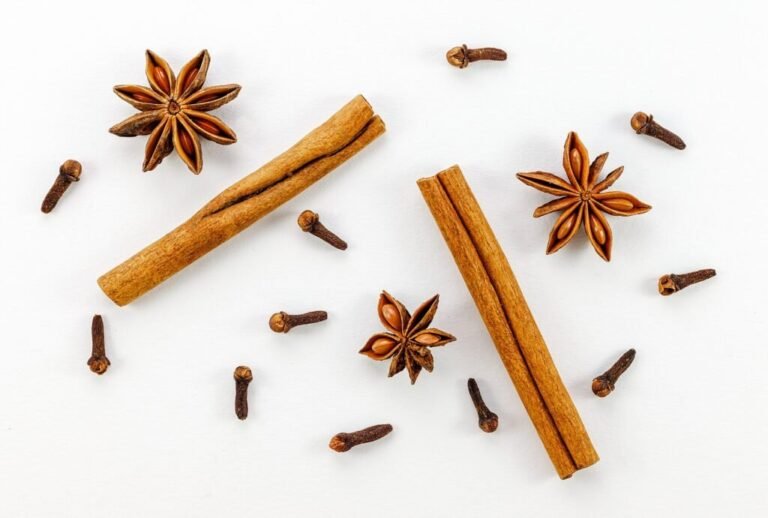
Chinese cooks use cassia bark, the rolled inner bark of a tree in the laurel family, Cinnamomum cassia. The true cinnamon in a supermarket jar comes from a different species entirely, Cinnamomum verum, and is what Sri Lanka and most of the Western world have used for centuries. They are both called cinnamon, and they behave differently enough in a pan that swapping one for the other is a genuine mistake.
How can I tell cassia and true cinnamon apart by eye?
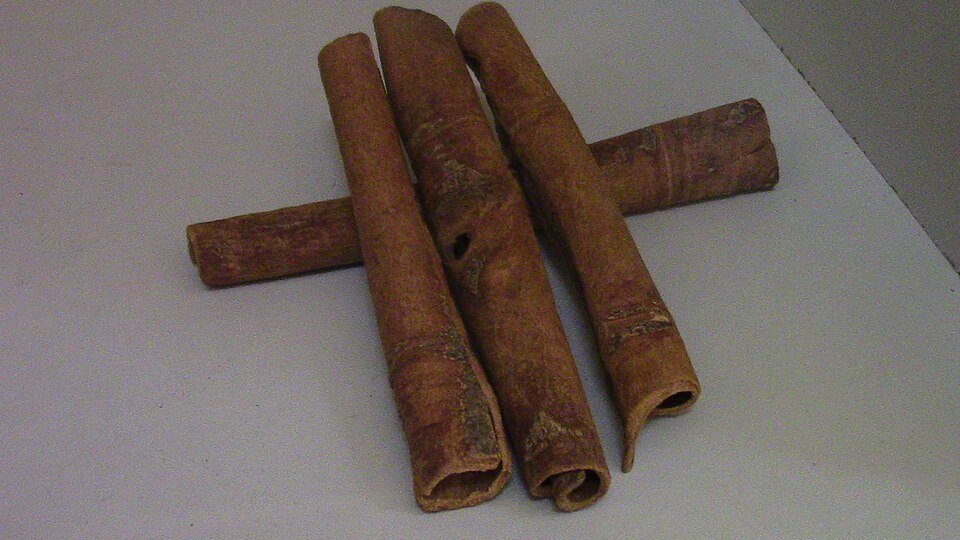
Tell them apart by thickness and curl: cassia is a thick, hard single-layer scroll the colour of bark, while true cinnamon is a thin, papery quill rolled from many layers. I hold a piece to the light — cassia is opaque and dense, cinnamon translucent and fragile enough to crumble in my fingers. The cross-section gives the final clue: cassia shows one solid curl, cinnamon a tightly wound cigar of nested skins. Price is a loose guide too, because true Ceylon costs more and cassia is sold cheap by the bag. Once you have seen both side by side the difference is obvious, and you will stop reaching for the wrong one in a Chinese braise.
Two Trees, Two Barks
China cinnamon
China cinnamon deserves a closer look. Last reviewed 31 October 2026 · China Food Way editorial team In the sections below we cover what travelers and home cooks actually need to know.
The first difference you will notice is physical. True cinnamon is thin, brittle and papery, and it rolls into a quill that crumbles under your fingers. Cassia bark is thick, hard and woody, sold in slabs you have to break or hammer down, which is why it is nearly always sold ground in Chinese supermarkets and why it is almost never used in Western baking. Cassia is also two to three times as strong, and more assertive about the wood and the resin.
The second difference is the one that catches people: coumarin. Cassia is high in coumarin, a compound that is pleasant in small quantities and toxic in larger ones. True cinnamon contains very little, which is why Scandinavian and German health authorities have advised against heavy daily use of cassia and why the Danish food authority has banned it entirely. This is not a theoretical risk at culinary quantities, but it is the reason the German cinnamon market is largely Ceylon rather than cassia.
The third difference is aroma. True cinnamon, particularly Ceylon, is more delicate and more citrus-flavoured, a little like lemongrass. Cassia is sweeter and more aggressive, with a woody, resinous quality that holds up to long cooking. That heat-resistance is precisely why Chinese cooking prefers it: cassia can be simmered for two hours and still be present at the end, while true cinnamon fades.
What is the difference between hua gui and rou gui?
Hua gui and rou gui are two grades of the same cassia bark, with rou gui the everyday braising bark and hua gui the more aromatic, thinner grade kept for dishes where the bark itself is noticed. I buy rou gui by the bag for red-cooked pork, where it dissolves into the background, and reach for hua gui when a recipe wants the scent to sing — five-spice, spiced sugar, a mulled drink. The honest difference is oil content and price: hua gui costs more and smells brighter, but for a long braise the humble rou gui does the job. Use rou gui as your default and save hua gui for when fragrance is the point.
Hua Gui and Rou Gui
Within cassia, the Chinese trade distinguishes between grades sold on the basis of aroma rather than on the tree they came from. The two you will see are hua gui (花桂), the sweet or floral grade, and rou gui (肉桂), the hot or meaty grade. These describe the aromatic profile of the bark rather than two botanical species, and the grading reflects the intensity of the oil in the bark’s cells.
Hua gui is the delicate one, used where you want the warmth of cinnamon without the wood: a red-braised pork where the sugar and the wine are doing most of the work, a fruit dish, a sweet soup. Rou gui is the assertive one, and it is what goes into a master stock or a red-braised beef, where the cinnamon has to hold its own against star anise, dried chillies and Sichuan peppercorn. A further grade worth knowing about is guan gui (官桂), the thickest bark of all, cut from older trees, and the most likely to make a dish taste medicinal if you overdo it.
The practical upshot for a home kitchen is that a Chinese supermarket will have one of these on the shelf, usually labelled simply as cassia or cinnamon bark, and it will do for everything. If you are lucky you will find one labelled hua gui, the gentler and more useful of the two.
When should cassia go into the pot during cooking?
Add cassia early in a long braise so its oils have time to infuse, but pull the piece out before serving so no one bites into bark. I drop one 4cm chunk in at the start of a red-cooked pork and let it simmer two hours, then fish it out with the star anise at the end. For a quick spiced dish it goes in with the aromatics at the beginning of the fry, because there is no long cook to extract it. The mistake is adding it late to a braise, where it never gives up flavour, or leaving it in, where a guest meets a bitter woody mouthful. Early in, out before the bowl.
How Much, and When
Cassia is powerful, and the amounts are small. For a braise or a stock serving four to six people, a single small piece of bark, roughly three or four centimetres square, is enough. That sounds like nothing, and it is, because the bark releases its oil slowly over the whole cooking time. Two pieces in a family-sized pot is generous, and a teaspoon of ground cassia in a stew for four is already a strong dose, because ground cassia releases everything at once rather than over two hours.
Where a recipe calls for a whole piece, it means a piece, and this is one of the few spices where the distinction between whole and ground is not a convenience but a real difference in behaviour. Whole bark gives you slow, even, background warmth and can be lifted out at the end. Ground cassia gives you an immediate hit that will dominate the dish if it cooks for any length of time.
So in a braise, the bark goes in at the start with the stock, alongside the star anise and the dried chillies, and comes out before you serve if you want to. In a stew that cooks for ninety minutes, a small piece works. In a four-hour braise, a small piece is still right, but taste the sauce at the halfway point, because the point at which the cinnamon becomes dominant is closer to the end than most recipes admit.
What is the smoking trick that uses cassia?
The smoking trick is a dry technique where cassia bark is heated with sugar and tea to smother ingredients in aromatic smoke, common in some regional kitchens for eggs or tofu. I tried it with a 4cm piece of cassia, a handful of rice, and a spoon of sugar in a wok lined with foil, and the bark’s resin turned the smoke sweet and woodsy rather than harsh. The catch is ventilation and a careful low heat — push the temperature and you get acrid bitterness, not fragrance. It is a specialist move, not an everyday one, but it shows how cassia’s oils behave when coaxed by heat alone rather than by liquid.
The Smoking Trick
There is one technique that separates a Chinese braise from a Western one, and it is the smoking of the spices. They are not simply thrown into the liquid. They go into a dry wok with a little oil, heated until the oil smokes and the spices begin to darken and release their oils, and then the hot oil and the aromatics are poured into the braising liquid. The Chinese name for the technique is chao xiang, meaning to fry until fragrant.
What the smoking achieves is a change in the aromatic profile that is not just intensity but type. Dry-frying the bark caramelises some of its sugars and drives off the harsher top notes, leaving a rounder, sweeter, more complex version of the same spice. It also toasts the star anise and the dried chillies, and the oil that carries them to the meat is a different colour and a different aroma from the raw oil.
The method is simple: put a small amount of oil in a wok, add the bark and the whole spices, and heat over a medium flame until the oil shimmers and the bark darkens by a shade or two. Keep everything moving, and pull the pan the moment the spices smell strongly fragrant, then pour the lot, oil included, into the braising liquid. The whole thing takes about two minutes and it changes the finished dish more than any other five minutes you could spend on it. My sweet and sour pork recipe uses this method, and so does my twice-cooked pork recipe.
Cassia in the Chinese Kitchen
In the north, cassia is nearly universal. Master stocks, red-cooked pork and beef, the heavy stews of the north-west, and the spiced braises of the Muslim Chinese tradition all lean on it, often alongside cumin and star anise. My lanzhou beef noodle soup is a case where the cinnamon note is present but restrained, because the chilli oil and the beef are the loudest things in the bowl. In the south it appears less often and more delicately, in the red-braised dishes of the Jiangnan region where it plays against wine and sugar.
Cassia also turns up in roasting, one of the few places where it behaves like the Western cinnamon people know. Roast duck and roast chicken, where it is ground and rubbed into the skin with salt and sugar, works because cassia’s sweetness holds up against the fat. My peking duck recipe uses a similar aromatic rub.
The Cantonese cuisine guide is a useful contrast, because Cantonese cooking largely avoids the heavy spice-inflected braise and uses aromatics from the ginger-and-scallion end of the spectrum instead.
| Property | Cassia | True cinnamon |
|---|---|---|
| Botanical species | Cinnamomum cassia | Cinnamomum verum |
| Bark | Thick, hard, woody slabs | Thin, brittle, papery quills |
| Flavour strength | Two to three times stronger | Milder, more citrus |
| Coumarin content | High | Very low |
| Heat resistance | Excellent, survives long braises | Fades to chalky when cooked long |
| Best use | Master stock, braises, roast duck | Baking, pastries, drinks |
| Approximate price per 50g | Around three to five pounds | Around two to four pounds |
Buying and Using
Chinese supermarkets sell cassia bark in the spice aisle, either as whole pieces in a bag or as ground cassia in a jar, and it is inexpensive. A bag of bark, maybe 100g, runs around three to five pounds, and a jar of ground cassia around the same. The ground is far more convenient and far more dangerous, because it is easy to add too much and it does not mellow the way whole bark does. If you buy one thing, buy the whole bark, and store it away from light and heat.
The last piece of advice is about restraint. Cassia is a background spice, not a foreground one, and the reason Chinese braises do not taste like a cinnamon bun is that the amount used is tiny relative to the volume of liquid. One small piece of bark in a kilogram of beef and a litre of stock. If your braise tastes of cinnamon, you have used roughly three times too much, and no amount of simmering will fix it.
Frequently Asked Questions
Can I use normal supermarket cinnamon in a Chinese braise? You can, and the dish will still be good, but you will need roughly twice as much and you should add it later, because it fades quickly and does not survive a long simmer.
Is cassia safe to eat? At normal culinary quantities, yes. The concern is coumarin, which is present in high amounts in cassia and in very low amounts in true cinnamon. Regular large daily consumption is what health authorities advise against, and switching to Ceylon cinnamon removes the issue entirely.
How much cassia should I use in a stew? A piece of bark about three or four centimetres square for four to six people, or roughly half a teaspoon of ground cassia. Add the whole bark at the start and taste before serving.
Can I grind cassia bark myself? Yes, and it is worth doing if you buy the whole bark. Toast it briefly in a dry pan, cool it, then grind it in a spice grinder. Do it in small batches, because ground cassia loses its aroma faster than whole bark does.
Why does my braise taste medicinal? Almost always too much cassia, and often ground cassia added early. There is no way to remove it once it has cooked in, so the fix is prevention: use less, and use whole bark.
Does cassia go off? Ground cassia loses aroma within a few months and smells dusty when it has. Whole bark keeps for a year or more in an airtight jar. Neither spoils, but both fade.
The Short Version
Chinese cooking uses cassia, which is Cinnamomum cassia, a thick hard bark far more intense and far more heat-resistant than the true Ceylon cinnamon in a Western tin, and it is also high in coumarin, which is why daily heavy consumption is worth avoiding. Hua gui is the gentler sweet grade for braises with sugar and wine, rou gui the hotter grade for master stocks and red-braised meat, and guan gui the most powerful of all. Use very little: one small piece of bark in a family-sized pot, or half a teaspoon of ground, and add the ground late. Smoke the bark in hot oil with your other whole spices for two minutes before it goes into the liquid, and it will taste rounder and sweeter than the same spice added raw. Buy the whole bark, store it away from light and heat, and use it as a background note rather than a flavour in its own right.
Frequently Asked Questions
What is China cinnamon?
Our guide to Chinese Cinnamon (Cassia) Guide covers this directly: Last reviewed 31 October 2026 · China Food Way editorial team The sections above walk through the practical details.