Visiting Wenzhou: A Practical First-Timer’s Itinerary
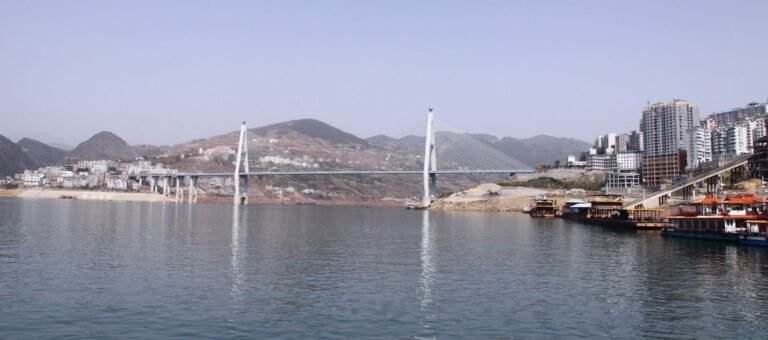
Ask a Wenzhou local what their city is made of and you may get an answer that sounds like a riddle: seven parts mountain, one part water, two parts fields. I first heard it on the ferry rail crossing the Ou River, with the twin pagodas of Jiangxin Island dead ahead, and it took a day of walking to understand. This is a place of roughly nine million people built against the hills, facing the sea, with very little flat ground to spare. That shortage explains almost everything about visiting it — the dense old streets, the cliff-side temples, and the fact that the best days begin with a bus or a boat rather than a stroll.
As Wikipedia’s Wenzhou entry notes, the city sits on the southeast coast of Zhejiang and has long been a port and a centre of private commerce. That commercial streak shows up in the energy of the place. It is not a city of grand imperial set pieces; it is a working city that happens to have extraordinary scenery an hour away. Plan it as a base, not a single sight, and it makes far more sense.
I have been twice and made most of the classic first-timer errors: arriving at the wrong station, underestimating the distance to the mountains, and assuming the coastal weather would behave. Below I have organised things the way I now wish someone had organised them for me — by what you are willing to spend.
First, work out where you actually are
Wenzhou South is the high-speed station, and it is not in the centre. Budget thirty to forty minutes and RMB 60–90 by ride-hailing to reach the old city, or use the S1 line if your hotel is near it. Longwan airport is closer to the coast than to the downtown core, about 25 km southeast. The metro is usable, signposted in English, and cheap; a phone payment pass saves you the ticket queue.
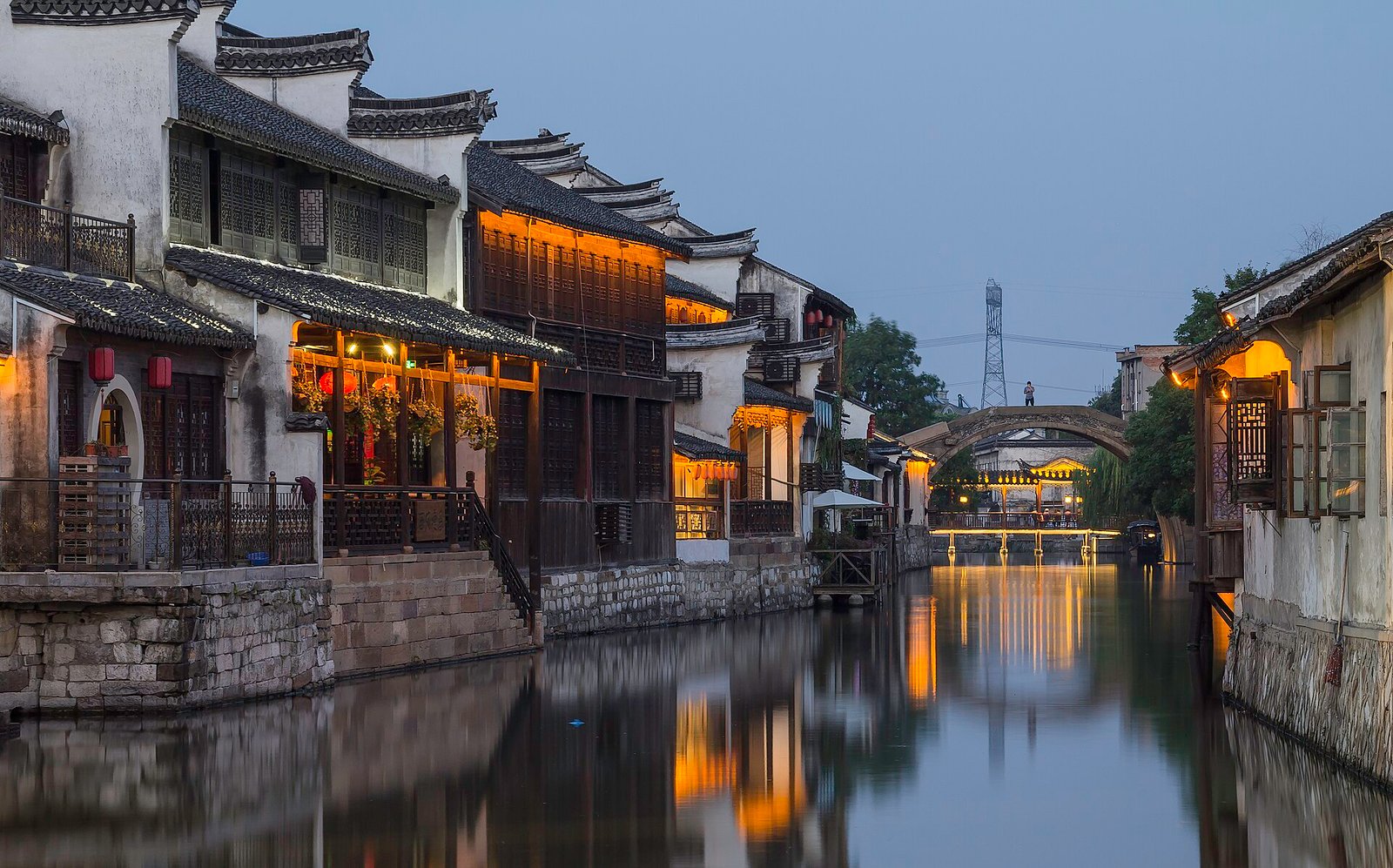
The centre is compact once you arrive. Wuma Street is the old shopping spine, now pedestrian, and the river is a fifteen-minute walk east. Jiangxin Island sits in the middle of the Ou and is reached by a short public ferry — a few yuan, though check the official site before you go for current fares and hours. Wenzhou Museum, near the river, is free with your passport and a good hour in the rain.
My own arrival mistake is worth repeating so you avoid it: I booked a hotel near Wenzhou South to save money, then spent two hours a day commuting in. Stay central, even if the room is smaller. If you are used to northern cities, recalibrate your sense of distance too — Wenzhou’s hills make straight-line kilometres misleading. Beijing is flat and predictable by comparison; here you gain a floor and lose a view with every turn.
The budget breakdown at a glance
This is the table I would have wanted before my first morning. Prices are what I actually paid or was quoted; they move, so treat them as a shape rather than a promise, and check the official site before you go.
| Style | A day costs roughly | Where you sleep | What you get |
|---|---|---|---|
| Shoestring | RMB 120–180 | Hostel or simple guesthouse, RMB 80–150 | Ferry, free museum, street food, buses |
| Comfortable | RMB 350–600 | Mid-range hotel, RMB 250–400 | Better room, one taxi ride, a proper sit-down dinner |
| Treat yourself | RMB 800+ | Riverside or coastal hotel, RMB 600+ | Island boat trips, guided mountain day, seafood feast |
Most visitors should aim at the middle column. The shoestring version is perfectly possible but the transport eats your time, and the top column only makes sense if the islands are the whole point of the trip.
On a shoestring: the free and nearly-free days
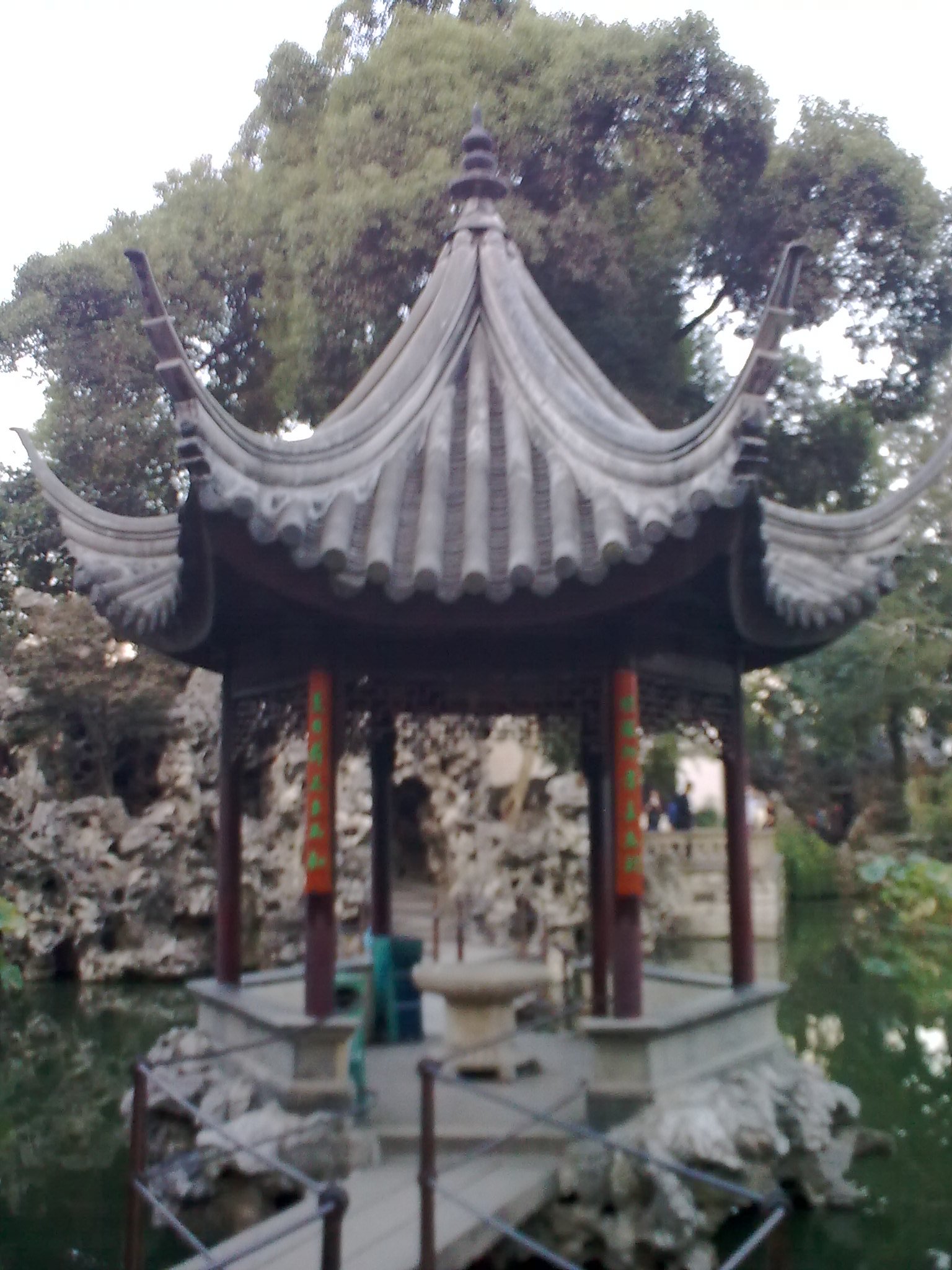
Start with Jiangxin Island. The ferry is cheap, the island is flat, and the two pagodas — one ninth-century, one from the Tang period — give you a surprisingly good morning for almost nothing. There are temples, a small lighthouse and shaded paths along the bank. I spent three hours and left for the price of a bun. It is the best value in the city.
Back on the mainland, walk Wuma Street end to end, then duck into the smaller lanes behind it. The restored shopfronts are free to admire, and the snack stalls are where a small budget eats well. Wenzhou Museum is your rainy-day answer, and the river promenade at dusk costs nothing at all. If you want a fuller picture of the street-food side of China, all about changsha describes a city that does this even louder, and with considerably more chilli.
Getting to the mountains cheaply
The one thing worth paying for on a tight budget is the trip to Yandang Mountain. A bus from the city takes around ninety minutes and costs well under RMB 50; the high-speed rail alternative to Yandangshan station is faster but needs careful timing. Entry to the main Lingfen area was roughly RMB 50–70 when I went. Go on a weekday, start at seven, and carry water — the paths are steep in places and there is no shame in taking the cable car.
The middle way: where I spent money and would again
This is the version I recommend. Keep the central hotel, take one taxi a day to save an hour, and choose a single “big” excursion rather than three mediocre ones. For me that excursion was Yandang Mountain, a UNESCO-listed landscape of limestone peaks, cliff temples and a reservoir that looked impossible from the path below. The cable car cost extra and was worth every yuan; I would not do the full climb in the heat again.
Nanxi River, the gentler alternative
If Yandang sounds too strenuous, the Nanxi River valley is the better middle-day. It is a broad, clear river with ancient villages, bamboo rafts and rock-climbing walls that draw people far more athletic than me. A guided day out runs a few hundred yuan; a public bus and a raft on the day costs far less. I chose the second option and lost half the morning working out the timetable — my one concrete piece of advice is to ask your hotel to write the bus stop name in Chinese.
For a mountain-and-resort comparison from the other end of the country, Chengde Travel Guide covers the Qing emperors’ answer to summer heat. It is a very different landscape, but the logic of escaping the city for cool air is exactly the same.
Spending properly: islands and open water
Wenzhou’s coast is scattered with islands, and this is where money genuinely improves the trip. The Nanji Islands, a marine reserve off the southern coast, have the clearest water I saw in Zhejiang, with good swimming in late summer. Getting there means a ferry from the mainland and, realistically, an overnight stay; boats are weather-dependent and cancelled in strong wind, so build in a spare day. Dongtou, closer to the city, is the easier option for a day of seafood and sea views.
A seafood feast here is a proper event. I paid around RMB 180 for two with fish, clams and a cold local beer, and it felt cheap for the quality. If you want the wilder, steeper version of southern China, everything you need to know about chongqing is the inland opposite — no sea at all, but far more dramatic verticality.
Eating like a local on a small budget
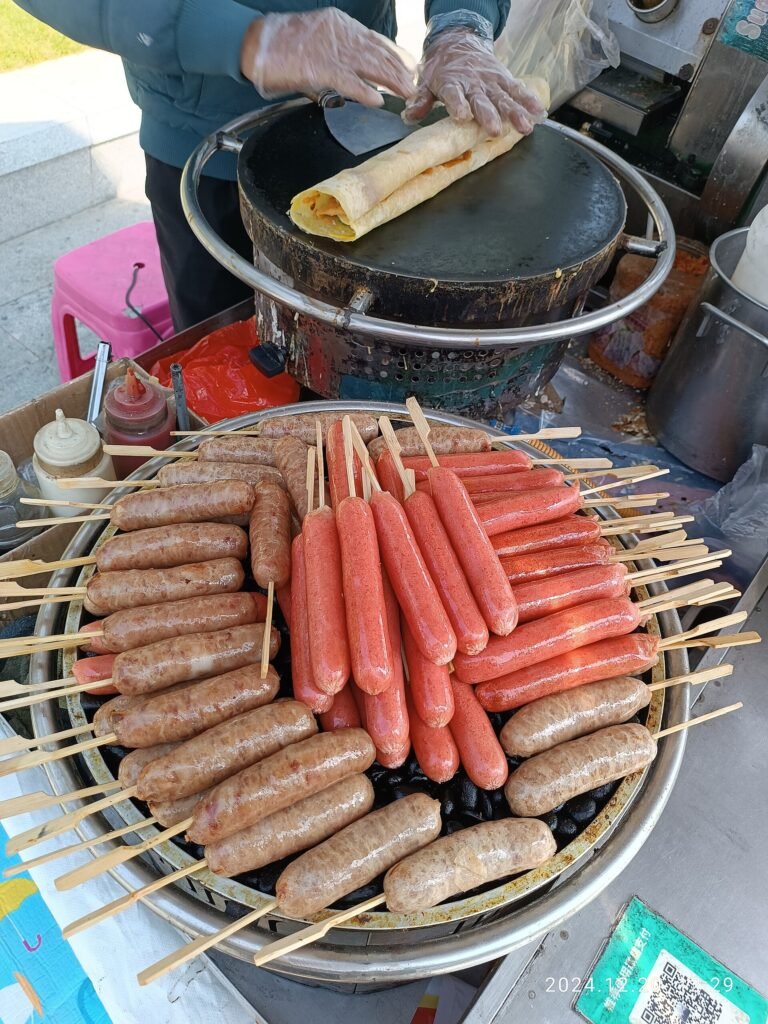
Wenzhou breakfast is the meal I would wake up early for. Nuomifan is steamed glutinous rice topped with crispy fried dough, pickled vegetables and a savoury sauce — about RMB 8–12 from a neighbourhood stall. Fish balls and fish cakes, yuwan and yubing, are the city’s signature snacks and appear in soups or on skewers. I also developed a habit of buying yashé, duck tongues, as a walking snack; they cost RMB 20–30 a packet and are far better than they sound.
The local tea, wuniuzao, is a good, inexpensive souvenir, and maibing wheat cakes from the older bakeries make a reliable lunch on a bus day. For the Sichuan take on a similar “snack all day” culture, a proper take on chengdu makes excellent reading on the train.
The months that work, and the one that does not
April and May are the safest bets: mild, green, and before the coastal storms. Late September through November is my favourite, with calmer seas and the best light on the mountains. July and August are hot and humid, and the typhoon season can close ferries and ruin a carefully planned island trip at short notice. I learned this the hard way with a cancelled boat and two unplanned nights in the city.
Winter is mild by northern standards but damp, and the mountains can be raw. If you want a genuine cold-weather contrast, Changchun is about as far from a Wenzhou January as you can travel in one country. Whatever the season, check the official site before you go for ferry schedules, park hours and entry prices — all three change more often than guidebooks admit.
Frequently Asked Questions
How many days do I need? Three is the sweet spot: one for the island and old streets, one for Yandang or Nanxi, one spare for weather. Two is workable if you skip the islands.
Is Wenzhou easy for a first-time China visitor? Central Wenzhou is manageable, but English signage is thinner than in Beijing or Shanghai. Set up a translation app and a payment app before you arrive.
Can I swim off the islands? In late summer and in the right weather, yes, at the designated beaches. The sea is not tropical and conditions change quickly, so check locally on the day.
Do I need a car? No. The metro, buses and ride-hailing cover the city, and the mountains are better reached by bus or rail. A car adds parking stress without saving much.
Is the food very spicy? Less so than neighbouring provinces. Wenzhou cooking leans towards seafood, soy and savoury snacks rather than chilli, which makes it an easy introduction.
What is the single biggest mistake to avoid? Booking a hotel near Wenzhou South station to save a few yuan. Stay in the old centre and you win back an hour every single day.