Yellow Crane Tower Guide: Tickets, Routes and What to Expect
Here are three numbers I didn’t expect when I first climbed the Yellow Crane Tower. It stands 51.4 metres tall, which is hardly startling by modern standards. The building I walked into was finished in 1985, not in the third century when the site first held a tower. And the structure has been destroyed and rebuilt more than a dozen times over its long life. I had arrived assuming that a landmark this famous would be ancient, huge and original. It is none of those things, and that mismatch is precisely why I ended up spending two hours there instead of the thirty minutes I’d budgeted.
The tower overlooks the Yangtze from Snake Hill in Wuhan, and it draws a peculiar mix of coach groups, poetry enthusiasts and families with time to kill. Some visitors come away moved. Others think they’ve queued for a concrete staircase with a gift shop at the bottom. I’ve done both visits — one in a downpour, one on a clear October morning — and the difference was almost entirely down to expectations and timing.
Three numbers that reframe the tower
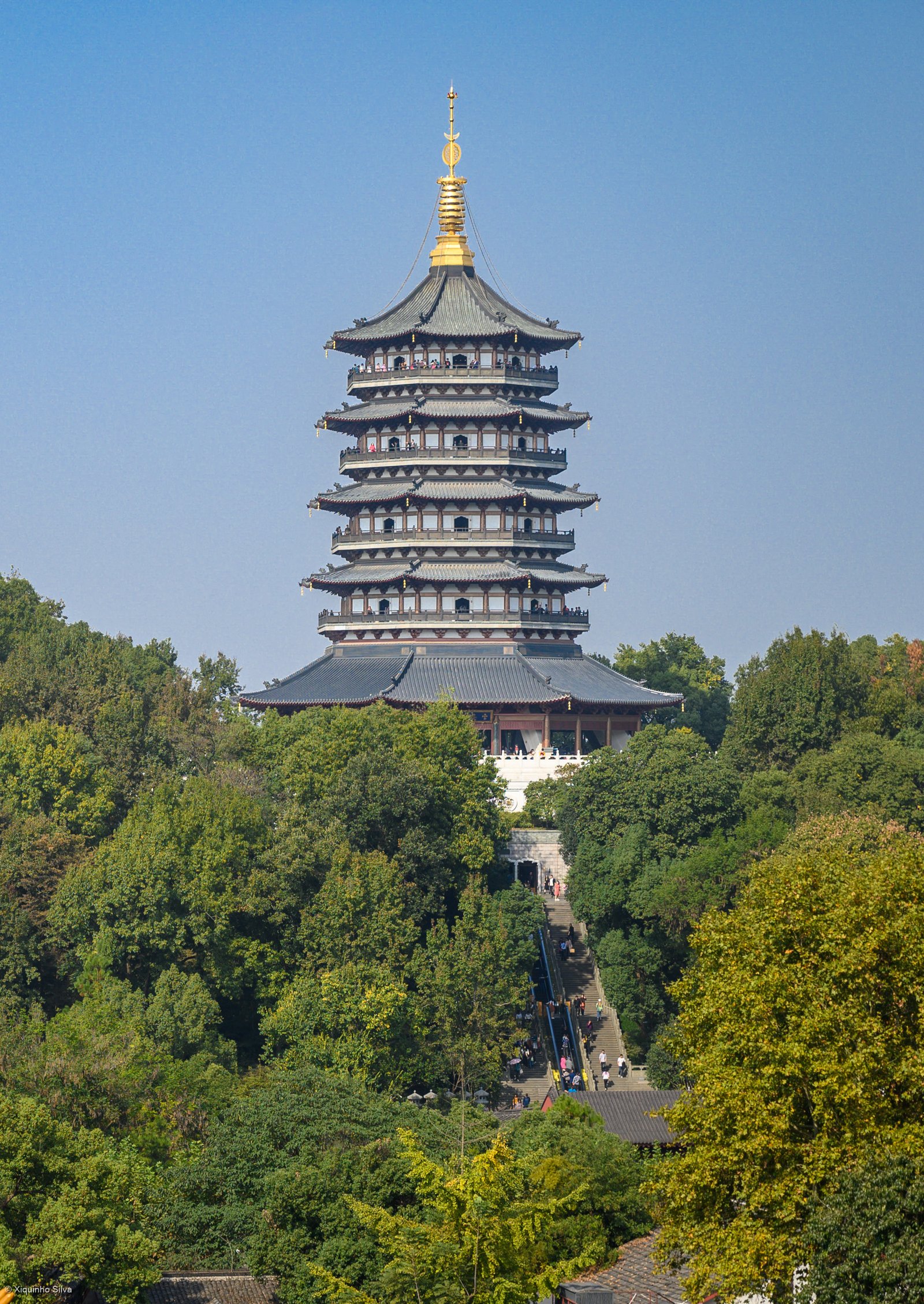
As Wikipedia notes, the first tower on this spot was built in the third century, and the site has been lost and rebuilt repeatedly through war and fire. The version standing now is a five-storey structure completed in 1985. It uses reinforced concrete where earlier versions used timber, so if you’re after genuine Song-dynasty joinery you will be disappointed. I wasn’t, because the rebuilding is the point: this is a monument to a poem as much as to architecture.
The poem in question is by Cui Hao, and it’s the reason most Chinese visitors arrive with a smile on their face. Schoolchildren recite it, couples pose beneath the eaves, and I overheard a father explaining the lines to his daughter on the steps. Knowing even two lines changed the way I looked at the place. Without them you’re climbing a tall building with decent views; with them you’re standing inside a story people have told for well over a thousand years.
The layout rewards a slow approach. You pass through a gate, cross a courtyard, then work upward through five floors, each with a different exhibition. The top floor gives the Yangtze view. The crowds thin as you climb, which surprised me — a lot of people stop at the second or third floor and never reach the rooftop at all. If you push on, the last stretch is usually quiet.
Is it worth the entrance fee?
This is the question I get asked most, and my answer depends entirely on what you want from an hour. Here is how I’d split it.
| What you want | Verdict |
|---|---|
| A classic Yangtze photograph | Worth it — the top floor delivers |
| Tang and Song poetry | Worth it — the exhibitions carry real weight |
| Genuine ancient architecture | Skip it — the current building dates from 1985 |
| A quiet, uncrowded hour | Only early morning on a weekday |
| Value on a tight budget | Skip the climb; walk the hill and riverside free |
Tickets have generally sat somewhere around RMB 70 for adults, with concessions for students and seniors, though I’ve seen the figure move about. Check the official site before you go, because prices and the booking system change far more often than the building does. Booking online is worth it in peak season — the queue at the gate on my first visit ran to maybe forty people, and the ticket desk was the slowest part of the morning.
If you’re on the fence, consider the free alternative. The park around the tower and the path down toward the river are open to everyone, and the silhouette looks better from a distance anyway. I’ve watched the sun drop behind it from the riverside promenade with a bag of oranges and spent nothing at all.
The view, measured against the hype
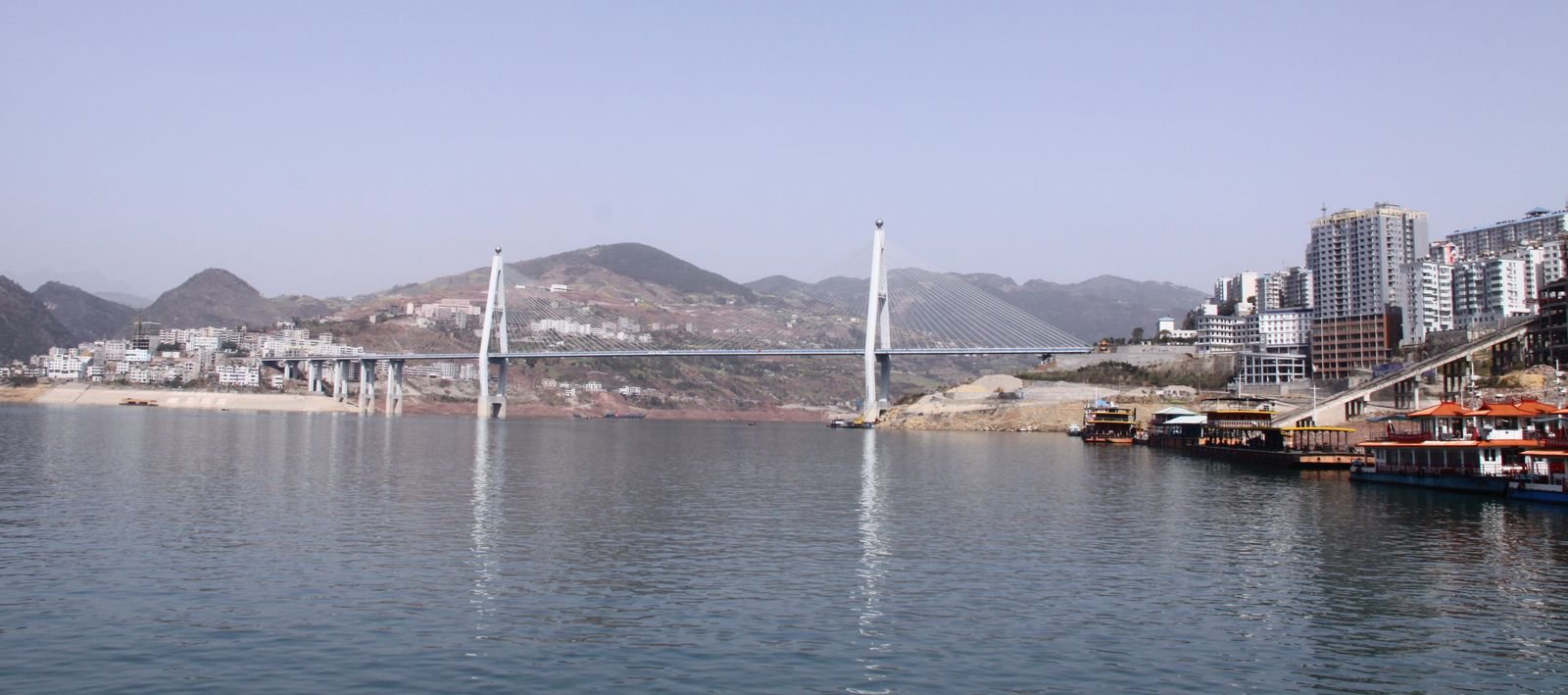
Let me be honest about the view, because guidebooks tend to oversell it. From the top floor you get a wide sweep of the Yangtze, the long deck of the Wuhan Yangtze River Bridge and a flat cityscape that stretches flat to the horizon. On a hazy day it is grey and a little featureless. On a clear one, with the light low, it’s genuinely lovely. My second visit fell after heavy rain had washed the air clean, and the river had a steel sheen I still remember.
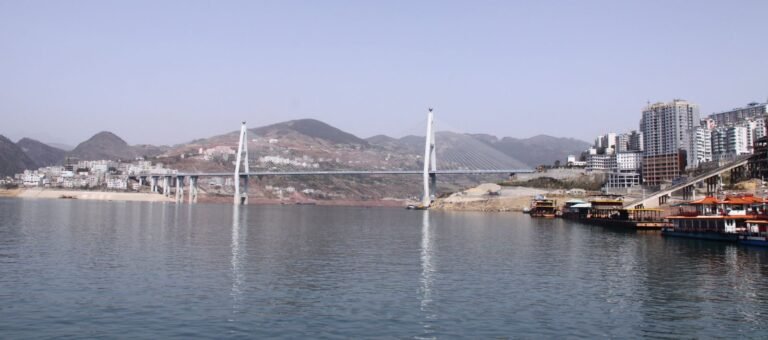
The bridge is the unexpected highlight. It was the first road-and-rail bridge across the Yangtze, opened in 1957, and from the tower you can see how it stitches the two halves of the city together. Trains rumble across it below you while you’re looking at a poem about a crane that flew away. That layering — a Tang legend above a 1950s engineering feat above a working river — is what I found worth the ticket.
What you won’t get is mountains. Wuhan sits on flat ground, so don’t come expecting the dramatic height of a hillside temple. Bring a zoom lens if you like photographing bridges and boats; a wide-angle alone will leave you with a lot of empty sky.
The hill, the gates and the queues
The climb starts at the foot of Snake Hill and there’s a lift partway up, which I used happily in July. If you walk, allow fifteen to twenty minutes from the gate to the tower entrance at a steady pace, more in summer heat. The steps are broad and well kept, but the humidity in Wuhan can be bruising, and there is little shade on the upper approach.
Getting there is straightforward. Take the metro to Hubei University of Chinese Medicine station on Line 4 and walk ten minutes, or use a ride-hailing car, which will drop you close to the east gate. I’ve done both; the metro is cheaper and avoids the traffic at the bridge approach. If you’re arriving from Wuhan station, the taxi ride is short, though the driver may want to take you via the bridge for a longer fare — politely insist on the direct route.
The queue pattern is predictable. Coach parties arrive in waves from about 10:00, and again in the late afternoon. Between those waves, say 08:30 to 09:30 when the grounds open, you can walk almost straight through. Security is quick but you’ll need your passport or ID for entry, so keep it in a pocket rather than the bottom of a bag.
Timing, weather and how long to stay
My preference is an early start. The gates generally open around 08:30 and closing time drifts with the season, so check the official site before you go rather than trusting an old blog post — including this one. Give yourself ninety minutes to two hours: twenty minutes for the walk up, an hour inside and across the floors, then a slow descent with a stop in the courtyard.
Wuhan is famous for oppressive summer heat, and July and August are the months I’d avoid. Rain is frequent in early summer, too, and the upper floors close in bad weather. October and November are the months I’d choose: clearer air, lower humidity and lighter crowds. Spring is pleasant but wetter. Whatever the season, carry water — there are stalls at the base, but prices rise once you’re inside.
If you can only manage one visit, make it a weekday. Weekends bring local families in numbers, and the courtyard fills with people taking the same photograph. I’ve never regretted an early weekday start, and I’ve always regretted a weekend afternoon.
Where the tower fits in a wider trip
The tower works best as part of a day rather than as a standalone pilgrimage. Pair it with a walk along the river and a meal in the old streets near the base, and the half-day feels complete. Wuhan itself rewards two nights: the Hubei Provincial Museum, the lakeside paths and the night markets around Jiefang Road all fit comfortably around a morning at the tower.
Travellers continuing north will find a very different sort of landmark in Beijing. all about badaling great wall covers the transport and timing for a restored fortification that, like this tower, is more rebuilt symbol than ancient original.
In the same city, the Beihai Park Guide lays out a calmer morning among imperial gardens — a useful contrast if you’ve had enough of queues and staircases. It’s the sort of place where you sit down rather than climb.
For a Buddhist counterpoint in Xi’an, a proper take on big wild goose pagoda explains a tower built for scripture rather than poetry. I found the comparison sharpened both visits: one building points at a poem, the other at a translation.
Further southwest, everything you need to know about chengdu panda base helps if you’re weighing up a family stop, and it’s an easy add-on from Wuhan by high-speed rail.
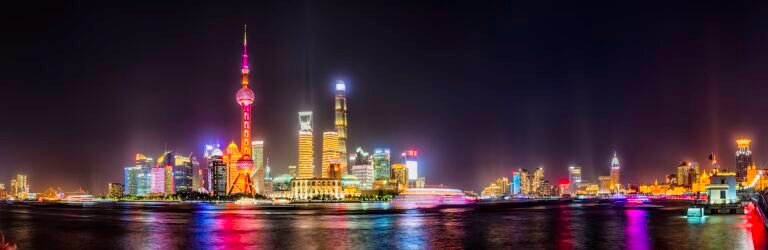
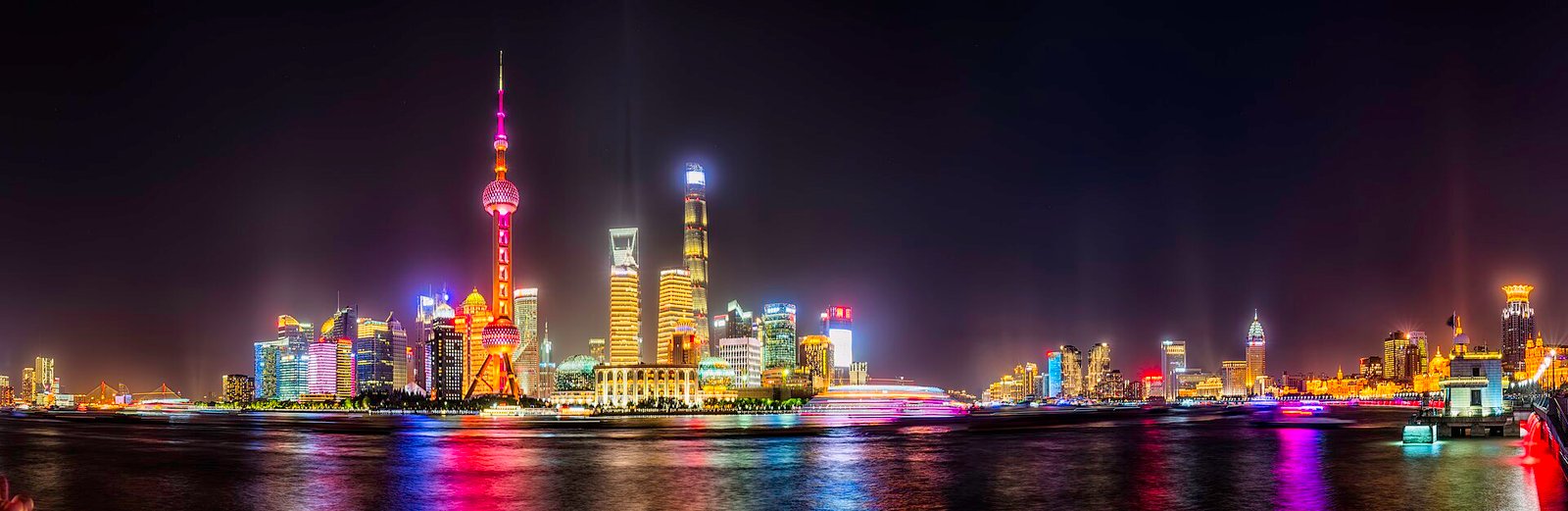
If modern towers are more your thing, the Oriental Pearl Tower in Shanghai is the obvious comparison: a mid-century skyline landmark that, like the Yellow Crane Tower, matters more as a symbol than as a structure. It’s taller, busier and far more commercial.
The Canton Tower in Guangzhou is the other natural comparison, a 600-metre spike built for a different century’s idea of spectacle. Seeing both yellow crane and canton in one trip is a peculiar pleasure: one tower made of memory, one made of steel and lift shafts.
Frequently Asked Questions
How tall is the Yellow Crane Tower, and how old is it? The current tower is 51.4 metres tall with five storeys, completed in 1985. The site has held a tower since the third century, but the present building is a modern reconstruction.
How much does entry cost? Around RMB 70 for adults has been typical, with concessions available. Prices shift, so check the official site before you go.
What’s the best time to visit? Early morning on a weekday, shortly after the grounds open, is quietest. October and November offer the clearest air; avoid the intense heat of July and August.
Can I see it without buying a ticket? Yes. The surrounding park and the riverside promenade give good views of the tower and the Yangtze Bridge for free.
How long should I allow? Ninety minutes to two hours, including the walk up, the exhibitions and the top floor. Add time if you want photographs in the courtyard.
Is it suitable for children? Yes. The climb is manageable and the exhibitions are short, though the upper floors can close in poor weather, so have a riverside backup plan.