
Chengde in Three Days: Where to Stay and Wander
The old man selling roasted chestnuts outside the Mountain Resort gate looked at my map, looked at me, and said in slow Mandarin: “You have three days? Good. Most people have one, and they see nothing.” He was right. Chengde is the sort of place that punishes a whistle-stop visit, because its whole point — built by the Qing emperors as a summer escape from the heat of Beijing — is that it unfolds slowly. I took his advice, stayed three nights, and came home convinced this is the most under-rated stop in northern China.
Why Chengde, and why three days
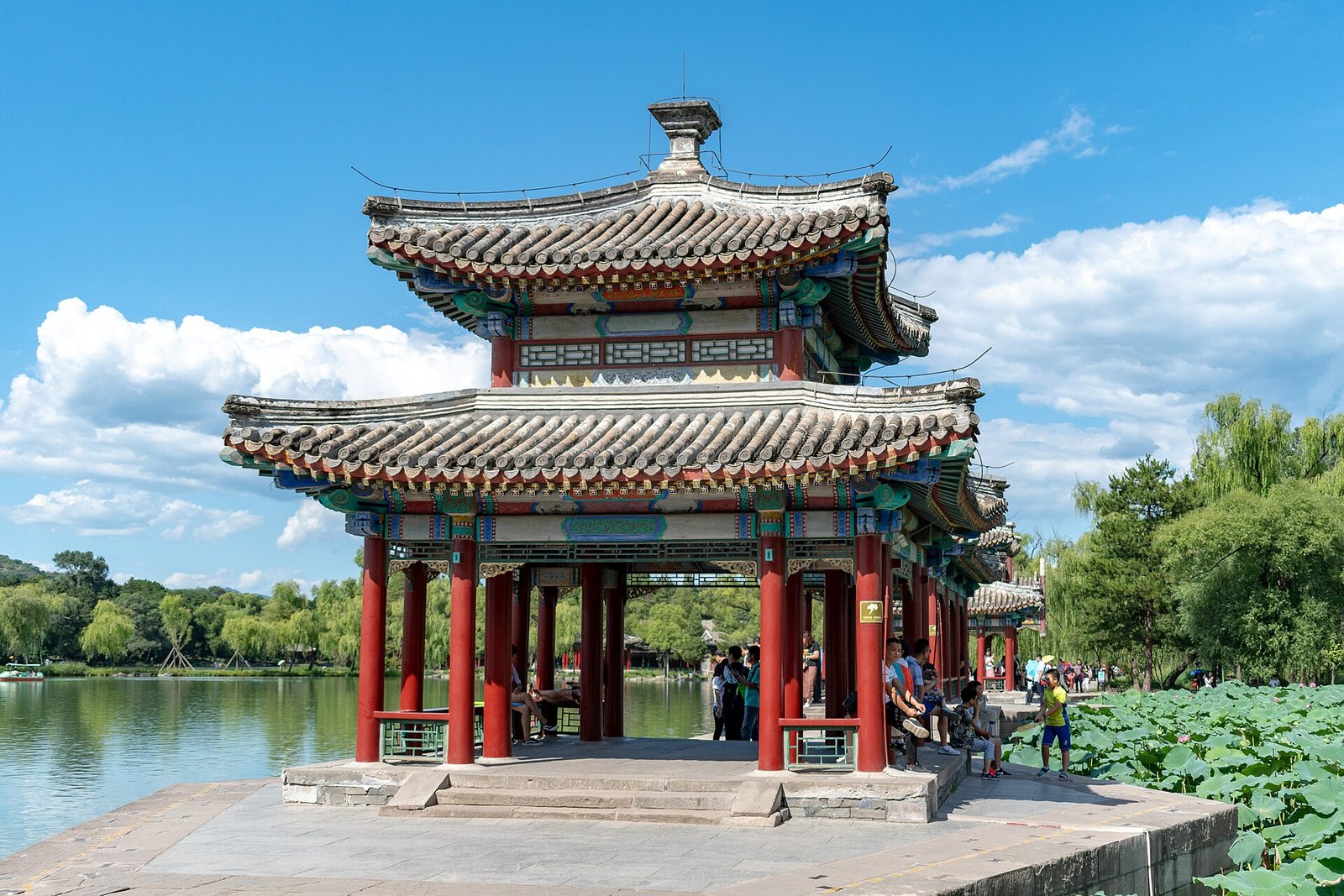
Chengde exists for one reason: the Mountain Resort (Bishu Shanzhuang), the largest royal garden in China, covering around 560 hectares of lakes, hills and pavilions. The emperors Qianlong and Kangxi spent months here each summer, holding court in a setting cooler than the capital. Around it sit the Outer Temples (Waibamiao), a ring of grand lamaseries built to impress visiting Mongol and Tibetan princes. The resort alone deserves a full day; the temples deserve another; and the third day lets you breathe.
If your mental map of China is built on megacities, Chengde is a useful correction. The Changchun comparison is fair in one respect — both carry a layered, slightly faded imperial-and-modern history — but Chengde’s draw is purely the Qing legacy, not industry.
My first arrival was on a grey morning, and the low hills around the resort gave the place an unhurried feel I wasn’t expecting so close to Beijing. The taxi from the station passed new residential blocks before dropping me at the old town’s edge, where the scale suddenly shrank to human size. That contrast — modern sprawl yielding to a Qing-era core — is the first thing worth understanding about Chengde before you plan a single sight.
Where to stay
Stay inside or just outside the resort’s southern gate. The strip along Nanyingzi Street has mid-range hotels within a ten-minute walk of the entrance, and that proximity matters: the resort opens early, and being first through the gate beats the bus tours by an hour. I paid roughly ¥250 a night for a clean, quiet double in shoulder season; peak summer costs more, so book ahead.
Avoid basing yourself at the high-speed station, which is several kilometres out. Chengde is small enough that a short Didi ride covers most gaps, but you’ll want to wake up near the old town, not near the rails.
One thing I didn’t expect: the old town south of the resort wakes up late and goes quiet early. By 9pm the lanes are dark, which is lovely if you want rest but worth knowing if you’re after nightlife — there isn’t any to speak of. I’d eat dinner before 8pm or rely on the hotel restaurant. The upside is the morning: step out at 6am and the whole resort approach is yours, with mist on the lake if you’re lucky.
Day one: inside the Mountain Resort
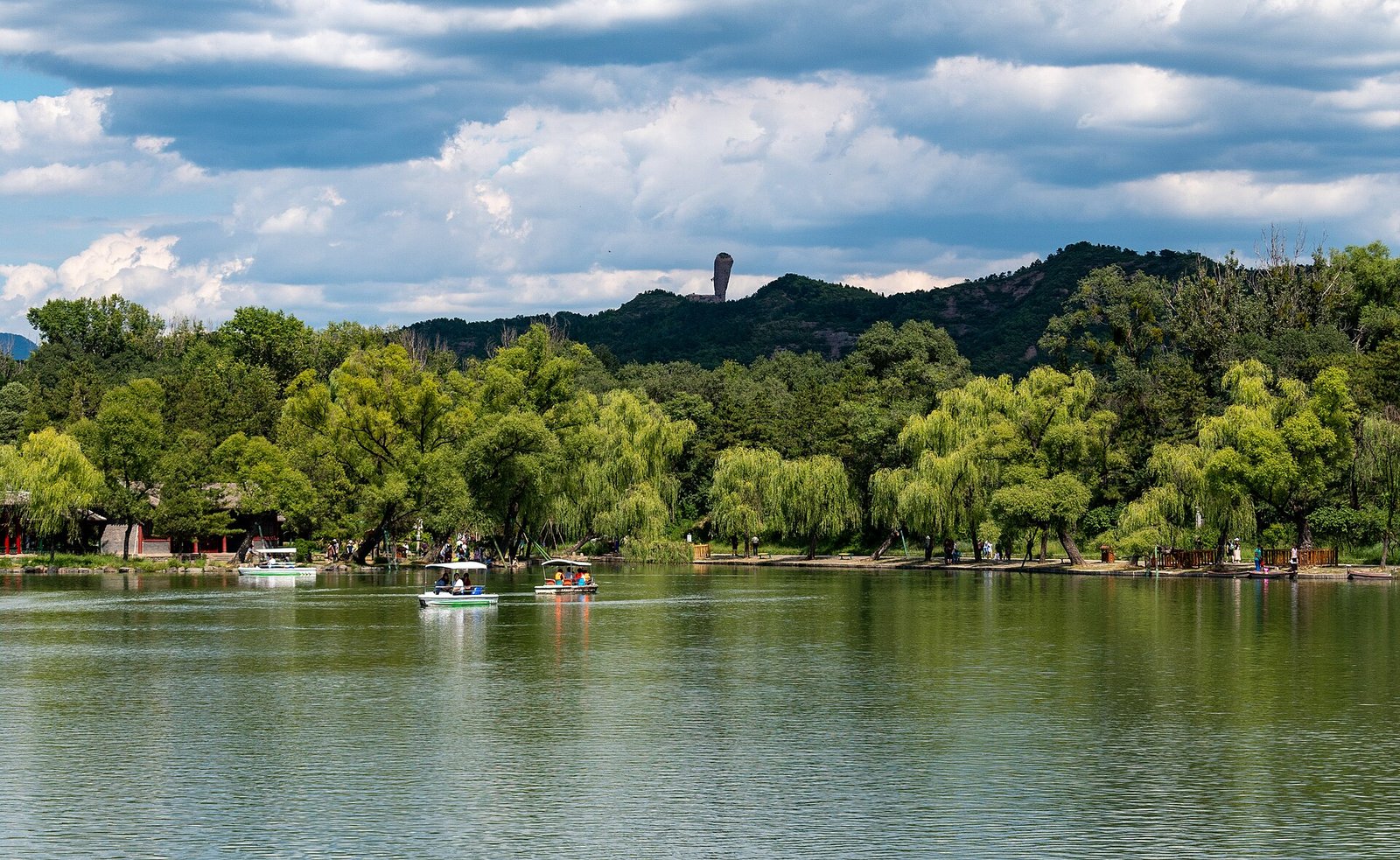
Give the resort a full day and enter at opening. The ticket has been around ¥90 in peak season, with a lower off-season price, but confirm before you go because combined passes change. Inside, the layout splits into a palace area (formal halls where the emperors worked) and a landscape area of lakes and wooded hills. The lake circuit is flat and gentle — hire the small boat if the weather’s calm, and walk the causeways between the islands.
The mistake most day-trippers make is rushing the hills. The northern section is a planted wilderness with winding paths and few signs in English, which is exactly why I liked it. Pack water; the resort is huge, and the only food inside is overpriced and limited. For the longer route and temple-by-temple detail, the Chengde Travel Guide expands on what I can fit here.
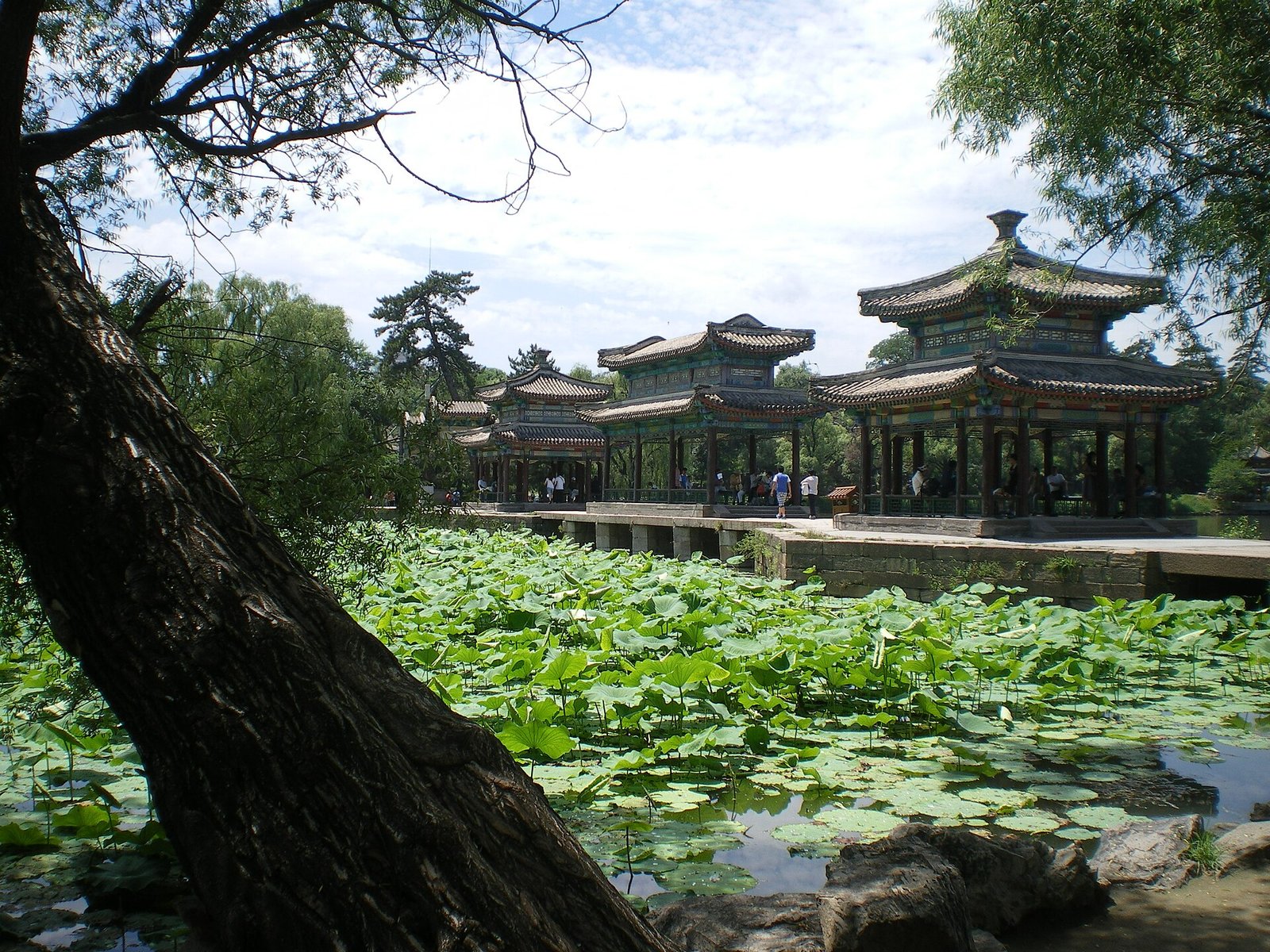
Don’t skip the boat on the main lake. For a small fee you’re rowed past the islands where the emperors actually summered, and from the water the layout makes sense in a way it doesn’t on foot. The Misty Rain Pavilion, a deliberate copy of a southern Chinese original, is the prettiest stop, and the boatman will let you linger while the larger groups march the causeways overhead.
Day two: the outer temples
Eight temples were originally built in a ring north of the resort; several survive and each is distinct. Putuo Zongcheng (the “Little Potala”) is the showstopper — a red-and-white hilltop complex modelled on the Potala Palace in Lhasa, with a central hall you can climb for views back over the city. Puning Temple holds a 22-metre wooden Guanyin, the tallest of its kind, and the smell of juniper incense there is something I still remember.
A combined ticket covers several temples and is better value than paying singly, but check which are open — restoration closes some seasonally. The Chengdu Travel Guide crowd chasing Sichuan’s temples will find Chengde’s cleaner and far less crowded, though the setting is more austere.
Two smaller temples are easy to overlook and worth your time. Pule Temple has an unusual round pavilion with a Tibetan-wheel feel, and Anyuan Temple was rebuilt in a style meant to echo the far west of the empire — a reminder that Chengde’s architecture was always about showing the breadth of Qing rule. I spent forty minutes at each, far from the coach crowds at the headline sites, and preferred them to the bigger names.
Day three: the quieter corners
Use the third day for what the brochures skip. The Chengde Museum, near the resort’s east gate, has a small but well-presented collection of Qing objects and is free. The local breakfast culture is worth a slow morning: oat noodles (youmian) in broth, sesame biscuits, and a bowl of mutton soup will set you up for less than ¥20. In the afternoon, walk the streets south of the resort where ordinary city life carries on underneath the tourist frame.
If you want coastal energy rather than mountain calm afterwards, how dalian is really done is the opposite kind of northern China trip. And if your route is heading west, my notes on datong pick up the trail of cave art and cliff temples.
The chestnut seller outside the gate became my routine. ¥10 bought a paper cone of hot chestnuts and a five-minute chat, neither of which appears in any guidebook. On my last morning I walked west from the resort toward the ordinary city — wet markets, a school yard, a park where retired men played cards — and that, more than any hall, told me how Chengde actually lives once the tour buses leave.
Getting there from Beijing
The simplest route is the high-speed train from Beijing to Chengde South, which runs in around an hour to ninety minutes depending on the service — a dramatic improvement on the old four-hour bus. Fares vary, so check the official site before you go. From Chengde South station, a Didi to the resort gate takes twenty to thirty minutes and costs a modest sum. Some visitors also combine Chengde with a loop through Hebei, but as a standalone trip it pairs best with a Beijing stay.
Buy your ticket to Chengde South (承德南), not the older Chengde station that some older guides still mention; the high-speed station is the one served by the Beijing trains. From there, ignore the touts offering “guided tours” at the exit — a plain Didi to your hotel is cheaper and you lose nothing by skipping the hard sell.
Chengde or the bigger names?
| Factor | Chengde | Beijing |
|---|---|---|
| Main draw | Qing summer resort and temples | Forbidden City, Great Wall |
| Crowds | Light, except peak July–August | Heavy at headline sites |
| Pace | Slow, walkable | Fast, spread out |
| Best season | June to September (cool) | Spring and autumn |
| Typical stay | 2–3 nights | 4–5 nights |
| Food character | Northern, oat-based, mild | Diverse, regional |
As Wikipedia notes, Chengde was developed in the 18th century specifically as a political and ceremonial alternative to the capital, and that original purpose explains why the temples face inward, toward the resort, rather than out to the city. The all about changsha visitor chasing Hunan’s heat and noise will find Chengde almost monastic by comparison — which, for me, was the point.
Frequently Asked Questions
How many days do I really need in Chengde? Two nights minimum, three if you want the temples and the resort without rushing. A single day catches the resort’s highlights but misses the outer temples entirely.
Is the Mountain Resort worth the entry price? Yes, if you enjoy gardens, water and quiet walking. It is not a palace stuffed with treasure; it is a landscape, and its value is in the stroll, not the exhibits.
When is the best time to visit? June to September, when the city is genuinely cooler than Beijing and the gardens are green. Autumn brings good light and fewer people; winter is cold and some temples limit access.
Can I visit Chengde as a day trip from Beijing? You can, but it is a long day and you’ll only see the resort. I’d treat it as an overnight at least. The Chongqing explained style of packed itinerary does not suit Chengde — slow is the right speed here.
Do the temples require separate tickets? Some are included in a combined pass, others are standalone. Check the current combined-ticket coverage at the booth, because it shifts with restoration work.
Is English signage available? At the resort and main temples, yes, in rough form. Off the main route, expect Chinese only, and bring a translation app for menus and directions.


