

Things to Do in Shenzhen, and the Ones Locals Actually Recommend
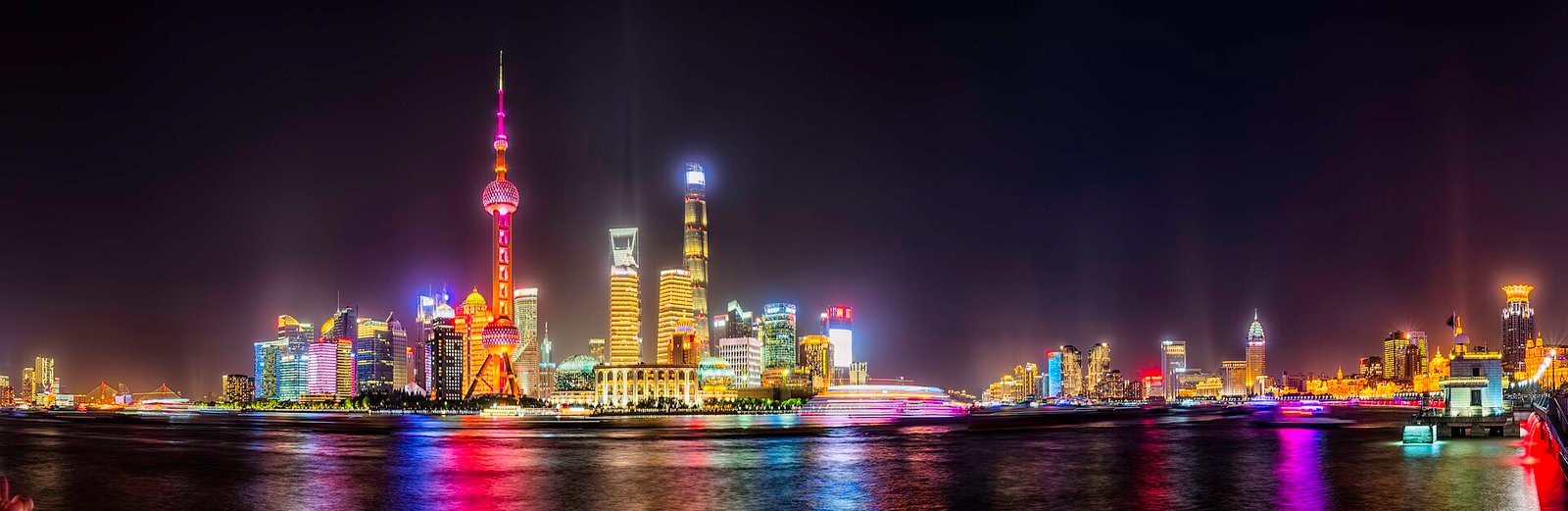
Here is a number that confuses first-timers: Shenzhen is younger than the smartphone in your pocket, yet it is already home to more than seventeen million people and a GDP larger than most countries. I arrived expecting a soulless factory town and left having walked a coastal cliff path, eaten at a seafood market chosen by a taxi driver, and watched a retiree practise calligraphy with a bucket of water on the pavement. The city is only forty-odd years old, but it has matured faster than anywhere I have visited. As Wikipedia notes, Shenzhen was designated China’s first special economic zone in 1980, and that single decision explains every glass tower you will see.
The mistake most visitors make is treating Shenzhen as a day trip from Guangzhou or a stop on the way to somewhere older. It deserves two or three nights on its own terms. The trick is to listen to locals, because the official “top ten attractions” list is mostly malls, and the malls are the same ones you have at home.

What locals told me versus what the brochures say
A clerk at my hotel in Futian laughed when I showed her the tourist map. “Those are for conferences,” she said, and drew her own list on a receipt: the Dameisha beach early, the OCT coastal walk, the Seafood Street in Yantian, and the hardware markets of Huaqiangbei if I liked gadgets. She was right. The brochure picks were crowded and forgettable; her picks were the best part of the trip.
The honest version is that Shenzhen’s appeal is not monuments — it barely has any — but the texture of a city inventing itself weekly. Walk the lapse of the old village of Nantou, now ringed by towers, and you get the collision in one block. Talk to people, and you get the rest.
A budget breakdown that matches reality
Shenzhen is not cheap, but it is predictable. Here is what I actually spent across three days, and how it compares with the obvious alternatives.
| Item | Budget version | Mid-range | What I paid |
|---|---|---|---|
| Hotel (per night) | 220 RMB hostel | 450 RMB 3-star | 400 RMB |
| Meal (local) | 25 RMB stall | 90 RMB restaurant | 40 RMB |
| Metro day pass | 15 RMB | 15 RMB | 15 RMB |
| Attraction entry | Free coastal walk | 200 RMB theme park | 60 RMB total |
| Evening out | 30 RMB market | 150 RMB bar | 50 RMB |
Against a trip to Chengdu explained, Shenzhen costs a bit more for beds but far less for sightseeing, because so much of it is free if you walk. The theme parks are the expensive trap; I skipped them and did not miss a thing.
The coastal walk nobody puts on the poster
The section of path between Yantian and Dameisha is the single best thing I did, and it is free. I started at 8 a.m. to beat both the heat and the weekend crowds, and the first hour along the cliffs with the South China Sea on one side and construction cranes on the other was quietly brilliant. Bring water; the stalls are sparse until you reach the beach town.
Dameisha itself is a paid beach on weekends (around 30 RMB) and free on weekdays, but I found the walk more rewarding than the sand. If you want a swim, go on a weekday morning. The water is cleaner than its reputation and the lifeguards are serious about the flags.
Huaqiangbei and the gadget hunt
Huaqiangbei is the reason Shenzhen shows up on maker forums worldwide. Five floors of a single building sold me a replacement phone cable for 3 RMB and a drone part I did not know existed for 40 RMB. Haggling is expected but gentle; quote half and meet in the middle, and don’t be shy about walking away. The nearest metro stop is Huaqiang North on Line 2, and the warren is a ten-minute walk from there.
I spent a happy afternoon just watching what people bought. A student from Changsha was building a robot dog; a couple from the northeast were bulk-buying LED strips. The district is loud, warm, and weirdly friendly, and it is the most “Shenzhen” experience in the city.
Crossing the border and the food scene
Shenzhen sits against the Hong Kong boundary, and the Luohu and Futian crossings are straightforward if you carry your documents and avoid rush hour. I crossed at Futian at 10 a.m. and waited maybe fifteen minutes; a friend who tried at 8:30 stood in line for an hour. Check the current entry rules before you go, because they shift, and build in buffer time.
The food is the other surprise. Beyond the Cantonese base, Shenzhen pulls in cooks from everywhere, so you can eat everything you need to know about chongqing hotpot one night and northeast dumplings the next. A hotpot dinner for two ran me 160 RMB with drinks, and the spice level was adjustable, which my weak tongue appreciated.
Nantou, the city’s memory, and practical notes
Nantou Ancient Town is the place to confront Shenzhen’s strange relationship with its own past. The walls and gates are reconstructions, but the lane life inside is genuine: tiny teahouses, a calligraphy society that meets on Sundays, and a small museum that lays out the area’s history before the special zone. Entry is free, and I spent a calm hour there on a Thursday when I had the lanes mostly to myself.
What struck me was how the residents treat the place as a park rather than a monument. Old men played Xiangqi on fold-up tables while children chased each other past the rebuilt gates, and a woman sold soy milk from a thermos for 5 RMB. If you have spent time in Changchun or other northeastern cities, the contrast in pace and age is stark — Shenzhen compresses a century into a single lunch break.
Get a local data SIM at the airport kiosk or use your roaming eSIM; maps and translation need a signal, and the metro app is only useful with one. I bought a tourist SIM for 80 RMB covering ten days and it never dropped, which mattered when I was navigating Huaqiangbei’s warren by GPS rather than by instinct. Carry some cash as backup even though the city is phone-first. A few market stalls and the older bus conductors still prefer notes, and an ATM inside a metro station saved me once when a vendor’s scanner failed mid-transaction. None of this is difficult, but the visitors who struggle are the ones who arrive assuming everything works exactly like home.
Where Shenzhen fits a China plan
If your trip starts in the capital, Beijing gives you the history Shenzhen lacks, and the flight south is under three hours. I treated Shenzhen as the modern counterweight to older stops, which made both cities clearer. A few days in Chengde Travel Guide beforehand would add imperial scale that Shenzhen deliberately rejects.
For travellers building a southern arc, pair Shenzhen with Guangzhou and perhaps a hop to Changchun only if you are chasing winter — Shenzhen’s own winter is mild enough that locals wear coats I would call a light jumper. The point is to let Shenzhen be what it is: a forward-looking city best enjoyed on foot and on a local’s advice.
Frequently Asked Questions
Is Shenzhen worth visiting, or just a business city? Worth it, but for the right reasons. If you want temples and old streets, go elsewhere; if you want coastal walks, markets, and a sense of contemporary China, give it two nights. I went sceptical and left glad I stayed.
How do I get from Hong Kong to Shenzhen? The MTR East Rail Line runs to Lo Wu or Lok Ma Chau, and the metro continues on the Shenzhen side. Alternatively, the high-speed link to Futian is quick but needs a separate ticket and border formality. Allow extra time at peak commuter hours.
What is the best month to visit? November to March is comfortable, with low humidity and temperatures in the teens to mid-twenties. I went in November and walked the coast in a t-shirt by midday. Summer is hot, sticky, and prone to the occasional typhoon warning.
Is Shenzhen safe for solo travellers? Yes. I walked Futian and the market districts alone at night without a worry, and the metro is well lit and policed. Standard city caution applies near the busiest crossings, where pickpockets work the crowds.
Do I need cash, or is everything on the phone? Everything is on the phone. Alipay and WeChat Pay cover stalls, metros, and taxis, and most merchants no longer keep much change. Set up the tourist versions of those apps before you arrive, because some international cards still hiccup at small vendors.
Are the theme parks worth the money? Only if you have children or a specific interest. Window of the World and Happy Valley charge 200 RMB-plus and feel dated next to the free coastline. I skipped both and spent the saving on seafood, which I recommend.


