China Public Holidays: Planning Around the Crowds
A friend who had never been to China asked me how many public holidays the country had, and I gave him a number that made him stare. It is not a large figure by European standards. And yet, twice a year, the transport network here handles a movement of people so vast that stations turn into slow-moving carparks of humanity. I have stood in one of those stations, shoulder to shoulder, watching a departure board flicker and wondering how I had failed to plan around it. The holidays themselves are ordinary, but the travel around them is anything but. Get the calendar right and a trip can be far calmer than you would expect.
Why the calendar matters more than the holiday
Chinese public holidays follow two calendars at once. The fixed ones, such as New Year’s Day on the first of January and National Day on the first of October, never move. The others follow the lunar calendar, so Spring Festival, Dragon Boat and Mid-Autumn shift their dates each year. On top of that, a single lunar festival can be turned into a multi-day break by rearranging neighbouring working days, a practice that creates what everyone here calls a golden week.
The Wikipedia overview of public holidays in China is a useful starting point, but treat it as background rather than gospel. The precise dates and the make-up working days are announced afresh each year. I have learned to check the official site before you go rather than trusting a friend’s memory, because I once built a whole route around a festival date that had moved by a fortnight.
What matters for a traveller is not the holiday itself but the three-day window on either side of it. Trains fill, hotel prices climb, and popular sites take on the atmosphere of a football final. If your dates land in one of those windows, you can still have a good trip, but you need to know what you are walking into.
Spring Festival: the big one, in late January or February
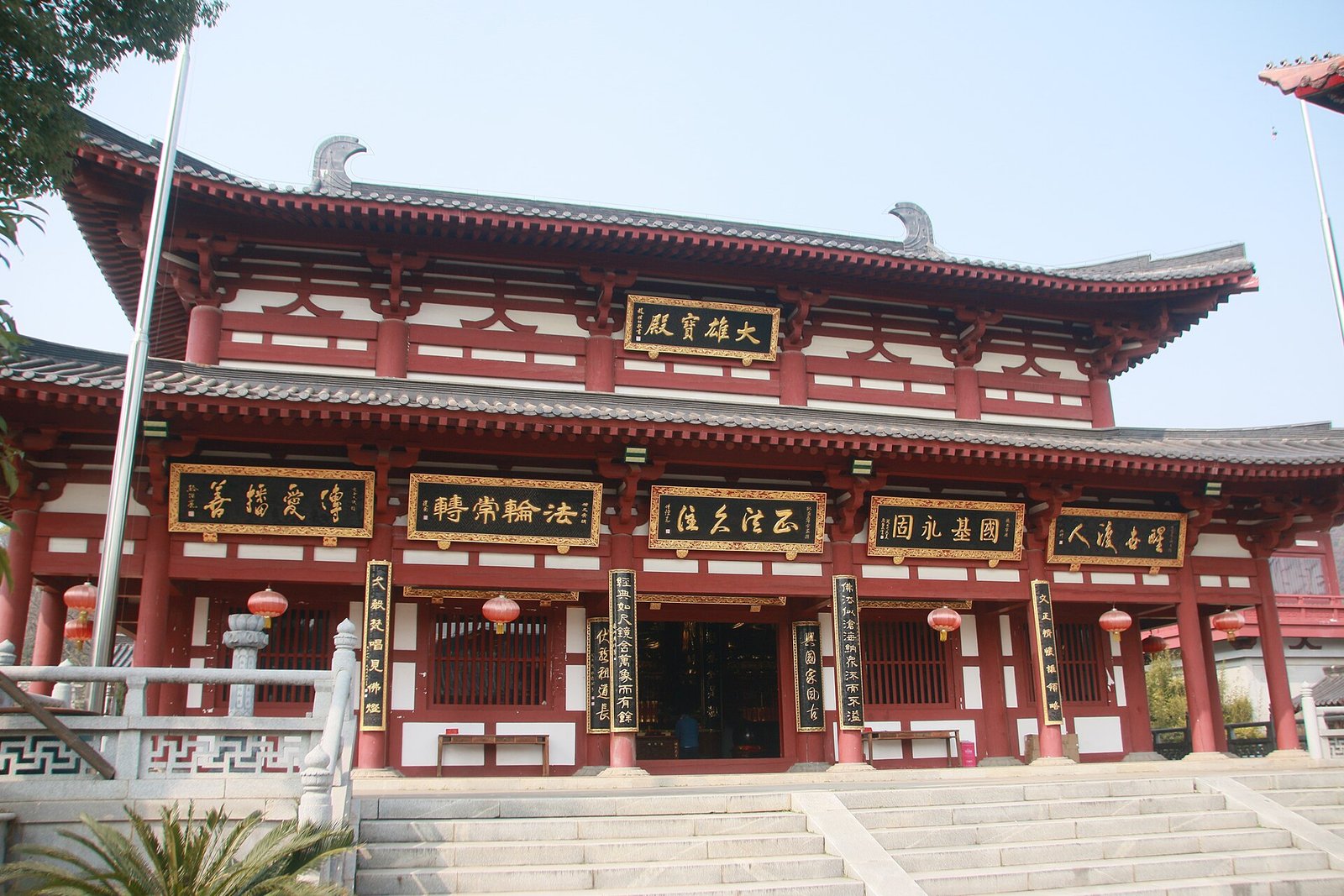
Spring Festival, which locals call Chun Jie, is the heaviest travel period of the year by a wide margin. Millions of people head home to their families in the week before it, and the stations in the big cities become extraordinary places: floors of waiting passengers, mountains of luggage, and an atmosphere that is stressful and strangely cheerful at once. I have experienced it once and have no wish to repeat it on a train.
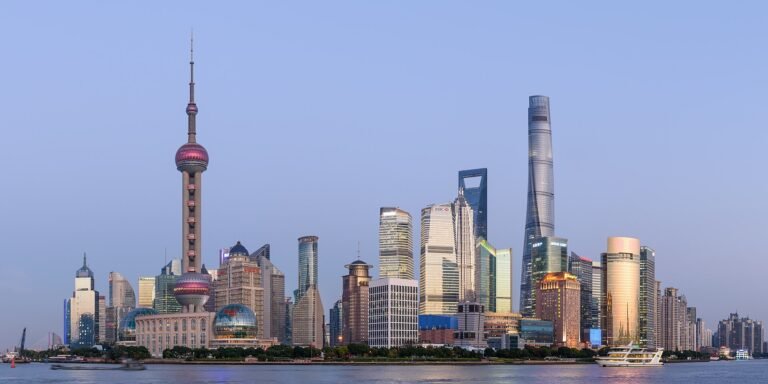
Here is the counter-intuitive part, though. During the festival itself, the big cities empty out. I spent one Spring Festival in Shanghai and wandered along a usually packed shopping street with barely anyone on it. Restaurants stayed open, the museums were quiet, and the hotel dropped its price. If you can accept that some small family-run places shut for a few days, the city week can be a gift.
The mistake is to try to travel between cities during the rush. Booking opens a fixed window ahead, and the popular routes vanish quickly. When the all about best time to visit china guide talks about shoulder seasons, this is the extreme example: pick the weeks either side of the festival and you get reasonable fares and thin crowds. I now plan my trips to arrive after the festival.
Qingming and Labour Day: spring gets busy
Qingming arrives in early April and is a day for visiting family graves, but it has also become a short holiday for outings. The weather is pleasant in much of the country, so parks and gardens fill up. I spent one Qingming near Hangzhou and found the tea hills lovely in the morning and covered in picnic groups by two in the afternoon. The lesson was about timing: go early, then go home.
Labour Day at the start of May is the busier of the two spring breaks. It often stretches into a several-day holiday, and scenic spots from the Great Wall sections near Beijing to the water towns near Suzhou see huge numbers. I once queued ninety minutes for a cable car on a May holiday and watched the light fade before I reached the top.
If May is your only option, shift your attention to cities with plenty of space and several things to do in a day. A place where you can duck into a museum when a square gets crowded will serve you far better than a single mountain with one path up. That is also when a good Book Hotels China choice earns its keep, because a central room lets you change plans on a whim instead of being stuck on a coach.
Dragon Boat and Mid-Autumn: the quieter festivals
Dragon Boat Festival usually falls in May or June and follows the lunar calendar. It is tied to rivers, boats and a rather glutinous rice dumpling that I grew to like. The crowds are real but shorter-lived than the big holidays. I watched a race in a southern city with several thousand people and could not see the boats at all, but nobody seemed to mind; the noise and shared excitement were the point.
Mid-Autumn lands in September or early October and centres on mooncakes, family meals and lanterns. It is my favourite festival to be in a city for, because the evenings are mild and the old towns light up beautifully. One year I was in a canal town, and the lanterns reflected in the water filled my camera roll with photographs I was happy to keep.
These two are the ones I would build a trip around. They give you the festival atmosphere without the transport gridlock of the golden weeks. The everything you need to know about china 2 week guide shows how to place a festival week in the middle of a longer journey rather than at either end.
National Day and the Golden Week in early October
National Day on the first of October begins the other great travel surge. The first week of October is, in my experience, the single worst time to visit the famous sights. The Forbidden City, the Terracotta Army and the top of Huangshan all become exercises in queueing. Entry fees do not change, but the value falls sharply when you spend half the day in a line.
The table below is the ranking I use when I have to travel in a holiday window. It is a blunt instrument, but it has kept me out of more than one bad situation.
| Holiday window | Crowd level | What I do instead | Cost effect |
|---|---|---|---|
| Spring Festival week | Extreme in transit, quiet in big cities | Stay put in a city | Fares high, city hotels cheaper |
| Labour Day early May | Very high at sights | Visit cities, avoid single-path sites | Rooms noticeably pricier |
| National Day first week | Very high everywhere famous | Skip iconic sites entirely | Peak prices across the board |
| Dragon Boat / Mid-Autumn | Moderate, short-lived | Go to a festival with a river or lanterns | Near-normal prices |
If a first trip has to fall in a golden week, I would rather someone took the strain off the logistics. The Best China Tour Companies guide lists operators who book rooms and coaches in blocks, which matters when independent travellers compete for the same few beds. A fixed itinerary stops you wasting the day deciding what to do where everything is heaving.
For a shorter visit, the everything you need to know about china 10 day route is the classic first-timer’s plan, and it usually includes several places on the October danger list. Move those ten days to November and the same itinerary becomes a far more pleasant trip. I made that swap once and have never regretted it.
The small practical things that save a holiday week
Booking order is everything. I secure the long train legs first, then the hotel, then the entry tickets, because transport sells out fastest and decides where I can actually sleep. For the train and flight apps I rely on, the Best Apps China Travel guide covers the ones that let you book in English and keep your tickets in one place.
A few habits make a real difference. I carry snacks and water on any holiday-period train, because the platform queues for food can be longer than the journey’s useful stops. I arrive at stations earlier than I think necessary. I book a hotel near a metro line rather than a famous square, so I can still move when the roads jam.
Keep some flexibility in the plan. I leave one day unscheduled, because a festival week has a way of producing both cancellations and unexpected invitations. The best evening of one Mid-Autumn trip came from being asked to join a family meal by a shopkeeper. Check the official site before you go for the exact festival dates and transport rules, and let the rest of the plan stay loose.
Frequently Asked Questions
Which is the worst time to travel in China? The first week of October and the days around Spring Festival top my list. Transport is packed, iconic sites are overwhelmed, and prices rise. If your dates are flexible, move your trip to November or to the weeks just after the festival.
Are public holidays a bad time to visit the big cities? Not necessarily. During Spring Festival in particular, cities empty out and the streets become calm. Shops and small restaurants may close for a few days, but major attractions and hotel restaurants usually keep going. It can be a surprisingly good time for a city break.
How far ahead should I book trains for a holiday? Book as soon as the booking window opens, which is announced on the official channels. Popular routes during golden weeks can sell out quickly. I set a reminder and have my passenger details ready so I can complete the purchase in one go.
Do I need a tour company during a golden week? You do not need one, but it helps. Operators hold blocks of rooms and coach seats, which removes the fiercest competition. If you are happy to plan carefully and stay flexible, independent travel still works well.
Which festival is best for a first-time visitor? Mid-Autumn is my pick. The weather is pleasant, the lanterns are beautiful, and the crowds are manageable compared with the golden weeks. It gives you a genuine festival atmosphere without the gridlock.
Can a holiday week ever be cheaper? Sometimes, in an odd way. While train fares and transport rise, city hotels can drop their rates during Spring Festival when city-dwellers have left for the countryside. The trick is to stay in one place and avoid travelling between cities during the peak days.