Mount Sanqingshan: A Visitor’s Guide to Planning Your Trip
The Ming traveller Xu Xiake walked more of imperial China than almost anyone of his century and wrote it all down, usually in difficult conditions, always with an eye for a mountain that did something unusual with stone. He is the right sort of person to introduce Sanqingshan. This range in northeastern Jiangxi does not offer one tidy summit to conquer; it offers hundreds of granite pillars, stacked with the balance of a careless pile of furniture, threaded by narrow steps and a handful of Taoist shrines that seem to have been placed there by people with a strong sense of theatre. I have been twice, once in a hurry and once properly, and the difference was almost entirely a matter of when I went.
How the season decides your trip
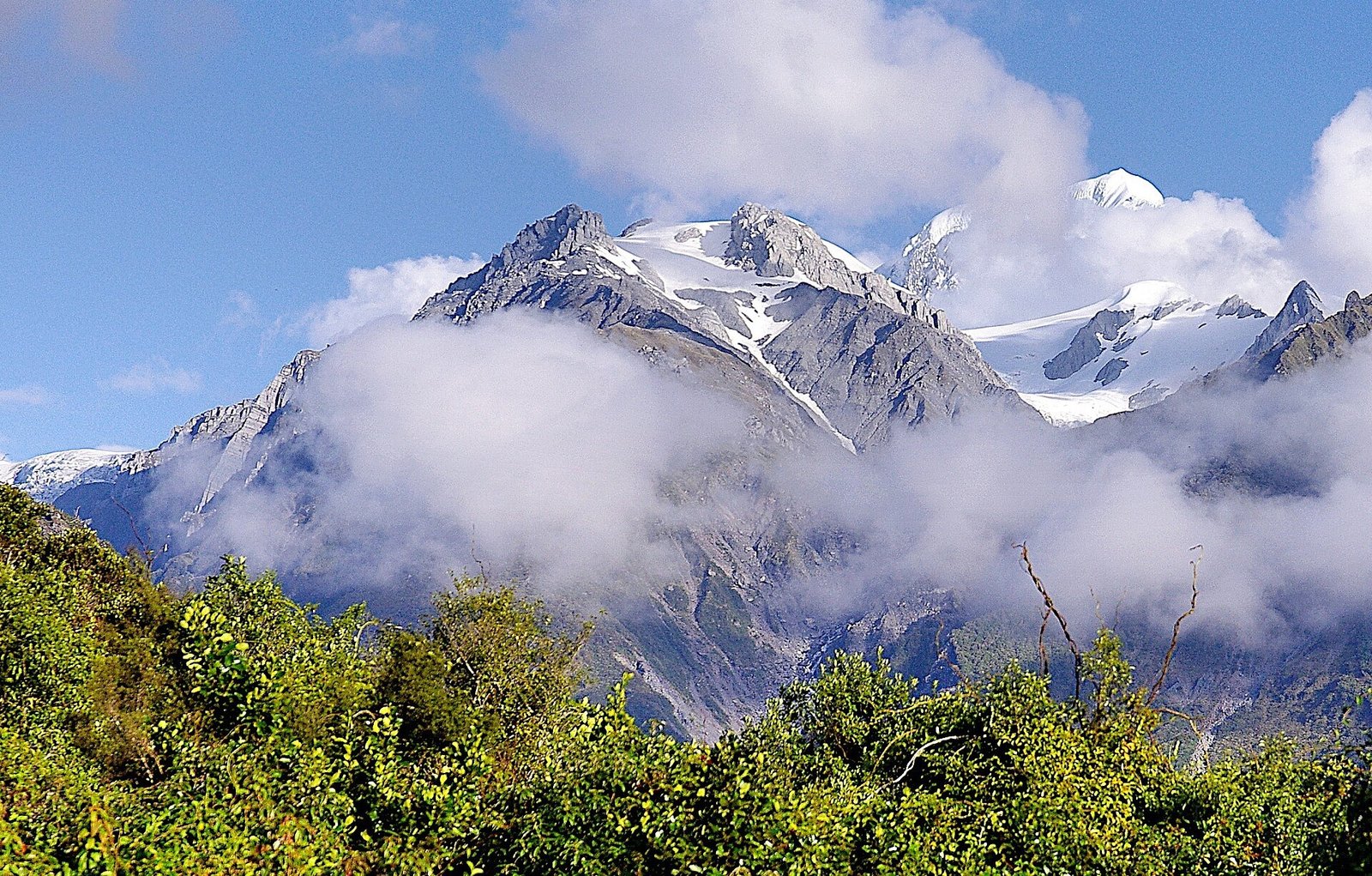
Most guides treat the year as one block and tell you to visit in spring or autumn. That is true but lazy. Sanqingshan sits at roughly 1,300 to 1,817 metres above sea level, high enough that weather changes faster than the forecast suggests and low enough that it never quite escapes the damp. The highest of the pillars, usually referred to as the Jade Emperor Peak, catches the first light while the lower valleys are still filled with cloud, which is the simple physical reason the view changes so much from one hour to the next. The same ridge can be a white void in April, a green furnace in July, a postcard in October and a quiet monochrome sketch in January. Choose the season first and the route, the clothing and even the size of your crowd follow almost by themselves. The range was inscribed on the UNESCO World Heritage List in 2008; Wikipedia’s account of Mount Sanqingshan sets out the geology and the naming, which refers to the Three Pure Ones of Taoism.
Spring: mist, rhododendrons and mud underfoot
From late March into May the mountain does its most famous trick. Warm, wet air meets cold granite and the valleys fill with cloud, so that the pillars appear to float and the paths vanish a few metres ahead. It is beautiful, and it plays havoc with a schedule built around viewpoints. I spent a morning waiting at a railing for a formation that stayed hidden until the cloud lifted at eleven. Bring a waterproof shell, not an umbrella — the wind along the exposed steps makes umbrellas useless — and accept that lower limbs will be wet for most of the day. Rhododendrons flower in late spring and the colour against the grey rock is worth the effort. The temples matter too, and they are easy to walk past when the cloud is thick: the Sanqing Palace complex was rebuilt more than once after fires and landslides, and the small shrines higher up are older than the signage around them suggests. A local guide told me the trick is to watch the direction of the wind, not the sky — when it comes from the south the cloud clears from the western ridge first, which is where I now head. Fog is not unique to this range, mind: Mount Lu, a few hundred kilometres west in the same province, built half its reputation on the same weather. Avoid the Qingming and early May holidays if you can; the queues at the cable car then are not a rumour.
Summer: green ridges and the monsoon question
June through August gives you the lushest version of the mountain and the highest chance of a thunderstorm. The cloud sea is most reliable in these months, and the temperature up top is genuinely pleasant compared with the lowlands, which is why so many domestic visitors come. The problem is not the rain itself but the timing: storms tend to build in the afternoon, so a dawn start on the ridge usually pays. I made the opposite choice once, rode up after lunch and spent two hours sheltering under a rock overhang with a family from Hangzhou who had packed better than I had. The rain is not the only reason to hesitate; Mount Wuyi explained describes a wetter, lower Fujian outcrop where the streams are the point rather than the view. School holidays fill the eastern cable car from early morning. Check the official site before you go for any weather-related closures.
Autumn: why the photographs are taken in October
September into November is the answer most people want. The air clears, the light goes low and golden, and the granite holds its colour rather than dissolving into grey. On my second visit I reached the upper loop at seven and had forty unhurried minutes at the best-known viewpoint before the tour groups arrived; that alone justified the trip. There is one trap. The first week of October is a national holiday, and the mountain fills to its daily capacity. I have seen the reservation system close before midday. Go in the second half of October or in November and the difference is remarkable. If you find yourself comparing China’s sacred peaks, Mount Tai Guide is the honest reference point in Shandong, but Sanqingshan wins on sheer geological oddity.
Winter: snow on the granite, paths to yourself
December to February is the quietest season by a wide margin, and the one I would recommend to anyone who has already done the mountain in warmth. Snow settles on the flat-topped pillars, the pines hold it briefly, and the paths empties out. It is also the season that punishes poor preparation. Ice stays in the shade long after it has melted in the sun, and a light pair of grip soles makes the difference between a walk and a slow crawl. One February morning the upper cable car was held shut by wind for two hours, which is a common reason for delay at exposed summits. For a different sort of winter walk, all about mount song covers a central range where the stone steps are older than most of China’s roads. Check the official site before you go: winter opening hours and cable operation change with the weather.
A season-by-season comparison
| Season | What you get | What it costs you | My verdict |
|---|---|---|---|
| Spring | Cloud sea, rhododendrons, cool air | Wet steps, obscured views, holiday crowds | Beautiful but unreliable |
| Summer | Green ridges, reliable cloud, lowland escape | Thunderstorms, school-holiday queues | Good if you start at dawn |
| Autumn | Clear light, stable weather, long views | The first week of October is packed | The safest choice |
| Winter | Snow, silence, empty paths | Ice, wind closures, short days | Best for a second visit |
The table flatters autumn slightly, because a clear October day is what the mountain is photographed for. Spring and summer can equal it for a few hours at a time; they simply ask more patience. Mount Hua is the peak people mention in the same breath, mostly because its plank walk makes these ridges look positively civilised.
Getting there, tickets and a few hard-won rules
The usual approach is through Shangrao, whose high-speed station connects to the mountain by bus or shared transfer in roughly an hour and a half. Nanchang is the alternative, about two and a half to three hours by road depending on traffic. At the foot you choose between two cable cars on opposite sides of the range, then walk the high loop between the main formations; the whole upper circuit takes four to six hours at an unhurried pace, longer if you keep stopping to photograph the rock. The formations have names that help you navigate once you have learned a few of them — a pillar like a seated figure, another like a snake rising out of the trees, a third that looks, once you have seen it, unmistakably like a woman looking into the distance. Nobody I met could agree on which was which, which is half the fun. The paths are narrow but well maintained, with handrails at the exposed sections. Entry has historically sat around RMB 120 to 150, with a similar amount again for a return cable ride and a small shuttle fee, but these figures move with the season and promotions, so check the official site before you go. Book the first cable slot online where possible, carry water and a layered jacket, and do not underestimate how cold a windy ridge feels at 1,700 metres. If you want the other great queue in Chinese tourism, everything you need to know about badaling great wall covers a very different climb near Beijing; for something that asks nothing of your knees afterwards, here is how beihai park is really done.
Frequently Asked Questions
How many days do I need for Mount Sanqingshan? One full day is enough for the high ridge loop if you use a cable car both ways. Two days lets you add a slower circuit and a sunrise without rushing, and is what I would recommend if you have travelled a long way.
Can I climb without the cable car? Yes, but it is a serious day’s walking with a large gain in height, and the stone steps are steep in places. Most visitors take at least one cable car and walk the summit circuit on foot.
What should I wear? Layers, a windproof shell and shoes with grip. Even in summer the ridge is cool and exposed; in winter, add a hat and consider simple grip soles for icy steps.
Is it suitable for older walkers? The upper loop has many steps and a few narrow sections. It is manageable at a slow pace with a cable car, but anyone with knee trouble should plan carefully, take the shortest circuit and allow far more time than the signboards suggest.
When is the cloud sea most likely? Spring and summer produce it most often, especially after rain and before the morning warms the valleys. Autumn offers clearer views but fewer of the floating-island scenes the mountain is famous for.