China Night Trains: Sleeper Routes Worth Taking
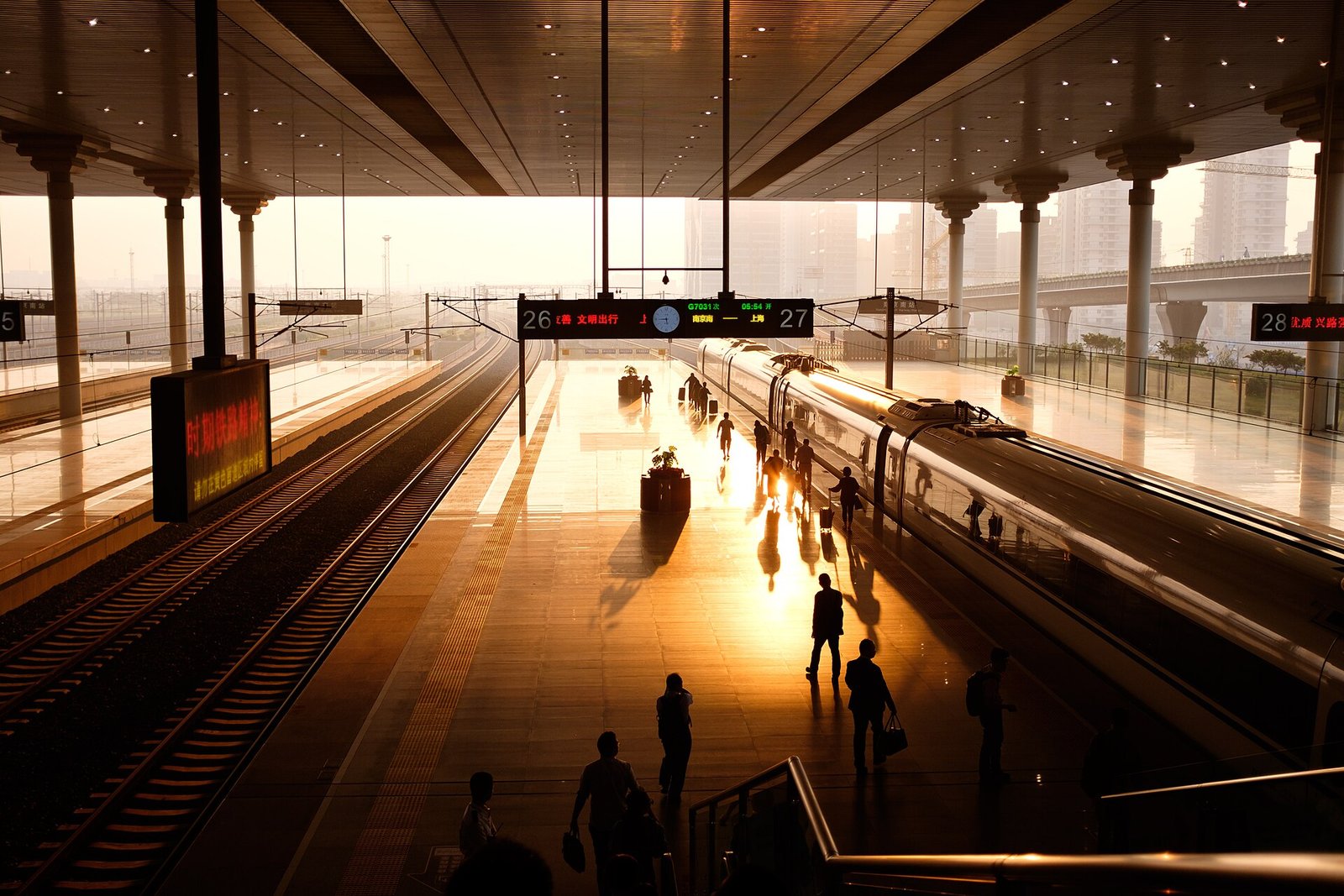
On my first night train I booked a sleeper from Beijing to Shanghai, printed the ticket, said the station name correctly in my head, and went to Beijing West. The train left from Beijing South. I had forty minutes to cross the city, a driver who spoke almost no English, and a growing suspicion that I’d just thrown away the fare. I made it with nine minutes to spare, sweaty and thoroughly chastened. Every piece of practical advice I give now starts with that moment, because choosing the train is the easy part. Getting to the right platform, with the right documents and the right expectations, is where trips come apart.
China’s sleeper network is still one of the best travel bargains in the country. You can cross half of a province in bed, wake up in a different city and save a night’s accommodation while you’re at it. But the system rewards a little preparation, and this guide is the preparation I wish someone had handed me before that evening at Beijing South.
The berths, from cheapest to best
Before you look at a single timetable, fix the berth types in your head. The names sound quaint, but they map directly onto price and comfort, and getting the wrong one is the most common regret I hear from first-timers. A full breakdown of China Train Classes is worth reading if you want the fine detail, but the short version is this: seat, hard sleeper, soft sleeper, and the high-speed equivalents.
On a conventional overnight train, a hard sleeper carriage is open-plan, with six bunks in each bay — three to a side, in tiers. A soft sleeper is a closed compartment with four bunks, a door and a little more room. High-speed sleeper trains run a separate, newer class of berth, usually in pairs or four-berth rooms, on trains that travel far faster than the old network. The difference is not just comfort; it’s also the kind of station you use and the kind of night you get.
I now follow a simple rule. For any journey over six hours, I pay for a lower or middle berth in a soft sleeper if the budget allows. For shorter hops, a hard sleeper is perfectly adequate. I only take a hard seat on a route under four hours, because sitting upright all night left me stiff and bad-tempered the next morning.
Hard seat and hard sleeper: the bottom tier
This is where I started, and it’s still the right choice for a certain kind of trip. A hard sleeper berth has historically cost somewhere between RMB 150 and RMB 300 on a long route, depending on distance and whether you take the lower, middle or upper bunk. The lower berth is dearest and comes with the small shelf and the most legroom; the middle is the one I’d pick for value; the upper is cheapest and involves climbing a ladder in a dark carriage.
Here’s what nobody tells you about the hard sleeper: the carriage is social. People eat, talk and pass around snacks well into the evening, and the lights stay on longer than you’d expect. I’ve had lovely conversations with students and railway workers on these trains, and I’ve also had a snorer three bays away. Bring earplugs and accept that sleep will be patchy.
A hard seat is a different proposition altogether — a padded seat in a carriage that fills up. On a short overnight hop of four hours or so it’s fine. On anything longer, I’d pay the extra for a bunk. When I tried a ten-hour hard seat from Zhengzhou to Shanghai I arrived feeling as though I’d been folded into a suitcase, and I spent the first morning of my trip sitting in a café to recover.
Soft sleeper: the tier I usually pay for
A soft sleeper is the middle budget tier and, in my view, the best value on a long route. You get a door you can close, four berths instead of six, and usually a thermos of hot water waiting in the compartment. Prices vary widely, but on a major overnight run the figure has often sat in the RMB 300 to 600 range — roughly the cost of a cheap city hotel, except you also get the journey.
The practical advantage is sleep. I can actually lie flat without someone swinging a bag past my head, and the compartment door muffles the corridor noise. On a Beijing to Harbin run I slept seven hours straight, which no hard sleeper has ever given me. If you’re travelling the next day and need to be functional, this is the tier I’d choose without hesitation.
The trade-off is that soft sleepers sell out first, particularly on Friday nights and around public holidays. Book early and don’t expect to upgrade at the station — I’ve tried, and the ticket office just shrugs. If the train is full, take a different departure date rather than a worse berth.
High-speed sleepers: the premium tier
At the top of the budget sit the D-series and newer overnight high-speed services. These run on the fast network, so a journey that takes twelve hours on a conventional train can shrink to eight or nine. As Wikipedia notes on China Railway High-speed, the fast network grew into the largest of its kind in the world, and the sleeper services are a late addition to it — a way of selling a bed on a line built for daytime speed.
They’re cleaner, quieter and more expensive. A high-speed sleeper can cost two or three times a conventional soft sleeper, sometimes more, so I use them when time genuinely matters rather than as a treat. The Beijing to Shanghai overnight service is the classic example: leave after dinner, wake up near the Bund. It’s comfortable, but you pay for the hours you save.
One catch worth knowing: high-speed sleepers often depart from different stations from the old trains. That was the root of my Beijing mistake, and it’s why I now check the station name on the ticket, in Chinese, before I leave the hotel.
What the tiers cost side by side
Treat every number here as a rough guide and check the official site before you go, because fares and route structures change. This table is the mental shortcut I use when deciding how to spend.
| Tier | Typical overnight price | What you get | My verdict |
|---|---|---|---|
| Hard seat | RMB 90–200 | Padded seat, shared carriage | Short hops only |
| Hard sleeper, upper | RMB 150–250 | Open bunk, ladder access | Cheapest bed, patchy sleep |
| Hard sleeper, middle/lower | RMB 200–300 | Open bunk, more space | Good value for most trips |
| Soft sleeper | RMB 300–600 | Four-berth compartment, door | Best overall for long routes |
| High-speed sleeper | RMB 600–1,200+ | Modern berth, much faster | Pay only when time matters |
The difference between the upper and middle hard sleeper is often smaller than people expect — sometimes only RMB 30 or 40. I’d always pay it. The saving isn’t worth scrambling down a ladder at two in the morning when you need the toilet.
Booking step by step
Here’s the routine I now follow.
Step one: decide the station. Read the ticket line carefully and match it to the metro map. Beijing, Shanghai and Guangzhou each have several main stations, and they are not interchangeable.
Step two: set up payment before you try to buy. Foreign cards can fail on the railway booking site, and I’ve had a ticket vanish from my basket halfway through paying. For the fiddly details of payment and registration, all about china train tickets walks through the process more slowly than I can here.
Step three: use an app as a backup, even if you book on the website. The Best Apps China Travel round-up covers the ones that let you track a train and see the platform in real time, which matters when your departure station is the wrong guess.
Step four: collect your ticket or confirm the QR entry, then photograph the details — train number, carriage, berth, station. I keep the photo open on my phone while walking through the station, because a ticket inspector may ask to see it twice.
Arrive forty-five minutes before departure. Security queues at the big stations can swallow twenty minutes, and the platform is a long walk from the concourse. That margin is the difference between a calm boarding and the sprint I made across Beijing.
Packing and fitting the sleeper into a trip
My night-train kit is boringly consistent: earplugs, an eye mask, a fleece, a water bottle, a phone charger and a small bag I can keep under the lower berth. The carriages run cold at night and hot before bedtime, so layers beat one heavy item. I also take a paper copy of the address of the hotel I’m heading to, because arriving at 06:00 with a dead phone is a special kind of misery.
A sleeper works best when the arrival city has something planned. Landing in Chengdu or Xi’an early and walking straight into a morning market is one of my favourite travel patterns, and China Night Markets is a good starting point for what to eat once you’re there. If you’d rather not improvise the whole route, Best China Tour Companies explained sets out when a fixed itinerary beats a series of sleeper bookings.
Season matters more than most people assume. For the broad picture, everything you need to know about best time to visit china explains the holiday peaks that turn berths into gold dust. Spring Festival and National Day are the two windows I’d avoid booking late; the rest is manageable with a week’s notice.
One last practical point: decide where you’re staying before the train pulls in, not after. how book hotels china is really done covers the booking habits that make an early arrival painless, including free cancellation and locations near the arrival station. A sleeper saves a hotel night only if you’ve actually sorted the next bed.
Frequently Asked Questions
Which sleeper class should I book? For a trip over six hours, a soft sleeper offers the best balance of price and sleep. A hard sleeper is fine for shorter journeys, and a high-speed sleeper is worth the premium only when time is tight.
How much does a night train cost? Roughly RMB 150–300 for a hard sleeper, RMB 300–600 for a soft sleeper and RMB 600 or more for a high-speed sleeper. These are ballparks — check the official site before you go.
Do I need to worry about which station I use? Yes. Beijing, Shanghai and Guangzhou have several major stations, and sleeper services do not all use the same one. Check the station name on your ticket before leaving the hotel.
Can foreigners book Chinese trains online? Usually yes, though payment can be awkward and some services require passport verification. Set up payment in advance and keep your passport to hand.
What should I pack for a sleeper? Earplugs, an eye mask, a fleece, water, a charger and a small bag for valuables. The air conditioning runs cold overnight.
Are sleeper trains safe for solo travellers? I’ve found them straightforward, with staff patrolling the corridors. Keep valuables close, lock the compartment if you have one, and be friendly but vague with strangers.