Hong Shao Chicken: The Home Braise Every Family Guards
My first hong shao chicken came out of the wok looking like an apology. The chicken was grey, the sauce had split into a greasy puddle, and the whole kitchen smelled of burnt sugar rather than soy and star anise. I had rushed the caramel, used breast meat because it was on offer, and skipped the reduction because I was hungry. Three batches later, the same dish got quiet approval from my mother-in-law, who guards her own family version the way some people guard bank passwords. That gap between attempt one and attempt four is what this article is about.
Hong shao chicken — red-braised chicken — is one of those dishes every Chinese household seems to carry a version of, and almost nobody’s version matches anyone else’s. What follows is the method I settled on after those failures, with the reasons behind each decision.
What “Hong Shao” Actually Means
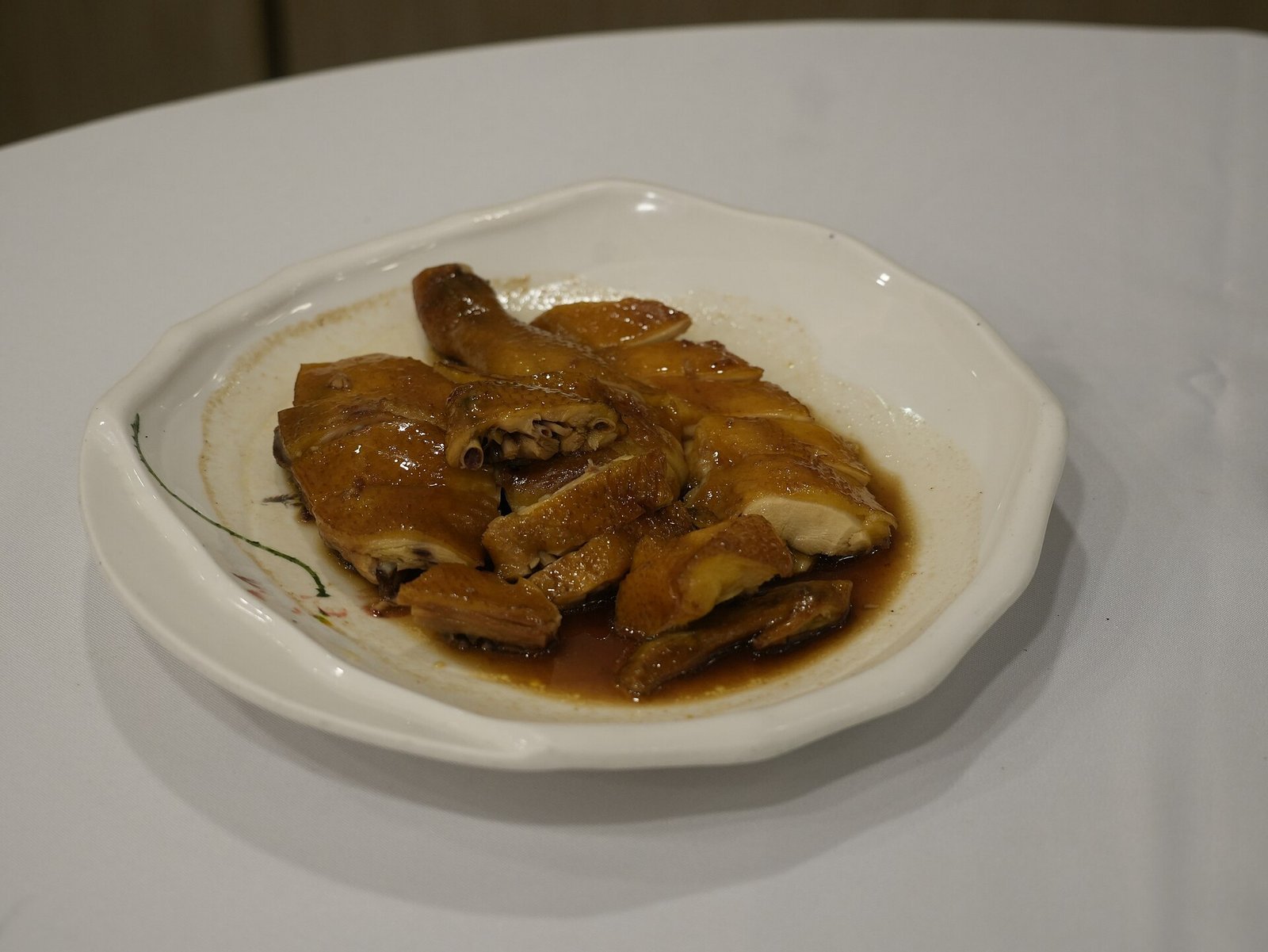
Hong shao (红烧) simply means “red braising”: a cooking method where meat is browned in caramelised sugar, then simmered in a soy-based liquid until the sauce reduces to a glossy, brick-red coat. The name describes the colour, not the ingredient, which is why you will meet hong shao pork, hong shao beef, hong shao aubergine and hong shao chicken all sharing the same technique. As Wikipedia’s entry on red braising notes, the method is spread across many regional cuisines, from Shanghai to Hunan, with local arguments about whether sugar belongs in the braise at all.
The chicken version is the humble sibling of the famous pork braise. If you have read my notes on all about hong shao rou, you already know the core logic: colour from the caramel, salt and depth from soy, aroma from star anise and ginger, body from a patient reduction. Chicken plays by different rules on timing, because it dries out long before pork belly would.
Two things must happen for the dish to earn its name. First, the sauce needs to cling to the meat rather than pool around it — that is a reduction problem, not a cornflour problem. Second, the colour needs to come from the caramel and the dark soy working together. A pale hong shao is a contradiction.
Choosing the Chicken
This is the decision that doomed my first attempt. Chicken breast, given forty minutes of simmering, turns into something with the texture of wet cardboard. The braise demands a cut with connective tissue and fat that can soften over a long cook rather than seize up.
Dark-meat cuts on the bone are the traditional answer. Bone conducts heat slowly and adds gelatin to the sauce, and the skin holds fat that bastes the meat from the outside. If you want to understand how far a whole bird can be pushed through slow, enclosed cooking, my notes on the Beggars Chicken Recipe cover the extreme end of that idea; hong shao sits much closer to home, but bone-in patience applies all the same.
Here is how the common options actually behave in the pot:
| Cut | After 40 min simmer | Skin result | Verdict |
|---|---|---|---|
| Bone-in thighs | Tender, gelatinous, holds shape | Glossy, sauce clings | The right choice |
| Whole legs (drumstick + thigh) | Very tender, falls near the bone | Good, slightly less even | Excellent for a family pot |
| Wings | Fall-apart soft, lots of gelatin | Sticky and good | Great for a smaller batch |
| Bone-in breast | Firm but just about acceptable | Thin, drinks up sauce | Only if you must |
| Boneless breast | Dry, stringy, sad | Basically gone | Do not, seriously |
One practical note: ask your butcher to chop the thighs through the bone into halves, as Chinese markets do, so the pieces fit a wok better than whole joints stacking on top of each other.
The Caramel Step
The caramel is where most home attempts die, and mine did. The traditional method is to melt rock sugar in a little oil over low heat until it turns amber, then throw the chicken in and toss to coat. The window between “beautiful amber” and “bitter and ruined” is shorter than any recipe admits — perhaps twenty seconds, depending on your pan.
Rock sugar matters more than the recipes let on. Its larger crystals melt slowly, which gives you a wider working window than caster sugar. I have made the braise with white sugar in a pinch and it works, but the colour comes out flatter.
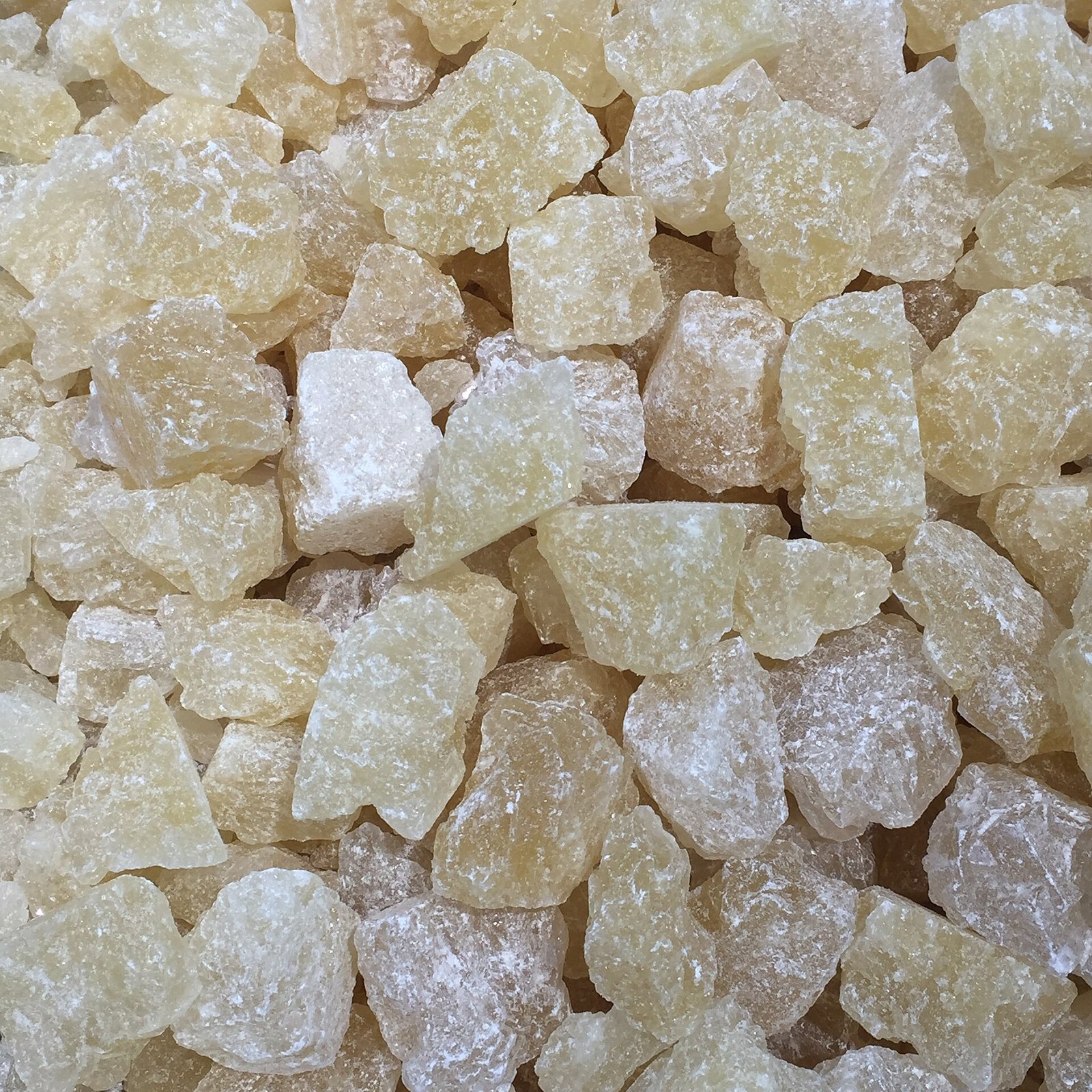
Two tricks I have learned the hard way. First, take the pan off the heat a shade earlier than looks right — the residual heat keeps darkening the sugar. Second, have the chicken already drained and sitting in a bowl next to the stove. Any water clinging to the skin will seize the caramel into a clump.
Soy Sauce and the Colour Question
Once the chicken is coated in caramel, the seasoning goes in: light soy for salt, dark soy for colour, Shaoxing wine for aroma, and just enough water to come two-thirds up the meat. Rock sugar goes in again at this stage — a small piece — because the braise’s final flavour should be salty-sweet rather than purely sweet.
The balance I use for a kilo of bone-in thighs: three tablespoons light soy, one tablespoon dark soy, two tablespoons Shaoxing wine, thirty grams of rock sugar split between the caramel and the simmer.
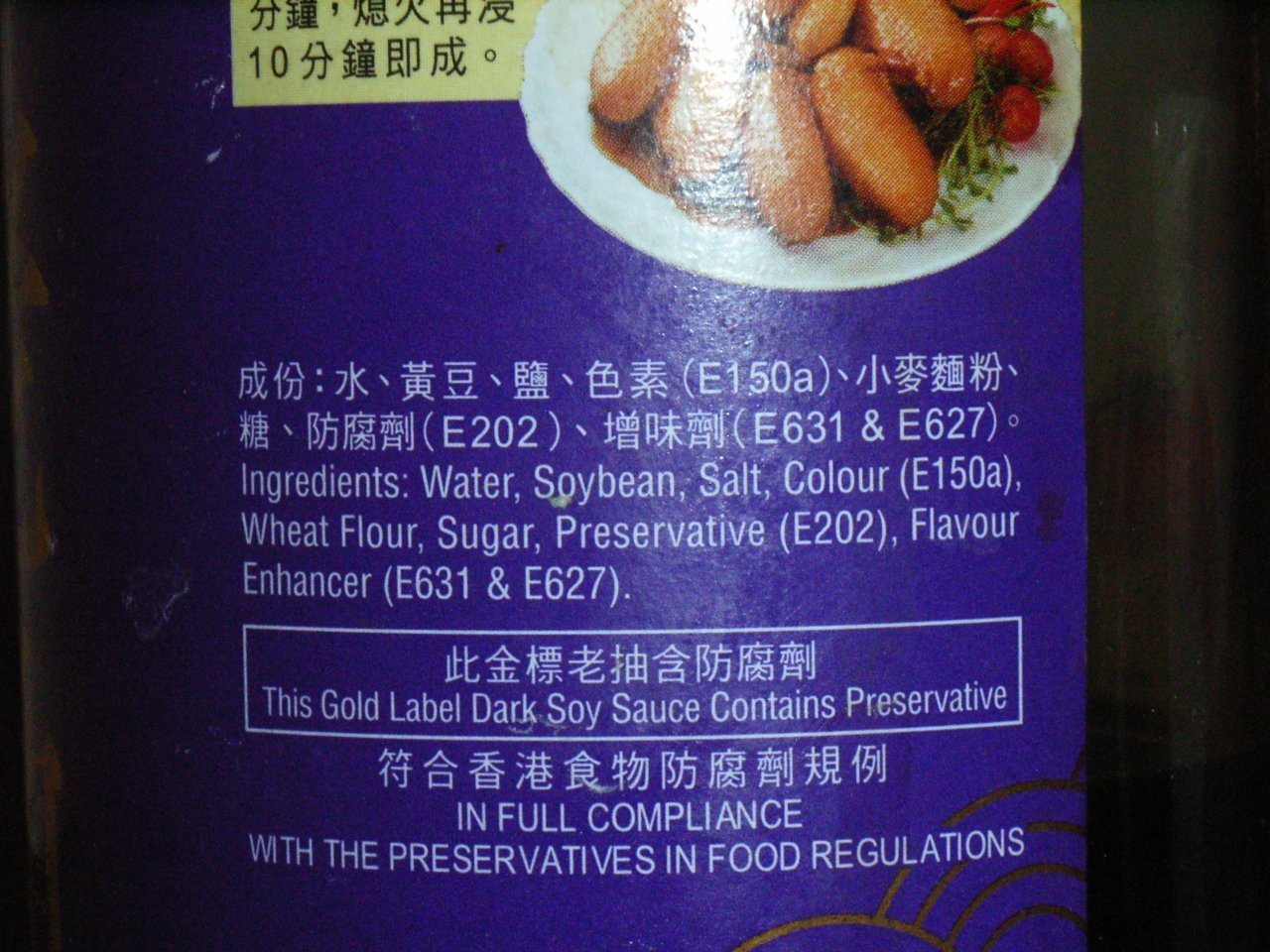
Dark soy is non-negotiable in my kitchen now. It is a thicker, molasses-coloured soy used specifically for pigmentation in braises. Light soy alone gives salt but leaves the sauce the colour of weak tea.
The aromatics stay deliberately simple: a thumb of ginger, smashed; three whole spring onions; two star anise; and, in autumn, one small piece of cassia bark. Hong shao chicken rewards restraint.
My Working Method, Start to Finish
Blanch the chicken pieces in boiling water for two minutes, then drain. This pulls out scum and blood and makes the final sauce cleaner.
Heat two tablespoons of oil in a wok or heavy pot over the lowest flame. Melt thirty grams of rock sugar until amber, as described above, then add the chicken and toss for two minutes so every piece picks up colour.
Add the ginger, spring onions and star anise, stir for thirty seconds, then pour in the soy sauces and Shaoxing wine around the edge of the wok so it sizzles. Add hot water to come two-thirds up the meat.
Now the part recipes rush: simmer, covered, on the gentlest possible heat for thirty-five to forty minutes. The liquid should tremble, not boil. A braise that bubbles hard drives the fat into the sauce and out of the meat, which is how you end up with greasy liquid and dry chicken — the exact failure I described at the start. If you find yourself wanting more liquid and more chicken time, you may actually be craving a different dish entirely; that instinct is better directed at everything you need to know about chinese hot pot at home, where the broth stays brothy and the meat cooks by dunking.
Uncover, raise the heat, and reduce for eight to ten minutes until the sauce coats the back of a spoon. The finished sauce should shine. Some families finish with a teaspoon of cornflour slurry; I think it makes the sauce dull and gluey.
Variations Worth Knowing — and Ones That Are Not
Every family guards its tweaks. My neighbour adds peeled chestnuts for the last fifteen minutes, and the nuts go floury and soak the sauce. Potato chunks are common in northern homes and turn the braise into a one-pot dinner. Dried shiitake, added with the water, deepen everything without changing the dish’s identity.
Chicken variations across China treat the bird very differently, and it helps to know where hong shao sits among them. If you have only ever eaten cold, jellied chicken with a vinegar dip, my notes on how chinese mouthwatering chicken is really done show the poached-and-chilled school of thought — a completely different philosophy where the sauce is sharp, not sweet.
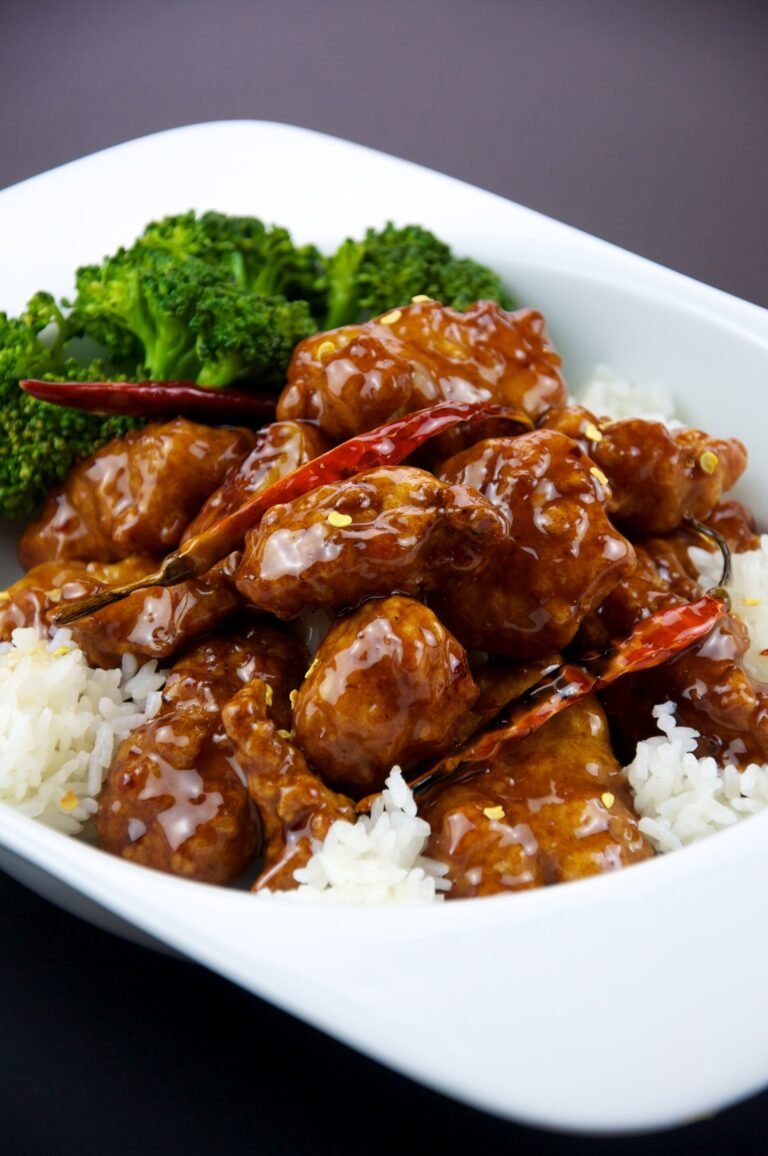
Then there is the deep-fried school. American-style General Tso’s chicken descends from Hunan-adjacent cooking and takes the opposite route: crisp-fried meat tossed in a sauce built after the fact. my notes on general tso chicken untangle how it relates to anything a grandmother in Tianjin would recognise. Both are legitimate, but they are not interchangeable.
The variation I would quietly discourage: coconut milk, tomato paste, or honey instead of rock sugar. Honey burns faster than rock sugar at caramel temperatures, tomato paste belongs to a different cuisine, and coconut milk breaks the emulsion. Some experiments deserve their failures.
What to Serve Alongside
Plain steamed rice is the honest answer, because the sauce is the point and you want a neutral canvas to mop it. Beyond rice, the dish pairs naturally with sour and sharp sides that cut through the sweetness — a bowl of Hot And Sour Soup does this beautifully on a cold evening.
Leftover hong shao chicken, the sauce and all, makes the best congee I know. Shred the meat off the bone, stir it into simmering rice porridge for the last ten minutes, and you get a breakfast that tastes like it took hours; the full reasoning is in my piece on Chicken Congee explained.
For a fuller spread, something wrapped or folded works well alongside. On weekends I will sometimes make a batch following How To Make Chinese Dumplings and serve them as the starter while the braise finishes on the stove.
Frequently Asked Questions
Can I use chicken breast if I cut the cooking time? You can, but you are making a different dish. Breast needs maybe twelve minutes total, and a short cook never develops the gelatinous, clingy sauce that defines hong shao. Boneless thighs are a far better compromise.
My caramel always crystallises into a lump. What am I doing wrong? Usually water or stirring. Make sure the chicken is surface-dry before it goes anywhere near the sugar, keep the flame low, and resist stirring — swirl the pan instead. Crystallised sugar on the pan wall drags the whole batch grainy.
Is cornflour needed to thicken the sauce? Traditionally, no. The reduction plus gelatin from bones and skin does the job. Cornflour gives a thicker sauce faster, but the shine suffers and the flavour is diluted by the extra water you did not boil off.
How salty should the braising liquid taste before reduction? Slightly too salty, like a seasoning broth rather than a soup. A kilo of chicken releases water as it simmers, and ten minutes of hard reduction concentrates the salt further. Season in stages and taste the sauce at the start of the reduction.
Can I make hong shao chicken a day ahead? Yes, and many families insist you should. Overnight in the fridge, the sauce gels around the meat and the flavour deepens. Reheat gently on the stove with a tablespoon of water; the skin loses a little gloss but the taste improves.
Why did my sauce turn bitter? Nine times out of ten, the caramel went past amber into dark brown before the chicken went in. Rock sugar darkens fast in the last moments, and burnt caramel bitterness cannot be masked by soy or sugar later. Next time, pull the pan off the heat a few seconds early.