Forbidden City Food Guide: Imperial to Hutong
Reviewed 31 October 2026 by the China Food Way editorial team
The Palace Gates and the Hunger Behind Them
Chinese imperial food
Chinese imperial food deserves a closer look. You can walk for three hours inside the Forbidden City and not pass a single chair you are allowed to sit in, let alone a bowl of anything. The emperors ate beh In the sections below we cover what travelers and home cooks actually need to know.
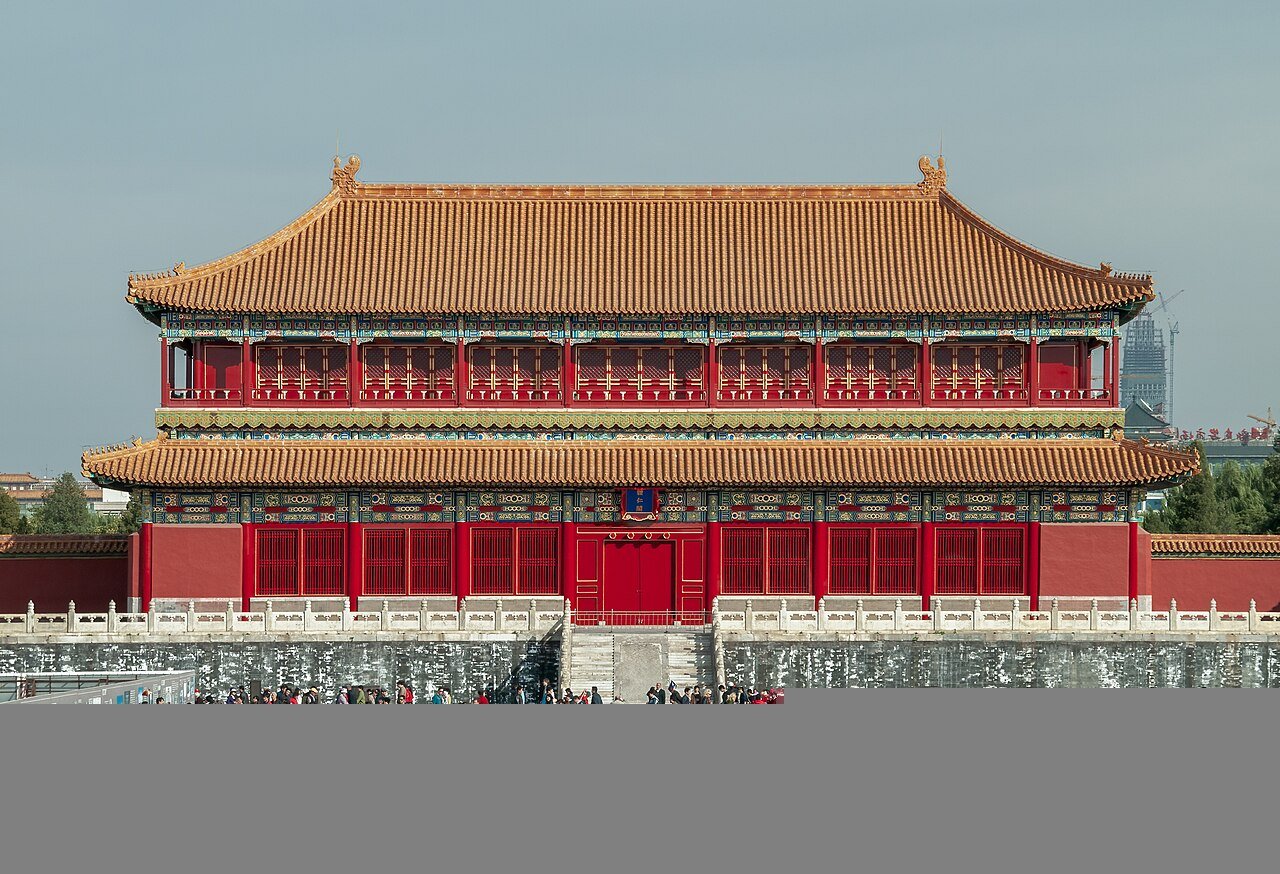
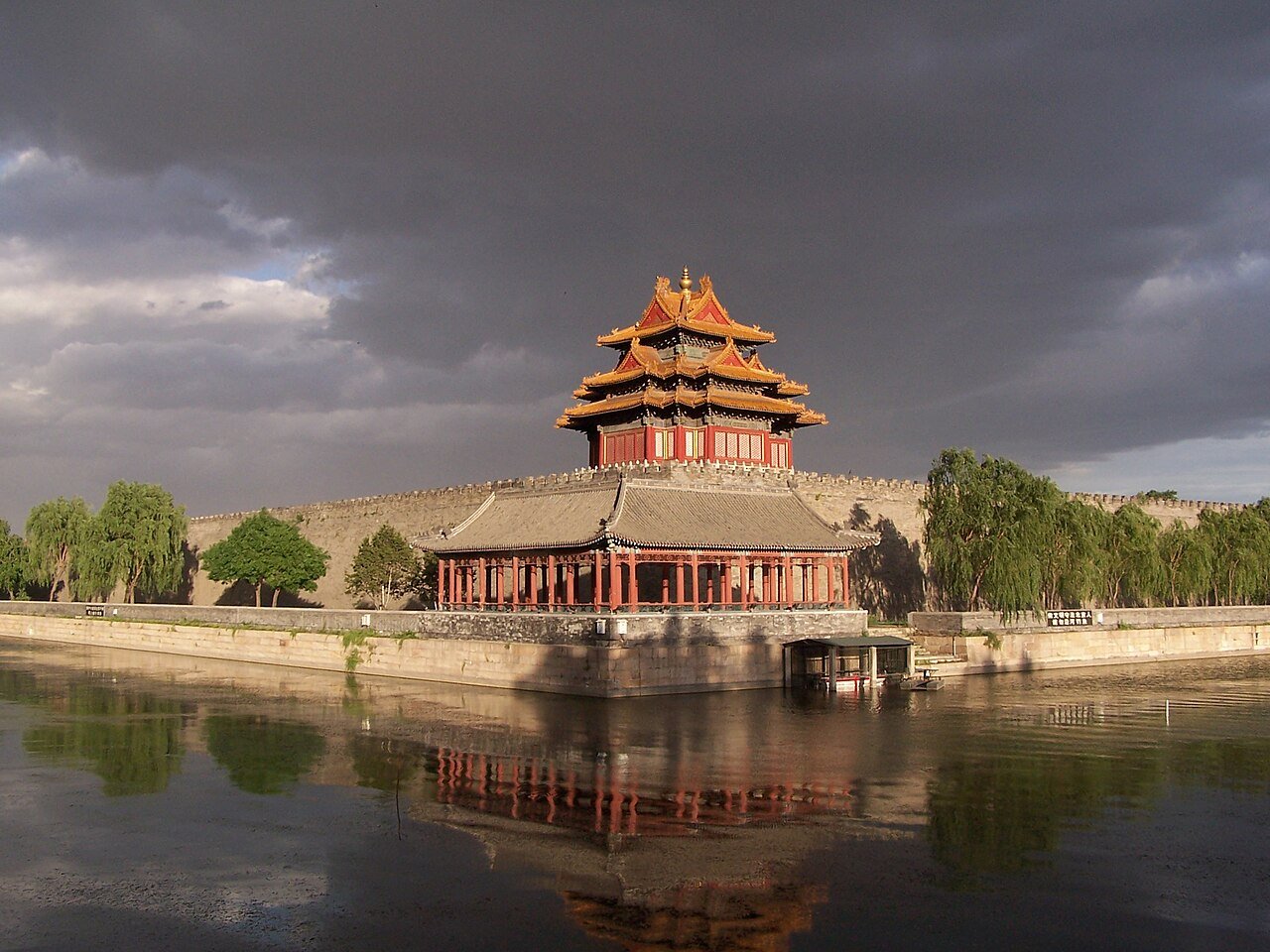
You can walk for three hours inside the Forbidden City and not pass a single chair you are allowed to sit in, let alone a bowl of anything. The emperors ate behind walls you will never enter, and the visitors of today spill out of the north gate (Shenwumen) with one shared thought: now, food. The good news is that the streets wrapping the old palace — the hutongs north toward Beihai and Jingshan, the lanes around Wangfujing to the east — hold the most concentrated bite of old Beijing you will find anywhere. This is the Forbidden City food guide: what the court actually ate, and where the city eats now.
If you have read my piece on the north-south split in Chinese cooking, you will recognise the Forbidden City as the capital of the wheat half of the country — the half built on millet, sorghum, wheat buns and a cautious, savoury palate that the court refined into something called imperial cuisine.
What Imperial Cuisine Really Was
The phrase “imperial cuisine” (宫廷菜) is now slapped on menus to justify a 200% markup, but the real thing has a recognisable logic. The Qing court kitchens were Manchu-Chinese hybrid operations: lots of game and cured meat from the north, meticulous knife work, clear rather than thick sauces, and a terror of waste that produced dishes designed to use every part of an animal. What survives in restaurants today is mostly a romantic reconstruction, and a lot of it is closer to good Beijing home cooking than to anything a Qianlong emperor tasted.
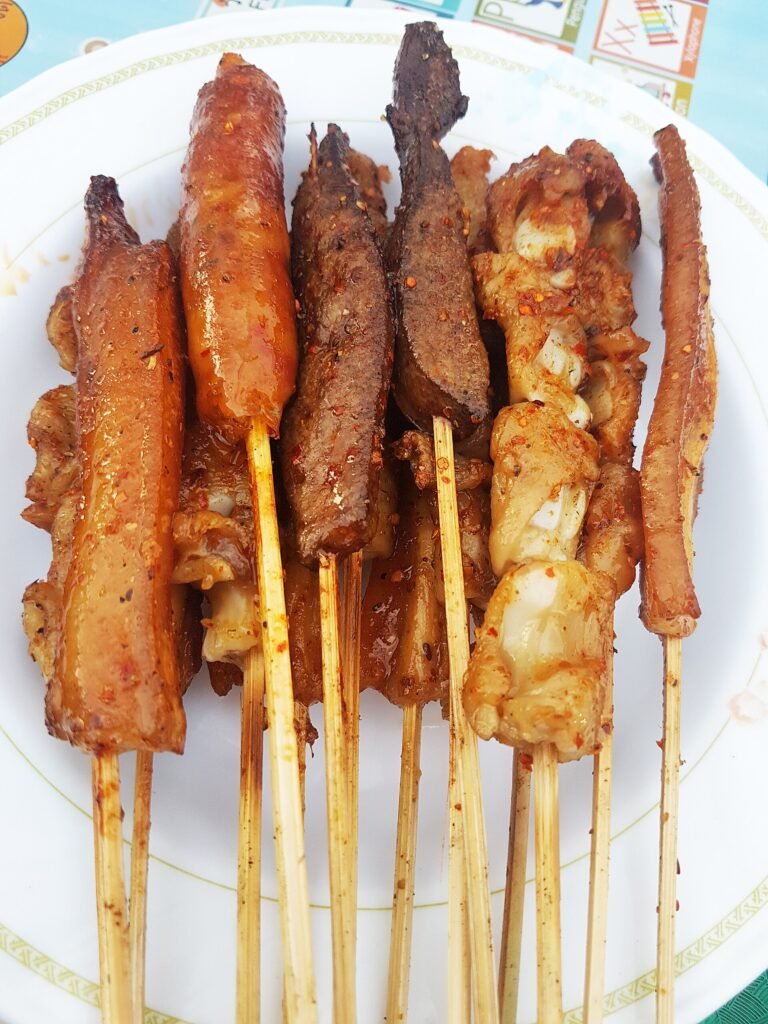
The dishes with a genuine line back to the court are few: wensi tofu (a tofu cut into threads so fine it dissolves in broth — a knife-work flex), kao rou (Mongol-style grilled mutton the Manchu court adopted), and the layered winter hotpot that became Beijing’s national dish. The rest is theatre.
What should I eat for breakfast near the Forbidden City?
Skip the hotel buffet and walk north into the hutongs, where breakfast is a five-minute, ten-yuan affair. The standouts are jian bing, a crispy folded batter pancake with egg and a sweet-savoury sauce; warm soy milk, sweet or salty, from a street urn; and steamed baozi or pan-fried buns from a corner shop. A hutong breakfast is eaten standing or walking, often before eight, because the good stalls close once the office crowd clears. The lanes around Jingshan and Beihai, a short walk north of the palace’s rear gate, are thick with these spots and almost free of tourists. Carry small change, point at what the person ahead of you ordered, and you will eat better than anywhere with a menu in English.
The Hutong Breakfast
Forget the palace. The best meal near the Forbidden City is a hutong breakfast, and the foundation of it is the scallion pancake — oily, layered, savoury, the thing Beijingers grab on the way to work and tourists should grab on the way to the gate. Pair it with a bowl of hot and sour soup from a northern kitchen (thicker, more vinegary, less glossy than the Sichuan version) and you have eaten the city’s actual morning.
What northern dishes define the food around the palace?
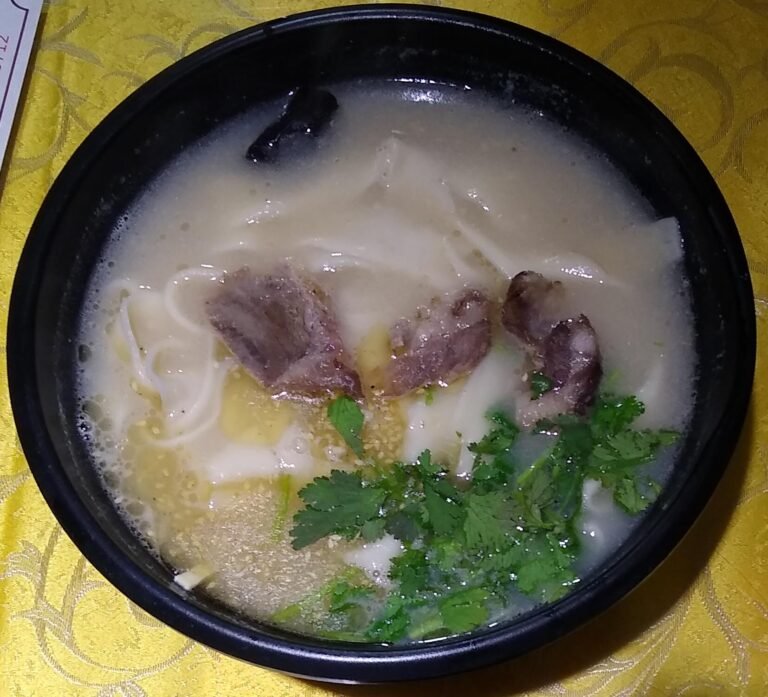
The cooking north of the palace is wheat-and-lamb country, so the defining dishes are the ones built on dough and a savoury bite. Zhajiangmian, zha jiang mian (炸酱面), is the everyday bowl: wheat noodles under a dark, pork-and-beanpaste sauce with shredded vegetables on top. Then there are the buns — steamed, filled with lamb or cabbage — and the dry-fried noodles and lamb skewers that appear at every corner after dark. None of it is subtle, and none of it pretends to be; this is food built to fuel a cold northern winter, salty and filling rather than delicate. The palace sits at the heart of this belt, so what you eat in the surrounding streets is the real Beijing, not the courtly reconstruction sold inside the gates.
Eating North of the Wall
Out of Shenwumen, turn north. Within ten minutes you are in the lanes where the palace’s support staff once lived, and where the food is unglamorous and excellent. The standout order for a group is a simple rice dish: a plate of fried rice done northern style — wok-charred, egg-forward, not the gentle southern version — plus sweet and sour pork for the visitor who wants a safe, tangy anchor. These are not “Forbidden City dishes”. They are the dishes of the city the palace built, and they taste better for it.
A Practical Map of the Meal
| Where you are | Eat this | Skip this |
|---|---|---|
| Just outside Shenwumen | Hutong baozi, scallion pancake, soy milk | The mall food court |
| Around Beihai Park | Grilled mutton, clear-broth hotpot | Themed “imperial” set menus |
| Wangfujing side lanes | Offal skewers, zhajiangmian | The tourist snack street’s novelties |
| Any hutong, 7am | Breakfast stand, eaten standing | Sitting down for “proper” breakfast |
Why is northern food sweeter than people expect?
Because the north has always had easier access to sugar than the rice-growing south, and northern cooks use it to round savoury dishes rather than only in desserts. The signature move is the ‘red-cooked’ style, where soy, wine and a spoon of sugar reduce into a glossy, sweet-savoury glaze on pork or aubergine — sweet against salt, never cloying. Beet and sorghum syrup from the northern plains made sugar cheap here long before cane reached every kitchen, so a faint sweetness became part of the regional baseline. You notice it most in braises and in the candied hawthorn and sweet buns sold as snacks. It is not the sugar-forward sweetness of a western pudding; it is a balancing note, and once you taste for it, the whole northern palate makes more sense.
The Northern Sweet Tooth
One thing the court kitchens did leave behind is a restrained dessert culture, because the north never developed the sugar-driven sweets of the south. What you find near the Forbidden City is the hutong sweet: lüdagun (glutinous rolls in soybean flour), ai wo wo (steamed millet cakes), and the humble bing (a wheat cake, sometimes filled, sometimes plain). None are rich. All are the kind of sweet you eat walking, not the kind you eat after a meal. The contrast with the south — where my piece on the north-south split notes the sugar-forward desserts — is the point: Beijing’s sweets are flour and restraint, not syrup and depth.
How to Eat the Hutongs Without the Tour
The mistake is to treat the lanes as a backdrop. The lanes are the restaurant. Pick a hutong north of the palace, walk until you see a room with more locals than maps, and sit. The menu will be short, the prices will be in characters, and the food will be the city’s actual lunch. Learn three phrases — “you mei you” (do you have), “bu la” (not spicy), “suan” (sour) — and you can order without a translation app. The imperial fantasy is behind the red wall; the real meal is in the alley, and it has been there longer.
A Half-Day Eating Loop
The efficient way to eat this district is a loop, not a list. Start at the north gate (Shenwumen) and walk north into the hutongs before the palace crowds spill out at noon. Breakfast at a stall — scallion pancake, soy milk, a baozi — then enter the palace mid-morning when the light is best and the lines are short. Exit the same gate four hours later, hungry, and walk five minutes to a hutong lunch: fried rice, hot and sour soup, a sweet and sour anchor for the cautious eater. Finish with a soybean-flour sweet from a cart. That loop costs less than a single “imperial” set menu and tastes like the city instead of a costume. The Forbidden City is the morning; the hutongs are the meal; do not let the gate separate them in your plan.
The Snack Streets South of the Palace
South of the Forbidden City, toward Qianmen and the old front gate, runs a stretch of snack stalls that is the heir to the imperial city’s street food without the Wangfujing markup. Here you find lüdagun rolled to order, doufu nao (tofu brain in a savoury gravy) eaten with a spoon standing up, and the peanut and sesame sweets that Beijingers buy by the bag. The quality is higher and the price lower because the customer is the neighbourhood, not the tour. Make this your second food stop of the day: palace in the morning, hutong lunch, Qianmen snack walk in the afternoon. Three meals, three versions of the city, none of them a costume.
What do Beijingers drink with hutong food?
Beer and baijiu share the table, but the everyday drink with hutong food is something softer. Warm soy milk pairs with the morning buns and pancakes; pots of jasmine or green tea sit on every restaurant table; and the evening skewer joints run on cheap local beer and the occasional shot of baijiu, the clear grain spirit that arrives in tiny cups. Sweetened sour plum drink is the summer refresher, sold iced from stalls and a perfect foil to lamb and chilli. You will not find much wine in the old lanes, and you do not need it — the food is built for beer and tea. Order a beer with skewers and a tea with noodles and you are drinking exactly like the regulars.
What to Drink in the Hutongs
The north drinks beer cold and baijiu warm, and the hutongs around the palace are no exception. The beer is a local pale lager, cheap and honest, and it is the right thing after a morning on your feet. Baijiu is the sorghum spirit that lubricates every northern gathering; at a hutong dinner a small glass will be pushed toward you, and one sip is the polite ceiling — anything more and you have been adopted. For the non-drinker, the hawthorn drink (suan mei tang) in summer and hot soybean milk in winter cover the bases. Tea is jasmine, served in a cracked cup, refilled without asking. None of it is precious, all of it is the city; the palace sold restraint, but the lanes sell relief, and after the gates you will want the second.
The One Dish to Remember
If you remember nothing else, remember the menzi — the door-nail beef pancake, a giant pan-fried disc of peppery meat that is the hutong’s answer to fast food and tastes like none you have had. It is named for the brass studs on the palace gates, which is the kind of detail that tells you the food and the wall were always one story. Order one to share, eat it with your hands while it is too hot, and you have eaten the punchline of the Forbidden City: the emperors locked themselves behind red walls, and the best bite is leaning on a hutong wall outside them. Everything else on this list is context; the menzi is the point.
The Bottom Line
The Forbidden City is a morning and a lesson; the food is in the lanes that fed it for six centuries. Eat the menzi, drink the jasmine, skip the gold-leaf menu, and walk out full in the way the emperors never let themselves be. The wall keeps the history; the hutongs keep the dinner.
Frequently Asked Questions
Is there food inside the Forbidden City? Almost none, and what exists is poor value. Eat before you enter or after you exit through the north gate.
What is worth ordering labelled “imperial”? Order one curiosity dish (wensi tofu is the safest bet) and the rest from the normal menu. The markup on “imperial” is the tax; the cooking is usually the same kitchen.
Where is the best hutong food near the palace? North and west, toward Jingshan and Beihai. Walk past the first restaurant on the main road; the rooms with regulars are the ones to trust.
Is the famous duck near here? The big roast-duck houses are a short taxi ride, not a walk. Worth it as a separate meal, not a post-palace snack.
The Short Version
The Forbidden City feeds your eyes and empties your stomach. Step out, turn into the hutongs, and eat the city that fed the court — wheat, broth, grilled mutton, and a pancake that costs less than the gate ticket. The emperors ate behind walls; you get to eat in the lanes.
Frequently Asked Questions
What is Chinese imperial food?
Our guide to Forbidden City Food Guide: Imperial to Hutong covers this directly: You can walk for three hours inside the Forbidden City and not pass a single chair you are allowed to sit in, let alone a bowl of anything. The sections above walk through the practical details.
Related reading
Imperial Chinese Cuisine: What the Emperors Actually Ate · Beijing Cuisine: From Imperial to Hutong