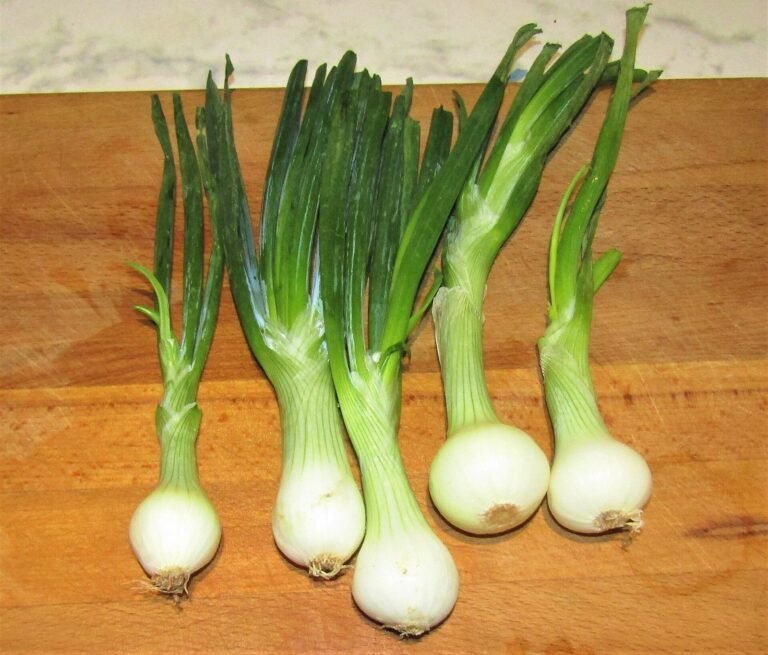
Scallion Pancakes (Cong You Bing) Recipe
Reviewed 31 October 2026 by the China Food Way editorial team
The pancake arrived on a sheet of greasy paper, folded in half, still too hot to hold, and the woman who sold it to me did so from a cart outside a Beijing subway station at seven in the morning. I took one bite standing up and understood the entire architecture of the thing at once: the outside was crisp and blistered, the inside was layered like folded fabric, and the layers tasted of scallion and something else — something richer than oil alone could account for. That something is the oil flake, the flour-and-fat paste that separates the layers, and learning to make it properly took me most of a year of weekend cooking. The pancake itself takes forty minutes. The oil flake is the dish.
Is a scallion pancake leavened like a Western pancake?
No — it is an unleavened wheat dough, with no baking powder, yeast or egg in the base.
The layers come from lamination, not from rise: a thin sheet is brushed with an oil-and-flour paste, rolled up, coiled, rested and flattened again, so steam pockets form between the sheets during frying. That is why the inside reads as folded fabric rather than a soft crumb. It is a northern Chinese street bread, what the Chinese call cong you bing (葱油饼), closer in spirit to an unleavened flatbread than to anything from a breakfast griddle. One honest caveat: the name misleads English speakers, because there is no batter and nothing sweet. If you are expecting a fluffy pancake, you will be confused by the chew; judge it instead against a layered, crisp flatbread fresh from the pan.
What Cong You Bing Is
葱油饼 (cong you bing) — scallion pancake, green onion pancake — is a northern Chinese street bread, unrelated to the wheat pancake tradition of the West despite the shared name. It is not a leavened bread; it is an unleavened dough, rolled thin, laminated with oil and scallions, coiled, rested and pan-fried. The result is crisp outside, chewy inside, and layered with pockets of scallion-scented steam. It belongs to the same northern pantry as the dumplings of my dumpling guide — wheat, scallion, soy, vinegar — and it shares the northern instinct for seasoning with acidity and salt rather than complexity.
The dish is old, and it is also a survivor: the same technique appears across the wheat-eating north, from Shanxi’s yougao crackers to the scallion pancakes of the northeast, with regional differences in dough hydration and frying fat. What follows is the Beijing-Shandong version I was taught, which is the one most Chinese restaurants abroad attempt and most get wrong.
The Dough
Two dough traditions exist, and the choice determines the texture. The hot-water dough (半烫面) — half the flour scalded with boiling water, half mixed with cold — produces a pancake that is softer and more tender, and it is the version I recommend for beginners because it is more forgiving to roll. The cold-water dough produces a chewier, more elastic pancake, closer to the street-cart original, but it demands patience in the rolling.
| Dough type | Flour | Water | Character | Difficulty |
|---|---|---|---|---|
| Hot-water (half-scalded) | 250g plain | 150ml: 75ml boiling + 75ml cold | Tender, less chewy, forgiving | Beginner-friendly |
| Cold-water | 250g plain | 150ml cold | Chewy, elastic, closer to the street version | Demands a rested dough |
Either way, the dough is mixed, kneaded for five minutes until smooth, and rested for at least thirty minutes — an hour is better. Resting is not optional: an unrested dough fights the rolling pin, and a dough that fights tears. During the rest, the gluten relaxes, and the rolling that follows becomes possible rather than a struggle.
What exactly is the oil flake, and why does the dish depend on it?
It is a paste of flour and hot fat — roughly equal parts — brushed between the dough layers to keep them separate.
Scalding a couple of tablespoons of flour with hot oil gives a thick, spreadable roux; as the pancake fries, that paste turns to steam and forces the layers apart, which is where the flaky interior and the pockets of scallion come from. Plain oil alone soaks into the dough and you get a dense, greasy disc. I season the flake with salt and a little five-spice, and let it cool to a soft, butter-like consistency before spreading, or it runs out of the coil. The honest caveat: too thin a flake vanishes and the layers weld together, too thick and the pancake tastes of raw flour. About two tablespoons per pancake is the mark.
The Oil Flake
This is the technique the dish is built on. 油酥 (you su) — the oil flake — is a paste of flour, fat and seasonings that is spread on the rolled dough before it is coiled. In the pan, the flake fries against the dough surfaces and separates them into layers, while its seasoning — scallion, salt, and often a little five-spice — permeates the whole pancake. A scallion pancake without a proper oil flake is a flatbread with scallions on it; with one, it is a layered bread with scallions inside it.
| Component | Amount | Role |
|---|---|---|
| Plain flour | 30g | The body of the paste |
| Hot oil (smoking, then cooled slightly) | 45ml | Cooks the flour into a paste; the frying medium |
| Salt | ½ tsp | Seasons every layer, not just the surface |
| Five-spice powder | ¼ tsp | Optional but traditional; the warmth note |
| Chopped scallion (white and green) | 4 tbsp | The namesake; goes in with the flake |
Make the flake by pouring the hot oil onto the flour in a thin stream, stirring constantly, until you have a loose, pourable paste the consistency of thick cream. The scallion goes into the paste rather than onto the dough directly — mixed this way, it cannot burn or fall out, and it distributes through every layer. A spoon of the fermented warmth from my five spice powder guide is the traditional seasoning here, used sparingly; the pancake should taste of scallion first and spice not at all.

Rolling, Coiling and Resting
Divide the rested dough into four portions. On a floured surface, roll one portion into a thin rectangle — as thin as you can manage without tearing, roughly 2mm. Spread a quarter of the oil flake evenly, leaving a small margin at the edges. Then roll the rectangle up from the long side into a tight cylinder, stretch it gently to lengthen it, and coil it into a spiral, tucking the end underneath. Rest the coil, seam down, for ten minutes while you shape the others.
Two details decide the outcome. First, the margins: if the flake reaches the edge of the dough, it escapes during the coiling and the layers seal shut instead of separating. Second, the rest after shaping: a coiled pancake that goes straight into the pan tightens as it fries and cooks dense at the centre. Ten minutes of rest lets it relax, and the rolling that follows — flattening the coil into a disc about 1cm thick — becomes easy rather than a fight.
Should the oil go in before or after the pancake hits the pan?
After — let the dough meet the hot, nearly dry pan first, then add the oil around the edge once the underside has set.
These are shallow-fried, not deep-fried: a scant tablespoon over a medium to medium-high heat, about 180 °C, is enough to blister the surface without the layers swimming in fat. Give the first side two to three minutes until it is spotty brown, flip, then pour the oil so it runs underneath and press gently with a spatula. Rotate the pancake a quarter turn once for even colour. The honest caveat is patience: a cool, timid pan steams the dough rather than setting it, so wait for the first faint wisp of smoke before the pancake goes in, and never crowd two into one pan.
Pan-Frying
Use a heavy pan — cast iron is ideal — over medium heat with a generous layer of oil, two to three millimetres deep. Lay the pancake in and fry for three to four minutes on the first side, until the underside is deep gold and blistered, then flip and fry the second side. The temptation is to turn the heat up for speed; resist it. A pancake fried too hot chars outside while staying raw in the middle, because the layers need time for the heat to travel through and set the interior.
The finishing move, which separates a good pancake from a restaurant one, is a last-minute press: with two spatulas, gently squeeze the pancake towards the centre as it fries, which loosens the layers and encourages them to separate. Done at the right moment — when the pancake is nearly cooked but not yet crisp — it transforms the texture from a single laminated slab into distinct, flaky sheets.
The Dipping Sauce
A scallion pancake is seasoned but not strongly, and its traditional partner is a dipping sauce of black vinegar, light soy sauce and a little chilli oil. The vinegar is the point: the pancake is rich with fried oil, and the acidity cuts it, in the same way the sharp finish of my black vinegar guide balances richness elsewhere. One part Zhenjiang vinegar, half a part soy, chilli oil to taste, and a pinch of sugar if the vinegar is severe. The northern tradition of eating a wheat food with vinegar dips is the subject of my overview of the great cuisines, and the pancake is its purest example.
Variations
With egg. A beaten egg poured onto the pancake during the final minute of frying, flipped and cooked through, gives a richer version sold at breakfast stalls. The egg goes between pancake and pan or on top, depending on the region; both work.
With minced meat. A layer of seasoned pork mince spread with the oil flake produces a heartier pancake, closer to a meal than a snack. This is the version that became the “meat scallion pancake” of northeastern kitchens.
Taiwanese fried pancake. The thicker, doughier descendant popular in Taiwan, China and its diaspora — pan-fried thick, then sometimes finished in the oven. It is a different dish wearing the same family name, and worth trying once.
Why do my layers stick together instead of separating?
Usually because the oil flake was too thin, or the coiled dough was not rested before its second roll.
The flake is the only thing keeping the sheets apart; spread it too sparingly, or let it soak in while the dough sits, and the layers fuse into one dense disc. Rest the coiled round for at least fifteen to twenty minutes under a cloth before rolling it out again — that relaxes the gluten so the coil flattens without springing back and squeezing the paste out. Roll from the centre outwards with even pressure, not back and forth over the edges, which seals them shut. One honest caveat: even a well-made pancake will look solid before it hits the pan; the layers only declare themselves as steam forces them open during frying, so do not judge the coil by eye alone.
What Goes Wrong
The layers are sealed — the flake reached the edges, or the pancake was fried too cold and the layers steamed together instead of frying apart. The dough is tough — it was not rested, or it was rolled too thick, or the flour was too high in protein; use plain flour, not bread flour. The scallions burn — they were sprinkled on the surface rather than mixed into the flake, or the heat was too high. The pancake is greasy — the oil flake was too loose, or the pan was not hot enough when the pancake went in, so it absorbed oil instead of frying. And the interior is raw — the pancake was too thick or the heat too high; medium heat, patience, and a disc no thicker than a centimetre.
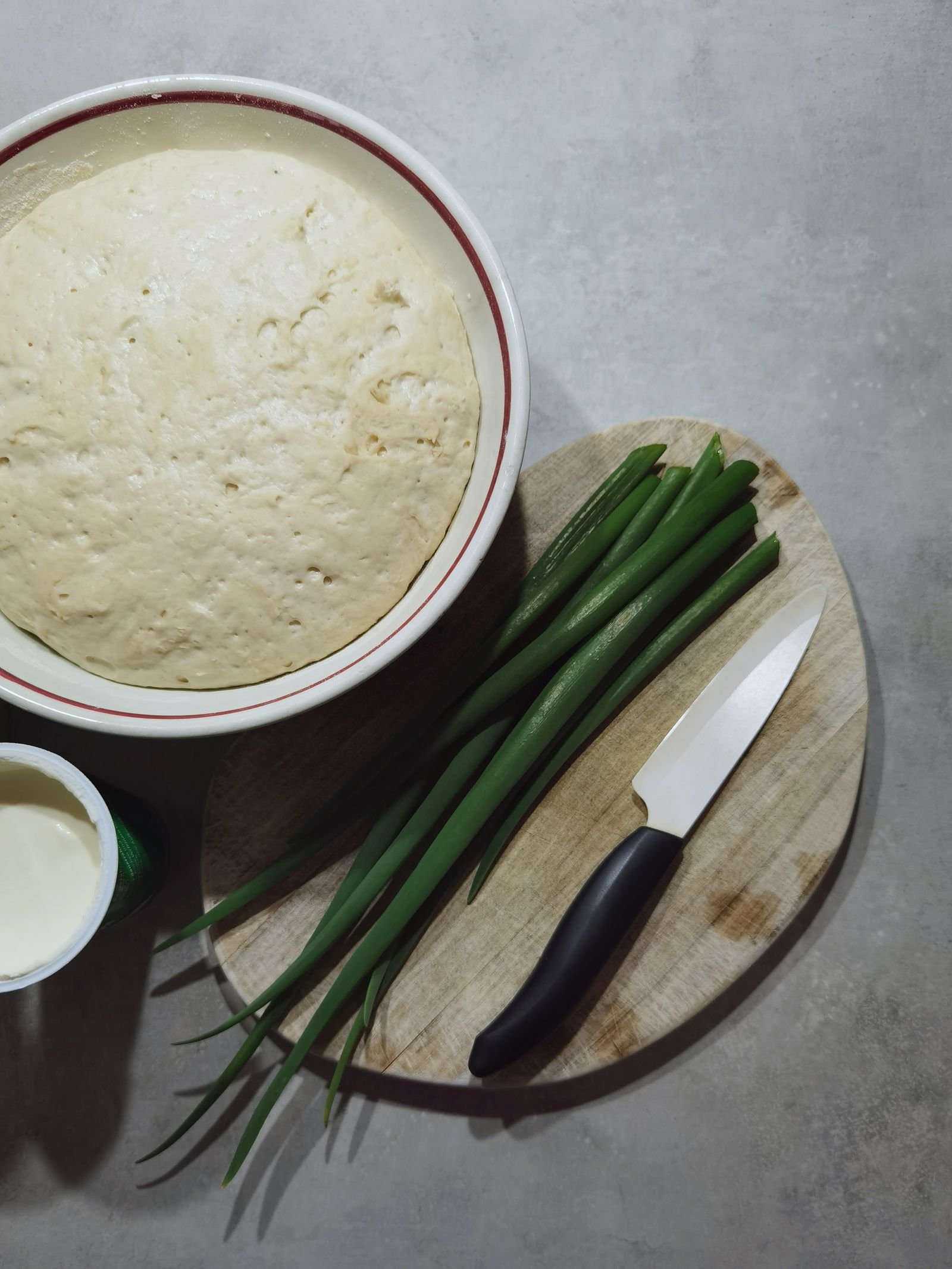
The last failure is the most instructive. A scallion pancake is a dish of contradictions — crisp and chewy, rich and sharpened by vinegar, simple in ingredients and unforgiving in technique. It rewards the cook who works slowly through the resting and coiling, and punishes the one who hurries to the pan. Make it once on a Sunday, with the radio on, and understand that the forty minutes of folding are not preparation for the cooking. They are the cooking.
Frequently Asked Questions
Can I make the dough ahead?
The dough and the shaped coils both keep overnight, refrigerated. Bring the coils to room temperature before the final flattening, or the cold dough tightens in the pan and cooks unevenly.
Why is my pancake not crisp?
Three usual causes: not enough oil in the pan (it should be shallow-fried, not dry-fried), the heat was too low, or the pancake was rolled too thick. All three fixable; the oil depth is the most common.
Which flour should I use?
Plain (all-purpose) flour, medium protein. Bread flour makes a tough pancake; cake flour makes a crumbly one. The protein level of plain flour is what gives the chew.
Can I freeze them?
Yes — after the final flattening, separated by parchment. Fry from frozen, adding two minutes to the cooking time. They lose a little crispness but remain good.
What else goes with them?
A bowl of congee or a simple soup makes a meal, and the pancake is the traditional companion to a bowl of 豆浆 (soy milk) at a Beijing breakfast stall. For a fuller table, the stir-fry discipline of my kung pao chicken recipe pairs naturally with it. Questions about technique are welcome via my contact page.