Black Bean Sauce: The Salty-Savoury Condiment Behind Cantonese Stir-Fries
Updated 31 October 2026 · reviewed by the China Food Way editorial team
The thing that confused me about black bean sauce for the longest time was that nobody in a Chinese kitchen calls it by the name on the jar. I grew up thinking it was a single brown liquid, the thing that arrived glossy over beef at the local Cantonese takeaway. Then I watched a cook in Guangzhou crush a small handful of shrivelled black beans in the palm of his hand, drop them into hot oil with garlic, and produce that exact flavour from scratch. The “sauce” was never one product. It was a bean, a process, and a habit.
If you have ever bought a jar labelled “black bean sauce,” tasted it cold, and wondered why it does not taste like the takeaway, you have met the same confusion. The jar is a blended shortcut; the takeaway started from the whole fermented bean. Both are legitimate, and knowing which is which is the whole game.
What does black bean sauce taste like compared with soy sauce?
Black bean sauce tastes saltier, funkier, and less sweet than soy sauce, with a fermented depth soy cannot match. I describe it as soy sauce’s earthier cousin: where light soy is a clean salt hit, black bean sauce brings a mushroomy, almost blue-cheese savoury note from the aged douchi (豆豉) beans. A spoonful in a stir-fry gives a round, mellow saltiness rather than the sharp tang of oyster or soy. The catch is balance — it is stronger than it looks, and a heavy hand turns a dish muddy. I use it where I want savoury weight without sugar, and reach for soy when I only need seasoning and colour.
What Black Bean Sauce Actually Is
The base is douchi (豆豉), fermented, salted and dried black soybeans — the same ingredient written about in Wikipedia’s entry on douchi as one of the oldest processed soy products in the Chinese kitchen. Yellow soybeans are inoculated with mould, fermented until their proteins break down into amino acids, then salted and dried. The result is a small, hard, matt-black bean that smells, up close, of blue cheese, mushrooms and soy sauce at once.
Black bean sauce is what happens when those beans are turned into something spreadable. A homemade version is simply the beans, crushed, fried with garlic, a little ginger, perhaps chilli, sugar and oil, and sometimes a splash of the wider Chinese condiments range like soy or oyster sauce to round it out. A bought jar is the same idea, blended smooth and stabilised so it pours. The whole bean and the sauce are the same lineage — one is the ancestor, the other the convenience.

Can I swap whole fermented beans for the ready-made sauce?
You can swap whole fermented beans for the sauce, but expect to crush and fry them first, because the whole beans are hard and unyielding straight from the packet. I use a 1:1 ratio by volume — a tablespoon of chopped beans stands in for a tablespoon of sauce — then bloom them in hot oil with garlic so the flavour releases. The sauce is simply the beans already blended and softened, so the taste is close, though the texture differs: whole beans give you pockets of intense savoury bursts, the sauce gives an even coat. Add a splash of water if the pan looks dry.
Whole Beans vs the Sauce
This is the distinction that decides how you cook, so it is worth a table.
| Whole douchi (豆豉) | Black bean sauce (jar) | |
|---|---|---|
| Form | Dry, hard, whole beans | Thick, dark, spreadable paste |
| Flavour raw | Very salty, funky, intense | Salty, savoury, milder |
| Prep needed | Rinse, chop or crush | None — spoon straight in |
| Best for | Steamed dishes, braises | Quick stir-fries, glazes |
| Control | You build the seasoning | Fixed salt level |
| Keeps | Years in the cupboard | Months once opened, in fridge |
The takeaway lesson: if you start from whole beans, you control the salt and the texture; if you start from the jar, you trade that control for speed. Neither is wrong, but they are not interchangeable measure-for-measure, because the jar carries added sugar and often cornflour that the whole bean does not.
The Garlic-and-Chilli Version That Runs the Takeaway
Most Cantonese restaurants do not use plain black bean sauce. They use a wet paste of crushed douchi, plenty of garlic, ginger, and often a little fermented chilli or black bean with chilli (南乳 may appear too). That garlic-forward profile is why “beef in black bean sauce” tastes more of garlic than of bean. When I make it at home I use roughly two parts crushed bean to three parts finely chopped garlic, a teaspoon of sugar, and just enough oil to bind it into a paste before it goes anywhere near the wok.
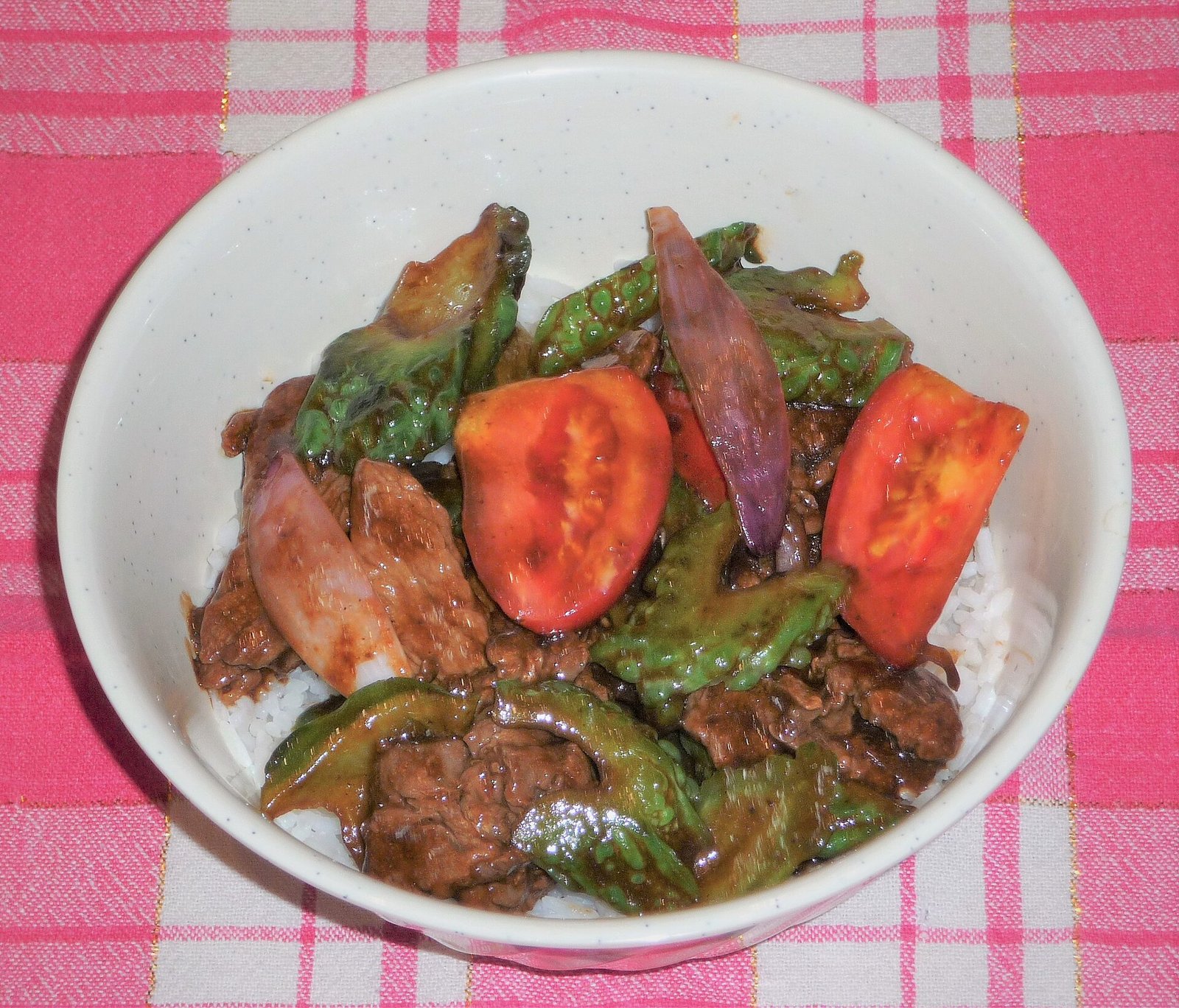
The classic pairings are telling. Beef and black bean, squid and black bean, aubergine and black bean, spare ribs and black bean — all of them proteins or vegetables that benefit from a savoury, slightly funky bass note rather than a bright one. It is a background condiment, never the headline.
How to Make It From the Whole Beans
The single most common mistake is tipping whole douchi into a dish and expecting it to dissolve. It will not. The beans are dense, and a whole bean stays a salty pebble in the finished food.
- Rinse briefly under cold water if the pack is very salty — ten seconds is enough; you are removing surface salt, not washing away the flavour.
- Crush, do not chop. Press the beans with the flat of a knife or the back of a spoon until they break into a coarse paste. Crushing releases the aroma; chopping leaves them sitting in whole pieces.
- Fry in oil first. Add the crushed bean to the hot oil with the garlic before the meat. Thirty seconds of frying takes the raw edge off and blooms the savoury compounds into the fat.
- Season after. Because the bean is salty, hold back on the light soy sauce until you have tasted.
A whole steamed fish dressed with crushed black bean, garlic and a little oil is the cleanest demonstration: the bean seasons the flesh, the garlic perfumes it, and the sauce stays in the background where it belongs.
How do I read a black bean sauce label to avoid a sweetened dud?
Read the ingredient order and avoid any jar where sugar or corn syrup sits near the top, because that marks a sweetened takeaway-style blend rather than a cook’s sauce. I look for a short list led by fermented black beans, soy, garlic, and oil, with no added starch sludge. A good jar is dense and dark, not glossy and pourable like a dipping sauce. The honest tell is price and origin: a small Chinese-grocer brand with the beans named in the first three ingredients beats a supermarket ‘stir-fry sauce’ that is mostly sugar and thickener. Buy the plain version and add your own chilli.
How to Choose a Jar
Stand in the Asian supermarket and you will see three things: whole douchi in vacuum packs, “black bean sauce” in a jar, and “black bean with garlic sauce” in a jar. The choice is about effort, not quality.
- For steaming and braising, buy the whole beans. They keep for years, cost pennies, and give you control. Soak a few in warm water for five minutes if they are very dry.
- For quick weekday stir-fries, buy the garlic-black-bean sauce. Check the ingredient list: beans and garlic first, not sugar and modified starch first.
- Avoid anything labelled “black bean” that is actually a sweet brown pouring sauce aimed at the Western aisle — it is usually closer to a thin barbecue sauce and will not taste right.
- Match the region. Cantonese cooking reaches for the plain garlic version; if a recipe calls for a red-fermented note, that is a different ferment entirely.
How to Store It
Whole douchi is a preserved food and wants a cool, dry cupboard. A vacuum pack, once opened, keeps for many months in the fridge; I have used a pack a year after opening and it was fine, though the aroma fades. The jarred sauce, being blended with oil and sugar, should go in the fridge after opening and will hold for three to four months. If you see mould on the surface of a jar, that is the sugar and moisture at work — discard it. A film of oil on top of a jar is normal and protective; do not stir it away before use.
How to Substitute
You run out, or you only have the wrong form. The swaps are workable.
Whole beans → jarred sauce: use about one and a half times the volume, since the jar is milder, and cut the added salt in the recipe.
Jarred sauce → whole beans: the reverse, but you must crush and fry them; do not expect a spoon of whole beans to behave like a spoon of sauce.
No black bean at all: a mix of oyster sauce, a little miso, and a pinch of salt gets surprisingly close to the savoury depth, though you lose the funk. Fermented black bean is hard to fake entirely, but this keeps a dish from collapsing.
| Substitute | Closest to | Ratio | What you lose |
|---|---|---|---|
| Jarred sauce for whole beans | Whole douchi | 1.5× volume, less salt | Some texture, control |
| Miso + oyster sauce + salt | The savoury base | 1 tbsp miso, 1 tsp oyster | The fermented funk |
| Doubanjiang (in a pinch) | A different ferment | ½ the amount | Wrong flavour family |
| Soy sauce alone | Nothing much | — | All the character |
Which dishes should I reach for black bean sauce before anything else?
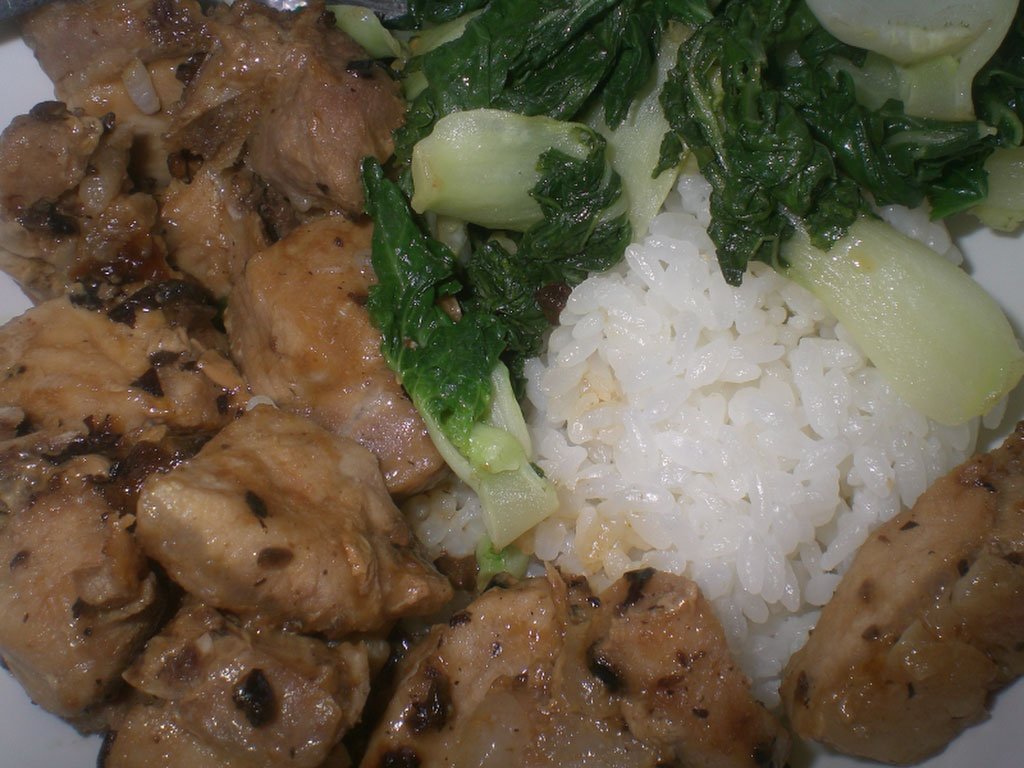
Reach for black bean sauce first with beef, aubergine, and green peppers, because its savoury funk lifts exactly those mild, watery vegetables and meats. I keep a jar next to the soy and oyster sauce and use it the moment a stir-fry needs depth without sweetness — sliced beef with peppers is the classic, and aubergine braised in it soaks up the salt like a sponge. The dishes it does not suit are delicate ones: a clear steamed fish or a light egg dish gets muddied. My rule is dark and sturdy ingredients in, pale and subtle out. A teaspoon also wakes up a dull noodle sauce.
Where It Sits in the Kitchen
Black bean sauce belongs to Cantonese cuisine more than any other regional tradition, where steaming and quick frying let its savoury note show without competition. It is not a dipping sauce and not a braising liquid on its own; it is a seasoning for the protein, the thing that makes beef taste of more beef. Once you stop treating the jar as a finished sauce and start treating the bean as a raw material, the takeaway flavour stops being a mystery and becomes a technique you control.
Frequently Asked Questions
Is black bean sauce the same as black bean paste?
They are close but not identical. “Sauce” usually means a smoother, sometimes garlic-and-sugar blend in a jar; “paste” can mean the same thing or a thicker house version. Both start from douchi, and both are used the same way in the wok.
Do I need to rinse the whole beans?
Only if the pack is aggressively salty, which many are. A ten-second rinse removes surface salt without washing away the flavour. If your beans are vacuum-packed and mild, you can skip it.
Can I eat black bean sauce on its own?
Not really. It is intensely salty and meant as a seasoning, not a condiment you spoon onto rice. A little stirred into rice is edible, but it is built to cook with, not to finish a dish.
Is it gluten-free?
The beans themselves are, but many jarred versions include wheat-derived thickeners or soy sauce, and cross-contamination in shared lines is common. Check the label if it matters.
Why does my homemade version taste bitter?
Almost always because the beans were added whole and never fried, or because they burnt in a too-hot wok before the garlic went in. Crush them, fry gently in oil, and keep the heat moderate for the first thirty seconds.
Can I freeze the sauce?
The jarred sauce freezes poorly — the oil separates and the texture turns grainy. The whole beans freeze perfectly, so buy those in bulk and make small batches of sauce as you need them.