Chinese Plum Sauce: Sweet, Sour and the Only Dip for Deep-Fried Things
Last updated 31 October 2026 · checked by the China Food Way editorial team
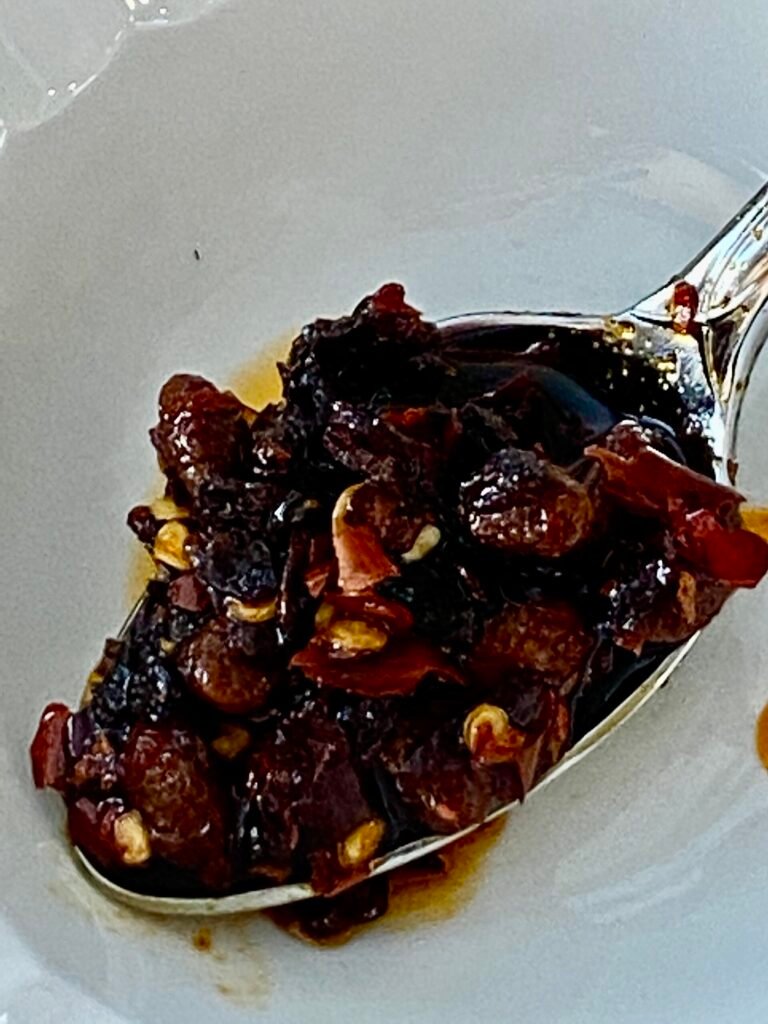
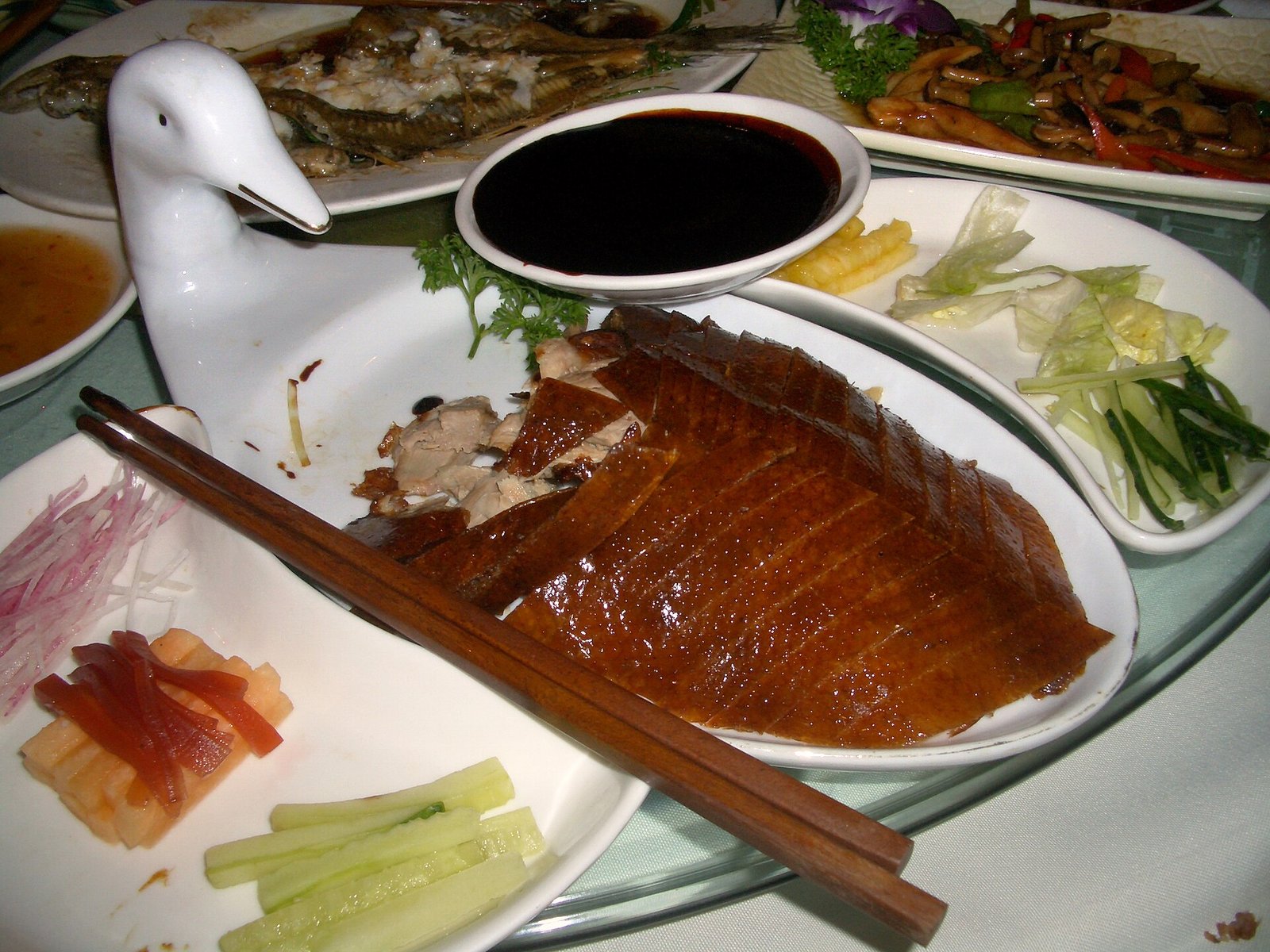
The first “plum sauce” I ever tasted came in a flat orange packet, the kind every American Chinese takeaway folds into the bag with the prawn crackers. It was sweet, faintly artificial, and orange in a way no plum I knew had ever been. I assumed that was the sauce, and I spent years putting it on egg rolls without complaint. Then, in a Hong Kong restaurant, a waiter set down a plate of roast duck with a small dish of 酸梅酱 — sour plum sauce — the colour of muted amber, tangy enough to make my mouth water, sweet only at the edges. That was the real thing, and the orange packet had never been anywhere near a plum.
That gap between the packet and the proper sauce is the whole story of Chinese plum sauce. It is not one product, and most of what is sold as “duck sauce” in the West is a different, simpler thing entirely.
What Chinese Plum Sauce Actually Is
Real Chinese plum sauce — most often called 酸梅酱 (suān méi jiàng), “sour plum paste” — starts from salted plums, not fresh ones. Plums are cured in salt and sometimes liquor until they turn soft, sour and deeply savoury, then cooked down with sugar, vinegar and sometimes ginger into a thick, pourable sauce. The salt-curing is what gives the sauce its savoury backbone; without it you just have sweetened fruit. As Wikipedia’s entry on the plum notes, the fruit’s high pectin and acid are exactly why it cooks down into a preserve so well, and Chinese cooks have used that for centuries.
The result is sweet-sour rather than sweet, with a saline depth that the orange takeaway packet lacks. Good plum sauce should make you salivate, not wince at the sugar. It is a dipping sauce first — for fried and roasted things — not a cooking sauce you reduce in a wok.
Plum Sauce vs “Duck Sauce”
This is the confusion worth clearing up before you buy.
| Chinese plum sauce (酸梅酱) | American “duck sauce” | |
|---|---|---|
| Base | Salted, fermented plums | Apricots, peaches or plums, heavily sweetened |
| Colour | Amber to brown | Bright orange |
| Taste | Sweet-sour, savoury, tangy | Mostly sweet, one-note |
| Salt-cured? | Yes, that is the point | No |
| Used for | Dip for duck, wontons, char siu | Dip for egg rolls, packets |
| Found where | Chinese supermarket, jars | Takeaway bag, supermarkets |
The “duck sauce” name is a Western invention — the sauce was served with roast duck and the name stuck, even though the contents drifted toward apricot jam. If you want the real thing, read the label for 酸梅酱 or “sour plum,” and ignore anything the colour of a traffic cone.
What makes the salted-plum version different from the basic sauce?
The salted-plum version is the original and sharper form of the sauce, built on plums cured in salt and liquor until soft and savoury, then cooked down with sugar and vinegar into the amber suan mei jiang (酸梅酱) that arrives beside roast duck. It is more tart and saline than the sweeter, simpler bottled sauce most supermarkets sell, and the sour edge is the point. One honest caveat: the osmanthus version folds in dried osmanthus for a floral lift, which sounds odd but works beautifully with fatty roast meats — yet it is an accent, not a flavour swap, so don’t expect a flower perfume to dominate. Choose the salted-plum style when you want the dip to cut grease rather than flatter it.
The Salted Plum and Osmanthus Versions
Within Chinese plum sauce there are two worth knowing. The standard 酸梅酱 is the all-purpose dipping version. A more fragrant variant folds in a few osmanthus flowers (桂花, guì huā), the tiny golden blossom that scents so many Hangzhou sweets; the flowers add a musky, apricot-like perfume that lifts the sauce from “nice” to something you keep dunking for. I once made the mistake of using far too many osmanthus, and the sauce tasted like perfume — a teaspoon of the dried flowers to a cup of plum is plenty.
There is also a looser, more liquid “sour plum drink” (酸梅汤, suān méi tāng) made from the same salted plums, but that is a cold beverage, not a sauce, and should not be confused with the thick dipping paste.
Making plum sauce from fresh plums in season is worth doing once, if only to understand why the salted version is better. I tried it one August with a kilo of ripe plums, sugar, vinegar and ginger, cooked down to a thick paste. It was pleasant — sweet, fruity, unmistakably plum — but it lacked the savoury, almost meaty depth of the salt-cured 酸梅酱, because fresh fruit carries none of the fermented salt tang. The fix is to add a spoon of the brine from a jar of salted plums, or a pinch of salt and a dried plum or two, which pulls the flavour back toward the real thing. Even then, the fresh version is a different condiment: brighter, more obviously fruity, better with spring rolls than with duck. The lesson stuck with me — the sauce’s character comes from the cure, not the fruit.
How do I read a label to find real plum sauce?
Read the label for ‘salted plum’ or ‘suan mei’ near the top of the ingredient list, and you have the real thing; if the first items are sugar, water and apricot or ‘duck sauce’, it is the pale imitation. A short ingredient list with plums, salt, sugar and vinegar is the mark of a proper jar. One clear do-this-not-that: skip the bright orange packets folded into takeaway bags, which are corn-syrup sweets pretending to be sauce, and buy a glass jar from a Chinese grocer instead. Check the colour too — proper sauce is muted amber, not neon orange. A good jar costs a few pounds and lasts months, so it is worth choosing well rather than grabbing the cheapest orange label on the shelf.
How to Choose a Jar
Buying plum sauce is mostly about avoiding the orange impostor.
- Shop in the Chinese section, not the “international” aisle. Look for 酸梅酱 on the label, or a brand you recognise from a Cantonese grocery.
- Read the ingredient order. Plums or salted plums should be near the top; if it leads with high-fructose syrup and red food colouring, that is duck sauce, not plum sauce.
- Check the colour. Amber to deep brown is right. Bright orange is wrong.
- Decide on texture. A thicker paste clings to duck skin; a runnier one is better for wontons you want to flood.
- For cooking — say, glazing char siu — a plain plum sauce beats a floral one, because the osmanthus can turn bitter under heat.
Does plum sauce need the fridge once opened?
Yes, plum sauce needs the fridge once opened, because the sugar and fruit content invite mould if left in a warm cupboard, and a sealed jar in the door keeps it good for three to four months. Before opening, a cool shelf is fine for a year or more. One learned-the-hard-way rule: always use a clean, dry spoon, because a greasy or wet one introduces mould spores that spoil the jar within weeks — the classic way a good batch goes bad. If you see a film on top or a fizzy smell, bin it; the sauce should stay thick and tangy. A small jar is better than a large one unless you use it weekly, since slower use means more time for spoilage.
How to Store It
Plum sauce is high in sugar and acid, which makes it stubbornly stable. An unopened jar sits happily in a cupboard for a year or more. Once opened, it belongs in the fridge, where it keeps for at least six months — I have used a jar closer to a year without it coming to any harm, though the colour darkens and the aroma fades gently over time. Unlike a fresh chutney, it will not mould quickly, but a fermented film or off smell means it has finally turned. A jar with a layer of oil on top is normal for some brands and harmless; stir it in.
How to Substitute
You run out, or you only have the orange packet. The swaps depend on what you need the sauce to do.
For dipping fried things: a mix of apricot jam, rice vinegar and a pinch of salt gets surprisingly close to the sweet-sour profile, though you lose the savoury depth. Add a drop of soy for that.
For roast duck: hoisin is the common alternative, but it is thicker and less tangy; loosen it with a little rice vinegar and you have a credible stand-in.
For char siu glaze: hoisin plus a spoon of plum-free apricot works; the sugar and the tang do the job.
Nothing at all: a quick pickle of sliced cucumber with rice vinegar makes a different but equally good counterpoint to fried food, if you would rather not fake the sauce.
| Substitute | Best for | Ratio | What you lose |
|---|---|---|---|
| Apricot jam + rice vinegar + salt | Dipping wontons | 2 tbsp jam, 1 tsp vinegar, pinch salt | Savoury depth |
| Hoisin + rice vinegar | Roast duck | 1 tbsp hoisin, ½ tsp vinegar | Tang |
| Hoisin + apricot | Char siu glaze | 1:1, thin with water | Floral note |
| Cucumber pickle | Fried food | Side, not swap | The plum flavour |
What foods beyond duck pair well with plum sauce?
Beyond roast duck, plum sauce pairs best with anything fried or fatty that needs a sweet-sour cut: spring rolls, wontons, spare ribs, glazed pork and even a cheese-free savoury pastry. The sauce’s job is to slice through grease, so it suits crisp, rich foods far more than delicate steamed ones. One honest caveat: it is a dipping and glazing sauce, not a wok sauce you reduce into a stir-fry, because its sugar scorches and the balance collapses over high heat. Use it as a finishing dip or brush it on near the end of a roast. A small dish beside the plate is the traditional spot; let people add their own, since the tang is strong and personal taste varies widely.
Where It Belongs on the Table
Plum sauce is a Cantonese kitchen staple, the bright counterpoint to rich, fried and roasted foods — alongside oyster sauce, it forms the backbone of the Cantonese dipping and glazing shelf. Its home is the dipping saucer: next to a Peking duck, under a stack of fried wontons, alongside char siu. It is not a stir-fry sauce and not a braising liquid — try to cook with it and the sugar scorches before the flavour develops. The discipline is to keep it as a finish, the last sweet-sour note on the tongue after the fat of the duck or the crunch of the wonton.
If you already keep hoisin sauce and sweet chilli sauce, plum sauce completes the trio of Chinese dipping sauces — thick and savoury, hot and sweet, and sweet-sour respectively. Between the three, almost nothing fried leaves the table undipped.
Frequently Asked Questions
Is plum sauce the same as duck sauce?
No. Chinese plum sauce (酸梅酱) is made from salted plums and is amber and tangy. “Duck sauce” in the West is usually a sweet, orange apricot-based condiment that borrowed the name from being served with duck. They are different products.
Is plum sauce very sweet?
Properly made, no — it is sweet-sour, with the sour leading. The very sweet versions are the Western “duck sauce” style. If a jar tastes like jam, it is the wrong one for duck.
Can I make it from fresh plums?
You can, but you lose the savoury character unless you salt-cure the plums first or add a little salt and a splash of the brine from fermented plums. Fresh-plum versions taste more like a fruit compote than the restaurant sauce.
Does it contain gluten?
Usually not, but check the label — some brands use wheat-derived vinegar or thickeners. The plums and sugar themselves are gluten-free.
Can I use it as a marinade?
Not really. The high sugar scorches in a hot wok or under a grill, so it works as a glaze only in the last minutes, and even then hoisin is the better choice for that job.
How long does an opened jar last?
In the fridge, six months easily, often a year. The sugar and acid preserve it; just watch for mould or an off smell, which are rare but final.