Kunming Food Guide: Yunnan’s Wild Flavours
Last reviewed 31 October 2026 · China Food Way editorial team
There is a bowl of noodles in Kunming that tourists queue for and locals walk past, and understanding why is the fastest way into this city’s food. The proper version arrives in two halves: a scalding bowl of clear, peppery broth that smells of raw chicken and peppercorn, and a separate wooden tray carrying a tangle of rice noodles, sliced mutton, thin sheets of pork, chicken, vegetables and a small dish of cooked fish. You tip the tray into the bowl, and the broth cooks everything in about four minutes while you sit and watch it. It costs twenty-five to forty yuan. Skip the broth and you are eating the wrong dish entirely, and the shop will let you, which tells you how little the tourist version is policed.
That bowl is 过桥米线 (guo qiao mi xian), and the name means crossing-the-bridge noodles, because the story goes that a woman carried her husband’s lunch across a river bridge each day and the broth was so hot it stayed warm on the way. The story is almost certainly decorative. What is true is that this is Yunnan food at its most characteristic: a broth built on nothing but heat, chicken and a great deal of numbing peppercorn, with everything else sliced thin enough to cook in it.
What makes the small-pot noodles different from the famous bowl?
They are cooked to order in a fist-sized pot, one portion at a time, so they taste fresher for a little more. The cook ladles seasoned broth into the little pot, adds chilli oil, garlic and vinegar, drops in minced pork and whatever topping you point at, then the noodles, and serves it in about three minutes. The honest advantage is control: you watch every ingredient go in, and the broth is built hot and peppery, not a tourist’s lukewarm tray. These counters open early and shut when the pots run dry, usually around two in the afternoon, and most have no seating at all — you eat standing or walk. A portion runs 8 to 15 yuan. Order by pointing at the glass-fronted trays of cooked toppings; the woman behind the pot will nod and build it. Skip the famous bowl and find a small-pot counter instead.
The Small Pot, and Where the City Actually Eats
Underneath the famous bowl there is a quieter, cheaper food that tells you more about daily Kunming: the small-pot rice noodles, xiao guo, cooked to order one order at a time. Each portion is cooked individually in a metal pot the size of a fist, with a ladle of seasoned broth, a squeeze of chilli oil, garlic, vinegar and a small portion of minced pork, plus whatever the customer points at. It takes about three minutes, it costs eight to fifteen yuan, and the shop usually has no seating at all.
These counters open early and shut when the pots run dry, usually somewhere around two in the afternoon. The ordering is a pointing exercise: trays of cooked toppings under a glass front, including slices of braised pork, pickled cabbage, beef, chicken, and a hard boiled egg marinated in soy and tea. You point, the cook ladles, you eat standing up. If you want the broth softened with tofu, the word you need is douhua, and it turns up as a soft white pudding in a dozen small bowls on the counter.
Where do Kunming’s market mushrooms actually come from?
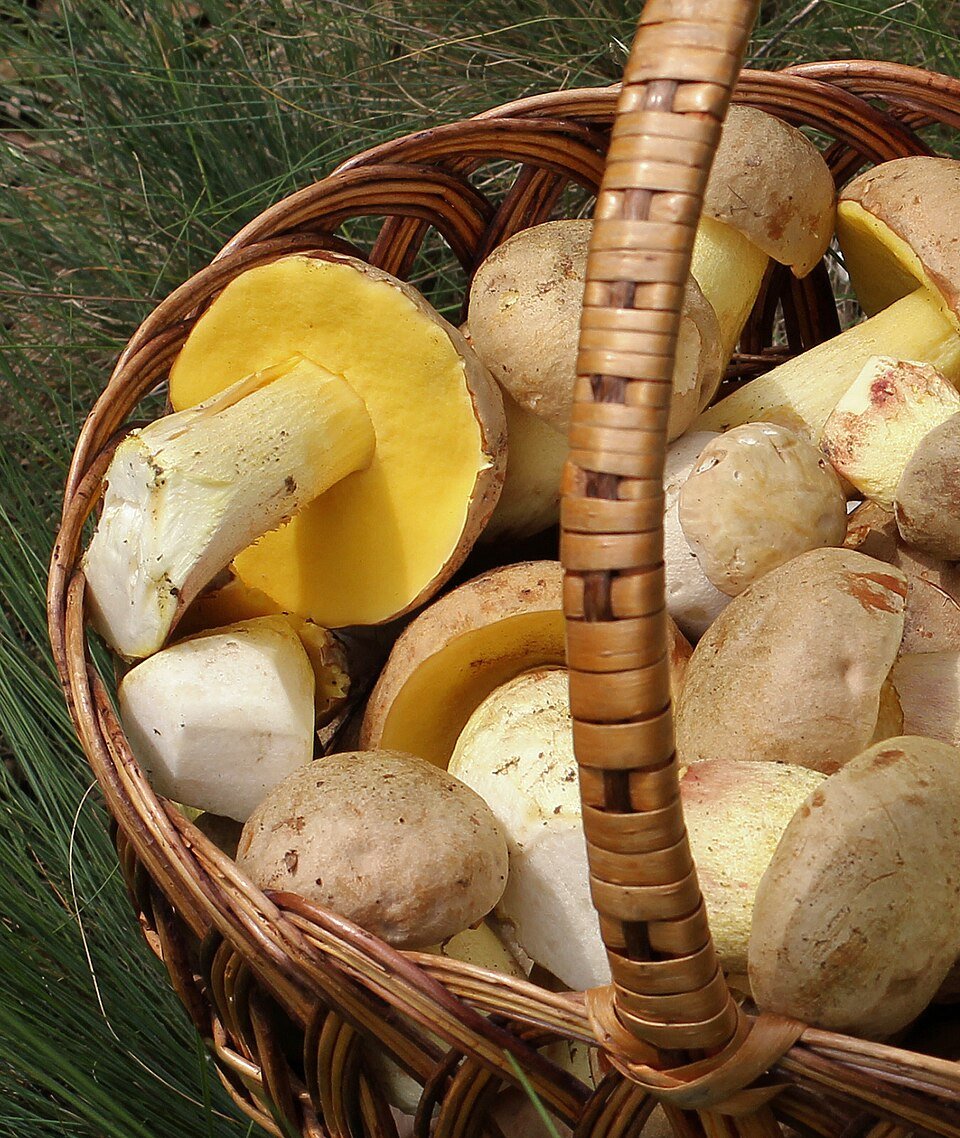
Most come from the pine forests around Songming and the upland counties to the north, where the summer rains pull a wild crop that the city’s markets sell within a day of picking. The real harvesting happens across the Yunnan plateau wherever old pine grows — the matsutake, the termite mushroom and the colourful caps that appear from June to September. The honest chain is short: forager to morning market to wok, often the same day, which is why a Kunming mushroom feast tastes of the forest rather than the fridge. The danger is exactly that freshness — misidentified wild caps kill tourists every wet season, so only eat them in a restaurant with a known cook, never foraged on your own. Buy dried ones to take home if you want the flavour without the risk. The fresh season is brief; the dried supply lasts all year.
Songming and the Mushroom Question
From about late June through September, the thing that draws serious eaters to this city is the wild mushroom trade, and the market that runs it is at Songming, on the edge of the metro area and reachable by bus in about an hour from the centre. The wholesale hall opens before dawn and closes by nine in the morning, and the buying is quiet and physical: a picker turns a specimen over, snaps the stem, smells the gills, and either nods or moves on.
牛肝菌 (niu gan jun), the porcini, is the volume crop, and a good kilo of it fetches somewhere between sixty and one hundred and fifty yuan depending on grade and weather. 松茸 (song rong), matsutake, is the prestige item, graded by how tightly the cap is still shut and priced by the hundred or thousand yuan a kilo, and it arrives so quickly and leaves so fast that many visitors never see it. There are dozens more: yellow chanterelles, coral fungi, the brown honey-coloured mushrooms known locally as chicken-wood, and a whole category of white and brown caps that cooks cannot agree about.
Here is the part that matters for your safety, and it is not optional advice. Between June and September, Yunnan has seen repeated fatalities from wild mushroom poisoning, and the deaths are almost always traced to two mistakes: buying from an informal seller rather than the licensed market, and eating a mixed plate of several species rather than one identified species cooked properly. Cook wild mushrooms thoroughly and do not eat them raw. Do not drink alcohol with them, which is the folk wisdom, but note that the real mechanism is much less romantic: many Yunnan mushrooms contain compounds that are not destroyed by cooking and that cause liver failure when combined with other species in the same pot.
Which is why the rule is simple. Buy at the licensed market, eat at a restaurant that knows its stock, order one species at a time, and if a menu says wild mushroom hotpot, check which mushrooms are in it before you agree. A reputable hotpot restaurant will tell you the species and the season on request, and that confidence is itself a good sign.
What is steam-pot chicken and why is it worth ordering?
It is chicken simmered in its own juices inside a ceramic pot with a central chimney, so the meat never touches water and the broth comes out clear and faintly medicinal. The pot sits over steam; the chimney funnels condensation back down, and the chicken, with ginger and sometimes a Yunnan herb, slowly yields its stock. The honest appeal is the broth: clean, savoury, almost scentless until sipped, restorative in the way a long gentle cook achieves. It is pricier than a noodle bowl — a small pot for two runs perhaps 60 to 100 yuan — the dish for a meal rather than a snack. The argument is whether the herb version is worth the premium; the plain one is already excellent. Share it as the centrepiece with a side of greens. Ask for a whole small pot, not the tourist half-portion, which is often weaker.
The Steam-Pot Chicken Argument
汽锅鸡 (qi guo ji) is the other Yunnan dish with a proper story. A tall chimney-shaped clay pot with a hole in the base is sealed with a saucer and filled with water, and a small bowl of chicken is set inside on a rack. The steam rises through the hole, condenses on the lid and runs back down into the bowl, so the bird is never submerged and never boiled. It is steamed for several hours over a low charcoal fire, and what comes out has the faint clarity of a good stock rather than the heaviness of a stew.
In practice you will rarely make it yourself, and you should not bother trying, because the pot is fragile and the technique is fussy. Order it instead: a whole chicken with the broth served alongside runs sixty to a hundred and twenty yuan and is enough for two people with rice, though the chicken itself is small and the flavour is concentrated in the liquid. Ask for the broth in a separate bowl and drink it first, because that is where the work is.
The most common version in Kunming restaurants comes from Jianshui, a town south of the city with a long-standing speciality in these pots, and the best argument for going there rather than eating it in the city is that Jianshui also has its own serious tofu, made the traditional way and sold in thick slabs that you fry and eat with a dipping powder of chilli, garlic and salt. Jianshui tofu is worth the hour on its own.
Fresh Tofu, Rice Cakes and the Morning Round
Kunming’s tofu habit is different from most of China’s, and it is a morning thing rather than a dinner thing. Fresh 豆腐 (dou fu) arrives in the early hours at the wet markets, still warm, and the stalls around the older neighbourhoods sell it with a pot of soy milk and a stack of crisp fritters for dipping. A slab costs three to six yuan. It is eaten with soup, with chilli, or dressed in soy and pickled vegetables, and it is the most reliably good breakfast in the city if you can find a stall that has not sold out by eight.
While you are there, look for 饵块 (er kuai), the compressed rice cake that Yunnan cooks in a dozen forms. Sold by the block at the market, it becomes grilled slices with peanut butter and sugar, or a bowl of hot soup with minced pork and pickled greens, or a pillow of rice cake stuffed with fried dough sticks and eaten as a sandwich for around five to eight yuan. It is the Yunnan equivalent of a filled bun and it is far better than it sounds, especially in the morning with a pot of soy milk.
Yunnan also does a line of sweet pastries that the rest of the country rarely sees. 鲜花饼 (xian hua bing) are small pies filled with a paste of rose petals and sugar, or with salted bean paste, baked in a thin pastry that shatters when you bite it. They cost two to five yuan each and are sold warm from the back of a bakery, and the rose version is the one worth having.
What It Costs and Where to Eat
| What to eat | Where | Typical price | Verdict |
|---|---|---|---|
| Crossing-the-bridge noodles, properly assembled | Established shops on the old streets; ask for the broth | About 25 to 40 yuan | Do not skip the broth |
| Small-pot rice noodles | Neighbourhood counters, morning to early afternoon | About 8 to 15 yuan | What the city actually eats |
| Steamed fish or chicken in a clay pot | Mid-range restaurants; the Jianshui style is the classic | About 60 to 120 yuan for a whole bird | Drink the broth first |
| Wild mushroom hotpot | Restaurants that name their species and their season | About 80 to 150 yuan a head | Ask what is in the pot |
| Porcini, cooked simply | Songming market, or a restaurant buying from it | About 60 to 150 yuan a kilo | Buy early in the morning |
| Fresh tofu with soy milk | Wet market stalls, before 8am | About 3 to 6 yuan | The best cheap breakfast |
| Grilled rice cake sandwich | Street carts and bakery counters | About 5 to 8 yuan | The best five-yuan breakfast in Yunnan |
| Rose petal pastry | Any good bakery, best warm | About 2 to 5 yuan each | Buy two, eat one on the street |
How does Kunming’s cooking differ from the rest of Yunnan?
It is the provincial capital and a Han-Chinese hub, so its cooking blends the mountain and minority foods of the province with the technique and pace of a big city, softening the village edges. The capital’s markets sell every Yunnan speciality — mushrooms, herbs, rice noodles, sour pickles — but the restaurants tend to tone the funk and the heat for a broader palate, so a Kunming bowl is gentler than the same dish in a Dai or Bai town. The honest trade is convenience for intensity: you can eat the province’s range in one city, but the wild edge is smoothed. The peppery crossing-the-bridge broth is local, and the small-pot counters are pure Kunming. If you want the unpolished version, travel out to the counties; if you want range without leaving town, Kunming delivers it. Eat the famous bowl, then chase the real thing in the hills.
How Kunming Cooks Beside the Rest of China
Yunnan sits outside the eight great cuisines and cooks in a category of its own, because no single province is like it. The plateau altitude of roughly 1,900 metres gives the city a climate that is genuinely mild all year, which is why Kunming’s produce arrives continuously and why the flower trade works here at all.
The bigger difference is seasoning. Northern Chinese kitchens build depth on wheat, pickles and long soy braises, as the north-south split in Chinese eating describes, while Yunnan reaches for the numbing heat of the peppercorn, the smoky warmth of dried chilli and a fermented bean paste of its own that is nothing like the famous Sichuan version. If you want to know how doubanjiang differs across regional borders, the comparison between the two is instructive.
The river-noodle tradition here is also its own line. Lanzhou beef noodle soup is clear, lamb-forward and northern, while the Yunnan bowls are peppery, oily and built around pork fat and chicken, and the difference in the broth is the whole difference in how these two provinces think about a bowl of noodles. And because the mushroom hotpot is a cook-it-yourself table affair, it is worth knowing the method before you order it, which is the same approach taken in a Chinese hotpot at home.
Practical Notes
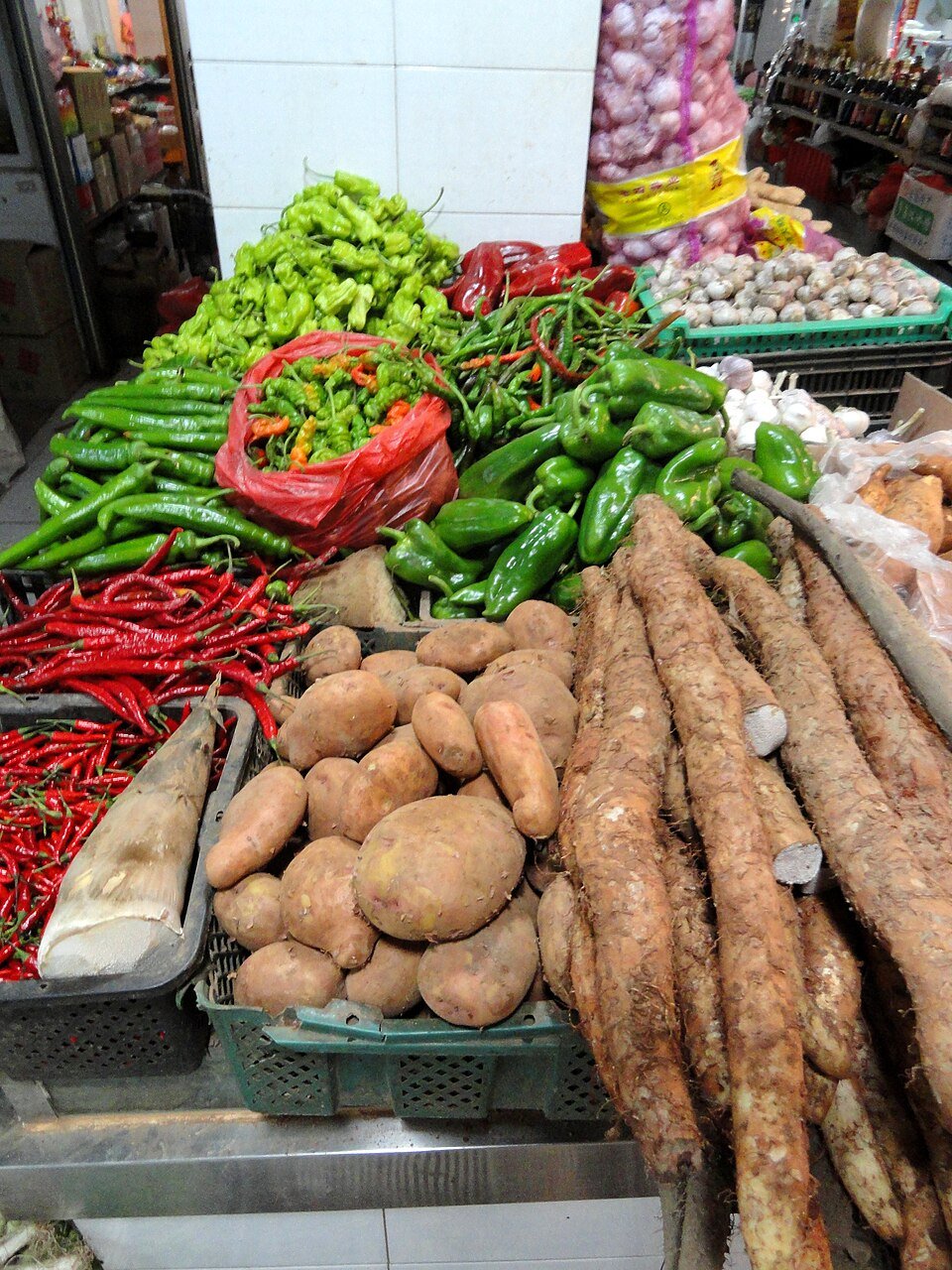
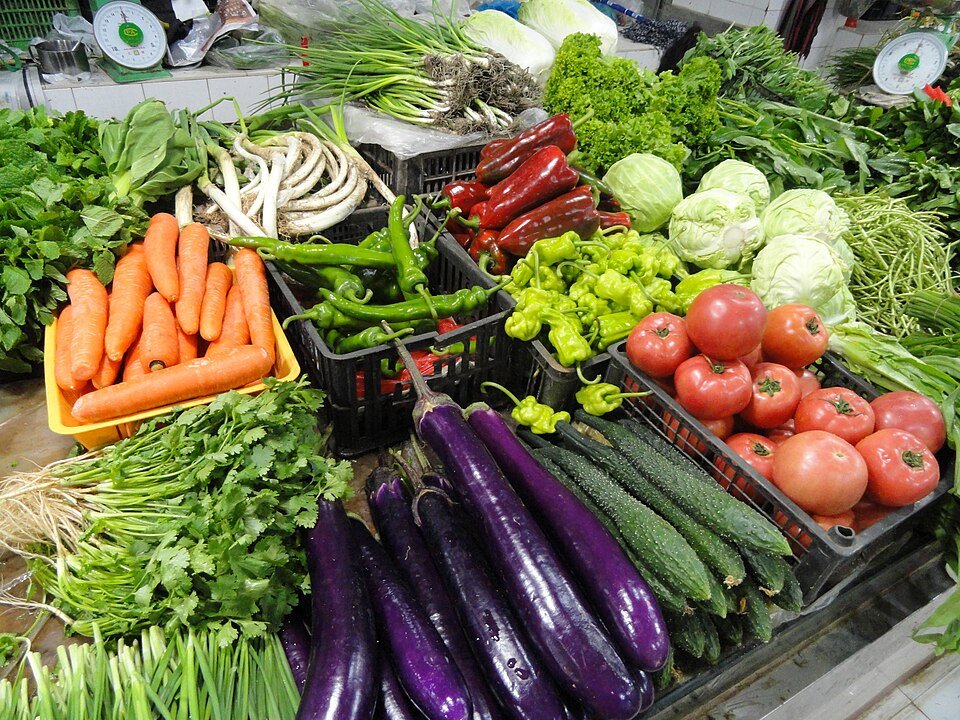
Get to the Songming market by seven at the latest; by nine the halls are closing and the best buying is gone. Carry small notes, because market stalls deal in cash and rarely want to break a large note. At a restaurant, order mushrooms one species at a time and watch how the kitchen treats them. Kunming’s elevation means sun arrives fast and nights are cool, so you can eat outside comfortably from April to October. The flower market at Dounan, on the southern edge of the city, is worth an hour if you have never seen a tulip market at scale, and the edible-flower stalls there sell the same blossoms that go into the pies and the soups.
Frequently Asked Questions
How do I order crossing-the-bridge noodles properly? Take the wooden tray of raw ingredients and tip them into the boiling broth yourself, then wait about four minutes. If the shop will not give you the broth separately, that is a shop catering to people who do not know what the dish is.
Is it safe to eat wild mushrooms in Kunming? It is, if you buy from the licensed market, eat at a restaurant that names its species, and stick to one type per dish. The deaths that make the news come from informal sellers and from mixed plates of unidentified mushrooms cooked together.
What is the best value meal in the city? The small-pot rice noodles from a neighbourhood counter, at eight to fifteen yuan, are better value than anything in the tourist restaurants and closer to how the city eats.
Can vegetarians eat here? Better than in many Chinese cities, because the mushroom hotpot and the noodle shops take requests, and there is a long tradition of vegetable cooking in Yunnan. Always check the stock, which is usually pork or chicken based.
How spicy is Yunnan food? Numbing rather than burning. The peppercorn heat arrives first as a tingling that is hard to place, and the dried chilli is usually present but held back so the flavour of the ingredient stays legible.
When should I visit for mushrooms? Late June through September is the main season, with the best porcini in the first three weeks of July. Winter has a smaller, drier crop and better prices.
The Short Version
Kunming rewards people who eat early and eat locally. Start with a bowl of small-pot rice noodles at eight in the morning from a counter with no seating, then spend a July morning at the Songming mushroom market watching the trade rather than just buying from it, and eat a proper crossing-the-bridge bowl at lunch with the broth kept separate until the last possible moment. Order the clay-pot chicken and drink its broth first, buy rose petal pies warm from a bakery, and get up early enough for fresh tofu and soy milk before the stalls sell out. Eat one wild mushroom species at a time, from a restaurant that can tell you what it is, and skip the cheapest hotpot on the street. The city is at 1,900 metres, the food comes from a plateau with a mild climate all year, and the produce is the reason people come.