How to Order Food in China Without Speaking Chinese
Updated 31 October 2026 · reviewed by the China Food Way editorial team
You can order food in China without speaking any Chinese, and you will do it comfortably within about twenty minutes of arriving, provided you stop trying to memorise a phrasebook and start using your hands. Point, hold up fingers, and watch the cook’s face, because that is the whole system. On my first night in China I ordered noodles, dumplings and two beers by pointing at a laminated card of photographs, holding up one finger for the first and two for the second, and nodding at a picture of a beer bottle. The cook looked at me, looked at the card, said something to the woman at the till, and put exactly what I wanted on the table. I had never felt more fluent.
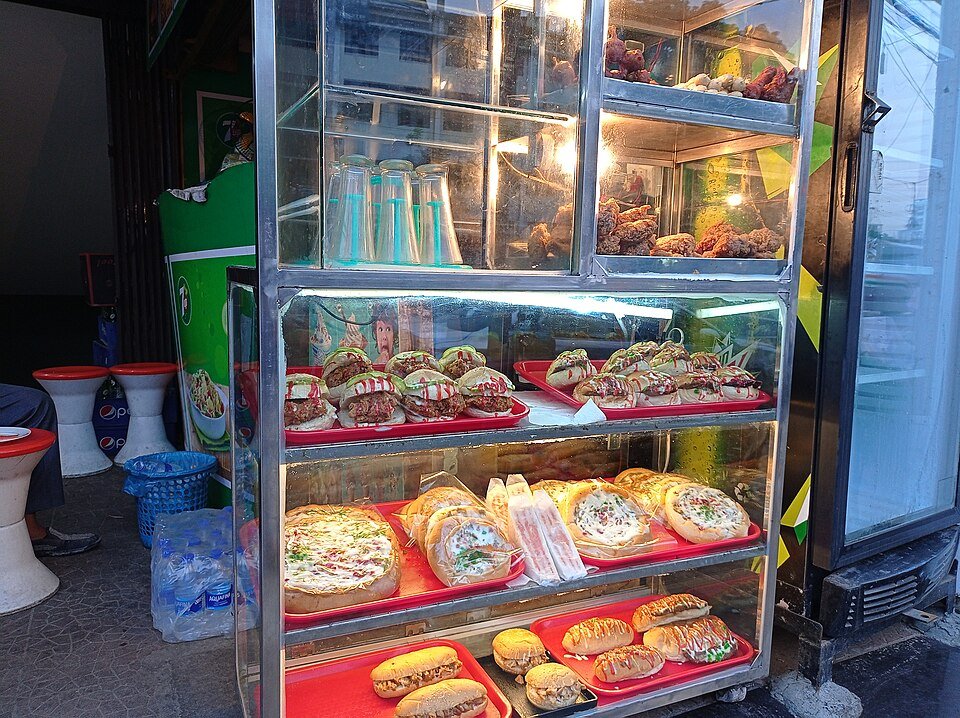
The reason this works is that Chinese food stalls are visual businesses. The ingredients are displayed, often raw, in trays along the counter. The menu card, where there is one, is a laminated sheet of small colour photographs with the price under each. What you need instead of language is a system of gestures and five or six phrases that do the jobs pointing cannot do.
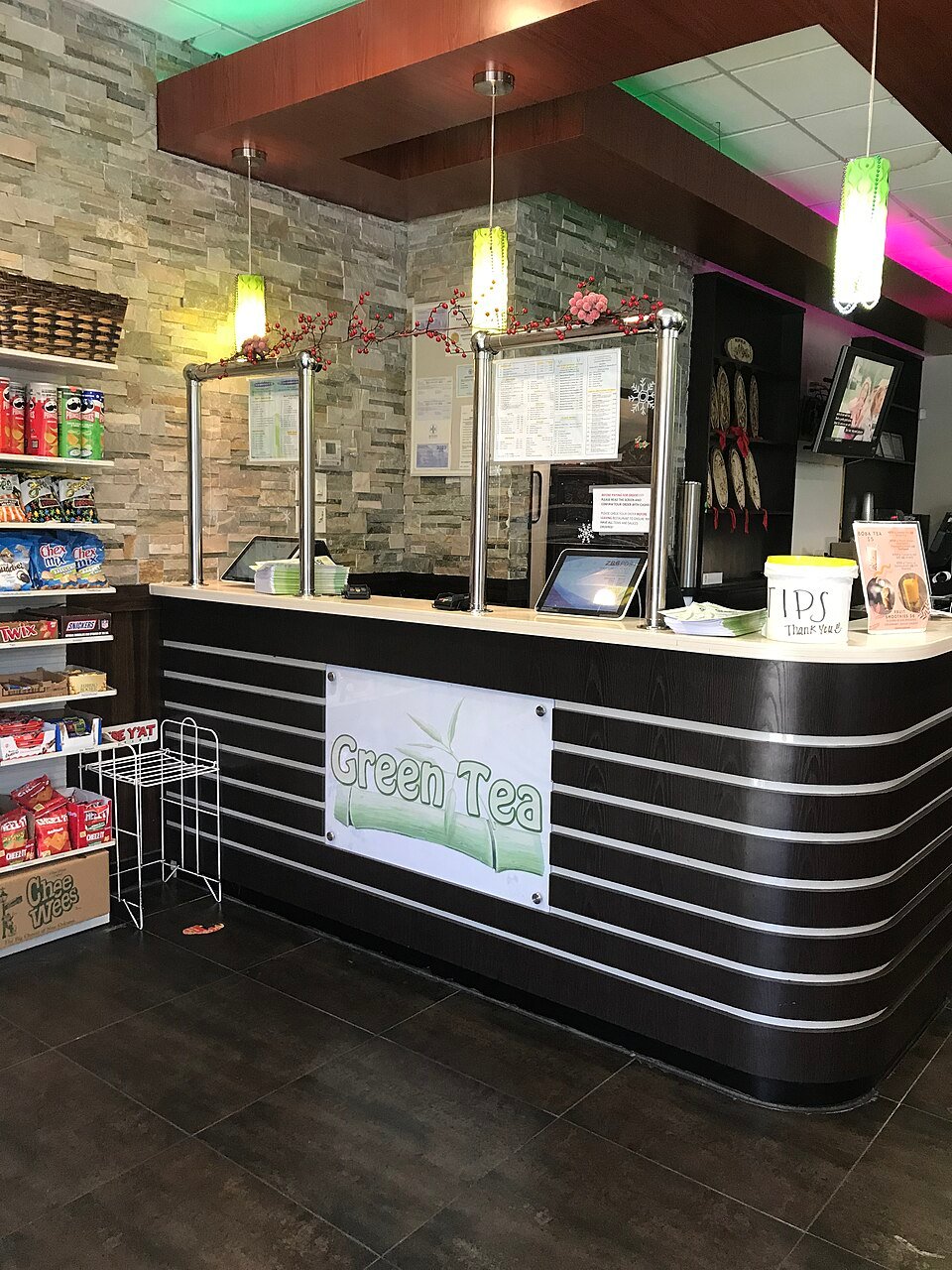
Do I queue up or just walk to the counter at a street stall?
You walk straight up to the counter and point at the tray; there is no queue, no host and no greeting to wait for. At a street stall the ingredients sit raw in trays along the front, so you look, decide, point at what you want and hold up fingers for the quantity. The cook will often mirror the same number of fingers back to show the price. Hand over the money and the food arrives. If you want something cooked to order rather than ready-made, simply watch which single griddle or pot is working, because that is the only thing on offer. One caveat: hesitating in the middle of the flow is what marks you out, not the pointing.
How the Ordering Actually Works
At a street stall, you walk along the front of the counter, look at what is in the trays, and decide. You do not queue and you do not wait to be greeted. You walk up, point at the tray, hold up fingers for quantity, and the cook tells you the price by nodding or holding up the same number of fingers back. You hand over the money and the food arrives. If you want something cooked to order rather than ready-made, say nothing and simply watch: the stall will have one griddle or one pot working, and that is what you are ordering.
At a noodle shop, the counter is a row of small bowls and tubs containing the components of the dish. The rule is: point at the bowl you want, then point at the toppings you want on top. Noodle shops work this way because the broth is decided by which region the shop belongs to, and the rest is a set of additions. Ordering the plain bowl is a legitimate choice and is what a lot of regulars do.
At a restaurant with a printed menu, ask for 菜單 (cai dan), or gesture at the folder while saying the word for menu. Many tourist-city restaurants have a picture menu, and in smaller cities many will bring a laminated sheet and translate for you. At a restaurant the order is placed for the table rather than for individuals, which is why the waiter will ask how many people. Say the number, and accept that there will be more food than you can eat.
The Six Words That Do the Heavy Lifting
This one. The phrase is 這個 (zhe ge), and you say it while pointing at the item. This is the phrase that unlocks everything, and it works even when the noun is wrong, because the point disambiguates. If you are unsure of the word, point and say it anyway; the cook will mostly ignore the noun.
One, please. Hold up one finger as you say it, with 要 (yao) for want. Above five, use the words for the number rather than fingers, which is where visitors look like they are playing a game.
Not this. The phrase is 不要 (bu yao), and you point at the thing on the bowl or in the tray while saying it. This is how you refuse an item, and it is also how you tell the cook to leave something off. Pointing at the coriander mound and saying the phrase is unambiguous and works every time.
To take away. The phrase is 打包 (da bao). Say it while pointing at a plastic bag or holding one out. This works in every setting, from a street stall to a full restaurant, and it is the single most useful phrase for anyone who wants to eat their dinner somewhere more comfortable.
How much is this? The phrase is 價錢 (jia qian), for price, and you point at the item as you ask. It is a question rather than a demand, and far less confrontational than asking in a language you are unsure of.
One more earns its place. The phrase is 一碗 (yi wan), one bowl, said while pointing down, which is how you specify a bowl rather than a plate.
The Menu and the Numbering Trick
Chinese menus frequently number their dishes, and the numbers are not sequential in a way an outsider can guess. If the menu has numbers beside each dish, you can simply say the number, and if you cannot read the Chinese, pointing at the number works fine because the waiter will read it back or find the dish on the ticket system.
There is a further trick. Because Chinese numerals are tonal, certain digit combinations sound identical to others when read as a single word, and menu numbers are designed to avoid some of those clashes while creating others. Point at the number on the menu as you say it and the ambiguity disappears.
One practical warning about menus. Prices on tourist menus are sometimes quoted per person for a dish intended for two or three, and the phrase for sharing is 一份 (yi fen), one portion, said with a flat palm held level. If you are alone, avoid the large plates.
How do I ask for the bill without any words?
Make a small writing or scribbling motion in the air with one hand while catching the server’s eye; it is the near-universal sign for the bill and needs no words at all. A few gestures cover almost every request:
- the writing motion, for the bill;
- two bent fingers tapped on the table, to thank someone pouring tea;
- holding up your table number, to call a server over.
Saying ‘mai dan’ if you can manage two syllables helps, but the gesture alone works in most places. At many small shops you still pay at the counter on the way out rather than at the table. The caveat: in a busy room, catch the eye first, or the gesture goes unseen.
The Four Standard Requests
Less spicy. The phrase is 少辣 (shao la), and the gesture is to pinch your fingers together and pull them slightly apart, then point at the chilli. Pointing at the small red dish on the counter is usually enough. Note that some kitchens stir chilli oil into the base of a dish rather than adding it on top, so ask before the dish is made.
No MSG. The additive is 味精 (wei jing), and you ask for it 免加 (mian jia), exempt from adding. The claim on the sign is often more marketing than fact, but the request is understood and honoured in most independent kitchens, because the flavour there comes from stock and fermentation rather than from added glutamate.
No coriander. The herb is 香菜 (xiang cai), and you ask for it 不要放 (bu fang). Coriander is the most common garnish in China and the most common complaint from visitors, particularly about noodles and cold dishes. Point at the green mound as you say it. You will also get an amused look, because for a Chinese cook the idea that the herb is optional is faintly funny.
Takeaway. The phrase was covered above. One refinement: in a restaurant, ask for the food to be packed before it is served rather than after, because some dishes are assembled at the table and do not travel as well as the kitchen assumes.
Two that are less common but worth knowing. 素 (su) means vegetarian, and it is a reasonable way to ask whether a dish contains meat, though the strict vegetarian diet is not the same as the Chinese one, which is why many Buddhist restaurants here are vegan-friendly by Western standards. And spring onion is 小蔥 (xiao cong), the second most common thing people ask to be left out after coriander.
Flagging Down a Stall
Street food in China does not involve waiting to be seated, because there is no seating. Approach the front of the counter and look at what is being cooked or displayed, but do not stand directly in front of the working half of the stall while the cook is plating, because that is where the elbows go. Stand to one side and make eye contact with the person who is not cooking, then hold up one finger and point at the item; that is the entire recruitment process, and it usually gets a response within a few seconds.
When the food is ready, the cook will either put it on the counter in front of you or call out to a server. Take it, find somewhere to stand or sit, and eat at the shared tables at the end of the market lane, clearing your own space and leaving the dishes on the table when you finish. If you want the food cooked to order, look for the grill or the steamer in use and point at it; if you want it mild, gesture at the chilli oil and shake your head slightly, with a flat palm moving away from the jar. Both gestures work at any distance.
What is the practical difference between ordering at a noodle shop and a sit-down restaurant?
At a noodle shop you choose a base bowl and then point at the toppings you want added; at a sit-down restaurant you assemble a shared order from a menu and someone takes it away. Noodle counters work this way because the broth is fixed by whichever region the shop belongs to, and everything else is a set of additions laid out in small tubs along the counter. You usually pay first at a noodle shop and last at a restaurant. The regional differences matter most if you are eating your way across Yunnan, where the broth can change every hundred miles. One caveat: a photo menu is a luxury, so be ready to point at the actual tubs.
Noodle Shop Against Proper Restaurant
A noodle shop is a counter service. There is no menu in the sense of a list of choices; there is a wall of bowls, each containing one ingredient, and you point. The broth is not your decision, because it is whatever the shop makes, and the price is per bowl and low, typically ten to thirty yuan. You are finished in ten minutes, and the food is good because it is one thing done properly, repeatedly, and the cook has made the same bowl several thousand times. This is the same logic that governs a bowl of wonton soup in a shop that has made nothing else for a decade.
A proper restaurant is table service with a written menu, a waiter, and dishes brought to the middle of the table for sharing. The food is more elaborate, the portions are larger, and the bill reflects both. Some dishes are ordered in advance because they take an hour. Using the serving chopsticks in the communal set, not the personal ones, is the custom, and if you are unsure, watch the person next to you for two minutes.
The middle category is the small independent place with laminated picture menus and a cook behind a counter, which is where most first meals happen. You order from a menu, the food is brought to you, and the bill is at the till. Most noodle shops also do a simple version of this at lunch, with set meals photographed on a board, and the set meal is the safest thing to order on your first day in China. It is also how a steamed bun and a bowl of congee get ordered at a counter with no language at all.
What It Costs and How to Say It
| Situation | How to order | Typical price | Worth knowing |
|---|---|---|---|
| Street stall, one item | Point at the tray, hold up one finger | About 5 to 25 yuan | Pay at the counter; keep the change if you get it |
| Noodle shop, plain bowl with toppings | Point at the broth, then the topping bowls | About 10 to 30 yuan | The broth is not a choice; the toppings are |
| Small restaurant with picture menu | Point at the photograph, hold up fingers for quantity | About 30 to 80 yuan a head | Ask for the set meal if you cannot read it |
| Proper restaurant, shared dishes | Point at the dish on the menu, say one portion | About 80 to 250 yuan a head | Say how many people you are |
| Takeaway, any setting | Say the takeaway phrase and hold out a bag | Same price | Ask for it packed rather than plated |
| Breakfast set meal | Point at the board, hold up one finger | About 8 to 20 yuan | The safest first order in any city |
| Market cookery, dish to cook | Point at the fish, then the method on the sign | About 60 to 200 yuan for two | Agree the cooking charge first |
| Beer or soft drink | Point at the bottle, hold up fingers | About 5 to 20 yuan | Bring the bottle to the table if it is cold |
What should I do if the wrong dish turns up?
Point at the dish, then at the picture or number on the menu you actually ordered, and give a small, friendly head shake; it is almost always put right without a single word. The important thing is not to start eating it, because a dish you have tucked into is much harder to send back and you may be charged for both. Keep your order slip or the number they called out, since that settles most confusion faster than gestures. A translation app is a reasonable last resort for a stubborn case, but I have rarely needed one. My honest caveat: a smile does more than a frown here, and the mistake is usually an honest one in a packed room.
What to Do When It Goes Wrong
You will point at the wrong thing once. The recovery is simple: point again, more precisely, and add the refusal phrase while waving your hand away from the first choice. It comes across as indecision rather than error, which is exactly what it looks like from the other side of the counter. If you receive something you did not want, take it back, point at it, and say 錯 (cuo), wrong, followed by what you did want; the cook will replace it in nearly every case, and this happens constantly in normal service, which is why nobody minds.
The shared-table rhythm of a Chongqing dinner is worth skimming before your first group meal, and the ordering conventions of a Cantonese teahouse show the same logic from the other end of the country. And speak slowly rather than loudly: Chinese speakers follow a slow, slightly wrong sentence far better than a loud, correct one.
Frequently Asked Questions
What is the one phrase that makes ordering possible? This one, said while pointing at the item. The point does the identifying and the phrase does the politeness, which means you can use it with a noun you have mispronounced and still be understood.
Do I need to know how to read a Chinese menu? No. Most stalls and many small restaurants have a laminated card of photographs, and you point at the picture. Where there is no menu, the ingredients are displayed in bowls and you point at those instead.
How do I order for other people at my table? Say the number of diners when you sit down, and say one portion with a flat palm when you want a shared dish rather than individual plates. Chinese dishes are shared by default, and ordering one of everything is the classic visitor mistake.
Can I get food with no chilli at all? Often, if you say it before the dish is cooked, but be aware that chilli oil is frequently mixed into the base of a dish rather than added on top. Point at the jar, ask for less heat, and check the bowl before you eat it.
Is it acceptable to point at food instead of using words? Entirely. It is the normal method in China and nobody regards it as rude. What would be rude is waving the food away without indicating what you actually want.
What if the shop only accepts mobile payment and I do not have it? Many stall queues also take cash, and a cash purchase is always possible. Set up a mobile payment account before you travel if you can, and keep a hundred yuan in small notes as a backup.
The Short Version
You do not need Chinese to eat in China, you need pointing. Walk up, look at the trays, point at what you want, hold up fingers for how many, and nod when the cook tells you the price. Learn five phrases and add two more that will save you a bad lunch: less spicy and no coriander. At a noodle shop, point at the broth bowl and then the toppings, and accept that the broth was never your decision; at a restaurant, tell them how many people you are and let the dishes be shared. Practise the order for a fried dough stick before you need it, carry small notes, and speak slowly, and you will be ordering like a regular by the fourth meal.