Visiting Yantai: A Practical First-Timer’s Itinerary
I missed the last bus back from Penglai and ended up sharing a minivan with three fishermen and a crate of still-wriggling prawns. That’s the thing about Yantai: it’s a working coast first and a tourist coast second, and the timetables reflect the harbour more than the guidebook. If you arrive expecting the polished metro choreography of Beijing, you’ll be pleasantly wrong-footed within an hour.
Yantai sits on the northern shore of Shandong, where the Bohai Strait narrows toward Liaoning. It’s a city of apples — the local Red Fuji are genuinely better than what you’ll find elsewhere — seawater baths, and a wine industry most foreign visitors have never heard of. As Wikipedia notes, the city has been a treaty port and a winemaking centre since the late 19th century, which explains why a provincial seaside town feels oddly cosmopolitan in its older streets. I spent four days there in late September and wished for one more.
Getting there and where to base yourself
Fly into Yantai Penglai International Airport, or take the high-speed train. From Beijing South the ride runs roughly five and a half to six hours with one change at Jinan or Qingdao, and a second-class seat costs around RMB 400–520 depending on the service. From Qingdao it’s a relaxed 90 minutes. I based myself in the Zhifu district, the old core, because that’s where the waterfront, the morning fish market and the train station all line up within a 20-minute walk of each other. Taxis start at RMB 9; the Didi app works fine but the drivers often prefer cash at the rank near the ferry terminal, so carry small notes.
If your trip is part of a longer northern loop, Yantai pairs well with Chengde Travel Guide for the imperial summer palaces, or as a coastal counterpoint if you’re also planning Changchun up in the Dongbei cold. The two trips share almost no weather, which is the point.
Getting around the city
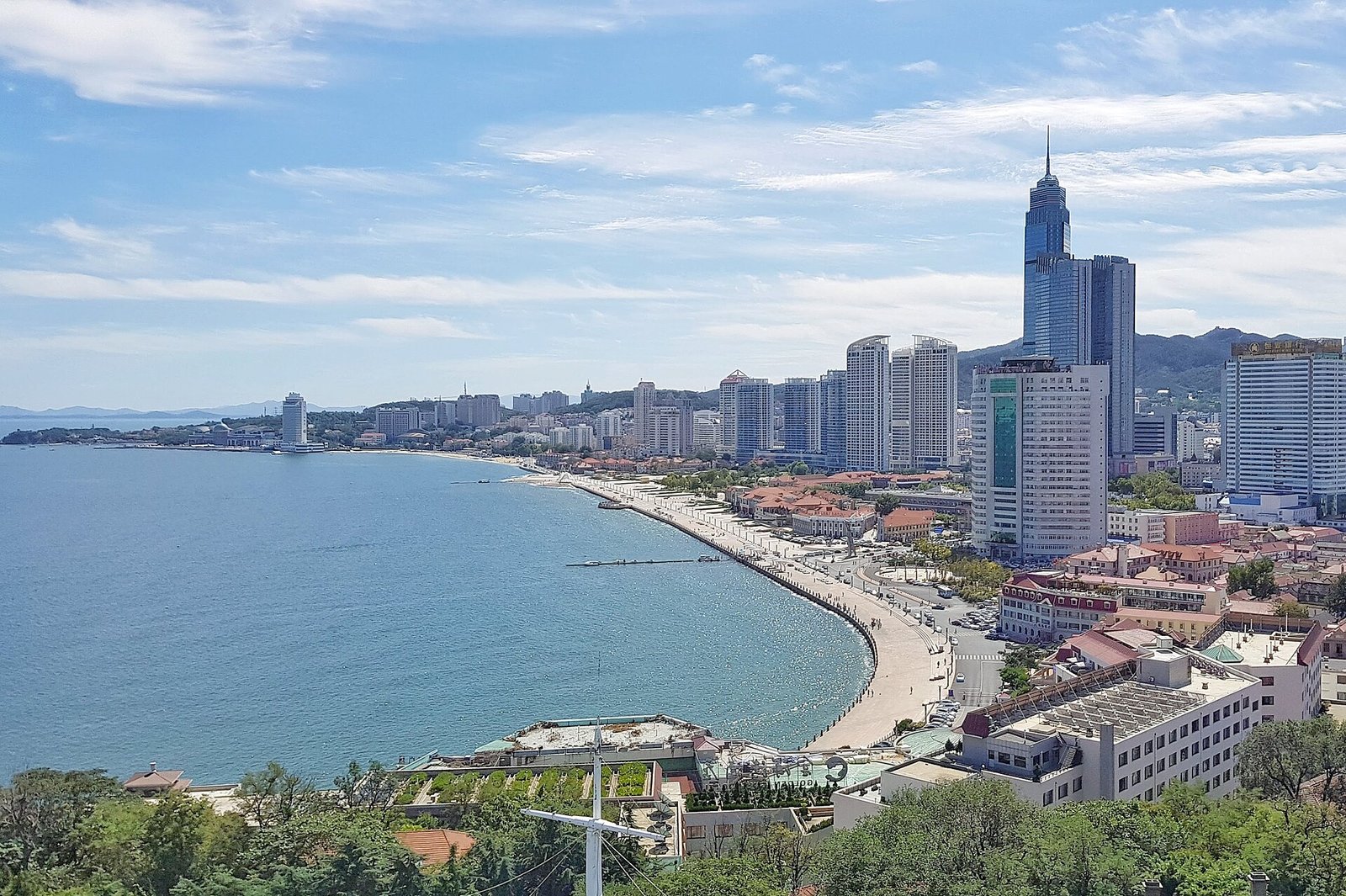
The public bus network is cheap (RMB 1–2 flat) but the stops are signed in Chinese only, so I leaned on a mapping app with offline Shandong tiles. The coastal promenade is the one place I’d never bother with a bus — it’s flat and continuous for about 9km, and the walk between Yantai Hill and the First Beach took me 25 minutes at a lazy pace. For Penglai and the outer islands, long-distance coaches from the central bus station are the backbone; buy the ticket at the counter and keep the paper stub, because the scanners at the gate are fussy about screenshots.
Day one: the waterfront and the old port
Start at the First Sea Bathing Beach (第一海水浴场) before 9am, when the only company is elderly swimmers and a few joggers. The sand is imported and raked, but the water is clean enough for a paddle and the light over the Bohai is soft. Walk west along the coastal path toward the Yantai Hill (烟台山) park, a 25-minute stroll, where the foreign legation buildings from the treaty-port era cluster on a green headland. Entry to the hill park is free; the lighthouse at the top has a small viewing fee of around RMB 10.
Down at the harbour you’ll find the seafood market. I paid RMB 38 for a plate of steamed clams and RMB 60 for a half-kilo of grilled squid at one of the cooked-food stalls behind the tanks — fresher than any restaurant on the main drag, and half the price. The trick, as anywhere in China’s coastal cities, is to agree the weight and the price before they scoop the creature out of the water.
Penglai and the “Immortals” myth — is it worth the trip?
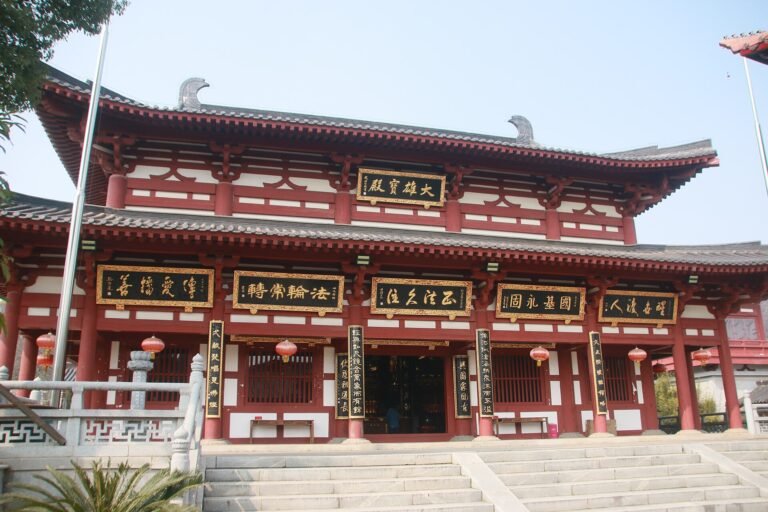
Penglai is 70km northwest of the city centre, about 90 minutes by bus from the bus station (RMB 22, departures roughly every 40 minutes). The draw is Penglai Pavilion, the supposed launch point of the Eight Immortals who, in Daoist legend, crossed the sea on nothing but their powers. The site is part theme park, part genuine cliff-top architecture, and the pine-shaded steps up to the main hall are the loveliest part. I’d budget a half day, plus the bus time.
| Question | My take |
|---|---|
| Worth the detour? | Yes, but only if the sea is calm — the cliff views are the point |
| How to get there | Bus from Yantai central station, or a hired driver for ~RMB 300 return |
| Who it suits | Photographers, myth buffs, anyone escaping the summer heat inland |
| Skip if | You hate crowds and it’s a Chinese public holiday |
A note on the wine
Yantai is the birthplace of Chinese industrial wine. The Changyu Wine Culture Museum, a 10-minute walk from the train station, walks you through cellars dug in 1892 with original oak and a tasting at the end. Admission was RMB 50 when I went, with a small glass included, though you should check the official site before you go for current pricing and opening hours. The on-site shop sells bottles you won’t easily find abroad, and the guide explained the French-trained founder in a way that made the city’s oddly European old streets make sense.
What to eat beyond the seafood
The seafood gets the attention, but Yantai’s street food deserves a night of your time. The night market near Nanshan Road runs from around 5pm and I worked through RMB 30 of grilled oyster mushrooms, a seafood pancake (海鲜饼) for RMB 12, and a bowl of braised noodles with clam broth for RMB 15. The local apples show up everywhere — stewed with pork, sliced into cold salads, pressed into a sweet cider sold from roadside carts at RMB 6 a cup.
For a sit-down meal, the Shandong-style braised sea cucumber at a proper restaurant cost me RMB 150 for a portion for two, and the sweet-and-sour pork with the local peach was a sleeper hit at RMB 48. If your appetite runs to hotter cooking, you’ll find the contrast with a proper take on chengdu or everything you need to know about chongqing bracing after a few days of mild coastal broth — I kept reaching for the chilli oil I’d smuggled from Sichuan and immediately regretted it on the clams.
Day two and three: beaches and islands
Yangma Island (养马岛), a short bus or taxi ride east, is where locals actually swim. The northern shore has rocky coves and clear water; I counted a RMB 10 entrance to the maintained beach section and rented a sun lounger for RMB 20. A loop road around the island is about 12km and rented e-bikes sit at the gate for RMB 30 an hour. On day three, consider Kongtong Island if the weather holds, or just repeat the waterfront at a slower pace with a book and a paper cup of apple cider.
If the hills call, Kunyu Mountain (昆嵛山) lies an hour south and has marked forest trails with a modest entry fee; I didn’t make it, but a fellow traveller described the autumn maple colour as the equal of anywhere in the north. Save it for a second trip and a rental car.
When to go and how long
Late May through early June and again September to mid-October are the sweet spots: warm sea, fewer crowds, and the apple harvest in full swing during autumn. July and August are packed with domestic holidaymakers and the humidity sits heavy. I’d give it three full days — two for the city and coast, one for Penglai. Winter is bleak and many island services shut, so I wouldn’t bother unless you’re already in the region for all about changsha style southern warmth and want a quiet northern contrast.
Frequently Asked Questions
Q: How many days do I need in Yantai? A: Three full days covers the city waterfront, the Changyu cellars and a Penglai day trip without rushing. Two days works if you drop the island excursion.
Q: Is Yantai expensive compared with other Chinese cities? A: Slightly cheaper than Beijing or Shanghai for food and taxis. A comfortable day — mid hotel, three meals, local transport — runs about RMB 250–400.
Q: Can I visit Penglai without joining a tour? A: Easily. Public buses leave from the central station and the site is well signed. A tour only saves you the transfer hassle.
Q: What’s the seafood situation for non-Chinese speakers? A: The harbour market has price boards and you can point. Most restaurants have picture menus. Learn “this one” and the number gestures and you’ll eat well.
Q: Is Yantai suitable as a family stop? A: Yes. The beaches are shallow, the wine museum is quick, and the ferry area is flat and walkable. Avoid Penglai on peak holiday weekends.
Q: Do I need a visa, and does the transit rule apply? A: That depends on your nationality and the current policy — check the official site before you go, as the 144-hour transit exemption changes and may not cover this port of entry.