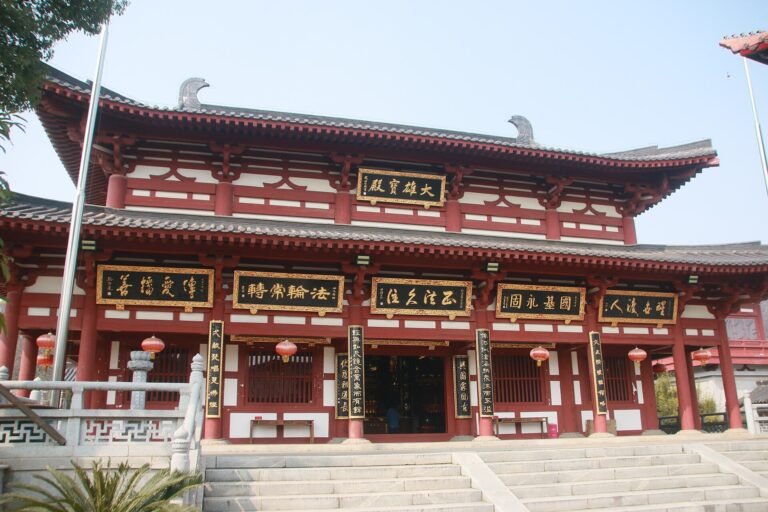
The Honest Tongli Guide – What’s Worth It and What Isn’t
Tongli sells roughly one-tenth the visitor numbers of the busy Suzhou classical gardens, yet it asks for one combined ticket that opens nearly every gate inside its watery walls. That maths is the first surprise, and it sets the tone for the whole visit: this is a town that prefers a single fair price to a hundred small shakedowns. The second surprise is that the headline garden, Tuisi, is genuinely the best thing here and not just the marketed one.
Getting to Tongli from Suzhou and Shanghai
From Suzhou, the cleanest route is the metro-plus-bus hop or a direct coach from the Suzhou bus station, and the journey runs about 40 to 60 minutes depending on your start point. From Shanghai, take the high-speed train to Suzhou first and then transfer, which puts the whole trip at roughly 90 to 120 minutes door to gate. A private car or didi from Suzhou city centre costs in the region of RMB 100 to 150 and saves the transfers if you are travelling as a group.
Unlike the Shanghai water towns, Tongli is not on a metro line you can ride from your hotel, so the last mile matters. The coach drops you at the main ticket plaza, a 5-minute walk from the first bridge. Plan the return before you arrive: the last direct coaches thin out after 17:00, and a missed one means a taxi back to Suzhou to catch a train. I learnt that the hard way on a winter afternoon and now treat the 16:30 coach as the one I must not miss.
The ticket: what you actually get
Tongli runs on a single combined ticket, and the figure has sat near RMB 80 to 100 in recent seasons. Treat that as a guide and check the official site before you go, because the bundle and its price shift by season and by whether a festival is running. The ticket covers the ring of old town entry plus the named sights inside, including Tuisi Garden, the former residence of a Qing official, a small museum, and a couple of minor halls.
The boat rides are usually separate. A shared rowing boat on the outer canal runs about RMB 20 to 30 per person for a short loop, while a private boat for your party sits nearer RMB 120 to 150. Hours for the gated sights cluster around 7:30 to 17:30 in summer and close a little earlier in winter, but check the official site before you go for the exact time on your date. The town’s lanes stay walkable after the gates shut, which is the key to the evening plan below.
Tuisi Garden vs the rest of the bundle
Spend your first hour at Tuisi. It is compact, it is UNESCO-listed, and its pond-and-pavilion layout is the most composed piece of garden design you will see in a Jiangnan town this size. The rest of the ticket is a mixed bag. The official’s residence is a solid hour if you like Qing domestic architecture; the minor halls are ten-minute stops at best. I would rather do Tuisi slowly and one residence well than rush all seven doors.
A half-day walking route that does not backtrack
Enter at the main plaza and cross the first bridge onto the island. Walk east to Tuisi Garden and give it 60 unhurried minutes. From there, follow the canal south to the former residence, then loop west along the quiet back lanes where the resident life shows: washing lines, chess games, and old men smoking by the water. Finish at the north bridge teahouse for a pot of green tea, around RMB 30, and watch the boats from the railing. That loop is roughly 2 km and takes 3 hours with pauses.
Do not try to “collect” every signed hall on the map. Tongli is small enough that the pleasure is the walking, not the ticking, and the map’s outermost pins sit past the interesting bits in a stretch of new-build that the photos leave out. I made that mistake once, walked 20 minutes to a hall that was a gift shop with a sign, and walked back past everything worth seeing. Stay inside the water ring and you cannot go far wrong.
Tongli versus the other water towns
The honest verdict is that Tongli beats the Shanghai-edge towns on calm and loses on convenience. You cannot metro here, but you also will not share the Fangsheng Bridge with a coachload at noon. It sits between the polished Suzhou gardens and the rougher riverside old towns, which makes it a good middle choice if you want a water town without a big city attached.
| Factor | Tongli | A Shanghai-edge town | A riverside old town |
|---|---|---|---|
| Reachable by metro | No | Yes | No |
| Single combined ticket | Yes | No, per sight | Free lanes |
| Best for | A calm half-day | A quick hit | A food day |
| Garden quality | High (Tuisi) | Low | None |
For contrast, our everything you need to know about ciqikou covers a Chongqing town built around snacking rather than gardens, and my notes on dali old town describes a slow Yunnan town at altitude with a different minority culture entirely. Tongli is the tidy, low-effort option between them.
Where to eat and what to buy
Tongli’s food is the gentle Jiangnan style: river fish, rice wine, and sweet steamed buns. The local speciality is the “three-strings” pastry and the glutinous pear, sold from stalls for about RMB 6 to 10. A riverside lunch for two with a small beer runs roughly RMB 100 to 130, a touch above the Shanghai-edge towns but below central Suzhou. The back-lane noodle shops are cheaper and better than the front-street restaurants; I order a bowl of plain wheat noodles with pickles for RMB 12 and never regret it.
For souvenirs, the painted fans and the small embroidered pouches are the only things I would carry home, and even then haggle from the marked price. The “ancient” teacups are factory new, and the “old” wood carvings are mostly repro. Buy the food, skip the antiques, and you leave lighter and wiser.
When to visit
March to May and September to November are the months I would pick. The canals fill with reflected light, the lanes stay cool, and the gardens read at their best under soft sun. Summer brings heat and a thicker crowd of domestic tourists; winter is cold but empty, and the bare garden bones have a stark charm if you dress for it. Avoid the first week of October and the May holiday week, when the combined ticket queues stretch past the bridge.
A weekday beats a weekend by a clear margin. On a Tuesday in April I had Tuisi’s main pavilion to myself for five minutes; on a Saturday in October I queued behind a school group at the same spot. The town is small enough that a few hundred extra visitors change the feel completely, so the calendar matters more here than at a sprawling site.

The worth-it debate, settled
Is Tongli worth a slot on a first China trip? If you are already in Suzhou or Shanghai with a free half-day, yes, easily. If you would detour across the country for it, no, not on its own. It is a refined, walkable, low-stress water town with one genuinely excellent garden, and that is a fairer pitch than the brochures make. I send friends here when they want the canal-town experience without the endurance test of a bigger destination.
As Wikipedia notes, Tongli is counted among the UNESCO-recognised classical gardens of Suzhou through Tuisi Garden, which is why the town punches above its size in guidebooks. That listing is real and visible on the ground, not just a line on a plaque, and it is the reason the combined ticket is better value than it first looks.
If your wider list leans toward imperial set-pieces, our Beihai Park covers a Beijing garden you reach by subway, all about big wild goose pagoda explains a Xi’an landmark with an evening square, and the Canton Tower Guide is the Guangzhou skyline you can ride to the top of. For a completely different scale of sight, Badaling Great Wall is the half-day wall trip from Beijing, Chengdu Panda Base explained is the easy family day, and how crescent lake dunhuang is really done pairs a desert oasis with a town of a different kind.
Frequently Asked Questions
How do I reach Tongli from Suzhou? Take a direct coach from the Suzhou bus station or a metro-and-bus combination; the trip runs about 40 to 60 minutes. A didi from Suzhou city centre costs roughly RMB 100 to 150 and drops you at the main ticket plaza.
What does the combined ticket include? It covers entry to the old town ring plus the named sights inside, led by Tuisi Garden and including a former Qing official’s residence and a small museum. The price has sat near RMB 80 to 100, but check the official site before you go for the current figure.
Is Tuisi Garden the only thing worth seeing? It is the best, but not the only, stop. The former residence is a solid hour for architecture fans, and the back lanes are the real town. The minor signed halls are skippable without missing much.
What is the best month to visit Tongli? March to May and September to November give the best light and the fewest crowds. Avoid the first week of October and the May holiday week, and prefer a weekday over a weekend year-round.
How long should I plan to stay? A half-day, about 3 hours with a tea stop, covers the town and Tuisi at a calm pace. Add the evening lantern walk only if you can sort a return ride, since direct coaches thin out after 17:00.
Are boat rides included in the ticket? Usually not. A shared rowing boat is about RMB 20 to 30 per person for a short loop, and a private boat for your group runs nearer RMB 120 to 150. Confirm the current rate on the official site before you go.