
China’s Night Markets: A Regional Eating Guide
The first night market I ever walked into was in Xi’an, and I made the classic error of arriving at 7pm expecting dinner. The good stalls were still setting up; the real crowd didn’t arrive until after 9. I learned the hard way that a Chinese night market keeps a different clock from a Western one, and that the dishes you find vary as much as the dialects. What follows is the regional map I wish I had on that first confused evening, built from nights I spent eating my way across the country rather than reading about it. I have now eaten at markets in nine provinces, and the only constant I trust is that the best bite is usually the one with the longest local queue and the shortest English menu.
The north-west: cumin, lamb and coal smoke
Xi’an’s Muslim Quarter is the obvious stop, but the better eating is on the side streets where the Hui cooks grill lamb spines over coal. I paid RMB 5 per skewer in 2023 and ate standing up because every seat was taken. The flavour profile is cumin-heavy and unapologetically smoky — a world away from the sweet-sour cooking of the east coast. Go after 9pm, bring small notes, and don’t expect a menu in anything but characters. The rougher the stool and the longer the local queue, the better the skewer, in my experience.
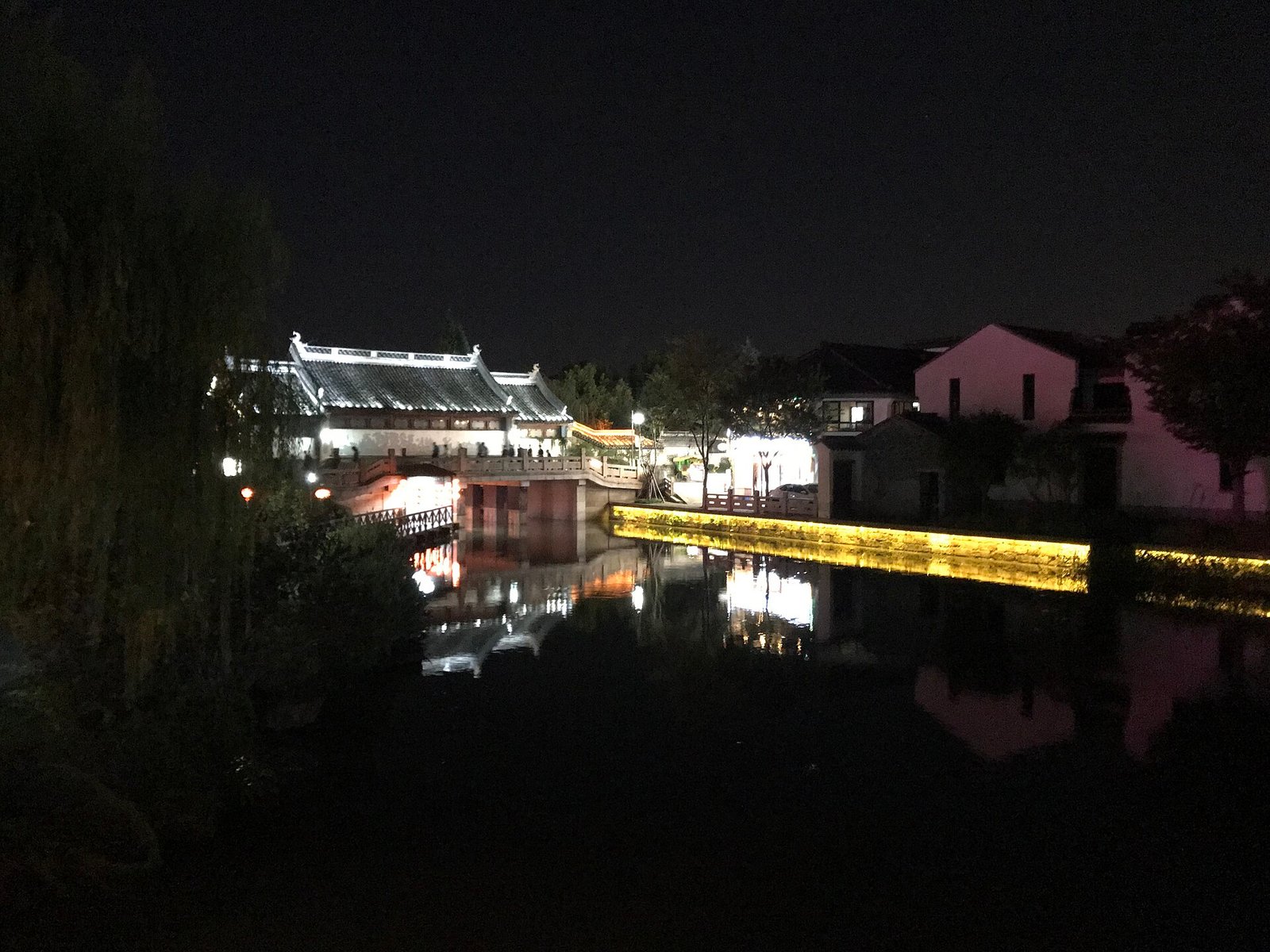
For getting around the city to reach the quieter stalls I keep the apps in our Best Apps China Travel guide loaded, since the night-market districts are rarely on the tourist bus routes. A map app with offline tiles saved me a long walk when my data dropped on a side lane, and the same app found me a taxi back to the city wall when the last stall packed up at midnight. I now screenshot the hotel address in Chinese before every night out, because drivers rarely read the Latin spelling.
Sichuan: the numb heat of Chengdu
Chengdu turns the night market into a slow, social affair. The signature is chuàn — skewers boiled or grilled, then drowned in a red oil bath of chilli and Sichuan peppercorn that numbs the lips. I counted more than forty kinds of skewer at one Jinli stall and worked through maybe half. Prices run RMB 0.5 to RMB 2 per stick, so a full feed costs less than RMB 50. The trick I learned: order the mild (微辣) first, because the standard heat builds faster than you think, and the peppercorn creeps up on you an hour later.
If your time is short, China 10 Day explained lays out a route that puts Chengdu in the middle, which is exactly when you want a night market within walking distance of the hotel. I planned my stay around the Jinjiang riverside stalls and walked back along the lit water every night, and the pedestrianised lanes meant I never worried about traffic after a few too many skewers.
The south: seafood, rice and patience in Guangzhou
Guangzhou’s night markets are about the sea. Oyster omelettes, grilled squid and steamed clams sit beside the more famous dim sum, and the stalls price by the piece rather than the plate. I ate a late dinner near Beijing Road where a bowl of wonton noodles cost RMB 12 and the queue moved in five minutes. The southern markets run latest of all — many stalls don’t peak until after midnight, and the serious eaters are out at 1am. The pace is slower than the north, and the cooks are happy to portion a single oyster omelette across two plates if you are grazing with a friend. I once timed a full Guangzhou graze from 11pm to 1:30am and never repeated a dish, which tells you how deep the selection runs once the day vendors have packed away and the night ones take over the lane.
When I booked the trip I used Book Hotels China to find a room within walking distance of the old city, because parking near the markets after 10pm is a genuine headache. A hotel you can stagger back to matters more than a pool you won’t use, and the walkable districts around Beijing Road and Shamian Island put a dozen stalls within five minutes of the lobby.
How the regions compare on the plate
| Region | Signature bite | Typical price | Peak hours | Heat level |
|---|---|---|---|---|
| Xi’an (north-west) | Cumin lamb skewer | RMB 5/skewer | 9pm–12am | Medium |
| Chengdu (Sichuan) | Chilli peppercorn skewers | RMB 0.5–2/stick | 8pm–1am | High |
| Guangzhou (south) | Oyster omelette | RMB 15–30 | 11pm–2am | Low |
| Taipei (Taiwan) | Stinky tofu, bubble tea | TWD 50–80 | 7pm–12am | Low–medium |
The table leaves out the one constant: every region pays in cash or a local scan app, and the card machine is the exception, not the rule. I carry a small wad of RMB notes for the smallest stalls and keep the payment app topped up for the rest. The southern stalls are also the most generous with free soup and tea, which is a quiet courtesy you won’t find up north.
Taipei and the island style
Taipei’s night markets — Shilin, Raohe, Ningxia — are cleaner and more organised than their mainland cousins, with numbered stalls and fixed prices. The trade is character: the food is excellent but less rough around the edges. I ate stinky tofu that genuinely cleared a bench and followed it with a TWD 60 bubble tea. If you want the chaos and the coal smoke, stay on the mainland; if you want reliable, walkable, late-night eating, Taipei is the easy win, and the MRT gets you home without a taxi haggle. The price boards at Shilin are honest in a way I didn’t expect: a TWD 50 stick of squid is a TWD 50 stick of squid, with no tourist markup once you walk past the first decorated arch and into the lanes where locals actually queue.
For travellers who want the whole sweep, everything you need to know about china 2 week includes a Taiwan leg that ends in Taipei’s markets, which is a smart way to close a trip on full stomachs. The island’s markets are also the most wheelchair-friendly of the lot, which matters if you travel with older relatives, and the level pavements at Raohe made pushing a pram painless.
Planning, paying and staying safe
The season matters more than people admit. Summer nights are packed and sticky; the best market weather is October to April, and all about best time to visit china has the monthly breakdown if you want to time a trip around it. For guided food walks, the operators in Best China Tour Companies run evening tours in the big cities that handle the ordering and the payment so you just eat. I took one in Chengdu and it paid for itself by getting us to a stall that doesn’t appear on any map app.
As Wikipedia notes in its entry on the night market, the format spread across East and Southeast Asia from a Chinese root, which is why the stalls in Bangkok and Taipei feel like cousins of the ones in Guangzhou. That shared DNA is exactly why a night market is the fastest way to read a city’s character, and why the same evening can taste completely different two provinces over. If you travel with someone who finds crowds hard work, how china accessible travel is really done covers the practical details for the bigger cities, including which markets have step-free lanes and quieter side entrances.
Frequently Asked Questions
What time do Chinese night markets get busy? Most stall clusters don’t peak until 9pm or later; arrive before 8pm and you’ll watch them set up. The southern markets in Guangzhou run past midnight, and the serious local crowd shows up around 1am rather than before it.
How much should I budget per night? A serious graze costs RMB 40–80 per person on the mainland and TWD 150–300 in Taipei. Drinks and the odd seafood splurge push it higher, but a full belly rarely costs more than a café dinner would.
Can I use a card at the stalls? Rarely. Bring RMB cash for the smallest vendors and keep Alipay or WeChat Pay ready; the payment app covers perhaps 90% of stalls in the big cities, though the tiniest coal-grill spots in Xi’an still want notes.
Which market is best for a first-timer? Taipei’s organised, numbered markets are the gentlest start. On the mainland, Chengdu’s Jinli is walkable, central and forgiving on the heat if you order mild, and the stallholders there are used to pointing at pictures for foreigners.
Is the food safe to eat from street stalls? Mostly yes if the stall has a fast turnover and a local queue. I avoid anything that’s been sitting in a warm tray and stick to things cooked to order over fire or oil, which rules out most of the risk in one simple rule.
Are night markets accessible for wheelchairs or prams? Taipei’s are the easiest, with flat pavements and wide lanes. Mainland markets are tighter and often have steps, so aim for the wider entrance roads rather than the alley mouths; our accessibility guide covers the practical details for the bigger cities, including which markets have step-free lanes.