China Regions Explained: Where to Go and Why
A woman at the back of a Chengdu tea house asked me a question I have not stopped thinking about. “I have two weeks,” she said, holding a spreadsheet of thirty cities, “where do I actually go?” She had done everything right by the internet and nothing right for a person: half her list was a five-hour train ride from the rest, and she was planning to see the north and the deep south in the same fortnight. I have made a version of that mistake myself, so this is how I would answer her now.
Why “where should I go” is the wrong question
The useful question is not which cities but which region, and in what order. Wikipedia’s overview of the regions of China groups the country into broad blocks — north, east, central, south and southwest — and that division is more practical for a traveller than any list of attractions. Distances are the reason. Beijing to Xi’an is a manageable high-speed hop; Xi’an to Guilin is a different proposition, and adding it to a short trip means spending half your holiday looking at the inside of a train.
I also ask people what month they mean. The country runs from tropical south to sub-arctic north, so spring arrives in Yangzhou weeks before it reaches Harbin. My separate guide to all about best time to visit china handles the calendar; this one is about the map. Get the region right first and the season usually sorts itself out.
One more thing I tell people: pick a base and radiate. Choosing one city as a hub — Beijing, Shanghai, Chengdu or Guangzhou — and doing day or overnight trips from it is calmer than a constant hotel change. I have done both, and the hub approach consistently leaves me with more energy for the places I actually came to see.
North China: capitals, walls and old roads
North China is where most first trips begin, and with good reason. Beijing gives you the Forbidden City, the Temple of Heaven and easy access to the Great Wall at Mutianyu; a taxi to the Mutianyu gate takes roughly ninety minutes from central Beijing, and the cable car saves a steep climb I have seen people regret in the heat. Xi’an adds the Terracotta Army, while Pingyao and Datong reward anyone willing to step off the standard route.
The region suits a ten-day trip almost perfectly: three or four days in Beijing, a high-speed train to Xi’an, two days there, and a day or two to spare. I have written up a proper take on china 10 day around exactly that spine. The winter is genuinely cold — minus ten in Beijing is common — so check the official site before you go for seasonal opening times at Wall sections and palace sites.
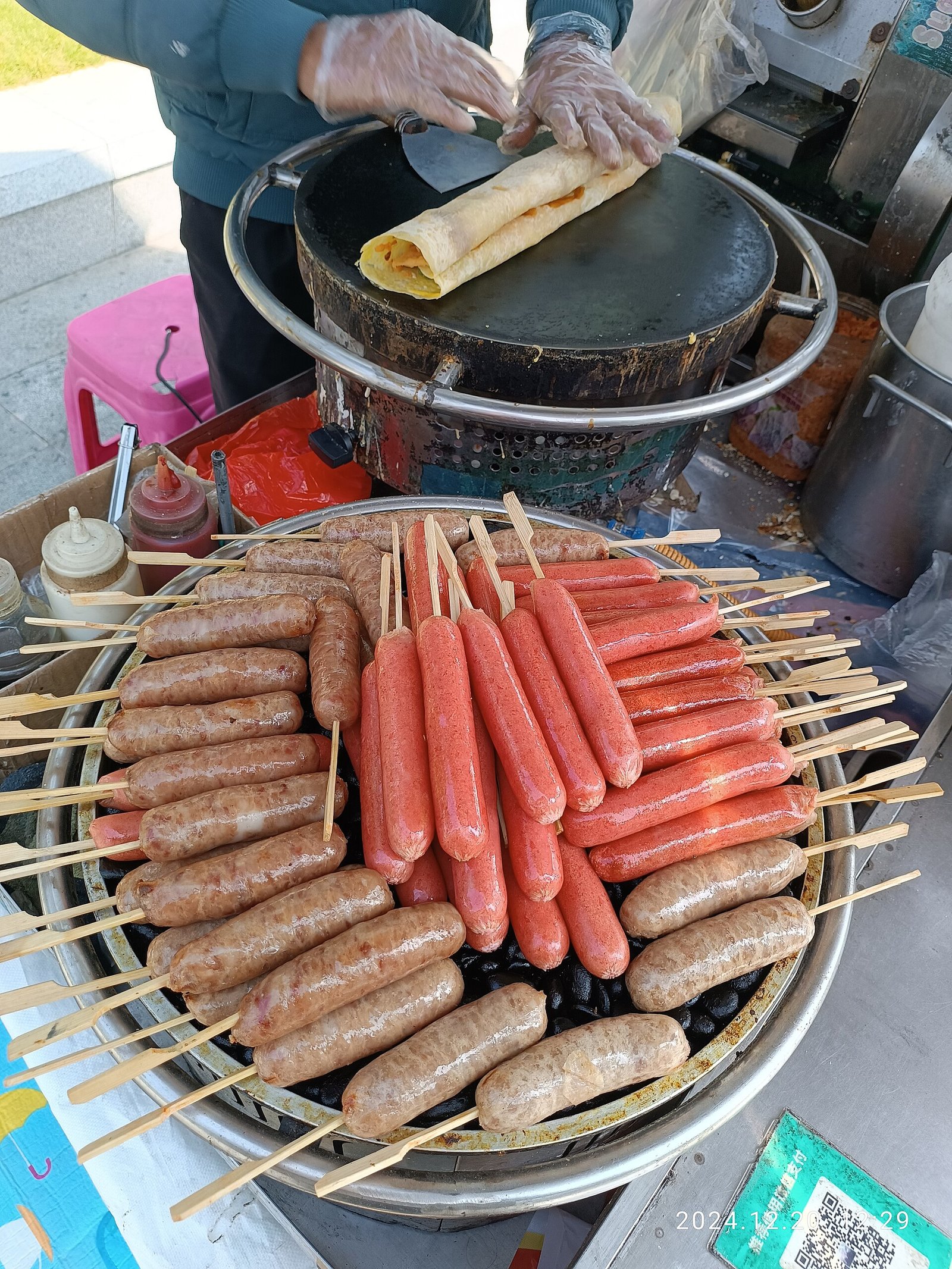
What surprised me most was the food. Northern cooking is wheat-based and hearty: hand-pulled noodles, dumplings, and lamb that makes a welcome change from rice after a week on the road. A bowl of noodles at a neighbourhood shop costs around 25–40 RMB and is often better than a fussier restaurant near the main square.
The east: rivers and gardens
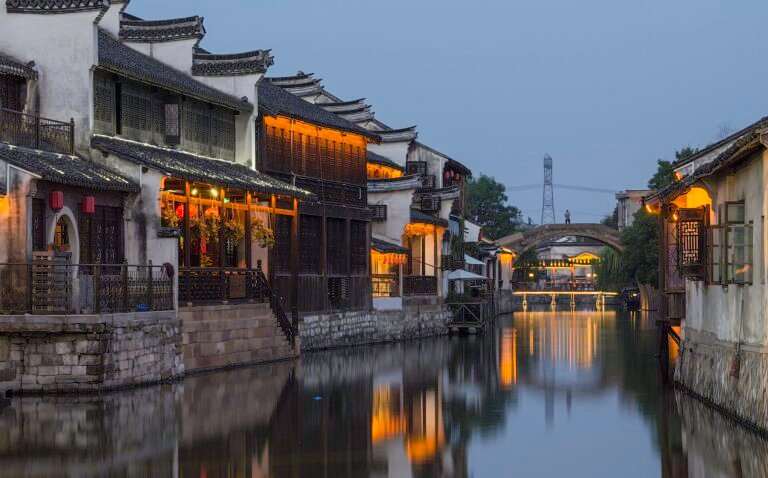
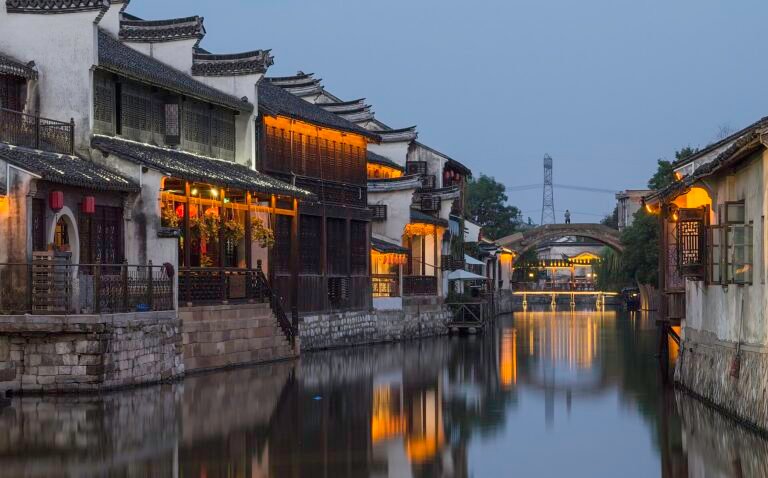
The east is the China of canal towns, classical gardens and two great financial cities. Shanghai is the obvious entry point, but Hangzhou and Suzhou are where I would actually spend time: the West Lake walks are free, and the Humble Administrator’s Garden in Suzhou asks for a couple of hours and a little patience with the crowds. Both are an easy train ride from Shanghai.
Navigating this region without the right apps is needlessly hard. I rely on a mapping and translation pairing from Best Apps China Travel to work out which metro exit to use, read ticket machines and check the queue at a garden gate. It has saved me more time than any guidebook.
The east is also where the weather bites hardest in summer. Shanghai in August can sit at 35°C with humidity near 80%, and the old towns get claustrophobic in that heat. Spring and late autumn are when I go; the gardens are green in April and the light is softer in November. A taxi across central Shanghai at rush hour can take forty minutes for five kilometres, so plan walking where you can.
The south: coast and hills
South China is a different pace again. Guangzhou is the food capital in my book — dim sum taken slowly, with a pot of tea, and a bill that still surprises me at around 80–120 RMB for two. The Pearl River delta is flat and hot, but a short flight or train takes you into the hills of Guilin and Yangshuo, where the limestone scenery justifies the detour.
I would give the south at least five days if you are coming this far. Two in Guangzhou for the markets and eating, then three around Yangshuo for the river and the cycling. The Li River cruise is the headline, but check the official site before you go because water levels affect sailings after heavy rain. A bicycle ride through the fields outside Yangshuo costs little and stays with you far longer.
Winter here is underrated. While the north freezes, Guangzhou and Xiamen sit in the mid-teens and the streets stay lively. It is the season I would choose for a food-focused trip, though the damp chill catches people out if they arrive straight from a heated cabin expecting tropical warmth.
The southwest: altitude and street food
The southwest is the region I now recommend most often. Chengdu has pandas, tea houses and a food scene that could fill a week on its own; Yunnan offers Kunming, Dali and the lake country at a gentler altitude and a milder climate. Guizhou is the quieter neighbour, with waterfalls and villages that see far fewer visitors.
It suits a longer trip better than a short one. I would not attempt the southwest and the north in the same ten days; give the southwest two weeks and it starts to make sense. My notes on everything you need to know about china 2 week show how I sequence Chengdu, Dali and Kunming with rest days built in.
Altitude is the thing people forget. Kunming sits near 1,900 metres, so the sun is strong and evenings cool quickly even when the daytime reading is 22°C. Bring a light fleece and drink more water than you think you need. I have watched travellers arrive from Shanghai in shirtsleeves and buy a jumper before dinner.
How to stitch the regions together
The practical answer is the high-speed rail network, which turns what used to be a day of travel into four or five hours between most major hubs. Beijing–Shanghai takes around four and a half hours; Shanghai–Hangzhou is under an hour. Book the moment tickets go on sale, because popular departures sell out around the public holidays.
| Region | Best base | Days that feel right | Getting there | Best season |
|---|---|---|---|---|
| North | Beijing | 4–6 | Fly or high-speed rail | Apr–May, Sep–Oct |
| East | Shanghai | 4–5 | High-speed rail | Apr–May, Nov |
| South | Guangzhou | 5–6 | Fly or rail | Nov–Feb |
| Southwest | Chengdu | 7–12 | Fly, then rail | Mar–May, Sep–Nov |
| Central | Xi’an | 2–3 | High-speed rail | Apr–May, Sep–Oct |
Not everyone wants to manage that themselves, and I understand why. Where the legs get complicated — a southwest route with mountain transfers, say — I have looked at Best China Tour Companies and found a few that handle the connections without turning the trip into a conveyor belt. Read the small print on group size before you commit.
Booking, apps and knowing when
Three decisions make the biggest difference. First, accommodation: I choose places near a metro station even when they cost 100 RMB more, because an extra twenty minutes of walking at the end of a long day adds up. My guide to Book Hotels China explains how I check location, heating and laundry before I pay.
Second, timing around holidays. Spring Festival and National Day are not weather events; they are population movements. A site that is quiet on a Tuesday in November becomes a two-hour queue in the first week of October. If your dates are fixed, accept the crowds and book everything early, from trains to timed-entry tickets — and check the official site before you go for the current rules.
Third, keep the plan loose enough to change. The best hour of my last trip came from abandoning a scheduled museum and following a recommendation to a neighbourhood noodle shop instead. Regions are a planning tool, not a cage; once you are on the ground, the city in front of you is usually more interesting than the spreadsheet that brought you there.

Frequently Asked Questions
Which region should a first-time visitor choose?
Start with the north and east together: Beijing, Xi’an and Shanghai are connected by frequent high-speed trains and between them cover the classic sights. That combination is manageable in ten days and gives you a feel for the country before you commit to a longer or more remote route.
How many regions can I realistically see in two weeks?
Two, comfortably; three only if they are adjacent. A north-and-east pairing works well, as does the southwest on its own with a few days in Guangzhou. Trying to combine the north with the deep south means two long travel days you will not get back.
Is the southwest suitable for a first trip?
Yes, though it rewards a slower schedule. Give Chengdu and Yunnan at least a week between them, keep a rest day after any long transfer, and check the official site before you go for panda-base or park opening times, which change with the season.
What does a day of travelling between regions actually cost?
A high-speed second-class ticket between major cities is often in the 300–600 RMB range, though it varies with distance — check the official site before you go for current fares. Budget hotels in a good central location commonly run 300–500 RMB a night, and a metro ride in the big cities is a few RMB.
Do I need a tour company for a multi-region trip?
Not for the standard north-and-east route, which is easy to book independently. For a southwest itinerary with mountain transfers, or if you are travelling with children or older relatives, a small-group operator can be worth the extra cost for the logistics alone.