A Food Tour of China: Regional Specialities by City
My first proper lesson in Chinese food came from a woman everyone called Auntie Peng, who ran a six-table noodle shop off a Chengdu side street and took it upon herself to correct my order. I had asked for the mild version of everything, rather proud of my careful planning. She laughed, took the bowl away, and returned with something that made my eyes water and my ears ring, then stood over me until I had finished every mouthful. I have eaten my way through a dozen cities since that evening and I have never again ordered “mild” as a default. What follows is the route I now give friends: a food tour of China built around what each city does best, rather than a list of famous dining rooms.
Why I plan a trip around the kitchen now
Food is the most honest way into a place. A city can polish its museums and its skyline, but the way people queue for breakfast tells you what the weather is like, what the wages are and how much time they have to spare. As the Wikipedia overview of Chinese cuisine explains, the country’s regional cooking is usually grouped into eight great traditions, and you can taste the borders between them on a single train ride. The north leans on wheat, the south on rice; the coast brings seafood, the interior brings preserved meat and heat. Once I understood that, I stopped chasing Michelin stars and started building days around one good market and one long lunch.
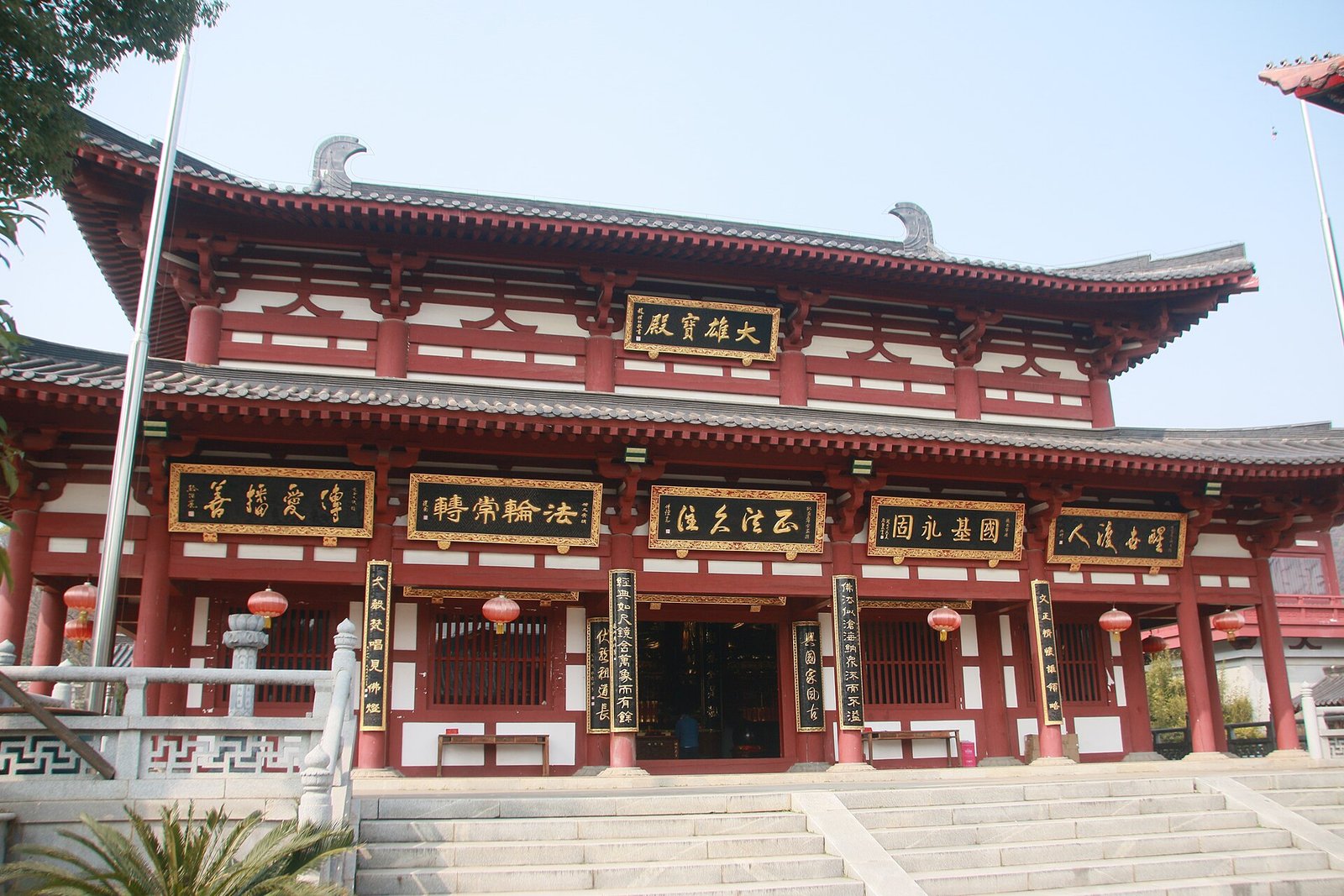
The table below is the short version I keep in my notebook. Costs are what I actually spent on a recent autumn trip, in RMB, and they will drift, so check the official site before you go for anything ticketed.
| City | Order this | Typical spend | Best months |
|---|---|---|---|
| Beijing | Zhajiangmian, roast duck | 30–180 RMB | Apr–May, Sep–Oct |
| Xi’an | Biang biang noodles, lamb paomo | 20–60 RMB | Mar–May, Sep–Nov |
| Chengdu | Mapo tofu, hotpot | 40–120 RMB | Mar–Jun, Sep–Nov |
| Guangzhou | Dim sum, roast goose | 60–150 RMB | Oct–Dec, Mar–Apr |
| Shanghai | Xiaolongbao, river crab | 25–300 RMB | Sep–Nov, Apr–May |
If you are squeezing this into a short break, read everything you need to know about china 10 day before you book anything, because four cities in ten days is the honest ceiling. If you have more room, how china 2 week is really done shows how to add a slow region without spending your whole holiday on trains.
Beijing: wheat, wraps and the northern table
Beijing food is colder-weather food, built on wheat, soy and long-simmered meat. My routine is a 07:00 breakfast of zhajiangmian at a hutong shop near Gulou, where the noodles are pulled thick and served with a plate of raw cucumber strips you cut yourself with a blunt table knife. It costs about 30 RMB and it keeps me going until late afternoon. The famous roast duck is worth one evening, but go to a neighbourhood branch rather than the flagship with the tour buses; the wait drops from ninety minutes to about twenty and the duck is no less crisp.
A word of warning about the pancake wraps sold at the tourist gates: many are assembled hundreds at a time and reheated. Look for the stalls where the batter is poured to order and the crisp cracker is still crackling. If you want someone to translate the menu and explain which vinegars belong with which dumplings, the small-group options in Best China Tour Companies are a better bet than a free hotel breakfast, though I would still insist on one meal alone each day.
Xi’an: Shaanxi noodles and the Muslim Quarter
Xi’an is where I learned that a bowl of noodles can be an event. Biang biang are hand-slapped, as wide as a belt, and dressed with chilli, garlic and scallion oil; the character for “biang” is so complicated that shops often just paint it as a slogan. A bowl runs 20 to 35 RMB. Lamb paomo is the other essential: you tear a flatbread into a bowl yourself, the kitchen pours over a rich lamb broth, and the whole thing arrives with pickled garlic to cut the fat.
The Muslim Quarter is the obvious place to start, and it is also where I made my second mistake. I ate at the first brightly lit stall on the main lane and paid three times what I should have. Walk another 200 metres down the side alleys, where the skewers are grilled over charcoal and the persimmon cakes are fried to order, and the bill for a generous supper comes to under 60 RMB. For the wider question of where halal kitchens are reliable across the country, China Halal Food Travelers is the companion piece I now send to friends before they fly.
Chengdu and Chongqing: learning to like the heat
Sichuan cooking is not simply hot; it is numbing, and the combination of chilli and Sichuan pepper is the point. My advice is to order mapo tofu as a benchmark dish, because a good version should make your lips tingle for a full minute after the spoon goes down. In Chengdu, a neighbourhood tofu place will charge 40 RMB and the pot will be refilled without asking. Hotpot is a group affair, so if you are travelling alone, join a table or ask for the small split broth and accept the curious looks.
Chongqing takes the same vocabulary and turns the heat up, with hotpot and spicy chicken served in portions that assume you are sharing. The city is built on slopes, so I plan a food day around the cable car and a 15-minute walk downhill rather than a metro hop with a full stomach. To find the small places that do not appear in English search results, I rely on all about best apps china travel, which covers the review and mapping apps that actually list opening hours.
Guangzhou: the dim sum long game
Guangzhou is where I learned to slow down. Dim sum is not a quick meal; it is a two-hour occupation with a pot of tea and a trolley of bamboo baskets. Order har gow, char siu bao and a plate of steamed rice noodle rolls, then wait before ordering more, because the second round always looks better than the third. A solid morning tea for two comes to about 120 RMB in a busy local tea house, and the same baskets in a hotel ballroom can cost three times as much.
Roast goose is the other reason to be here, and the queue outside the good shops starts before 11:00 and is gone by 14:00. I once walked 25 minutes in July humidity to find a place closed for a private function, so I now telephone ahead or ask the hotel concierge to check. On where to sleep, Book Hotels China explained sets out the passport rules and which booking platforms show real rooms for foreign cards; stay near a tea house and you will eat better without planning it.
Shanghai and the coast: sweet, soft and seasonal
Shanghai cooking is gentler than the interior, with a taste for sugar, soy and fine technique. Xiaolongbao are the introduction: soup dumplings folded with a dozen or more pleats, eaten in three careful bites, and priced from 25 RMB for a basket in a no-frills shop in the old city. I have had better ones in unremarkable neighbourhoods than at the famous queue by the park, and the wait is usually under ten minutes.
The city also rewards seasonal travel more than any other on this list. Hairy crab in the autumn months is a genuine event, but the price swings with the catch and the season dates move year to year, so check the official site before you go rather than trusting a blog. If your dates are fixed, the notes in Best Time To Visit China explain which cities are pleasant in which months and which ones turn into steam rooms. Save one evening for the former French Concession, where a small shengjianbao stall and a quiet glass of wine can end a food tour better than any grand finale.

Frequently Asked Questions
How much should I budget for food per day? For ordinary meals in the cities above, 150 to 250 RMB a day is comfortable if you avoid hotel restaurants and imported wine. A hotpot evening or a roast duck dinner will push one day towards 400 RMB, but you can balance it with 30 RMB noodle breakfasts.
Do I need to book restaurants ahead? Usually not, except for the handful of famous duck and dim sum houses where a same-day queue of an hour is normal. I book only the one “special” meal per city and leave the rest to walking. Check each restaurant’s own page before you go, as hours change around festivals.
What if I cannot read the menu? Point at what the next table is eating, or use a phone camera translation app; picture menus are common in tourist areas but rare two streets away. Learning four words — noodles, rice, spicy, not spicy — gets you further than any app in a busy market.
Which city should I start with? Beijing is the gentlest introduction because the food is approachable and English signage is better. If you already travel confidently, start in Chengdu and let the rest of the country taste mild by comparison.
Is street food safe? I eat it daily and choose stalls with a fast turnover and a visible queue. Avoid anything that has been sitting under a heat lamp for hours, and carry the remedies you normally use rather than relying on a pharmacy at midnight.