The Honest Mount Jiuhua Guide – What’s Worth It and What Isn’t
“Two things you should know before you go,” a man in a yellow raincoat told me at the bus station in Chizhou. “One, the mountain isn’t tall. Two, you’ll still be exhausted by lunchtime.”
He was right on both counts, though I didn’t believe him until I’d done the day twice. Mount Jiuhua tops out at roughly 1,342 metres, which is nothing by Himalayan standards, yet a combination of steep stone steps, damp Anhui air and incense-thick temple courtyards had me sitting on a railing before eleven. I’ve been back twice since. This is the guide I wish someone had handed me on that first wet morning.
Getting there, and the bit nobody photographs
Most people come through Chizhou, the nearest city, then cover the 40-odd kilometres to the mountain gate by bus or taxi. From Hefei, allow two and a half to three hours by high-speed rail plus the transfer; from Shanghai, the train-and-bus combination is a long but entirely doable day. As Wikipedia notes, Jiuhua is one of China’s four sacred Buddhist mountains, and that status explains about half of what you see here. The other half is ordinary domestic tourism, complete with snack stalls, coach parties and a loudspeaker reminding everyone to mind the step.
Go first: Jiuhua Street, where the temples actually are
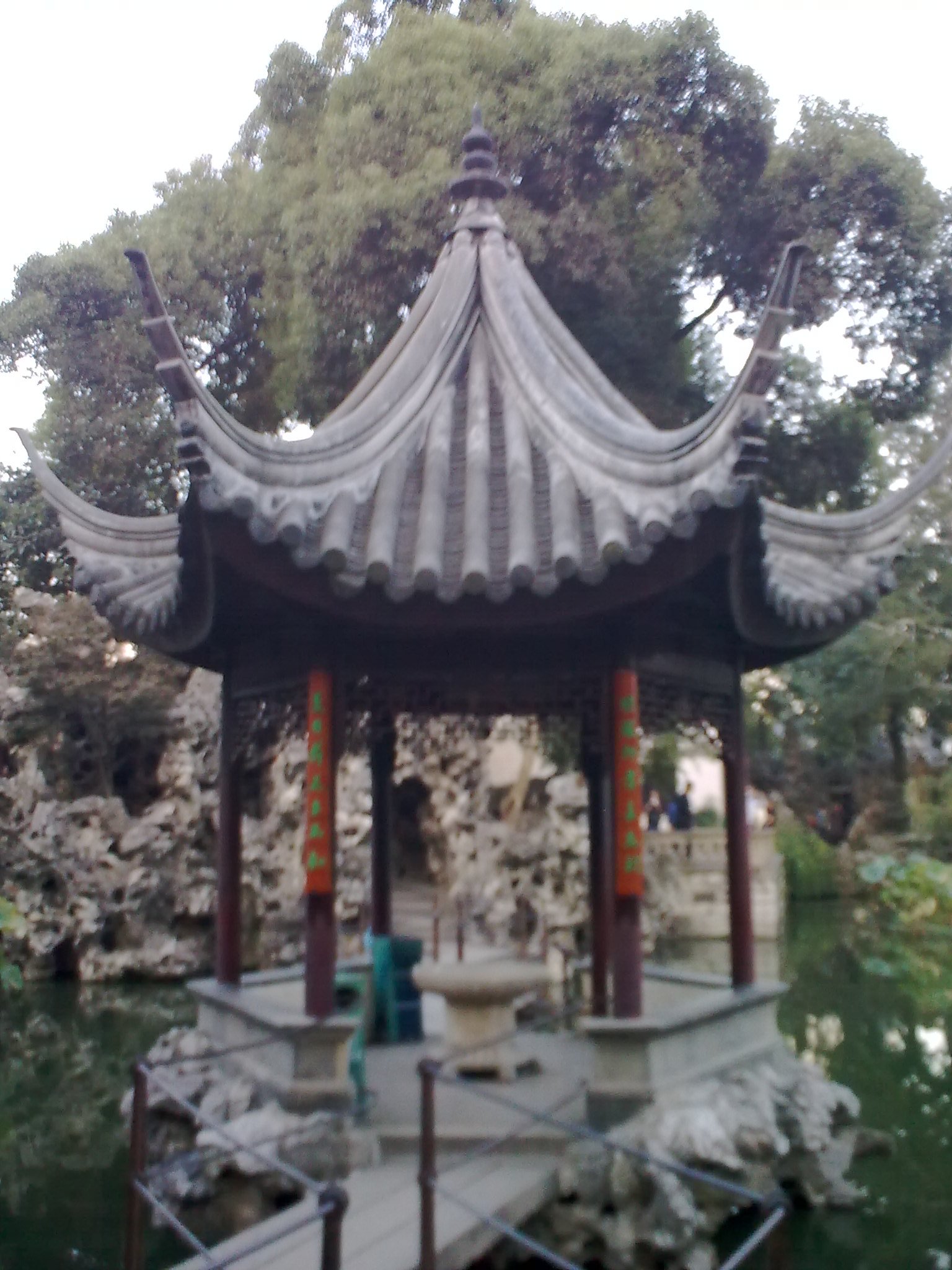
You buy an entry ticket at the gate. When I went it was around RMB 160, with extra charges for the shuttle bus inside the scenic area and for each ropeway section. Prices move, so check the official site before you go instead of trusting a figure in an article, including this one. The shuttle drops you near Jiuhua Street, a settlement of temples, guesthouses and small restaurants at roughly 700 metres. Go here first. It is the densest, most atmospheric part of the mountain and it rewards a slow morning far more than a heroic ascent.
I walked up on my first visit to save money and regretted it by the third flight of steps. On my second visit I took the shuttle and the first cable car, and I enjoyed the mountain enormously. There is no prize for suffering here. Jiuhua Street itself is compact: you can walk the main lane end to end in twenty minutes, but the side alleys and temple courtyards will swallow two or three hours if you let them. If you want the literary background to all this, Mount Lu explained far more about the scholarly habit of retreating to a mountain than any signboard here does.
Two practical notes. First, the lane fills up after about ten in the morning, so start early and you will have the courtyards almost to yourself. Second, guesthouses along the street vary wildly in quality; the cheapest rooms are genuinely basic, and I paid extra on my second trip for a thicker quilt and a window that closed properly.
Then up: the ropeway to Tiantai
Once you’ve had your fill of Jiuhua Street, the natural next move is the ropeway towards Tiantai, the upper temple area. It runs in stages. The first car lifts you several hundred metres; then there is a walk, a second section, and a final set of steps. Allow at least two hours from Jiuhua Street to the top and back down again, more if you stop for photographs or tea. Queues on a weekend can be long enough to reshape your whole afternoon.
Is the view worth it? On a clear day, yes: layers of green ridges and temple roofs, with the valley dropped away below you. On a misty day, which was my first attempt, you get white air and the sound of other people coughing. I went up anyway and found the upper temples strangely calm in the fog. If it is sweeping granite-and-cloud drama you want, Huangshan Mountain does that better than Jiuhua does. If you want altitude that genuinely takes your breath away, all about jade dragon snow mountain is the read; Tiantai’s 1,342 metres usually takes your breath because of the stairs.
A small warning about the descent. The steps down from the upper temples are steep and slick after rain, and I watched a pilgrim in slippers sit down rather elegantly on a wet slab. Wear shoes with some grip, and carry your own water because the stalls thin out near the top.
The flesh-body statues, honestly
Jiuhua’s most unusual feature is its collection of preserved bodies of monks, some decades old, displayed in temples near Jiuhua Street and the upper area. The most famous is the monk Baoqing. Whether you find this moving, unsettling or simply fascinating depends on your temperament, and I felt all three within about five minutes. These are not waxworks and they are not a sideshow; for believing visitors they are objects of real devotion, so keep your voice down and ask before photographing.
I was thinking about how differently sacred mountains handle their dead, and Emei Mountain came to mind: same country, same Buddhist impulse, completely different atmosphere at ground level. Jiuhua feels smaller and more personal because of it. You can stand in a dim courtyard with fifteen people and hear nothing but a bell and someone sweeping.
Food, beds and the five-in-the-morning bell
The food on the mountain is plainer than the guidebooks suggest. Noodle bowls, stir-fried greens, tofu and rice dominate the menus along Jiuhua Street, and a filling meal cost me roughly RMB 30 to 60 when I last went. Many restaurants are run by the temples or by families who have been there for years, and the food is honest rather than ambitious. Vegetarian options are easy to find because of the Buddhist setting, though “vegetarian” sometimes means no meat but plenty of egg.
I stayed one night on the mountain and one night down in Chizhou. The mountain night is worth it if you want the dawn bells and the small hours in the courtyards; the Chizhou night is worth it if you want a decent bed and a shower with proper pressure. A bell at around five in the morning woke me on both visits, and on the second I got up and walked to the main hall with a crowd of old women who had clearly been doing this for decades. Nobody spoke. It was the best twenty minutes of the trip.
Below the mountain, Chizhou is a small, unshowy city. It is a sensible place to base yourself for two nights, and it is also where the raincoat man at the bus station had been trying to send me in the first place.
Is Jiuhua worth it? A blunt comparison
Here is the honest summary I now give friends who ask. Mount Jiuhua is not a grand scenic spectacle, and it is not a quiet retreat either. It sits somewhere in between, which is exactly why people argue about it.
| If you want… | Jiuhua delivers? | Better alternative |
|---|---|---|
| Big mountain views | Partly, and only in clear weather | Huangshan or a longer trek |
| Buddhist atmosphere | Yes, in spades | Few places in China match it |
| A hard physical challenge | Not really | A steeper peak further west |
| Quiet contemplation | Early morning only | A lesser-known temple town |
| Easy access from a big city | Reasonably, via Chizhou | A city-centre temple |
If staircases and exposure are the whole point of a mountain for you, Mount Hua Guide describes a place that is far more interested in punishing your legs. If it is the emperor-and-summit version of Chinese mountain culture you are after, how mount tai is really done is the guide I would hand you first. For temple culture with a martial reputation, everything you need to know about mount song covers that angle better. And if your idea of a good mountain trip involves boats, tea and slow afternoons rather than incense, my notes on mount wuyi is the one to read.
My own verdict: go for one full day and one night, start early, take the ropeway, and leave the heroics to someone else.
Frequently Asked Questions
How many days do I need for Mount Jiuhua? One full day and a night is enough for the temple cluster and a trip up towards Tiantai. Two days if you want to walk parts of the route or sit longer in the courtyards. Most visitors I met were on a tight schedule and still seemed satisfied.
When is the best time to go? Spring and autumn are the comfortable months, with October especially busy around the public holidays. Summer is humid and rainy, which makes the steps slippery. Winter can be beautiful but cold, and some facilities reduce their hours, so check the official site before you go.
Do I need to be fit? Not especially. The altitude is modest and the shuttle plus ropeway remove most of the climbing. There are still plenty of steps, though, and I would not attempt the full descent in wet weather with weak knees.
Can I visit as a non-Buddhist? Yes. Nobody asked me about my beliefs, and the temples are used to curious visitors. The basic rules are the usual ones: speak quietly, do not photograph inside halls unless invited, and step over the threshold rather than on it.
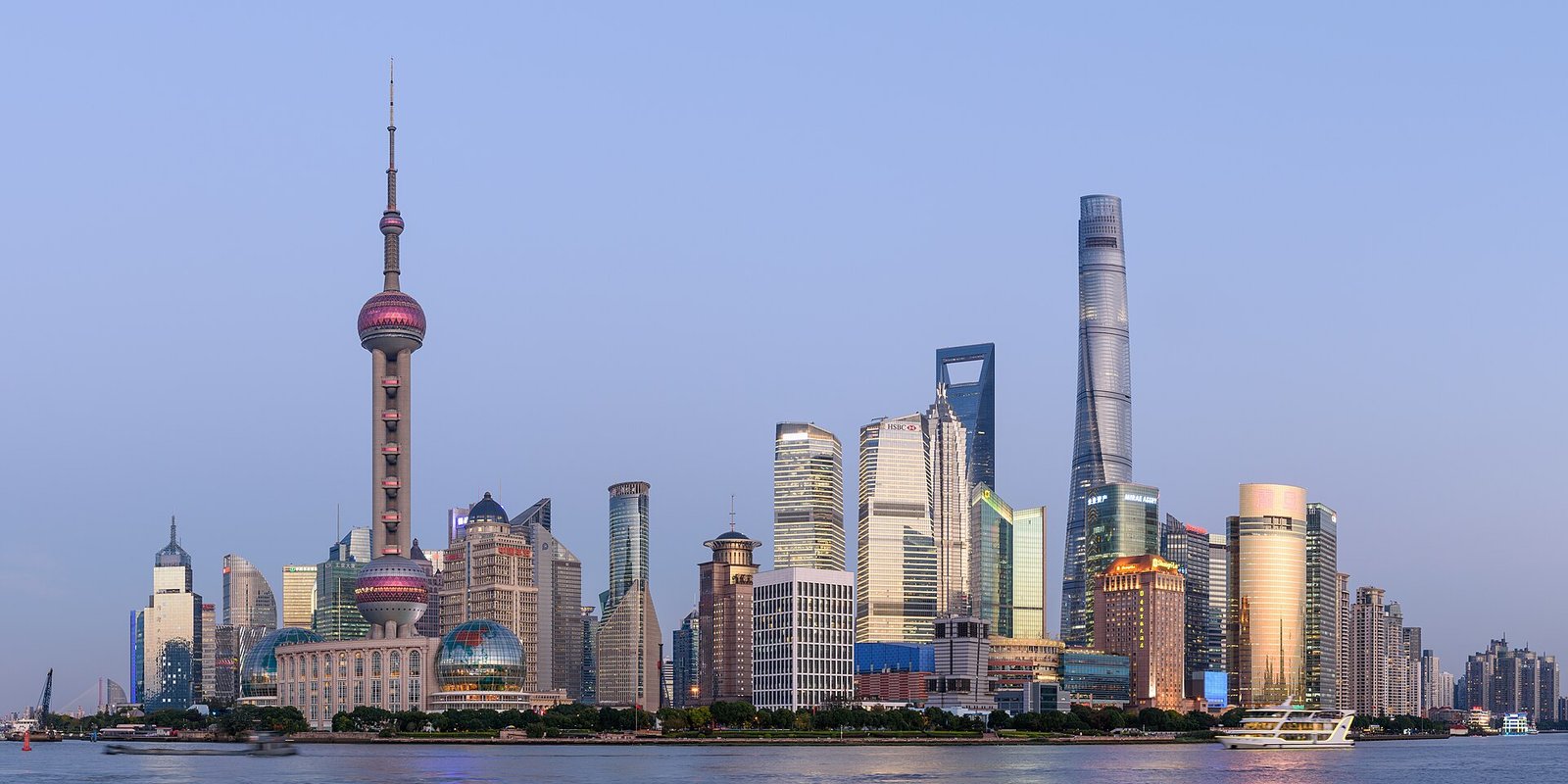
Is it easy to reach from Shanghai? It is possible in a day using high-speed rail to the Hefei or Chizhou area and then a bus or taxi. Book the rail seat ahead on popular weekends, and give yourself a buffer if you have a connecting flight.
What should I budget? Entry, the internal shuttle, one ropeway section, a simple meal and a basic room came to a modest few hundred yuan on my last trip. Prices vary by season, so treat any figure here as a rough shape rather than a quote, and check the official site before you go.